What a Power Plant Conveyor Idler Does
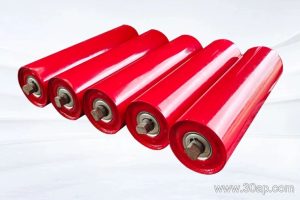
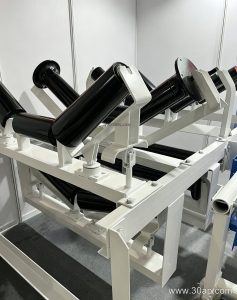
A power plant conveyor idler is the rotating support that carries the belt between the loading point and the transfer tower. In a coal-fired station, the coal handling system may run several hundred meters of belt through crusher houses, transfer stations, and bunker bays, and every meter of that path depends on idlers to hold the belt in a stable trough. The idler roller itself looks simple: a steel shell, a shaft, bearings, and a sealing arrangement. In practice, it is the component that decides how much friction the drive must overcome and how well the belt tracks under load.
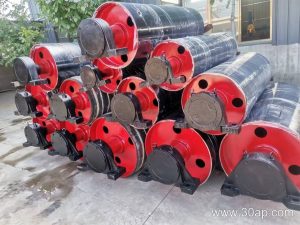
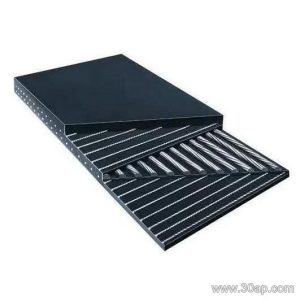
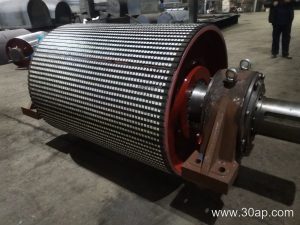
The same component appears in limestone preparation, ash handling, and biomass feed lines, so buyers in the power sector often specify it alongside the conveyor belt, the conveyor pulley, and the conveyor bracket as one coordinated package.
How the Idler Is Built
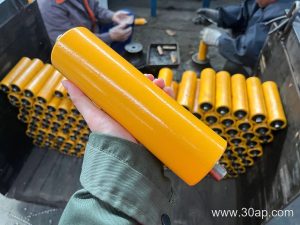
A typical carrying idler uses a seamless or welded steel tube with machined end faces, press-fitted bearing housings, and a through shaft. Bearing sizes such as 6204, 6205, 6305, 6306, 6308, and 6310 are common depending on load and roll diameter. Sealing is the detail that separates a long-life idler from a short-life one: labyrinth seals, felt retainers, and grease-filled cavities keep coal dust and ash out of the bearing race. Roll surfaces may be plain steel, nylon, ceramic, or rubber rings, and the choice usually follows the abrasiveness of the material and the need to protect the belt cover.
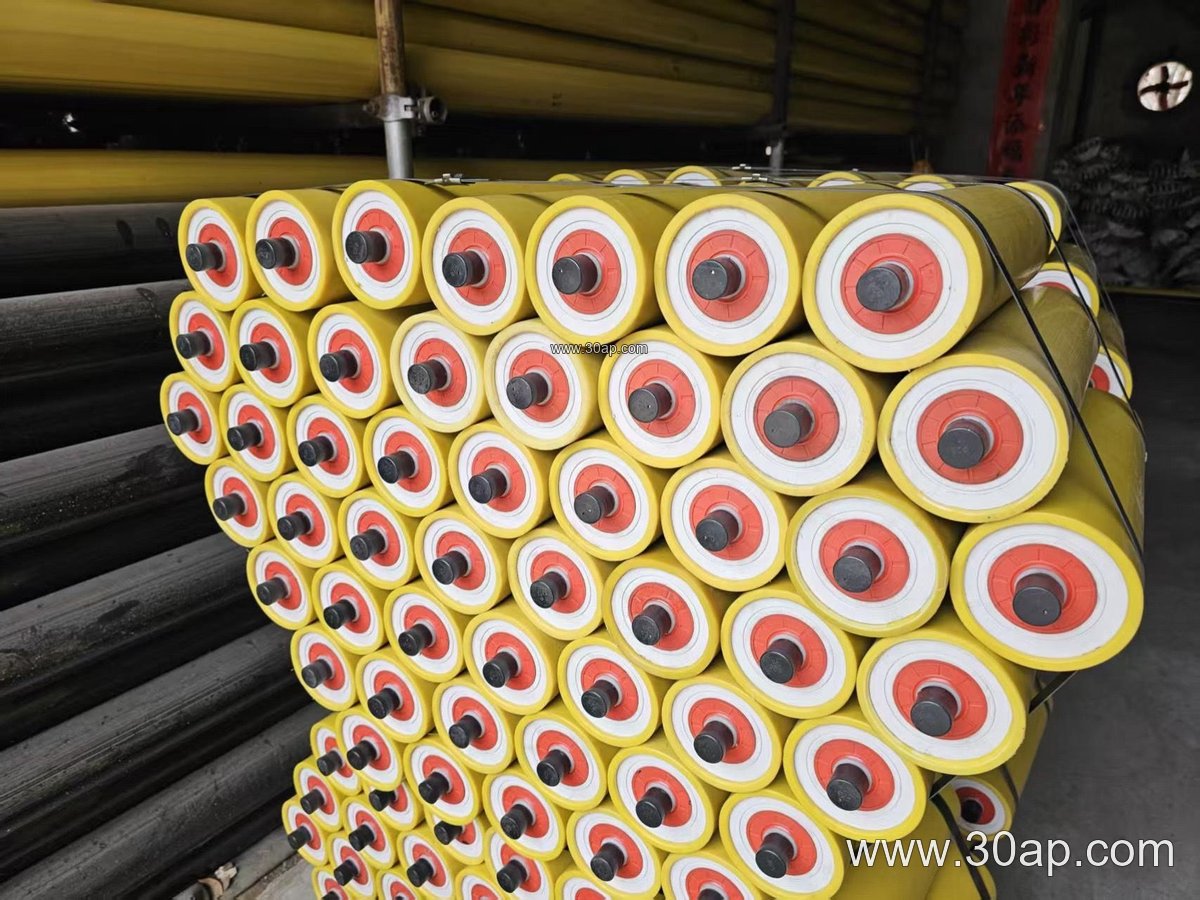
Common roll diameters and belt widths
Roll diameter is normally matched to belt width and load, not chosen in isolation. The table below shows typical pairings; final values are confirmed by the conveyor designer.
| Belt width | Common idler diameter | Typical application note |
|---|---|---|
| B500 to B800 | Ø63 to Ø89 | Small transfer and ash lines |
| B1000 to B1200 | Ø102 to Ø133 | Main coal conveying |
| B1400 to B1600 | Ø133 to Ø159 | High tonnage bunker feed |
| B1800 to B2000 | Ø159 to Ø194 | Trunk conveyors from stockyard |
| B2200 to B2400 | Ø194 to Ø219 | Very wide belt, heavy load |
These are reference values only. A wide belt does not force one specific shaft diameter, and a narrow belt can still use a larger roll where impact or sag control demands it.
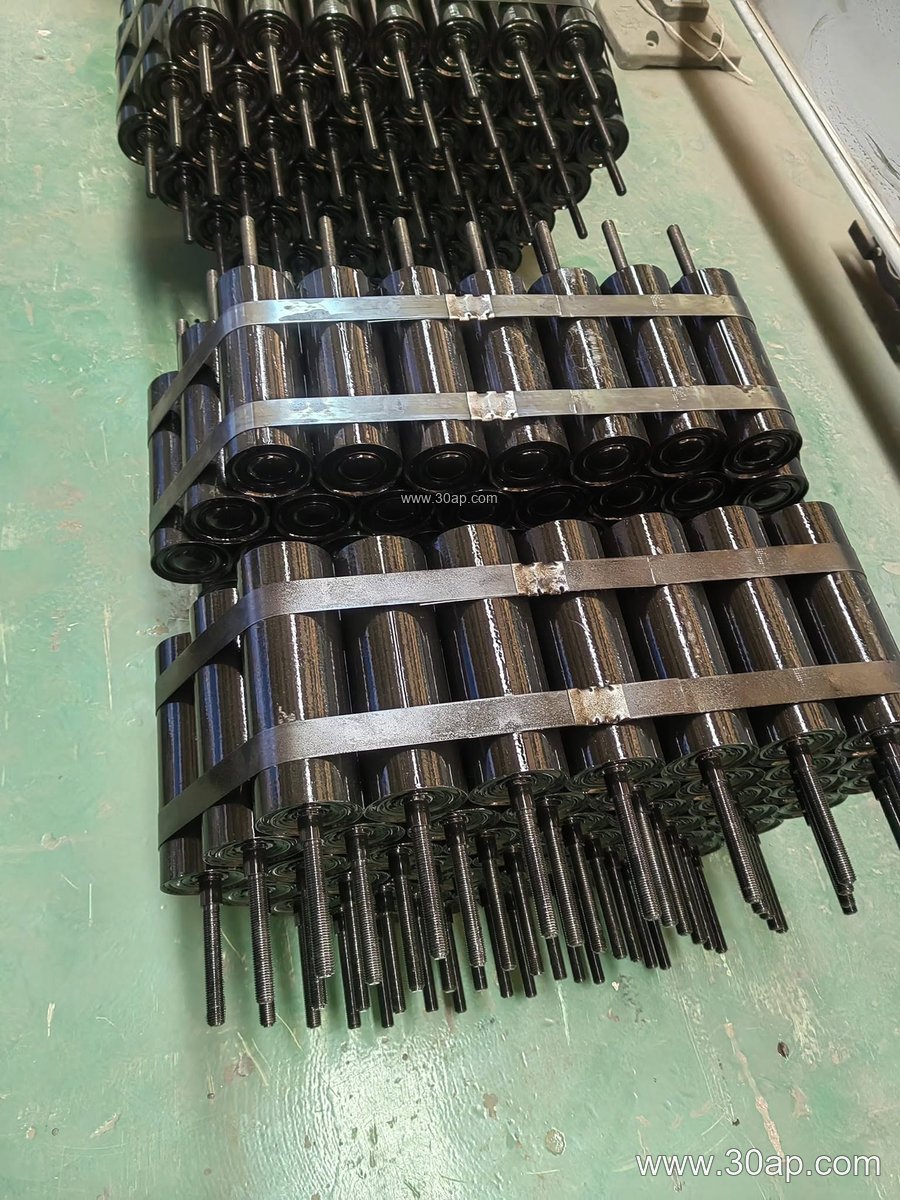
Trough Sets, Return Runs, and Transition Zones
On the carrying side, three-roll trough sets at 20, 30, 35, or 45 degrees are the standard arrangement in coal plants. A 35-degree trough is common on main lines because it centers the load without over-compressing the belt edges. Self-aligning idlers, including friction and tapered types, are fitted where the belt tends to wander, such as after a curve or before a transfer chute. On the return side, flat and V-return idlers support the empty belt; spiral idlers are sometimes used to shed sticky material.
Impact idlers with rubber rings belong under the loading chute, where coal drops from the crusher. They are not a substitute for carrying idlers elsewhere, and they should not be confused with the bend pulley at the head or the tail pulley at the take-up. Each has its own job.
Where the Idler Fits in the Plant
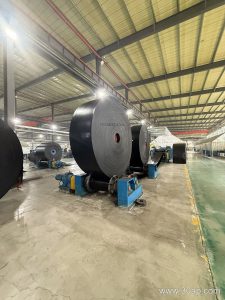
In a coal-fired power station, idlers appear on the stockyard conveyor, the inclined belt to the bunker, the reclaim line, and the ash removal circuit. Similar layouts exist in a limestone preparation building, a cement plant raw mill feed, and a port ship-loading line. Because these belts often run a flame retardant conveyor belt or an abrasion resistant conveyor belt, the idler must match that belt’s cover hardness and troughability. On a long overland run using a steel cord conveyor belt, idler spacing and roll runout become even more important, since belt sag directly affects starting tension.
For more on matching belts and rolls, see the selection notes at ppi-solution.com/power-plant-conveyor-idler and the maintenance guidance at ppi-solution.com/conveyor-idler-roller.
What a Buyer Should Confirm
- Roll diameter and shell thickness, not just the outside diameter.
- Bearing size, seal type, and whether the bearing cavity is greased for life.
- Trough angle and roll length for the actual belt width and set configuration.
- Surface form: steel, nylon, ceramic, or rubber ring, based on material abrasion.
- Spacing plan for carrying, return, and impact zones.
- Compatibility with the conveyor bracket and frame dimensions already installed.
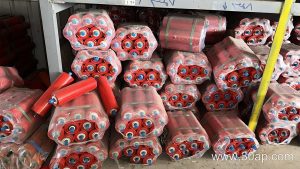
Spare parts planning matters as much as the first order. Idlers wear at different rates along a line, and keeping a small stock of the most common roll sizes reduces downtime during a bunker feed interruption. A buyer who records roll diameter, shaft size, bearing number, and seal type for each position will find replacement far easier than one who records only the belt width. The same discipline applies to the conveyor pulley lagging and to the belt splice, since a single weak point can stop a whole coal handling system.
Finally, inspect idlers during every scheduled shutdown. A seized roll will wear a flat spot into the belt cover, and a misaligned set will edge-damage even a heavy-duty conveyor belt. Replacing a few idler rollers early is almost always cheaper than replacing a section of belt later.