What a V-Type Idler Bracket Does
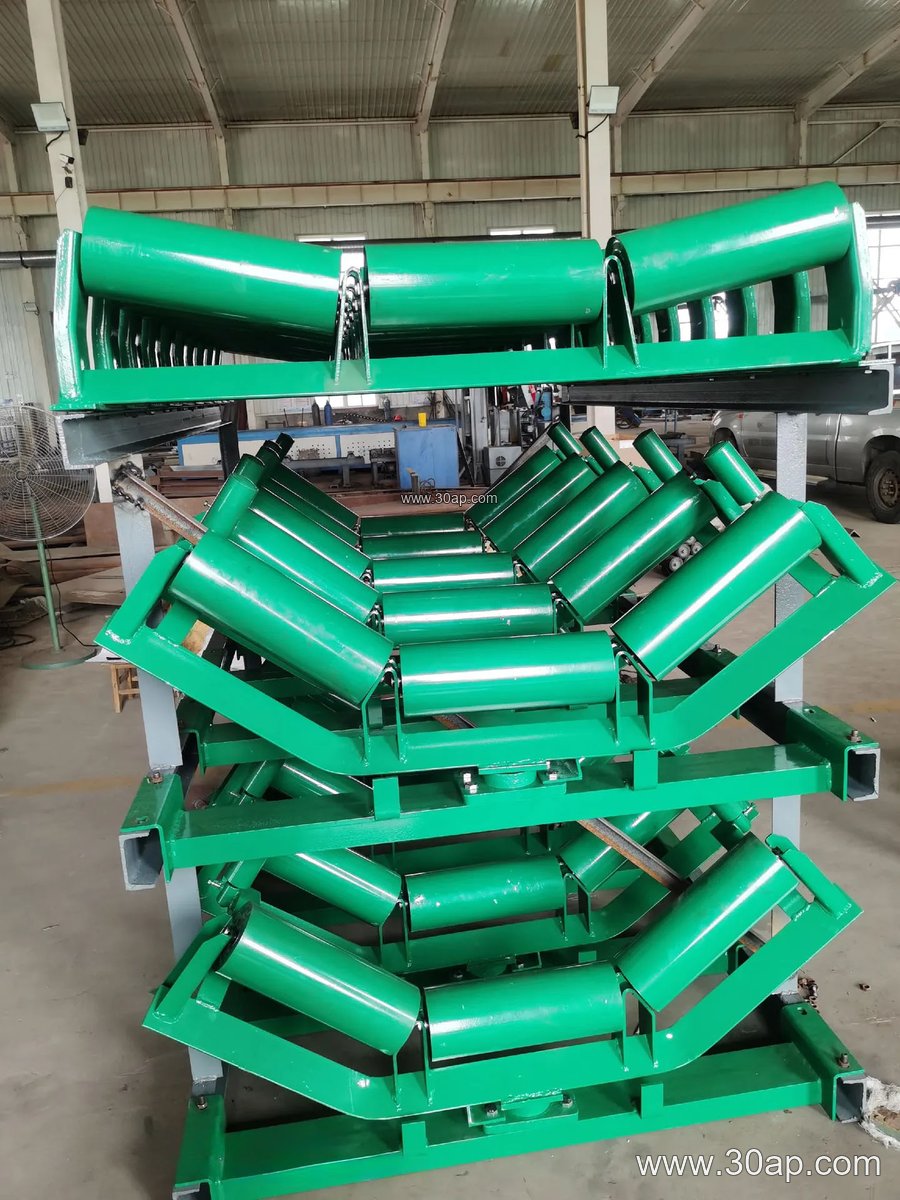
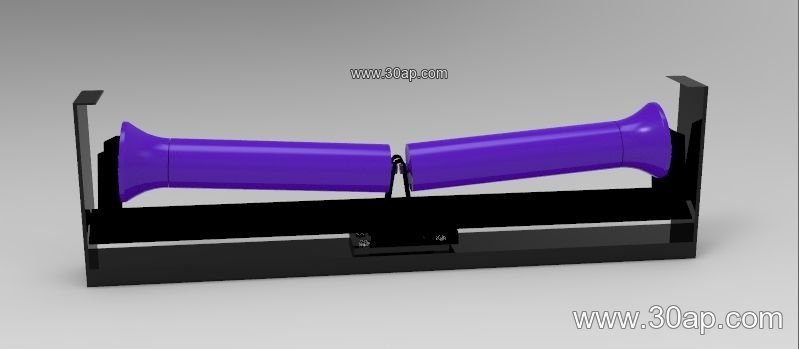
A V-type idler bracket is a support frame that holds two idler rollers in a V-shaped configuration, typically used on the return side of a belt conveyor. The bracket positions the rollers at an angle so they form a trough that helps center the conveyor belt and remove carried material from the belt surface. In quarry and aggregate operations, this bracket is often paired with a rubber conveyor belt to keep the return strand tracking smoothly. Unlike a drive pulley or tail pulley, which transmit power and change belt direction, the V-type bracket is a passive support component that guides the belt and its idlers.
Construction and Materials
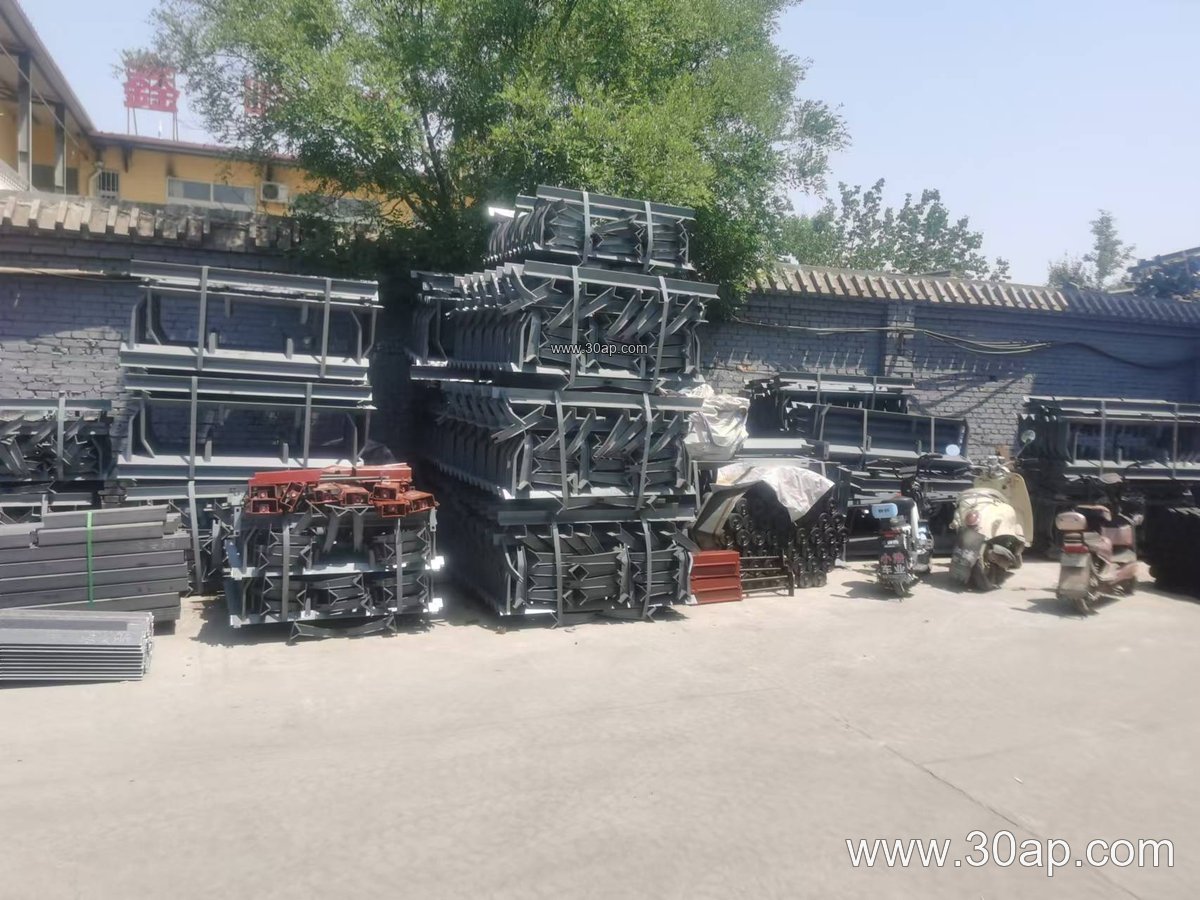
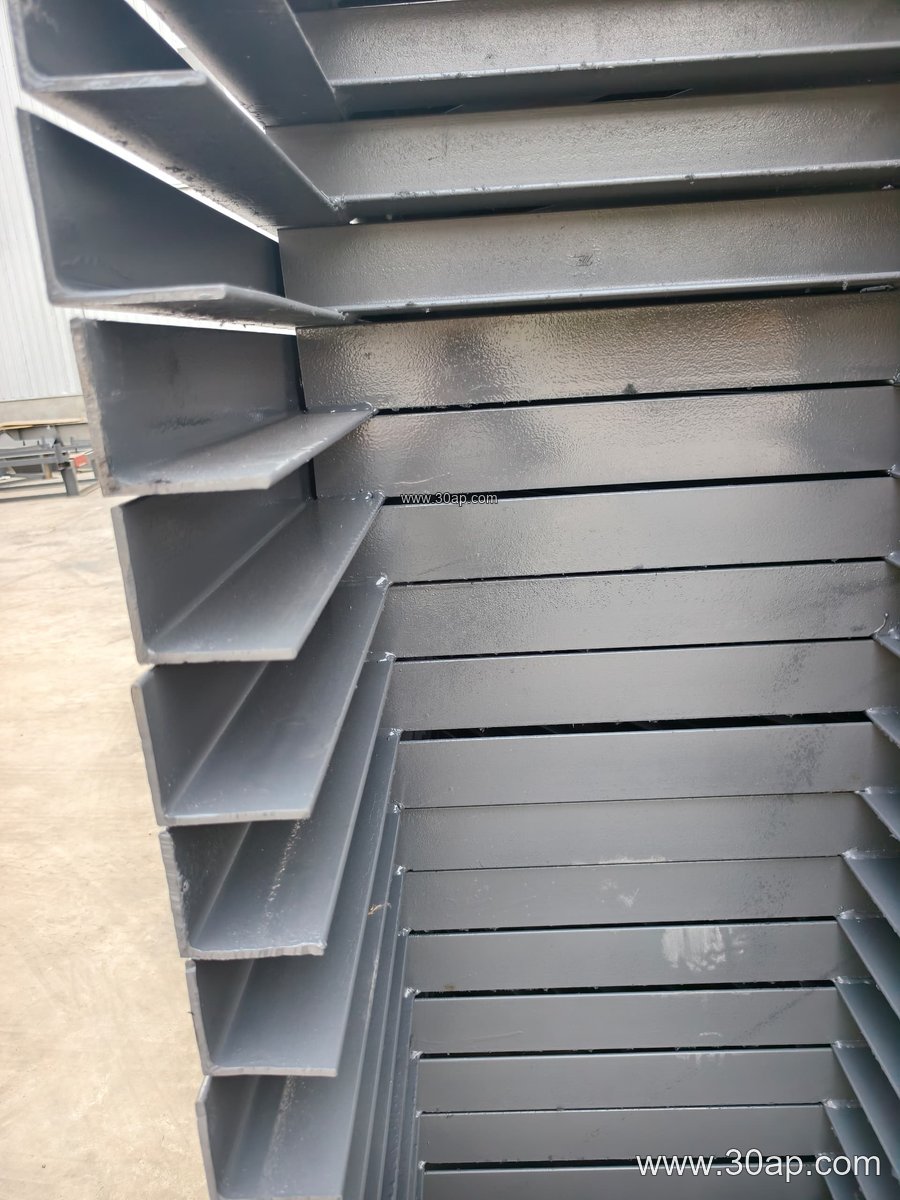
Most V-type idler brackets are fabricated from angle steel, channel steel, or folded steel plate. The frame includes mounting slots or holes for attaching idler rollers, and the V-angle is fixed during manufacture. Common materials include carbon steel with painted or galvanized finish for general duty. The bracket must be rigid enough to resist vibration and misalignment without distorting under load. In cement plants and power plant coal handling systems, brackets are often selected with added corrosion protection because of dust and moisture exposure.
Where It Fits in a Conveyor System
The V-type idler bracket is installed on the return run, beneath the carrying side, to support the empty belt and help shed debris. It is distinct from troughing idler brackets on the carrying side, which use three or more rollers to form a deeper trough. A V-type bracket may also be used in transition zones or at loading points where belt stability is critical. In a coal mining conveyor or an iron ore conveyor, proper return-side support reduces belt edge damage and extends the life of the conveyor belt. The bracket works together with conveyor pulleys and idler rollers to maintain belt tension and alignment.
Common Configurations and Size Considerations
V-type brackets are available for a range of belt widths and roller diameters. The table below shows typical reference values; actual dimensions depend on conveyor design and should be confirmed with the supplier.
| Belt Width (B) | Common Roller Diameter | Typical Application |
|---|---|---|
| B500 | Ø89 | Light-duty aggregate lines |
| B650 | Ø89–Ø108 | Sand and gravel conveyors |
| B800 | Ø108 | General bulk material handling |
| B1000 | Ø108–Ø133 | Cement plant and power plant |
| B1200 | Ø133 | Mining and quarry conveyors |
| B1400 | Ø133–Ø159 | Heavy-duty ore transport |
| B1600 | Ø159 | Large-scale mining conveyors |
| B1800 | Ø159–Ø194 | High-capacity bulk systems |
These combinations are examples, not fixed rules. A B800 conveyor might use a Ø108 roller with a 30-degree V-angle, while a B1200 system could use Ø133 rollers at a steeper angle. The bracket’s mounting hole spacing and crossbeam length vary with belt width and roller diameter, so replacement brackets should be matched to the existing frame.
Selection and Maintenance Tips
When choosing a V-type idler bracket, consider the belt width, roller diameter, and the amount of material carryback expected. In dusty environments such as a limestone mine or a coal preparation plant, self-cleaning brackets with open frames help prevent buildup. Check that the bracket’s V-angle aligns with the idler rollers and that fasteners are tightened to the manufacturer’s recommendation. Regular inspection of the bracket and rollers can prevent belt mistracking and extend the service life of the conveyor belt, whether it is an EP conveyor belt, a steel cord conveyor belt, or a flame retardant conveyor belt used underground.
For more information on conveyor brackets, idler rollers, and conveyor pulleys, visit our site at www.example.com/conveyor-bracket or www.example.com/idler-roller. Proper bracket selection supports the entire conveyor system, from the drive pulley to the tail pulley, and helps maintain efficient material flow in mining, cement, and aggregate operations.