What a Fixed Conveyor Bracket Does on a Conveyor Line
A fixed conveyor bracket is the rigid support that holds idler rollers in a set position along the conveyor frame. Unlike an adjustable bracket, which lets maintenance staff change the trough angle or roller spacing, a fixed bracket locks the roll assembly into one geometry chosen at the design stage. In a quarry, cement plant, or power plant coal yard, this simple steel component decides how well the conveyor belt keeps its shape under load.
The bracket carries the idler roller, and the roller in turn carries the belt. When the bracket is properly aligned and stiff enough, the belt runs centered, the load stays in the trough, and spillage drops. When it is weak or out of line, the belt wanders, edges fray, and the whole conveyor pulley assembly works harder than it should.
How the Bracket Is Built
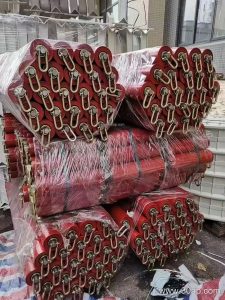
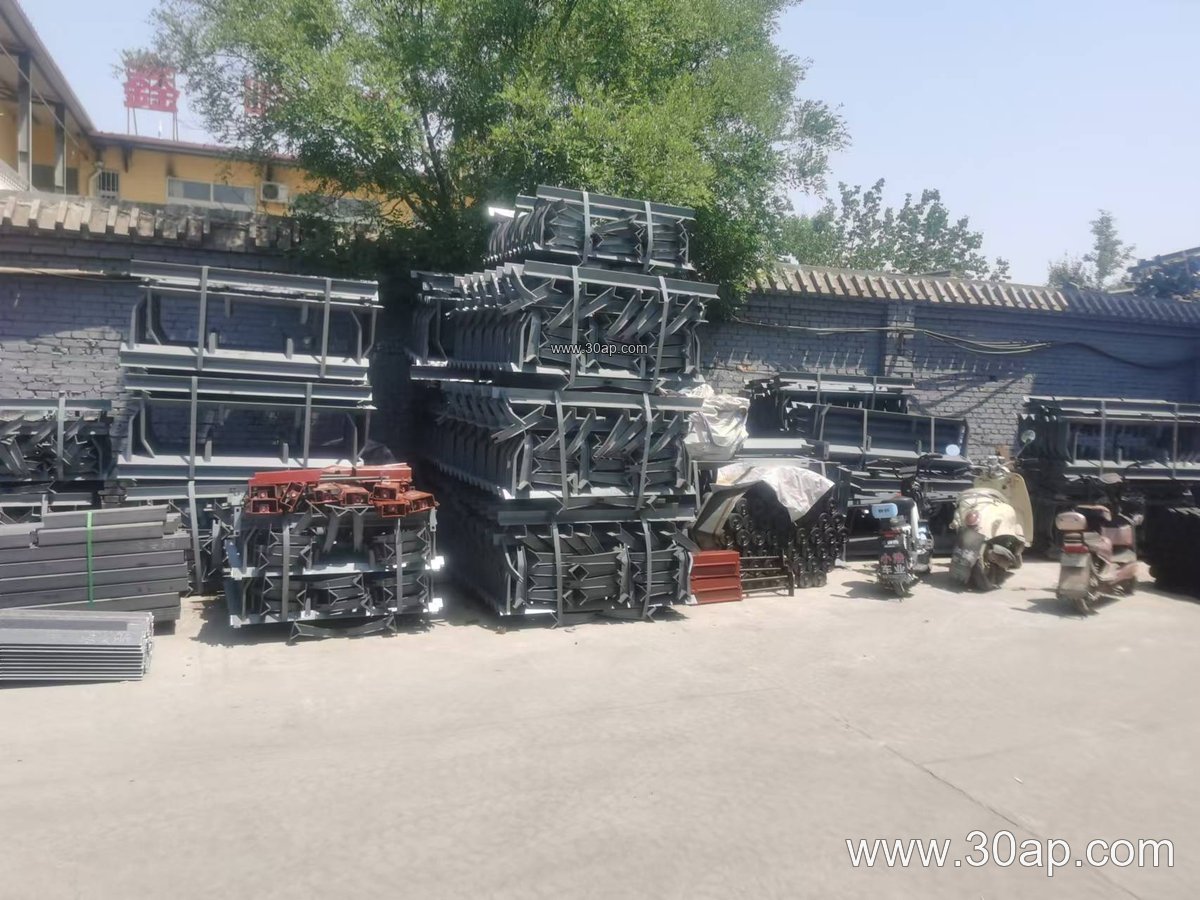
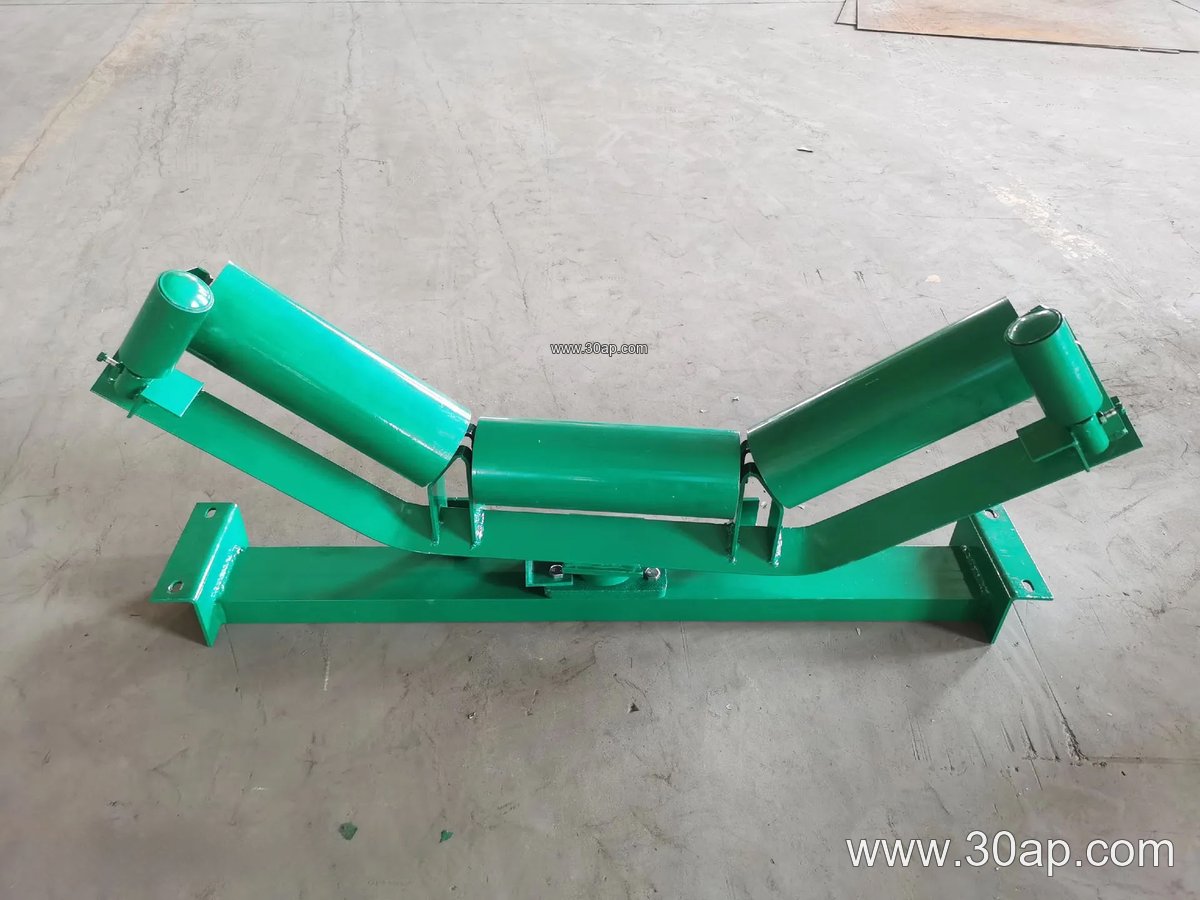
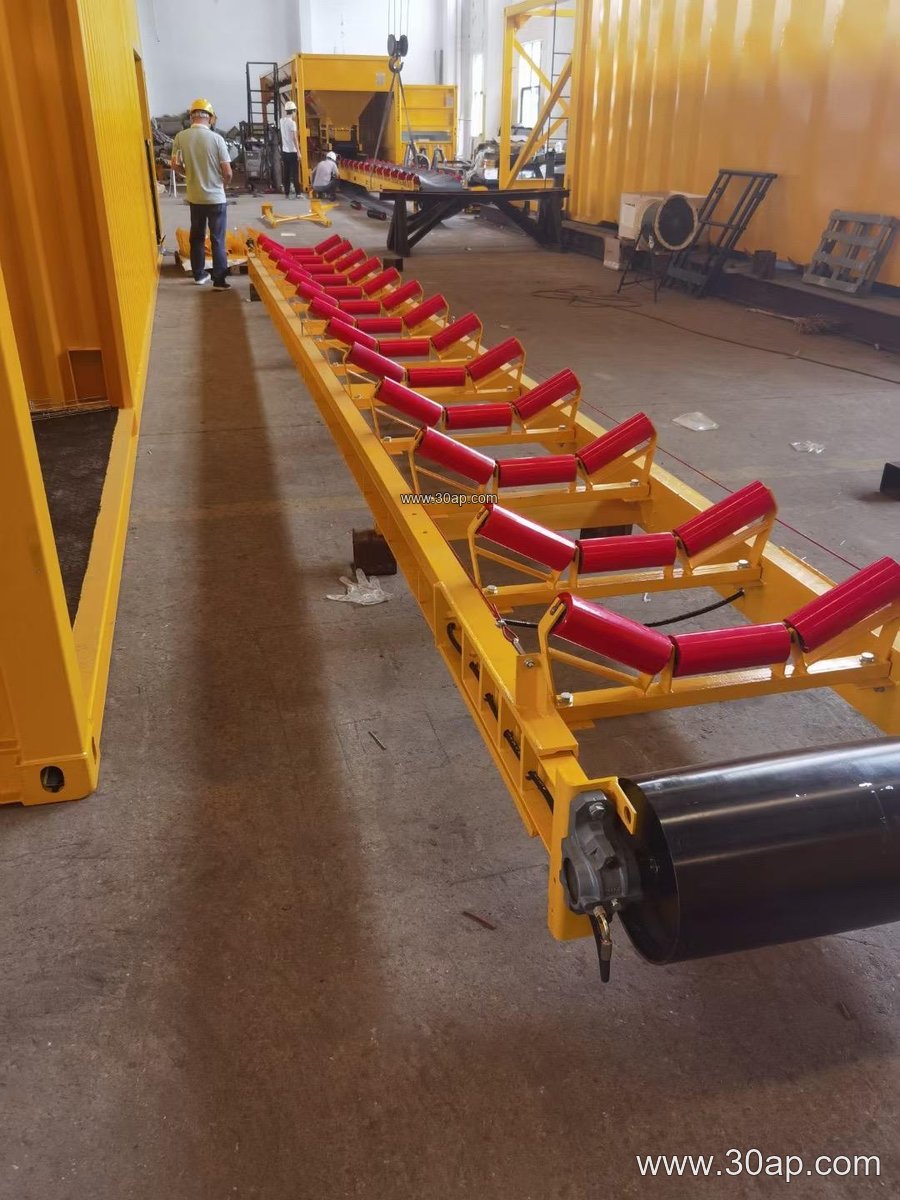
Most fixed brackets are fabricated from angle steel, channel steel, or folded steel plate. The frame is welded or bolted into a cross-beam shape with mounting slots for the roller shafts. Common arrangements include trough brackets for the carrying side, return brackets for the empty strand, and impact brackets placed under loading points. A fixed bracket may also be supplied as a V-return or flat-return design, depending on how the return strand is supported.
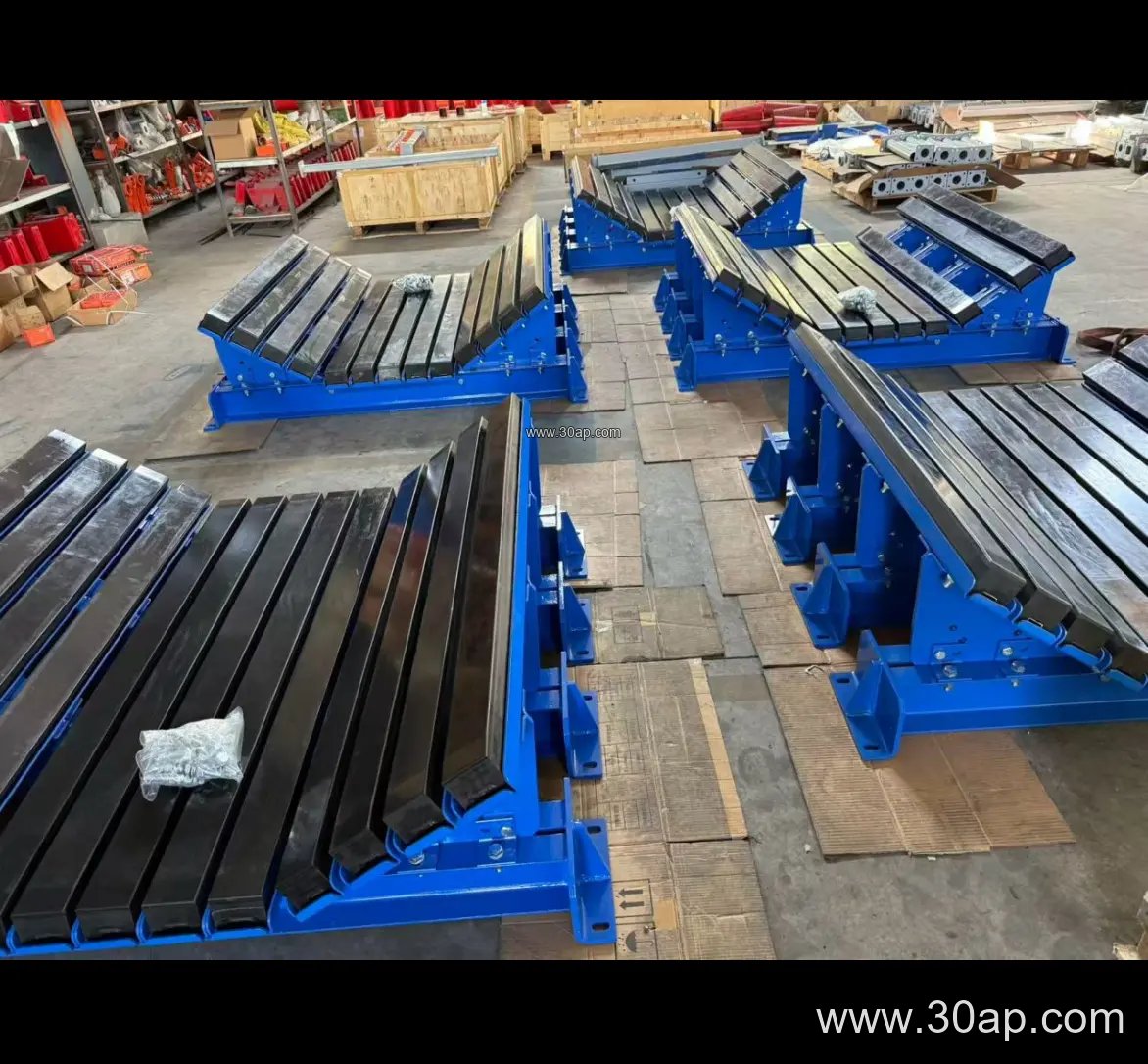
- Carrying-side trough bracket, usually 20°, 30°, 35°, or 45°
- Return bracket, flat or V-shaped, for the bottom strand
- Impact bracket with cushion rollers under the chute
- Transition bracket near the head and tail for smooth belt seating
Fabricators typically match the bracket to the belt width and roller diameter. A B800 frame with a 35° trough and Ø108 rollers is a common combination in aggregate plants, but it is not the only valid one. A B1200 line running a 45° trough with Ø133 rollers may suit a higher-capacity ore conveyor, while a small B650 unit may use 30° and Ø89. The bracket drawing, hole spacing, and beam length should follow the actual conveyor design rather than a fixed rule.
Where Fixed Brackets Fit Best
Fixed brackets are the default choice on long, steady runs where the belt profile does not need to change. A limestone quarry conveyor, a cement plant clinker line, or a power plant coal handling system usually specifies fixed trough brackets along the main span. The geometry stays constant, so there is less to adjust and fewer parts to loosen.
Adjustable brackets are more useful at transfer points or where belt training is difficult. A fixed bracket is not a replacement for a self-aligning idler set, and a trough bracket is not a substitute for a return bracket. Each position on the conveyor has its own job. On a coal mining conveyor belt or an underground mining conveyor, fixed brackets are often paired with flame retardant conveyor belt and anti-static conveyor belt to keep the whole system consistent.
Selection Points for Buyers
Before ordering, confirm the belt width, the roller diameter, the trough angle, and the mounting hole pattern. Also check the material of the frame and the surface treatment, since a wet washing plant and a dry cement kiln area place different demands on the steel. The table below shows typical reference combinations, not universal specifications.
| Belt Width | Trough Angle | Roller Diameter | Typical Use |
|---|---|---|---|
| B500 | 20°–30° | Ø89 | Small aggregate or sand line |
| B650 | 30° | Ø89 | Crushing and screening plant |
| B800 | 35° | Ø108 | Quarry and cement plant |
| B1000 | 35°–45° | Ø108–Ø133 | Power plant coal handling |
| B1200 | 45° | Ø133 | Iron ore and heavy bulk |
| B1400 | 35°–45° | Ø133–Ø159 | Port and ship loading |
| B1600 | 35°–45° | Ø159 | Large mining conveyor |
| B1800–B2000 | 35°–45° | Ø159–Ø194 | High-capacity bulk transport |
Ask for the bracket drawing with hole centers and beam length, because these dimensions change with belt width and trough angle. A supplier who can confirm the roller shaft size and the frame height will save installation time. For abrasive duties such as iron ore or copper ore, a heavier folded plate bracket is often worth the extra steel. For food or grain handling, a clean, painted or galvanized finish matters more than thickness.
Installation and Maintenance Notes
Mount fixed brackets square to the conveyor centerline and at the same height across the frame. A bracket that sits a few millimeters high will lift the belt edge and start a tracking problem. Check bolt torque after the first week of running, then at routine shutdowns. Inspect for bent flanges, cracked welds, and worn mounting slots, especially on impact brackets under a crusher discharge.
Keep the bracket matched to the belt it carries. A heat resistant conveyor belt in a sinter plant and an oil resistant conveyor belt in a recycling line both need brackets that stay straight under temperature or chemical exposure. The fixed conveyor bracket is a small part, but it is the reference point that keeps the idler roller, the belt, and the pulley working as one system.