What a Parallel Idler Is and Where It Sits
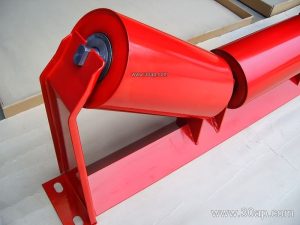
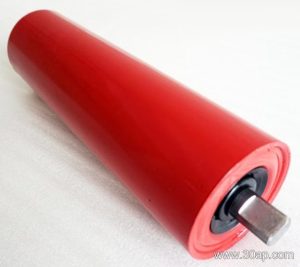
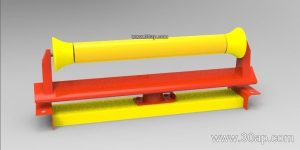
A parallel idler is a straight, cylindrical roller mounted with its axis parallel to the belt surface rather than angled into a trough. In a three-roll carrying set, the centre roll of a 20, 30, 35 or 45 degree trough is itself a parallel idler. The same roller form appears in two-roll and single-roll arrangements, in plain return runs, and in some transition positions where the belt is gradually opened out. The roller is not a drive, tail or bend pulley; those are separate assemblies that transmit or redirect belt tension, and a parallel idler only supports the belt and its load.
Because the axis stays horizontal and square to the frame, a parallel idler is a good reference point when discussing belt line geometry. A maintenance team in a limestone quarry or a coal handling plant may refer to “the flat roll” or “the centre roll” when they mean this component, and both terms describe the same part.
Construction and Typical Materials
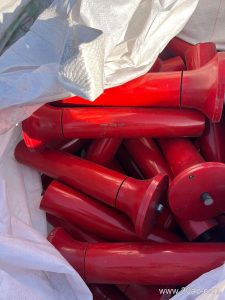
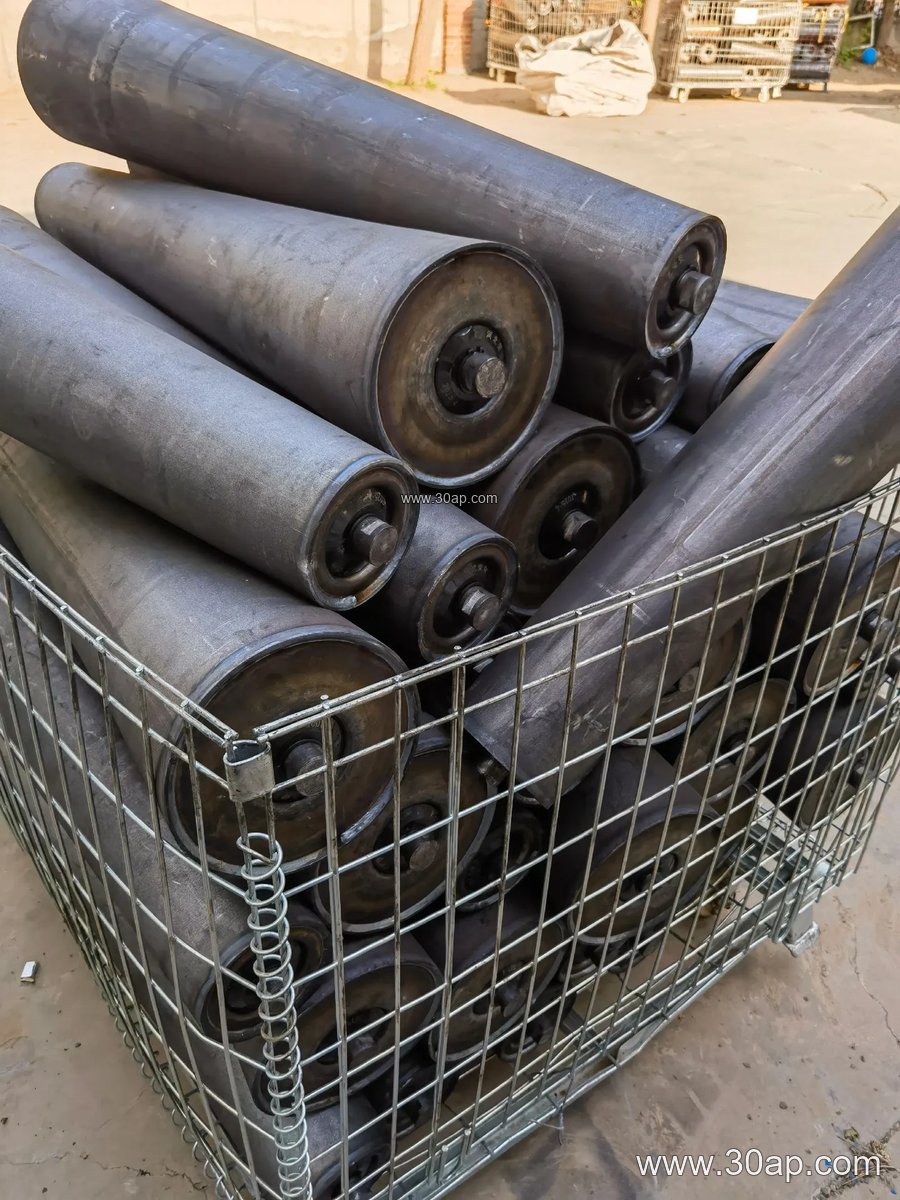
The shell is usually a steel tube, with nylon, ceramic or rubber rings offered where wear or build-up is a concern. End caps carry the bearing housing and a labyrinth or contact seal that keeps dust out and grease in. Common bearing sizes include 6204, 6205, 6305, 6306, 6308 and 6310, matched by the manufacturer to the load and shaft design rather than to belt width alone. Shell diameters in the reference range run from about Ø63 up to Ø219, with Ø89, Ø108, Ø127 and Ø159 often seen on medium and heavy conveyors.
Roller length is set by belt width, trough angle and the geometry of the set. For a three-roll trough, common examples include around 200 mm rolls on B500, 250 mm on B650, 315 mm on B800, 380 mm on B1000, 465 mm on B1200, 530 mm on B1400, 600 mm on B1600, 670 mm on B1800 and 750 mm on B2000. These are examples only; side rolls and centre rolls can differ, and a 1200mm Wide Conveyor Belt does not automatically dictate one roller length. A parallel idler in a return position may be longer than the centre roll of the same belt width.
Interaction with Belt and Load
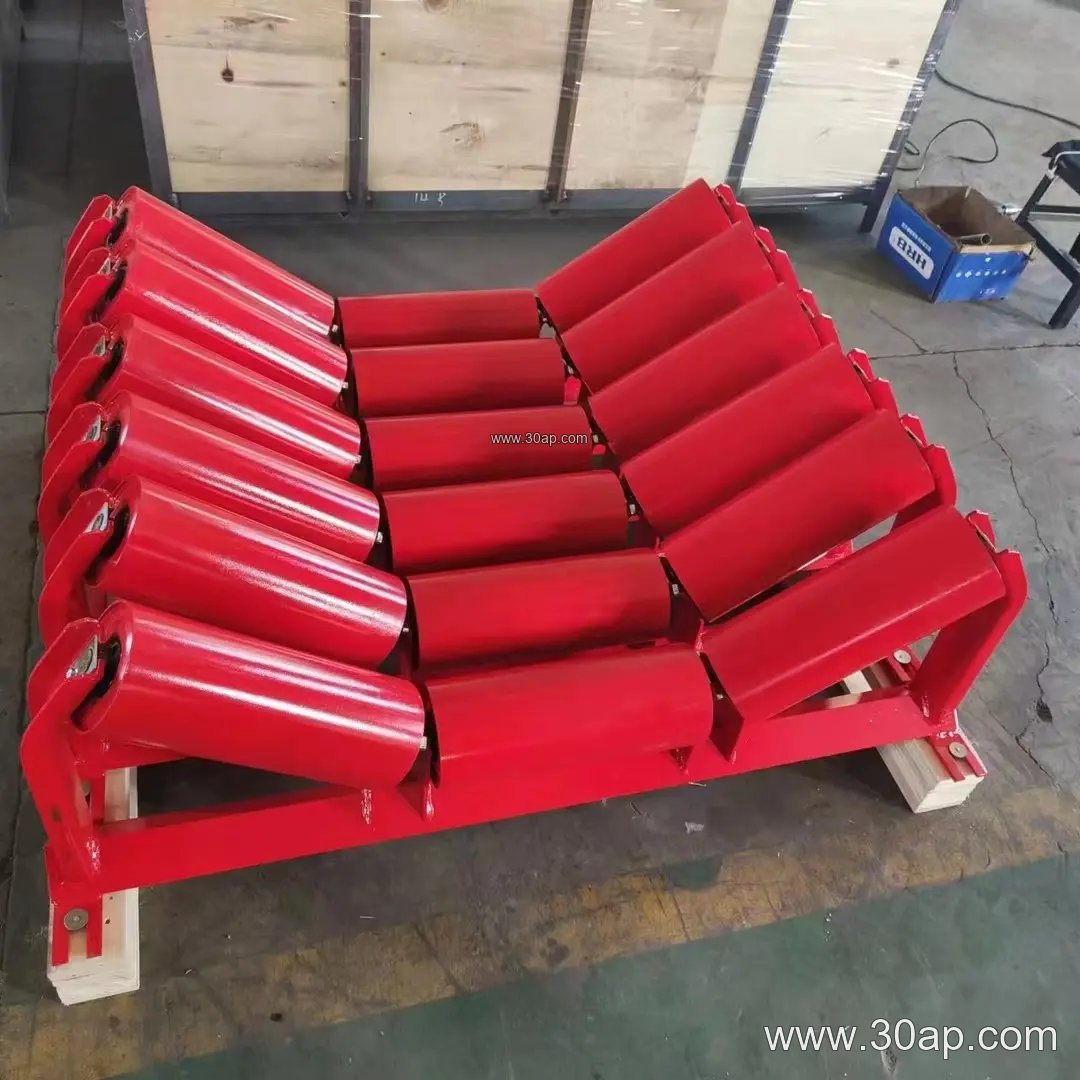
The job of a parallel idler is to keep the belt line steady without shaping the load. On a troughed carrying run, the centre roll supports the middle of a Fabric Core Conveyor Belt or Steel Cord Conveyor Belt while the angled side rolls contain the material. On the return side, flat rollers support the empty belt and help control sag between frames. Where a conveyor carries a Pipe Conveyor Belt or a Corrugated Sidewall Conveyor Belt, parallel rollers may appear in the transition zones where the belt changes shape, but the roller is not doing the shaping itself.
In a cement plant, a power plant coal yard or a sand and aggregate line, the parallel idler often takes a lower load than the side rolls of the same set, yet it is exposed to the same dust. Sealing quality and bearing clearance matter more than shell thickness in many of these positions. On a Heavy-Duty Mining Conveyor Belt carrying ore, the opposite can be true: shell wear and impact resistance dominate, and a thicker tube or rubber-covered surface may be specified.
Selection Notes for Buyers
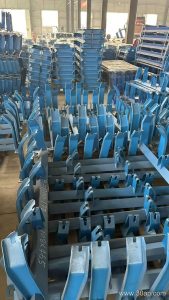
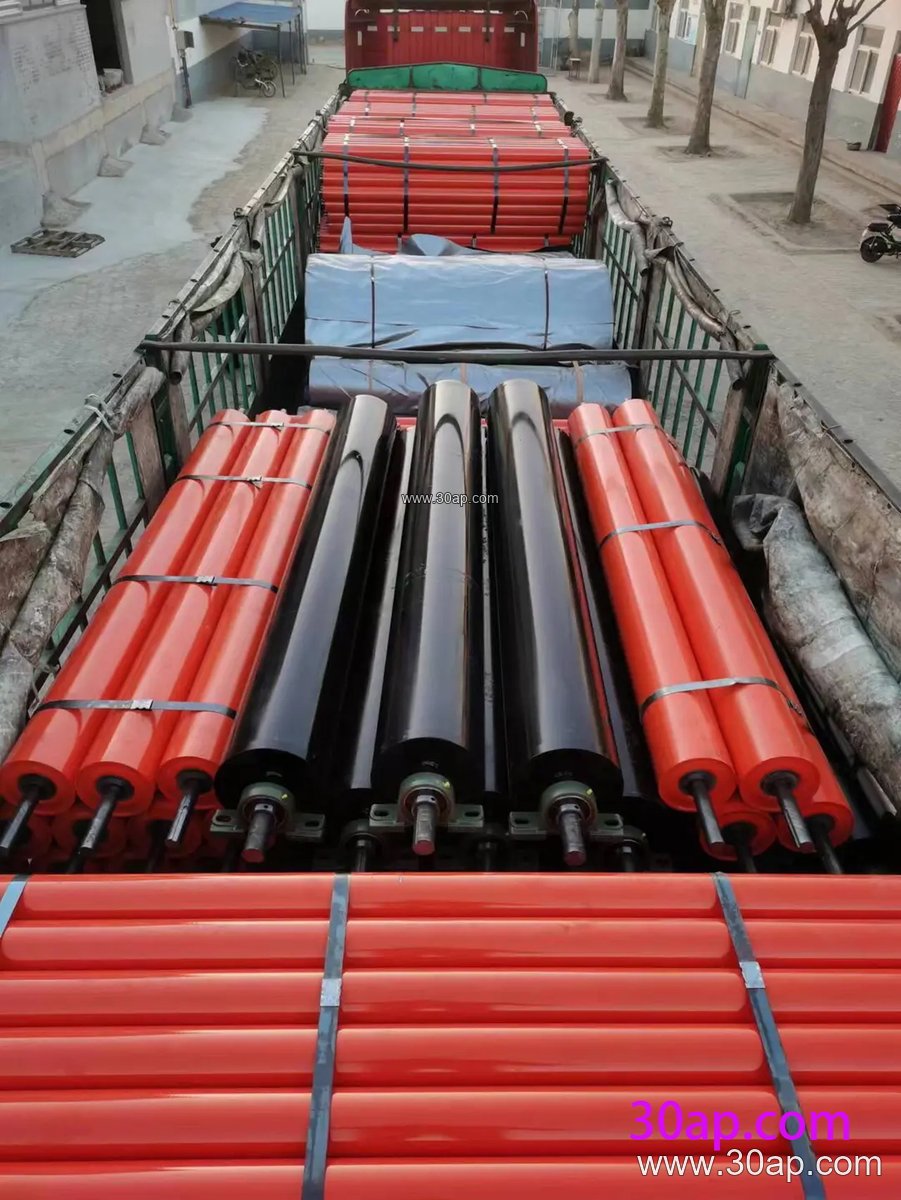
Buyers should confirm the mounting height and frame pitch before ordering, since a parallel idler from one bracket system may not sit at the correct height in another. It also helps to state the belt type and duty, because a Flame Retardant Conveyor Belt in an underground coal mine may call for a different roller finish than an Abrasion Resistant Conveyor Belt on a quarry face. The table below shows a few reference combinations; treat them as guidance, not as fixed rules.
- Frame type and bracket spacing
- Roller diameter and shell material
- Bearing size and seal class
- Belt width and trough angle of the set
Routine checks include free rotation, seal condition and any wobble at the bearing end. Replacing a single parallel idler is usually simple, but the whole set should be re-aligned afterwards so the belt does not track to one side. Spare rollers stored outdoors should be kept dry, and a light greasing of exposed bearing faces before fitting helps in dusty plants.
Where the Part Fits in the Whole Conveyor
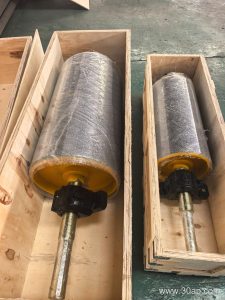
It is easy to focus on the headline components, but a parallel idler works alongside the conveyor pulley, the conveyor bracket and the belt itself. A misaligned roller can wear a belt edge as surely as a worn pulley face, and a seized roller can mark a Rubber Conveyor Belt or an EP Conveyor Belt in a short time. In a stone crushing line, a quarry or a port transfer point, keeping these straight rollers turning is a low-cost way to protect the belt. For matching idler roller, conveyor pulley and belt enquiries, buyers are welcome to visit our site at www.beltconveyorspare.com for parallel idler and roller references, or www.beltconveyorspare.com for conveyor belt data.