What a Conveyor Idler Frame Does on the Line
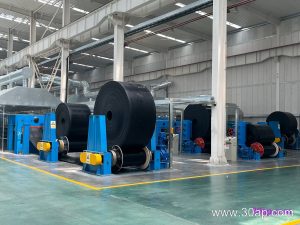
A conveyor idler frame is the stationary structure that holds the idler rollers in the correct position under and along the conveyor belt. It carries the load of the belt and the material, keeps the trough shape consistent, and transfers the resulting forces into the conveyor stringer or support structure. In a quarry, a coal handling plant, or a cement plant, the frame is easy to overlook, yet it decides how evenly the belt runs and how long the rollers last.
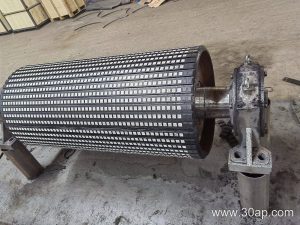
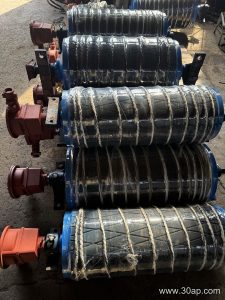
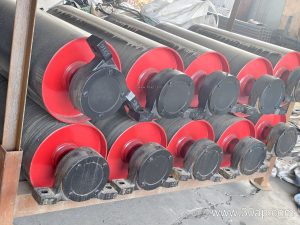
The frame is not a pulley. A conveyor pulley drives, returns, or bends the belt at the ends and at curves, while the idler frame supports the belt along the carrying and return runs. The two work together but are never interchangeable, and neither are the different frame types among themselves.
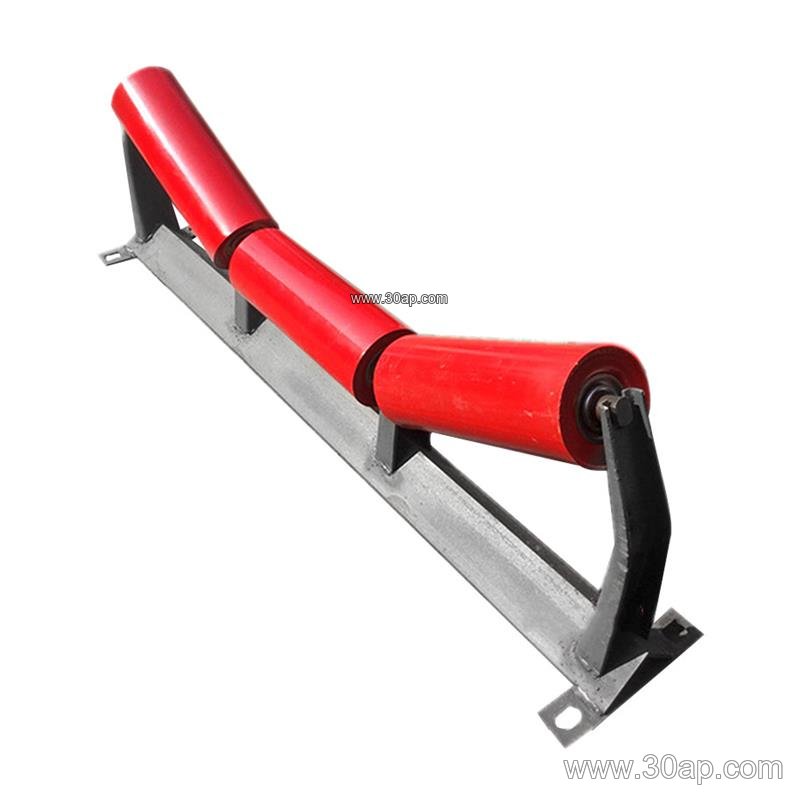
How the Frame Is Built
Most frames are fabricated from angle steel, channel steel, or folded steel plate. The crossbeam length and mounting hole spacing follow the belt width, trough angle, and roller diameter, so they are fixed by design rather than by a single universal number. A typical carrying frame holds three rollers at a trough angle, while a return frame may hold a single flat roller or a pair arranged in a V shape.
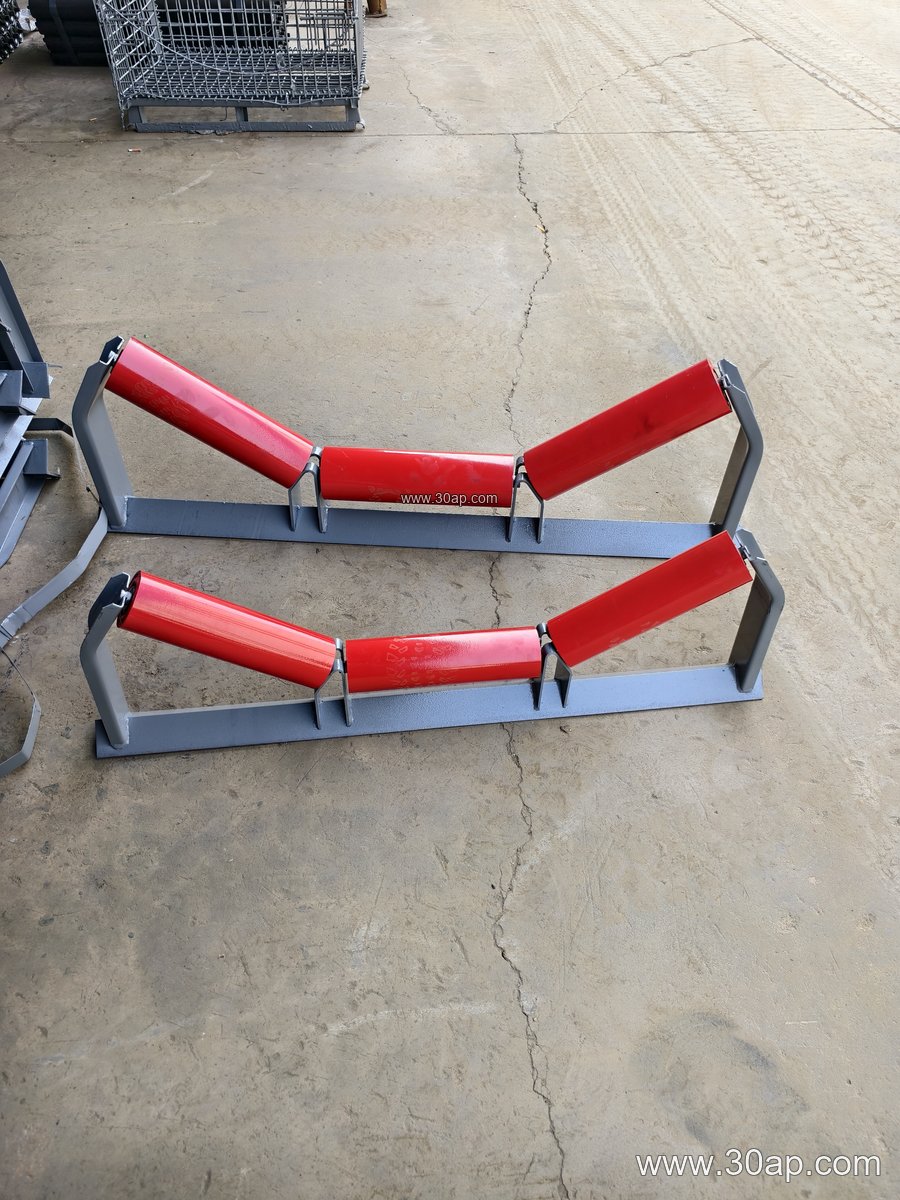
Surface treatment matters in wet or dusty service. Frames are commonly painted or galvanized, and the choice should match the environment rather than a default habit.
Common Frame Types and Where They Fit
- Trough carrying frame supports the loaded side of the belt at 20, 30, 35, or 45 degrees.
- Transition frame eases the belt from flat at the pulley into the full trough profile.
- Return frame carries the empty side, often with a flat roller or a V-shaped pair.
- Impact frame sits below the loading point and holds cushion rollers.
- Self-aligning frame corrects minor belt drift on long runs.
- Adjustable frame allows the trough angle to be changed within a range.
- Suspended frame hangs from the structure where floor space is limited.
Fixed and adjustable versions differ mainly in flexibility. A fixed frame is simple and rigid, while an adjustable one helps when the belt profile needs tuning after installation.
Matching Frame, Belt, and Roller
Selection starts with the belt width and the material being carried. A heavy-duty mining conveyor belt or an abrasion resistant conveyor belt used for iron ore demands a sturdier frame and larger rollers than a light aggregate line. Typical combinations include B800 with a 35 degree trough and Ø108 rollers, or B1200 with 45 degrees and Ø133 rollers. These are examples, not rules; B650 with 30 degrees and Ø89 rollers also appears in smaller installations.
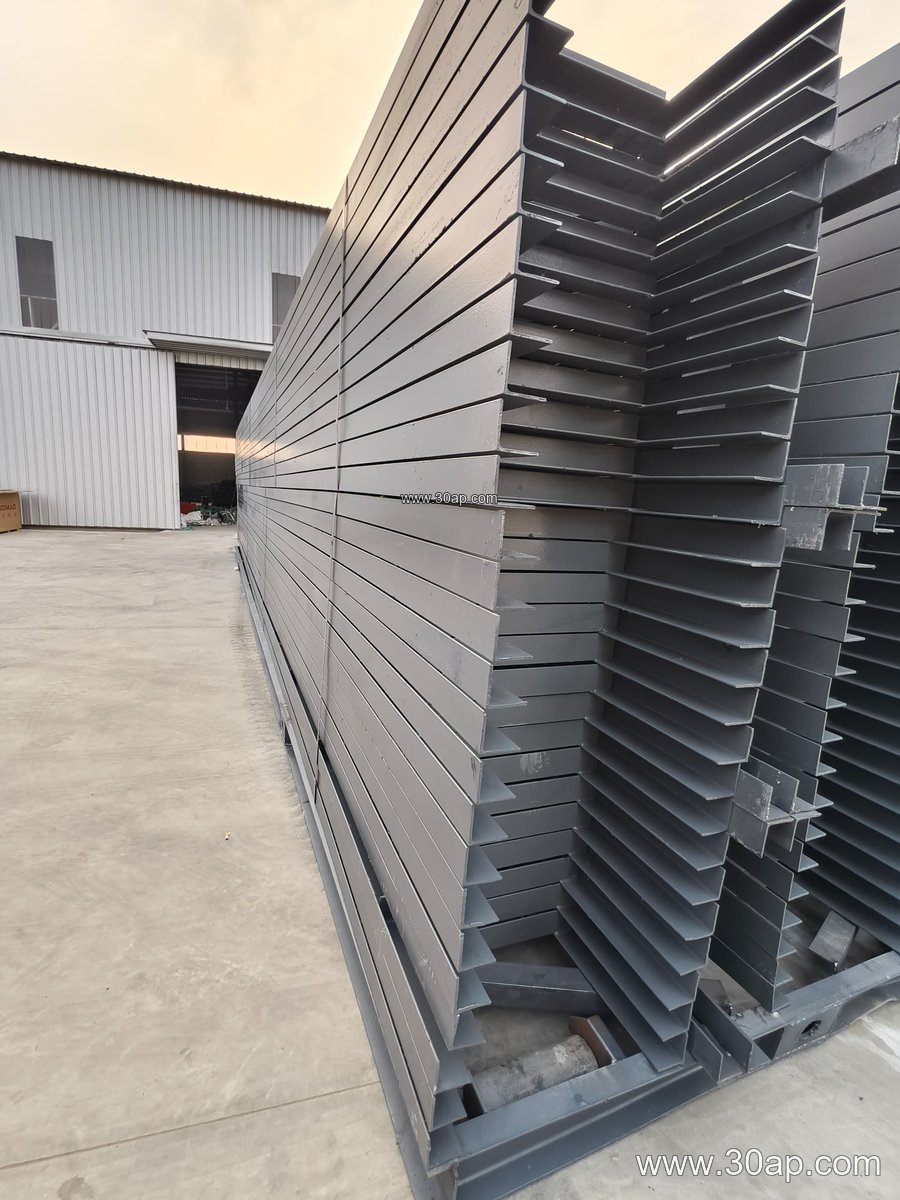
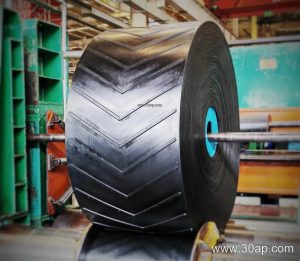
The belt type influences the frame only indirectly. A steel cord conveyor belt, an EP conveyor belt, or a flame retardant conveyor belt for underground coal mining all need correct roller spacing and trough angle, but the frame itself stays a support structure. Where a corrugated sidewall belt or a chevron belt is used, check that the frame and rollers do not interfere with the cleats or sidewalls.
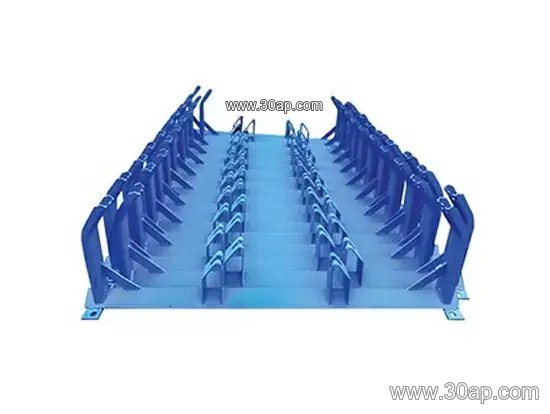
| Frame Type | Common Belt Width | Trough Angle | Roller Diameter |
|---|---|---|---|
| Trough carrying | B500 to B2200 | 20 to 45 degrees | Ø89 to Ø194 |
| Transition | B650 to B1800 | 20 to 35 degrees | Ø89 to Ø159 |
| Return / V-return | B500 to B2000 | Flat or V | Ø89 to Ø159 |
| Impact | B800 to B2000 | 20 to 45 degrees | Ø108 to Ø194 |
Values above are reference ranges; final dimensions are confirmed by design.
Installation and Maintenance Notes
Align frames square to the belt centerline and keep the mounting height consistent along the run. A frame sitting slightly high or twisted will show up as belt wander and uneven roller wear. Inspect for loose bolts, bent crossbeams, and corrosion, especially in wash-down areas or near crusher discharge points. Replacing a damaged frame before it distorts the belt is far cheaper than replacing the belt itself.
For buyers, confirm belt width, trough angle, roller diameter, material, and surface finish before ordering. Ask for the mounting hole spacing and crossbeam length for the specific design, since these change with belt width and trough angle. A frame that fits the conveyor structure and the roller set will keep the belt tracking well in a sand and gravel plant, a power plant coal yard, or a fertilizer warehouse alike.