What a Self-Centering Idler Does on a Conveyor
A self-centering idler is a carrying or return roller assembly designed to correct belt drift before it becomes a problem. When a conveyor belt starts to wander toward one side of the frame, the angled rollers in this assembly steer it back toward the center line. In pits, preparation plants and transfer towers, that small correction protects the belt edge, reduces spillage and keeps material moving without constant manual adjustment. The same component is often called a training idler or self-aligning idler, and those names describe the same product.
Tracking matters most where belts are long, where loading is uneven, or where structures settle over time. A drifting belt can rub against the frame, fray at the edges and throw fines onto the walkway. Fitting a self-centering idler at selected points gives maintenance crews a passive way to hold the belt in position between inspections.
How the Assembly Is Built
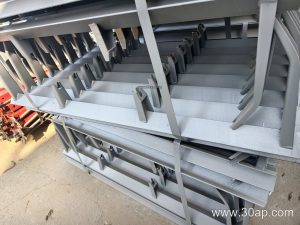
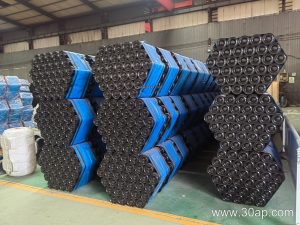
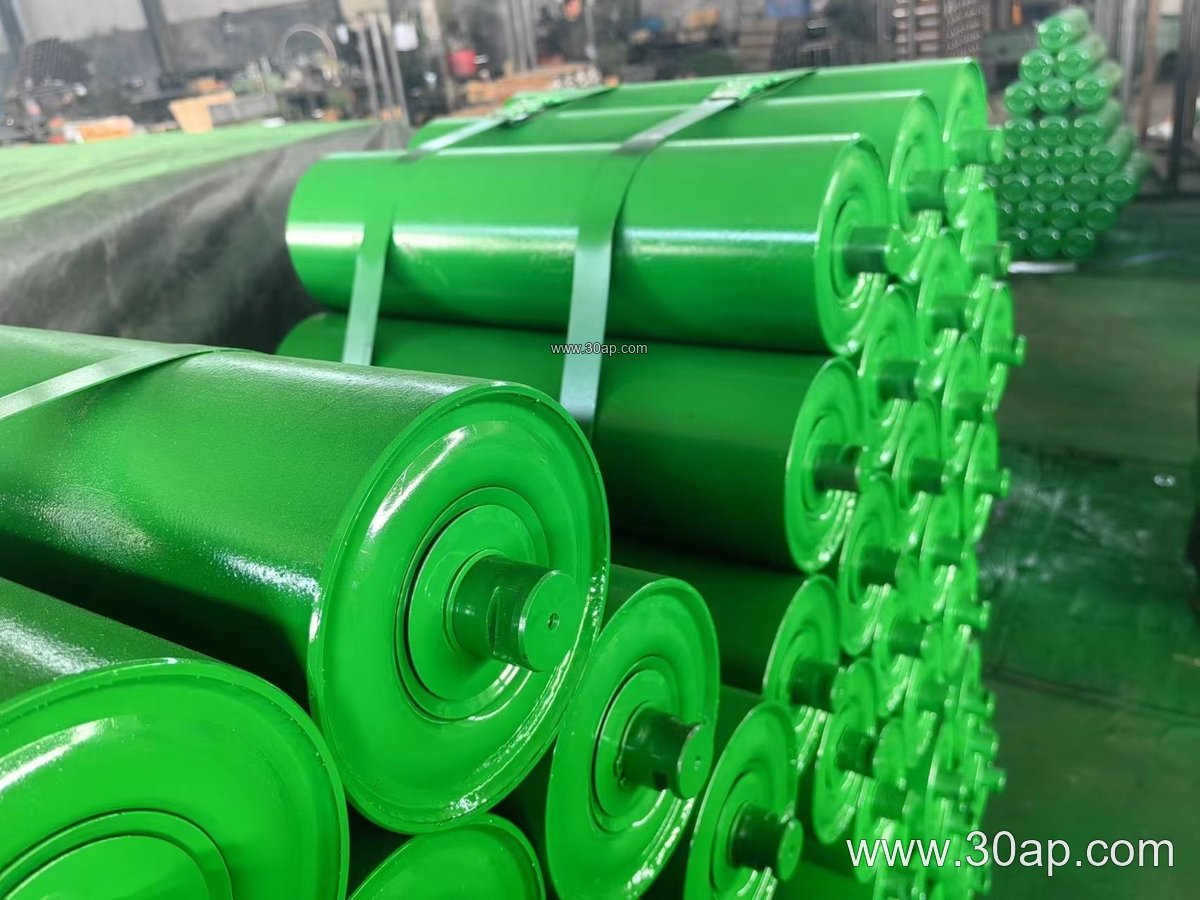
Most designs use two or three rollers mounted on a pivoting frame. The frame sits on a vertical pivot, so when an off-center belt presses against a roller, the whole assembly swings slightly and applies a sideways force that pushes the belt back. Common constructions include friction training idlers, which rely on the contact between belt and roller to trigger movement, and conical training idlers, where tapered roller ends create a natural return force.
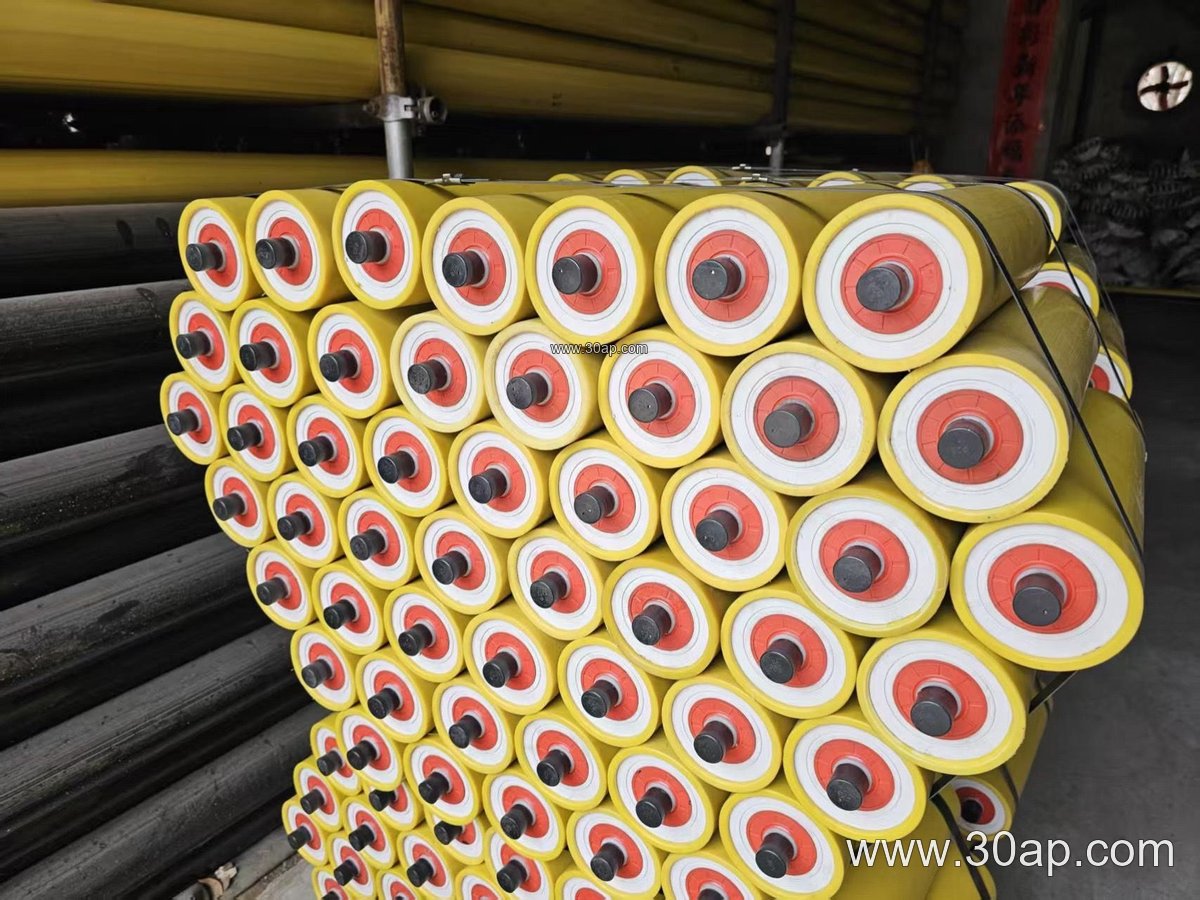
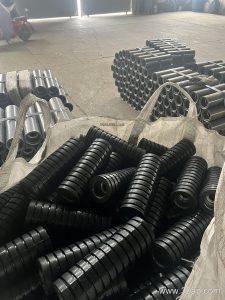
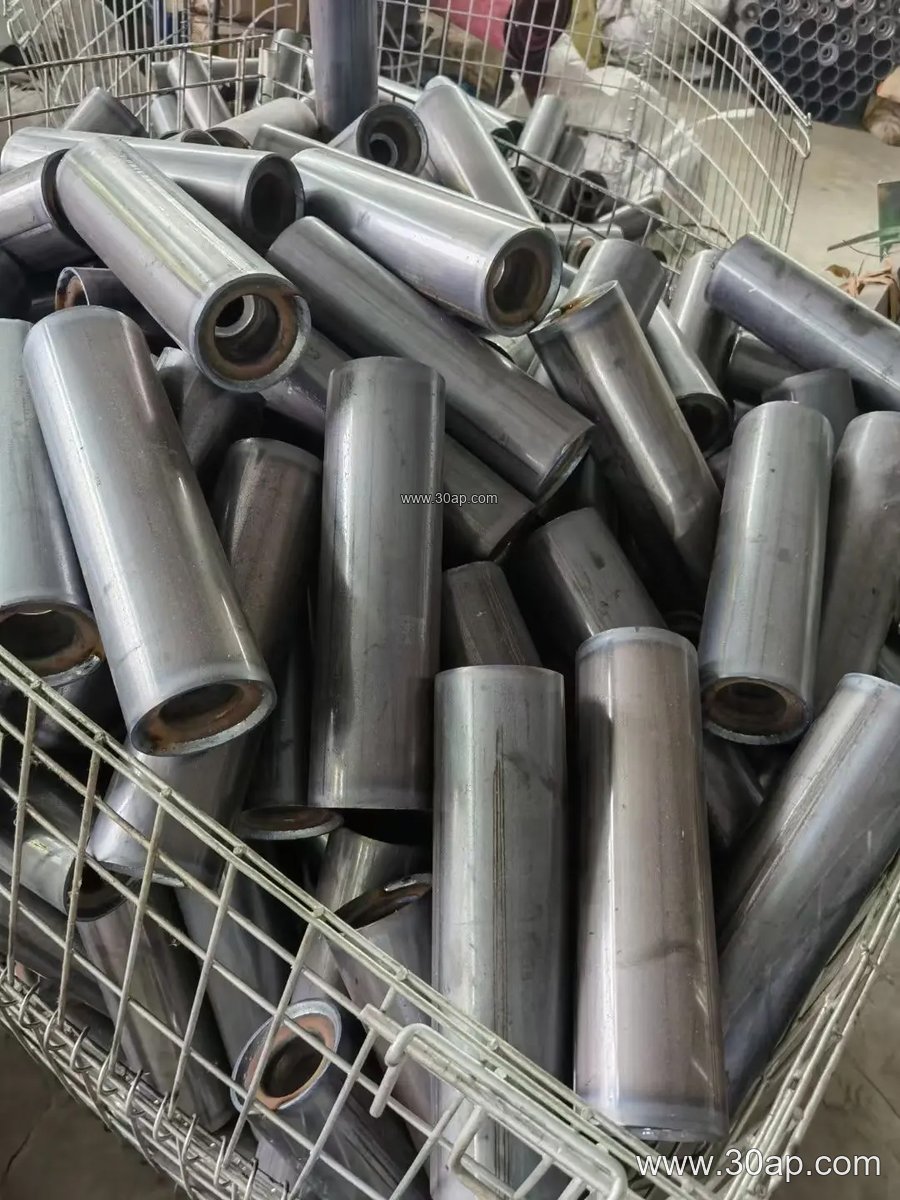
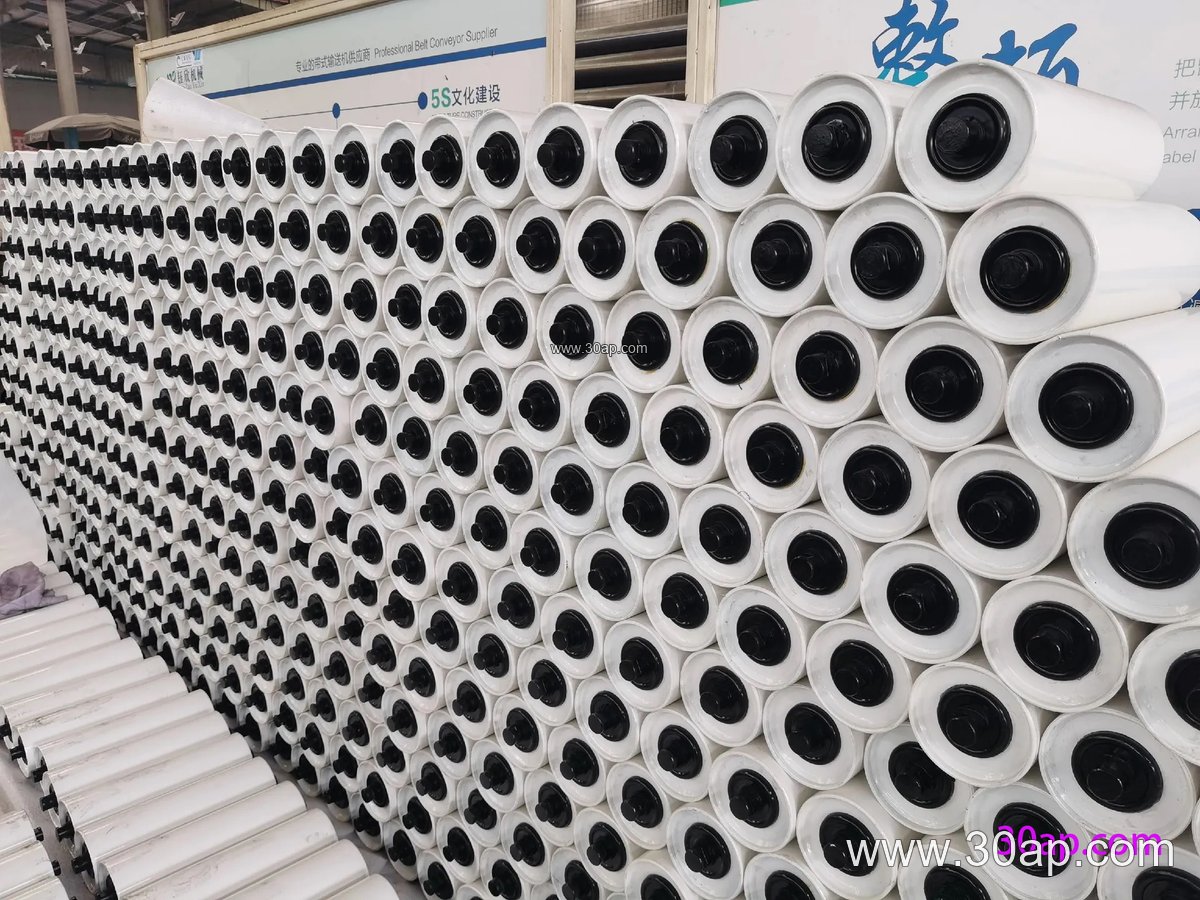
- Roller shell in steel tube, nylon, ceramic or rubber-covered form
- Bearing sizes such as 6204, 6205, 6305, 6306, 6308 or 6310, matched to load and speed by the designer
- Pivot base, stop lugs and a sturdy bracket that bolts to the conveyor frame
- Seals and grease retention suited to dusty or wet conditions
Roller diameter is usually chosen from the range Ø63, Ø76, Ø89, Ø102, Ø108, Ø127, Ø133, Ø159, Ø178, Ø194 or Ø219 mm, depending on belt width and load. Trough angle commonly runs at 20, 30, 35 or 45 degrees; a small forward lean of about 1.5 to 2 degrees is sometimes used to assist training. The roller length follows belt width, trough angle and frame type, so a B800 belt may use roughly 315 mm rollers in a three-roll trough set while a B1200 arrangement is longer. These are typical examples, not fixed pairings.
Where It Fits in the Plant
Self-centering idlers are widely used in limestone quarries and aggregate lines, where belt loading shifts as crusher feed changes. They also appear in coal preparation plants, cement plants, power station coal yards, iron ore and copper ore handling, port shiploading systems, and tunnel spoil removal. A self-centering idler may be placed after the loading point, before a transfer chute or along a long straight run where drift is likely.
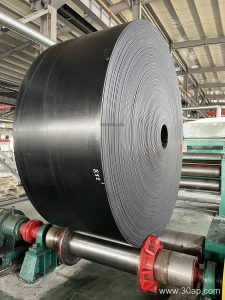
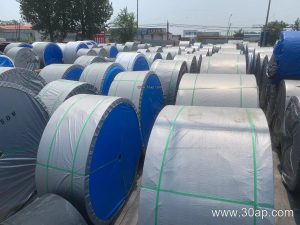
The belt itself affects tracking. A heavy-duty mining conveyor belt with a strong fabric core behaves differently from a stiff steel cord conveyor belt, and a chevron conveyor belt or corrugated sidewall conveyor belt may need more careful placement because of its profile. Heat resistant conveyor belt, oil resistant conveyor belt and flame retardant conveyor belt grades are selected for the environment rather than for tracking, but the idler still has to suit the belt surface and load. For abrasive duties such as iron ore or quarry rock, an abrasion resistant conveyor belt paired with rubber-covered rollers can reduce wear on both parts.
Selection Points for Buyers
Buyers should confirm belt width, trough angle, roller diameter, shaft and bearing arrangement, and the mounting height of the existing frame. Ask whether the unit is for the carrying side or the return side, and check that the pivot can move freely without hitting the structure. On a coal mining conveyor belt or an underground mining conveyor belt, flame retardant and anti-static properties of rollers and belt are often specified together. In a cement plant or power plant, dust ingress and grease life deserve attention.
Installation height and alignment decide much of the performance. A self-centering idler mounted on a twisted or uneven bracket will struggle to correct anything. Square the frame, keep the roller axis perpendicular to belt travel, and leave clearance for the pivot swing. During maintenance, check for seized bearings, worn roller shells and buildup that restricts movement. Replacing a damaged training roller with a plain idler removes the corrective action, so keep the correct assembly type on hand.
Specification Snapshot
| Item | Common options |
|---|---|
| Roller diameter | Ø63 to Ø219 mm, selected by design |
| Belt width | B400 to B2400 mm |
| Trough angle | 20, 30, 35 or 45 degrees |
| Roller surface | Steel, nylon, ceramic, rubber ring |
| Bearing | 6204, 6205, 6305, 6306, 6308, 6310 as applicable |
For a reliable result, match the self-centering idler to the actual belt, load and frame rather than to a catalogue page alone.