What a Single Drive Pulley Is
A single drive pulley is the one pulley in a belt conveyor that receives power from the motor and drives the belt forward. It is also called a head pulley or drive drum in many plants. The term “single” refers to the drive arrangement: only this one pulley is powered, as opposed to a dual-drive system. It is not the same as a tail pulley, bend pulley, or tension pulley, which serve different roles and are not interchangeable with the drive pulley.
In a typical conveyor, the single drive pulley sits at the discharge end. The conveyor belt wraps around it, and friction between the pulley surface and the belt cover transmits the driving force. In gravel pits, cement plants, and power station coal yards, this pulley is often the largest and most heavily loaded component in the drive station.
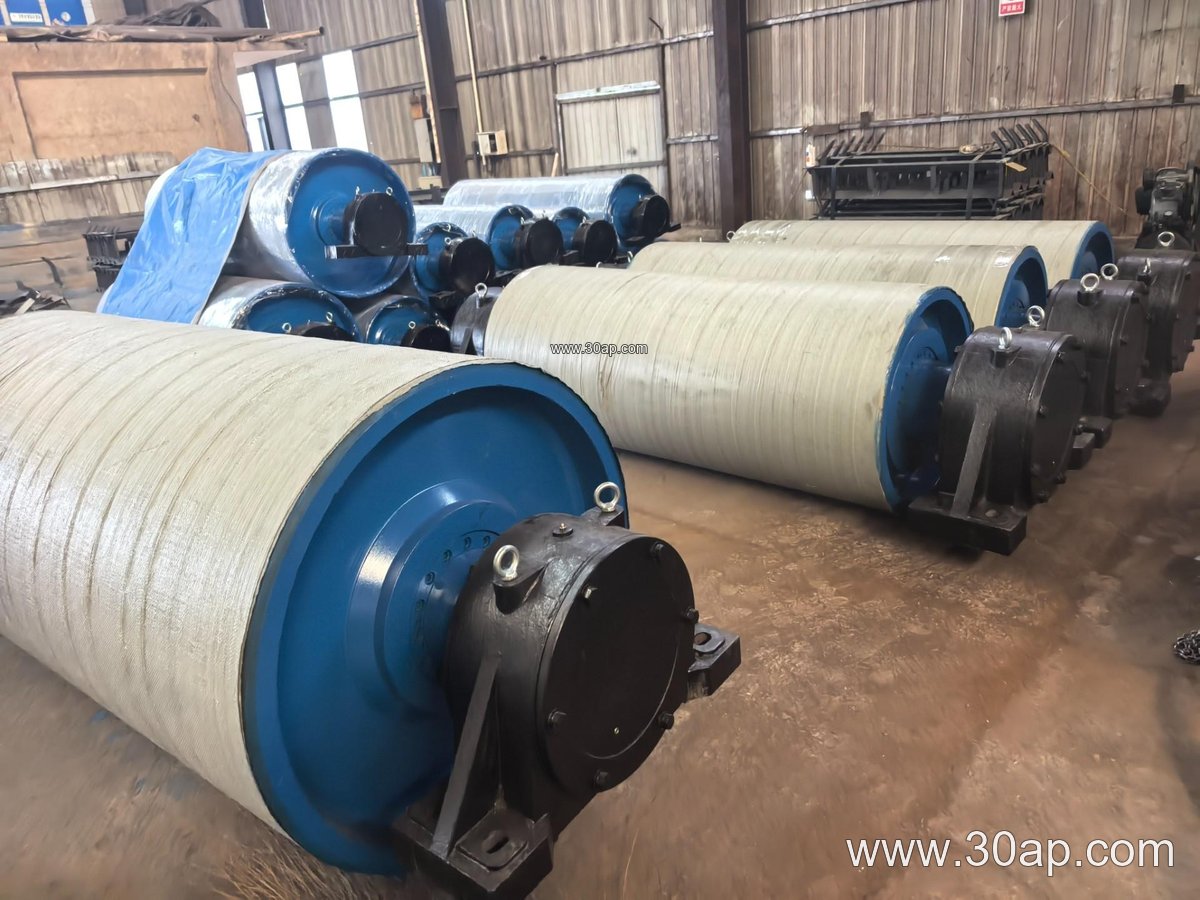
Construction and Surface Options
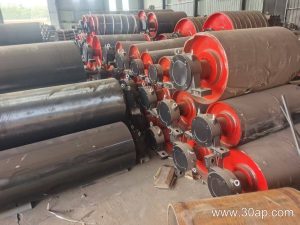
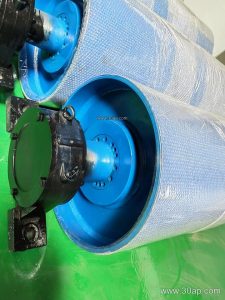
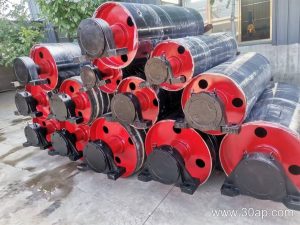
Most single drive pulleys are built from a steel drum with a shaft, hub, and bearing housings. The shell is usually machined and then covered with a lagging layer to improve grip. Common surface forms include plain, cast rubber, cold-bonded rubber, hot-vulcanized rubber, diamond lagging, herringbone lagging, and ceramic lagging. Lagging thickness often falls in the 8 mm to 20 mm range, depending on the duty and belt tension.
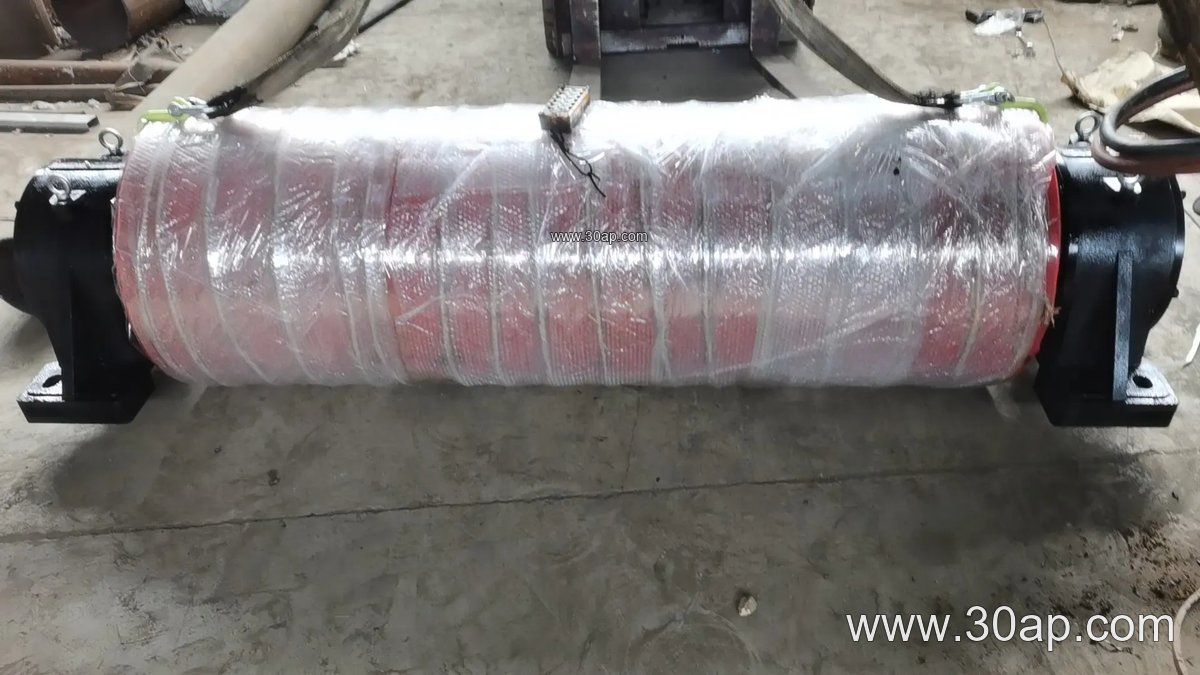
The table below shows typical reference combinations, but these are examples only. Final dimensions depend on torque, belt width, and load conditions.
| Belt Width (B) | Pulley Face Width (approx.) | Common Diameter Range |
|---|---|---|
| B650 | 750 mm | Ø315 – Ø500 |
| B800 | 950 mm | Ø400 – Ø630 |
| B1000 | 1150 mm | Ø500 – Ø800 |
| B1200 | 1400 mm | Ø630 – Ø1000 |
| B1400 | 1600 mm | Ø800 – Ø1250 |
Shaft diameter is not determined by belt width alone. It is calculated from torque and bending loads, and common shaft sizes range from Ø50 to Ø200 mm. A B1200 × Ø1000 pulley and a B800 × Ø500 pulley are both realistic, but neither is a fixed rule for every conveyor.
Where It Fits in the Conveyor
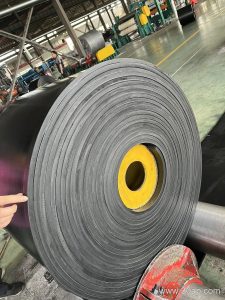
The single drive pulley is almost always installed at the head station, where the belt discharges material. In a quarry conveyor carrying crushed stone, it works together with the conveyor belt, idler rollers, and conveyor bracket to keep the line running. The tail pulley and bend pulleys only guide or tension the belt; they do not drive it. That distinction matters when ordering spares, because a drive pulley cannot be replaced by a tail pulley of the same diameter.
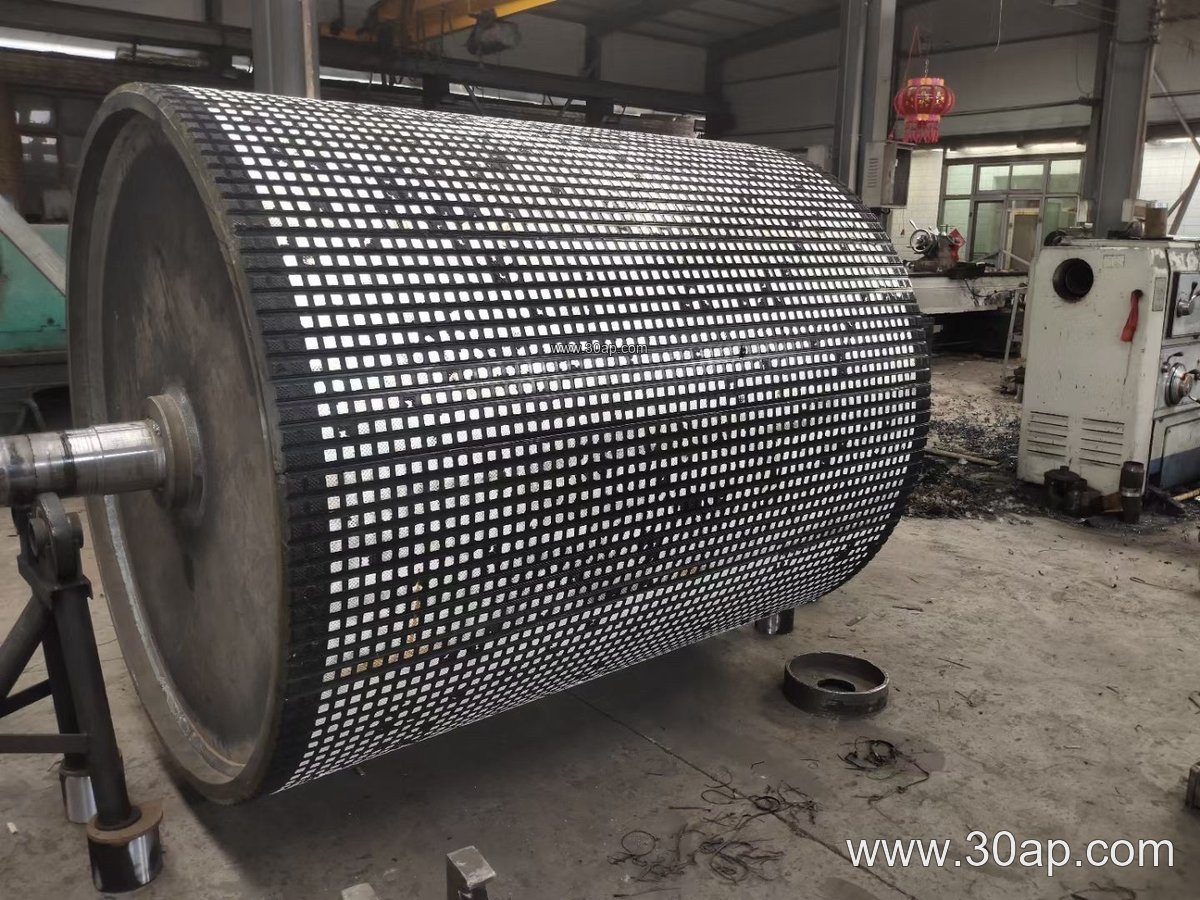
Drive pulleys also appear in underground coal mining conveyors, aggregate plants, and port bulk handling. In these settings, the belt may be a flame retardant conveyor belt or an abrasion resistant conveyor belt, and the pulley lagging must match the belt cover and the environment.
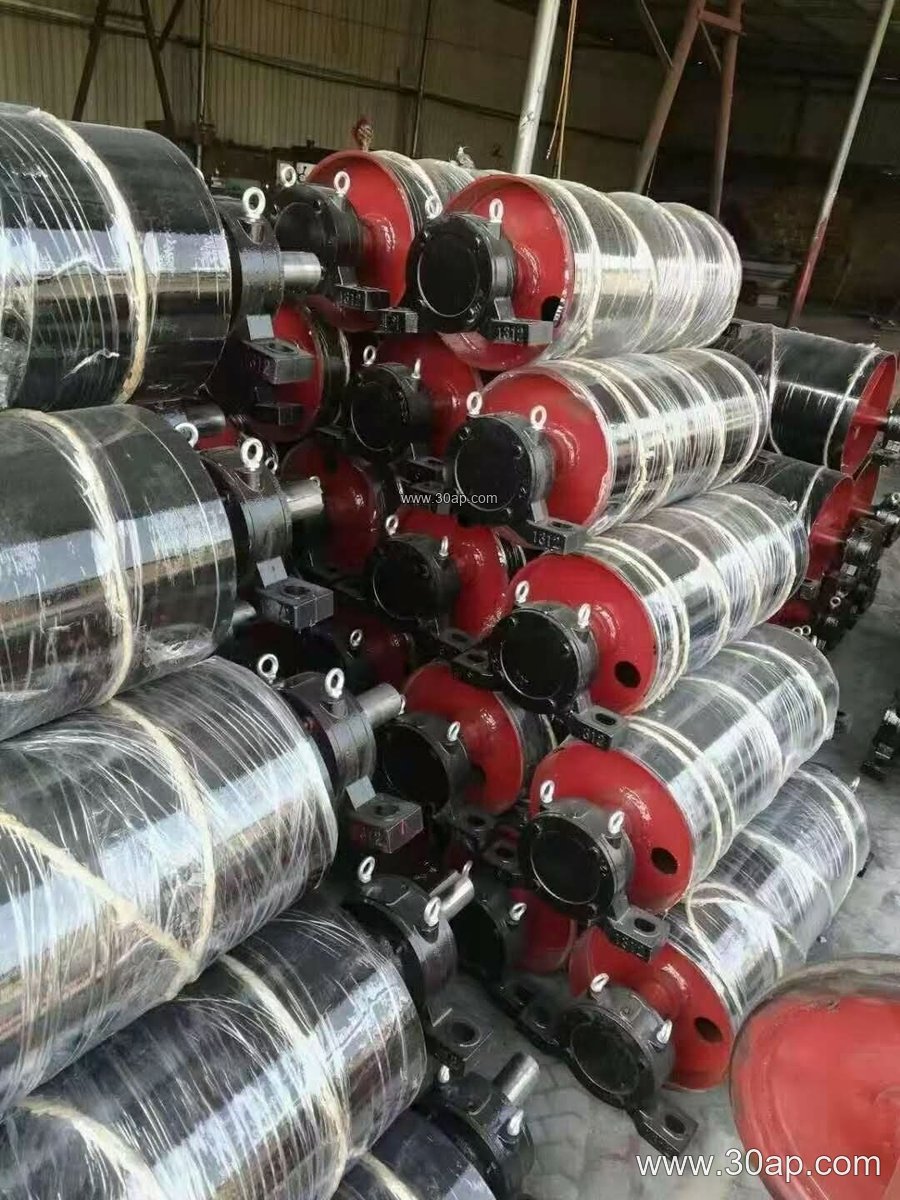
Buyer Checklist
- Confirm the belt width and the actual pulley face width, not just the nominal drum size.
- State the lagging type and thickness needed for grip and wear life.
- Provide the shaft diameter based on drive torque, not on belt width alone.
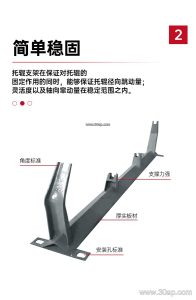
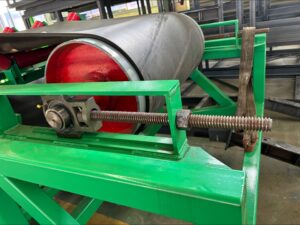
- Check bearing size and housing fit with the conveyor bracket.
- Match the pulley surface to the belt: ceramic or diamond lagging for high-tension drives, plain or rubber lagging for lighter duty.
For a coal mining conveyor belt or a heavy-duty mining conveyor belt, a single drive pulley with hot-vulcanized rubber lagging is often chosen to handle wet or dusty conditions. In a cement plant, a single drive pulley on a clinker line may need heat-resistant lagging if the belt carries warm material. Always confirm the design with the conveyor builder, since site conditions vary.
Maintenance Notes
Inspect lagging wear, check bolt tightness on the hub, and monitor bearing temperature. A worn single drive pulley can cause belt slip, which increases wear on the conveyor belt and idler roller. Keep the pulley surface clean and aligned with the belt path. When replacing lagging, use the same surface pattern and thickness to avoid changing the belt tracking.
For more information on conveyor pulleys, conveyor belts, and idler rollers, visit our site at www.example.com/conveyor-pulley. Whether you run a sand and gravel line or a power plant coal yard, selecting the right single drive pulley starts with accurate data on belt width, torque, and environment.