What a Belt Conveyor Pulley Does
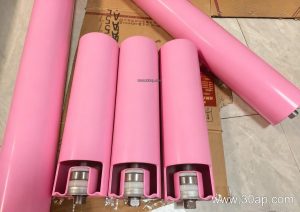
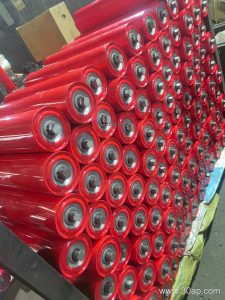
A belt conveyor pulley is the rotating drum that carries, drives, or redirects the conveyor belt at key points along a conveyor system. It transfers motion from the drive unit into the belt and keeps the belt tracking around the conveyor frame. In a typical installation, the pulley works together with the conveyor belt, idler roller, conveyor bracket, and supporting structure to move bulk materials efficiently. A well-matched conveyor pulley helps reduce belt slip, extend belt life, and keep the whole line running smoothly.
Construction and Surface Options
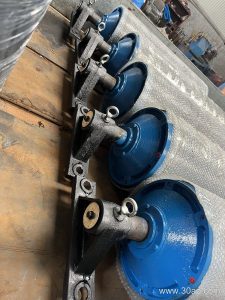
Most pulleys are built from a steel shell, end discs, a shaft, and bearing housings. The shell is often machined and covered with rubber or another lagging material to improve grip and protect the belt. Surface choices include plain, cast rubber, cold-bonded rubber, hot vulcanized rubber, diamond lagging, herringbone lagging, ceramic lagging, and flat rubber. Lagging thickness commonly ranges from 8 mm to 20 mm depending on duty and belt tension.
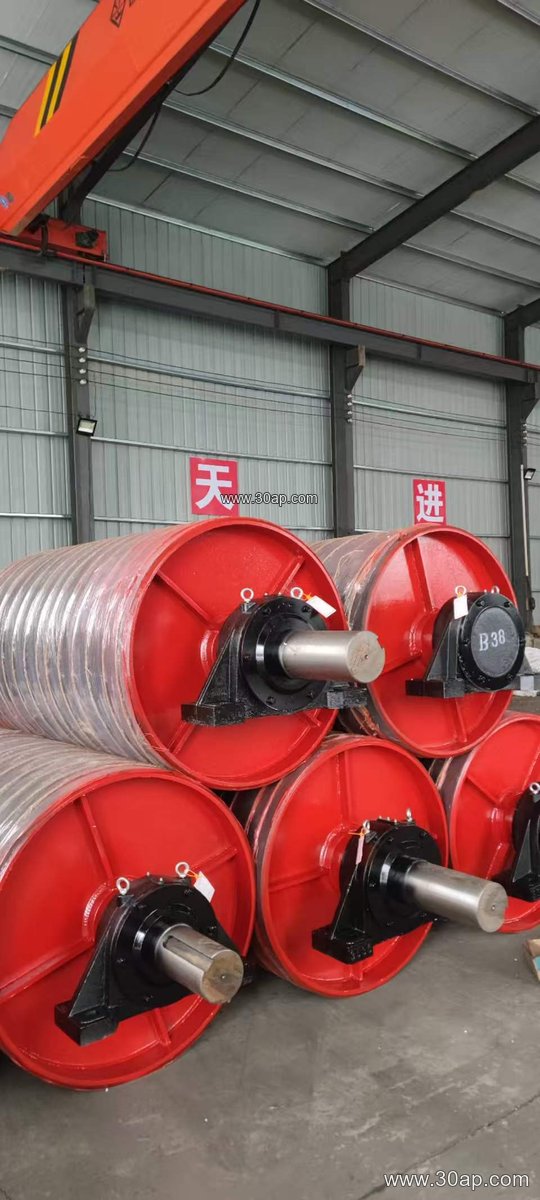
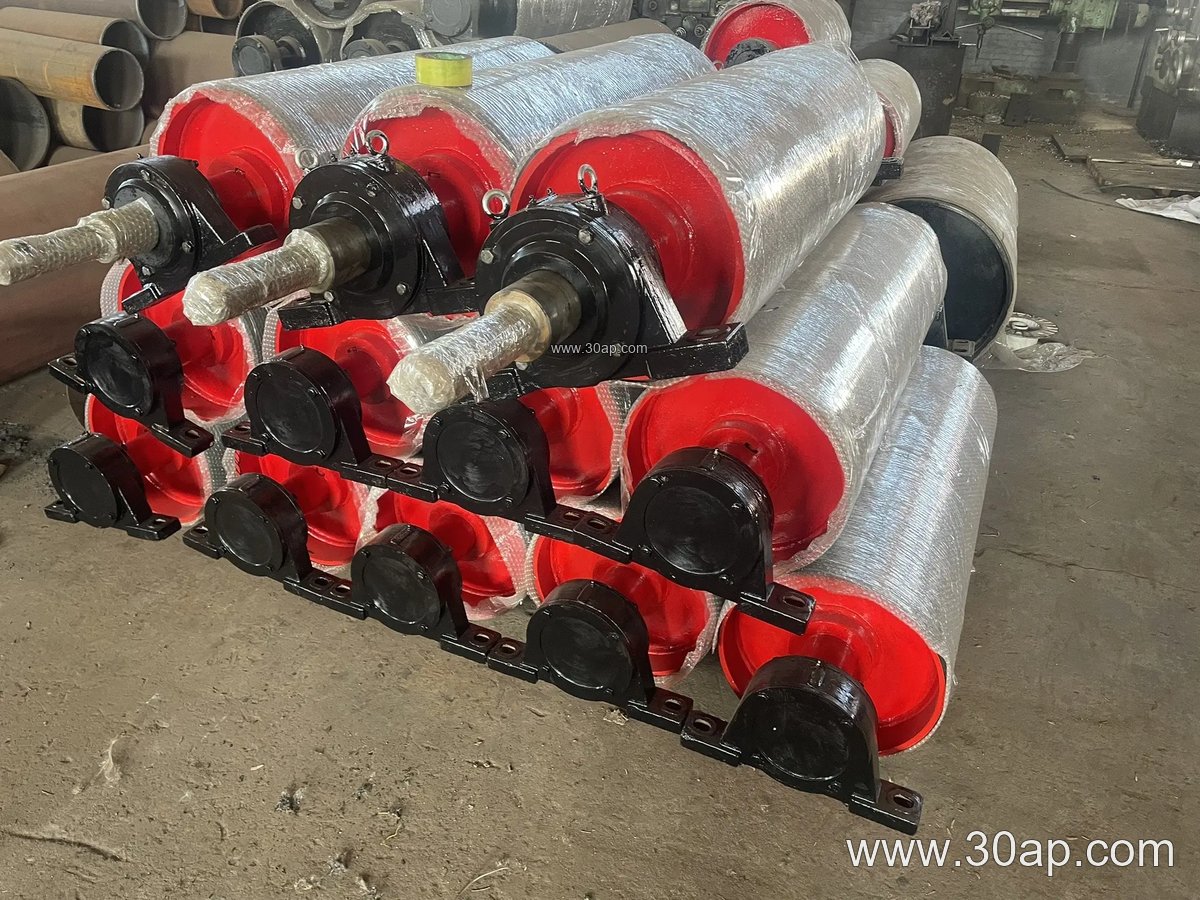
Common shell diameters include Ø200, Ø250, Ø315, Ø400, Ø500, Ø630, Ø800, Ø1000, Ø1250, and larger sizes for heavy-duty service. Shaft diameters are usually selected by torque and load, with common values such as Ø50, Ø60, Ø80, Ø100, Ø120, Ø140, Ø160, and Ø200. A pulley should never be chosen from belt width alone; the shaft, bearing, and lagging must be matched to the actual conveyor design.
Where Pulleys Are Used
In a quarry or aggregate line, a belt conveyor pulley at the head end discharges crushed stone onto a stockpile or screen. In a coal mining or power plant coal handling system, pulleys work with flame retardant conveyor belts and idler rollers to move fuel safely. Cement plants use pulleys on clinker and raw material lines, while ports rely on large pulleys for ship loading and bulk material transfer. The same component also appears in steel plants, fertilizer plants, and sand making plants.
Drive, Tail, and Bend Positions
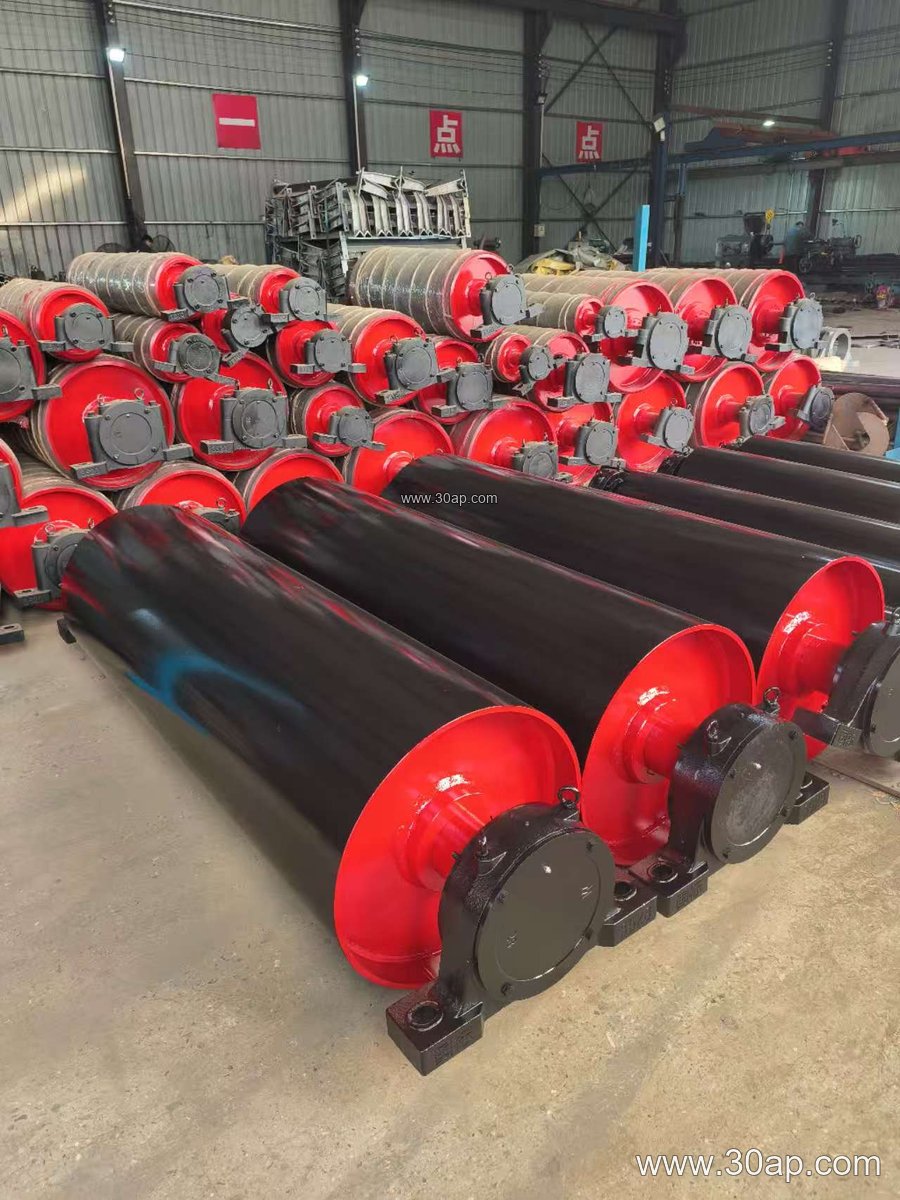
Position matters. A drive pulley, also called a head pulley, transmits power to the belt and is usually the largest and most heavily lagged drum in the system. A tail pulley at the loading end supports the return belt and helps maintain tension. A bend pulley changes belt direction without driving the belt, and a tension pulley takes up slack in the take-up system. These are different roles and should not be treated as interchangeable parts.
Matching the Pulley to the Belt
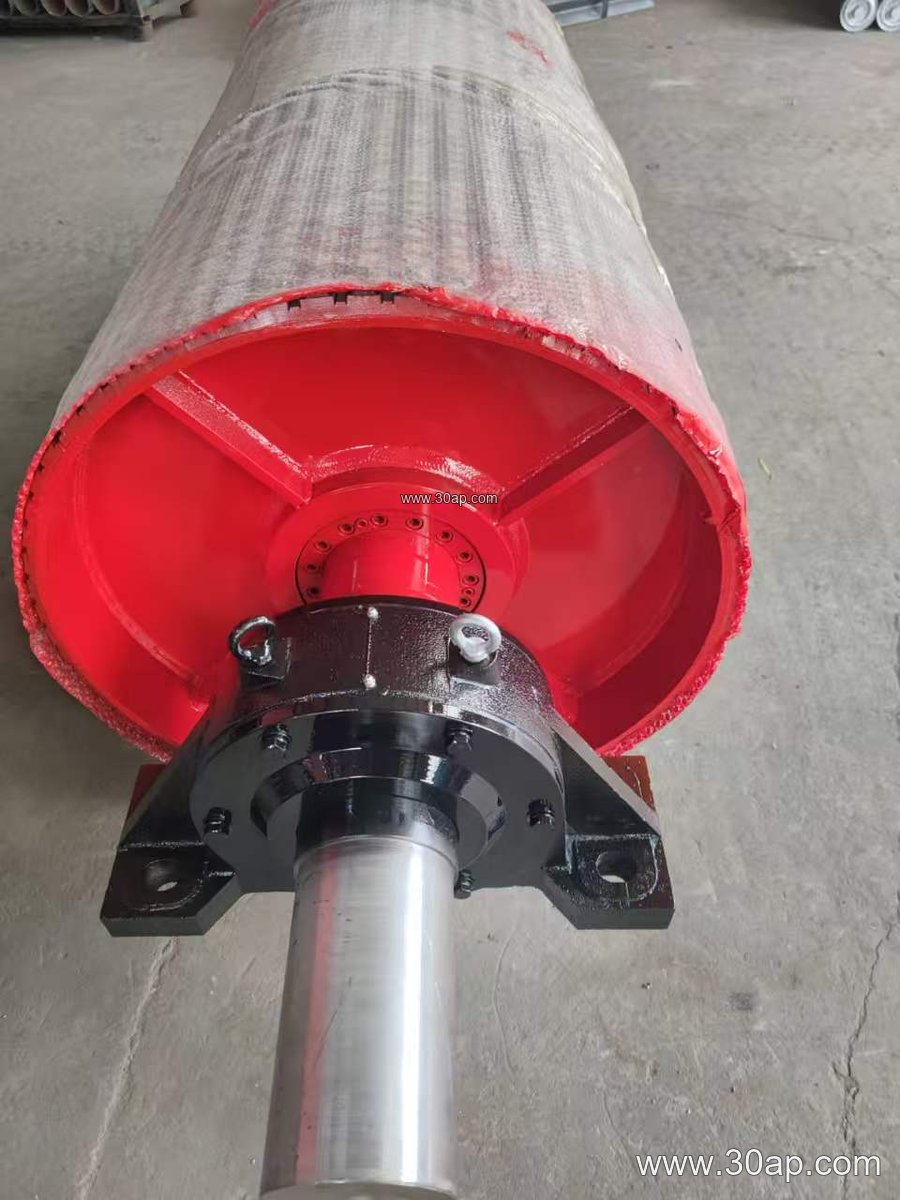
The pulley face width is usually slightly wider than the belt. For example, a B800 belt often runs on a pulley with a face width near 950 mm, and a B1200 belt may use a face around 1400 mm. Common belt widths include B400, B500, B650, B800, B1000, B1200, B1400, B1600, and B1800. A combination such as B1200 × Ø1000 or B800 × Ø500 can be reasonable, but the final choice depends on belt tension, speed, and material load.
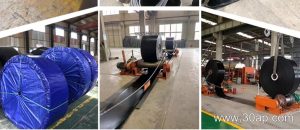
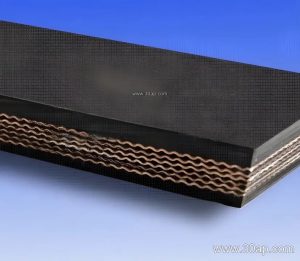
Belt type also influences pulley selection. An EP conveyor belt or NN conveyor belt with fabric core may require different lagging than a steel cord conveyor belt used in heavy-duty mining. Abrasion resistant conveyor belt, heat resistant conveyor belt, and oil resistant conveyor belt each place different demands on the pulley surface and belt tracking.
Buyer Checklist
- Confirm the pulley position: drive, tail, bend, or tension.
- State belt width, pulley diameter, face width, and shaft diameter.
- Choose lagging type and thickness for the material and environment.
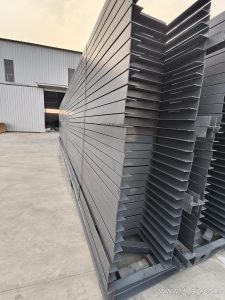
- Check bearing type, housing, and conveyor bracket compatibility.
- Review belt tension and starting torque before finalizing the shaft.
For more information on conveyor components, visit beltconveyorpulley.com and review the pulley, idler roller, and conveyor belt options together. A correctly specified belt conveyor pulley is a small part of the line, but it plays a central role in keeping bulk material moving day after day.