What a Hot-Dip Galvanized Idler Is
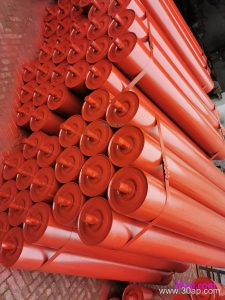
A hot-dip galvanized idler is a conveyor idler roller whose steel body has been fully immersed in molten zinc. The coating covers the shell, end caps and welded joints, giving the idler roller a metallurgically bonded zinc layer rather than a thin paint film. In a troughing set, several of these rollers support the loaded side of the conveyor belt; on the return run, a flat or V-shaped arrangement supports the belt underside. The galvanized finish is chosen where moisture, dust-laden air or mildly corrosive material would attack ordinary painted steel.
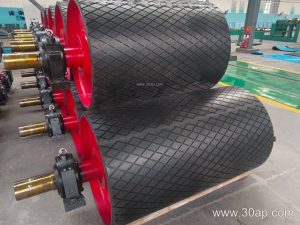
The product is often specified as a galvanized conveyor idler or hot-dip zinc idler. All of these names describe the same article. It is not a drive pulley, a tail pulley or a bend pulley, and it does not transmit belt tension; it carries the belt and the load between those pulleys.
How the Zinc Coating Is Applied
Fabrication comes first. The shell is cut from steel tube, the bearing housings are welded in, and shaft ends are machined. Parts are then degreased, pickled and fluxed before dipping into a zinc bath. Because the zinc reacts with the steel surface, the coating reaches internal edges and weld seams that a spray coating would miss. After cooling, the idler receives its bearings and seals, and the roller is balanced and checked for rotation.
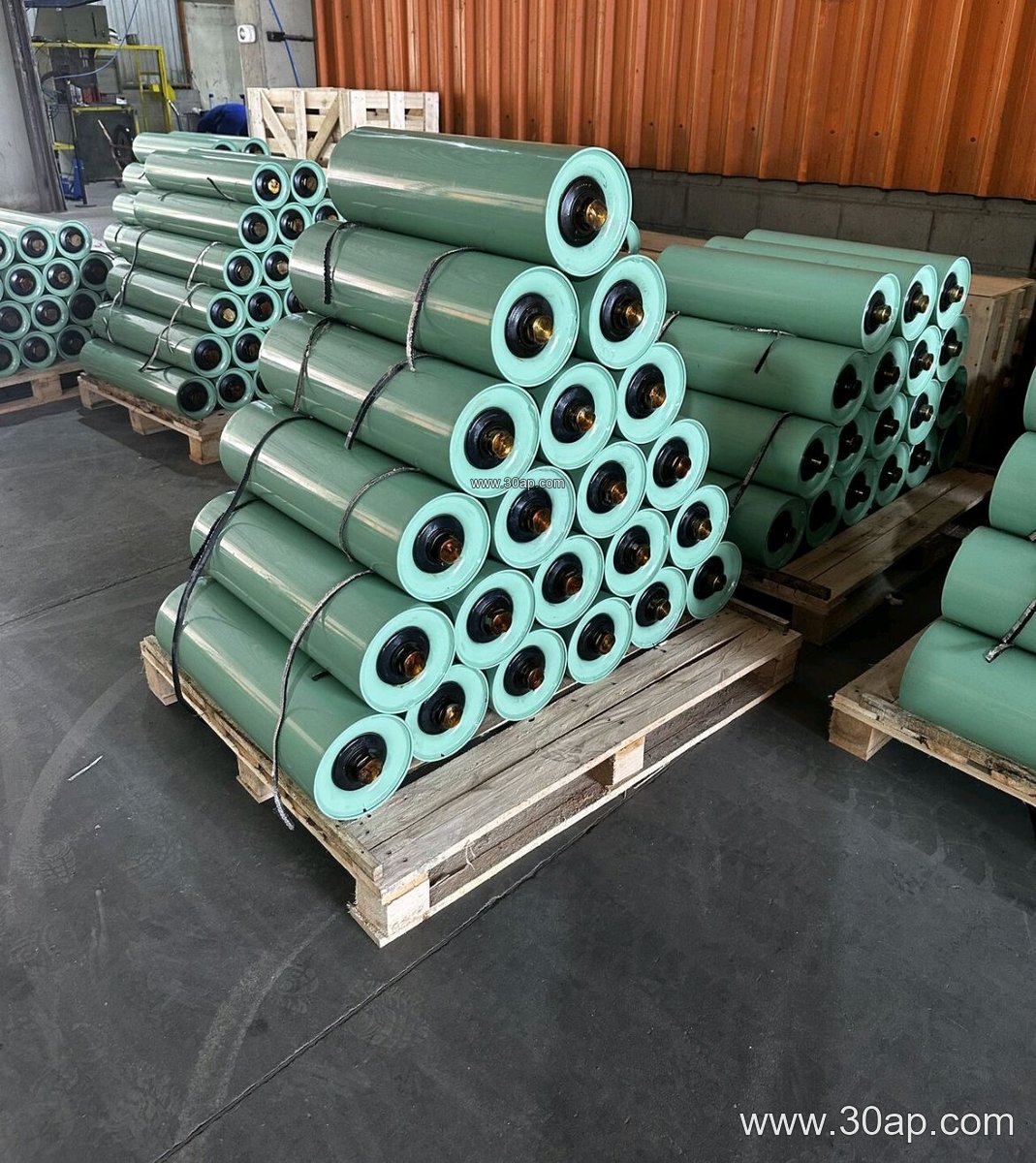
Coating thickness is usually quoted in micrometres and should be agreed with the supplier. A heavier coating generally means longer protection in humid or coastal air, but it also adds handling care during transport and installation. Buyers should confirm that bearing seats and shaft ends remain within tolerance after galvanizing, since excess zinc in these areas can affect fit.
Where Galvanized Idlers Fit
Two settings where the finish earns its place are a coal preparation plant and a port bulk terminal. In a wash plant, spray water and fine coal dust keep the frame and rollers damp for much of the day. At a port, salt-laden air attacks unpainted steel on ship loading and stockyard conveyors. In both places the idler sits under an abrasive or damp conveyor belt and must keep turning freely.
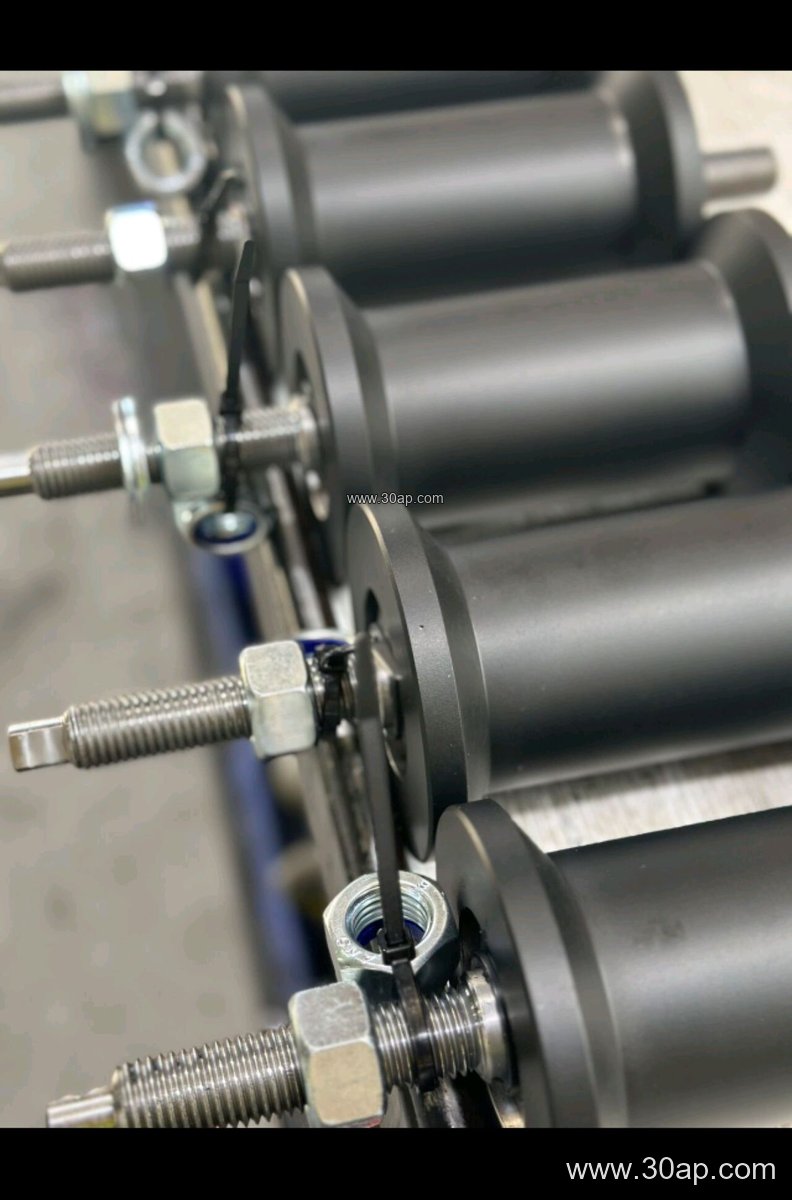
The same logic applies to a cement plant’s outdoor transfer points, a power plant coal yard, and quarry or aggregate lines that run through wet screening areas. Where the material itself is aggressive, the belt may be a Rubber Conveyor Belt, an abrasion resistant grade, or a flame retardant conveyor belt in coal service; the idler still has to match the belt width and the load.
Troughing Geometry and Roller Dimensions
Most loaded runs use a three-roll troughing set. The trough angle shapes the belt into a channel, and common values are 20, 30, 35 and 45 degrees. Steeper angles suit higher capacities and freer-flowing bulk material, while gentler angles are easier on the belt at transition points. Roller length follows belt width, trough angle and roll arrangement, so the figures below are typical references rather than fixed pairings.
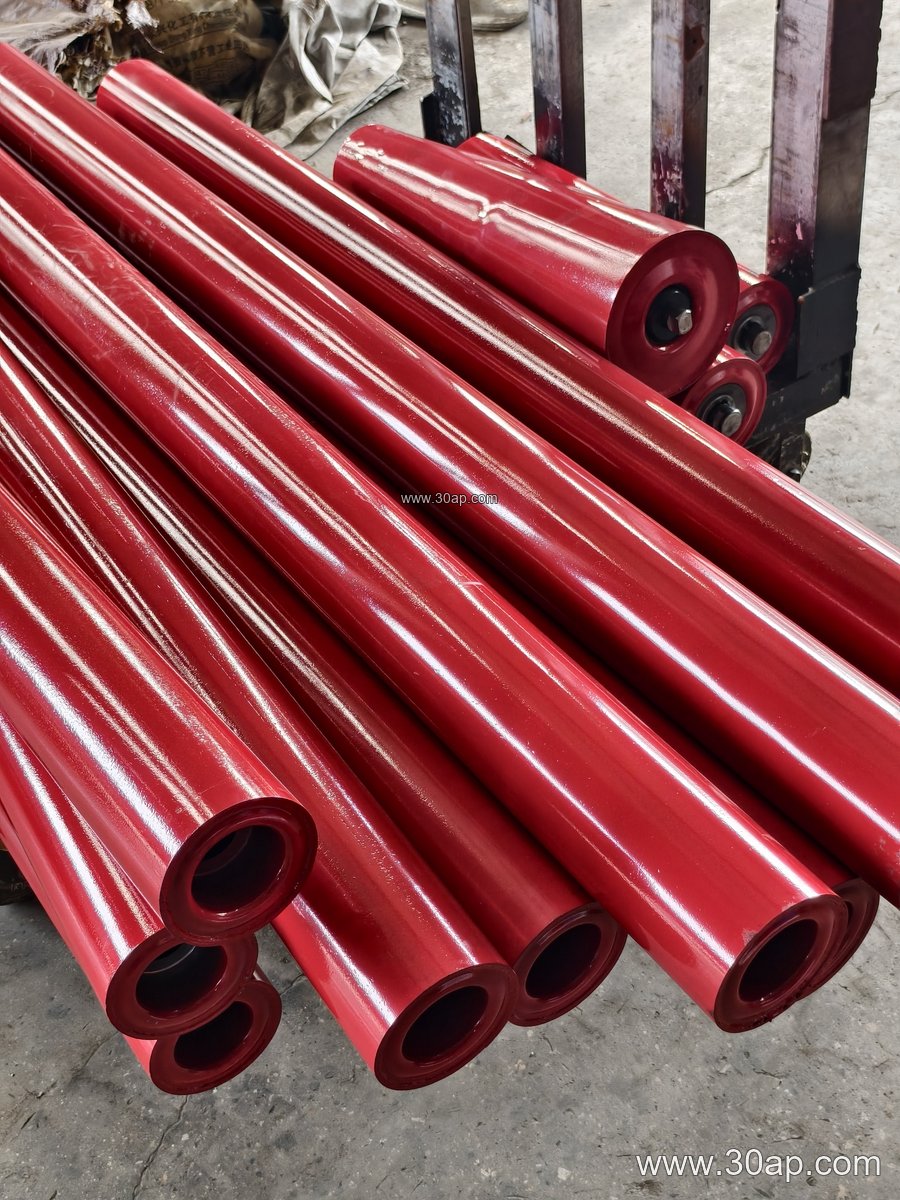
- B500 belt: side roll about 200 mm long
- B650 belt: about 250 mm
- B800 belt: about 315 mm
- B1000 belt: about 380 mm
- B1200 belt: about 465 mm
- B1400 belt: about 530 mm
- B1600 belt: about 600 mm
Common shell diameters include Ø63, Ø76, Ø89, Ø102, Ø108, Ø127, Ø133, Ø159 and larger sizes such as Ø178 and Ø219 for heavy stations. Bearings are usually selected from series such as 6204, 6205, 6305, 6306, 6308 and 6310, but no single bearing is tied to one diameter. The shaft diameter is set by load calculation, not by belt width alone.
Choosing the Right Variant
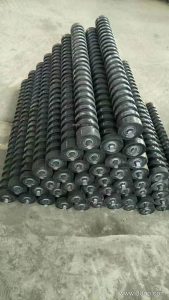
Galvanizing is a surface treatment, not a roller type, so the same coating can appear on several arrangements. A flat return idler handles the empty strand. A V-shaped return set helps centre the belt. Impact idlers with rubber rings are placed beneath loading chutes to absorb lump impact. Self-aligning idlers correct belt drift on long runs. Spiral rollers shed sticky material. Each has its own job, and the galvanized version simply adds corrosion protection.
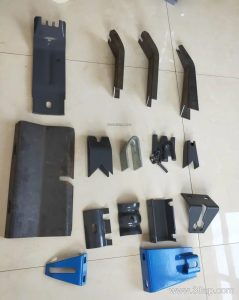
When comparing options, remember that a bend pulley changes belt direction while an idler only supports it. A conveyor pulley at the head end drives the belt; the idlers in between do the carrying. Matching the idler to the conveyor bracket and frame is as important as the roller itself, because a poor fit causes misalignment and premature wear.
Buyer Checklist
- Confirm belt width, trough angle and roll arrangement before ordering.
- Ask for the zinc coating thickness range and how bearing seats are protected.
- Check seal type and bearing series for dusty or wet duty.
- Verify roller balance and free rotation on delivery.
- Store idlers under cover and avoid dragging galvanized shells during installation.
For a long conveyor carrying abrasive ore or a Steel Cord Conveyor Belt under high tension, the idler specification should be reviewed together with the belt and the pulley layout. A galvanized idler is a durable, low-maintenance choice where corrosion, not just abrasion, shortens roller life.