What This Roller Is and Where It Fits
A Ø133 conveyor idler is a carrying roller with a 133 mm shell diameter, a size that sits in the middle-upper part of the common idler range and is widely chosen for medium to heavy belt conveyors. In a typical installation, this roller appears as the center or side roll of a trough set, or as a flat return roll beneath the belt. The larger diameter gives the belt a smoother path and helps the roller run cooler than smaller shells in the same duty.
The 133 mm size is often paired with belt widths from around 800 mm up to 1600 mm, although the actual roll length depends on belt width, trough angle and the number of rolls in the set. It is not tied to one belt width, and no fixed shaft size follows automatically from the belt specification. Buyers should confirm the shaft diameter and bearing arrangement with the manufacturer rather than assume a match.
Construction of the Roller
Most Ø133 conveyor idlers are built around a steel tube shell with machined ends, sealed bearings and a fixed or through shaft. The shell can be plain steel, nylon coated, ceramic lined or fitted with rubber rings, depending on whether the priority is abrasion resistance, material build-up prevention or impact damping.
- Shell: steel tube, often 4 to 6 mm wall
- Bearing housing: stamped or machined steel, with labyrinth or contact seals
- Common bearings: 6305, 6306, 6308, 6310 depending on load
- Surface options: plain, nylon, ceramic, rubber disc
- Shaft ends: flattened or drilled to suit the conveyor bracket
Sealing quality matters more than any single dimension. Dust from a stone crushing line or fine ore from a copper mine will find weak seals, so a multi-stage labyrinth plus grease retention is worth specifying where the environment is gritty.
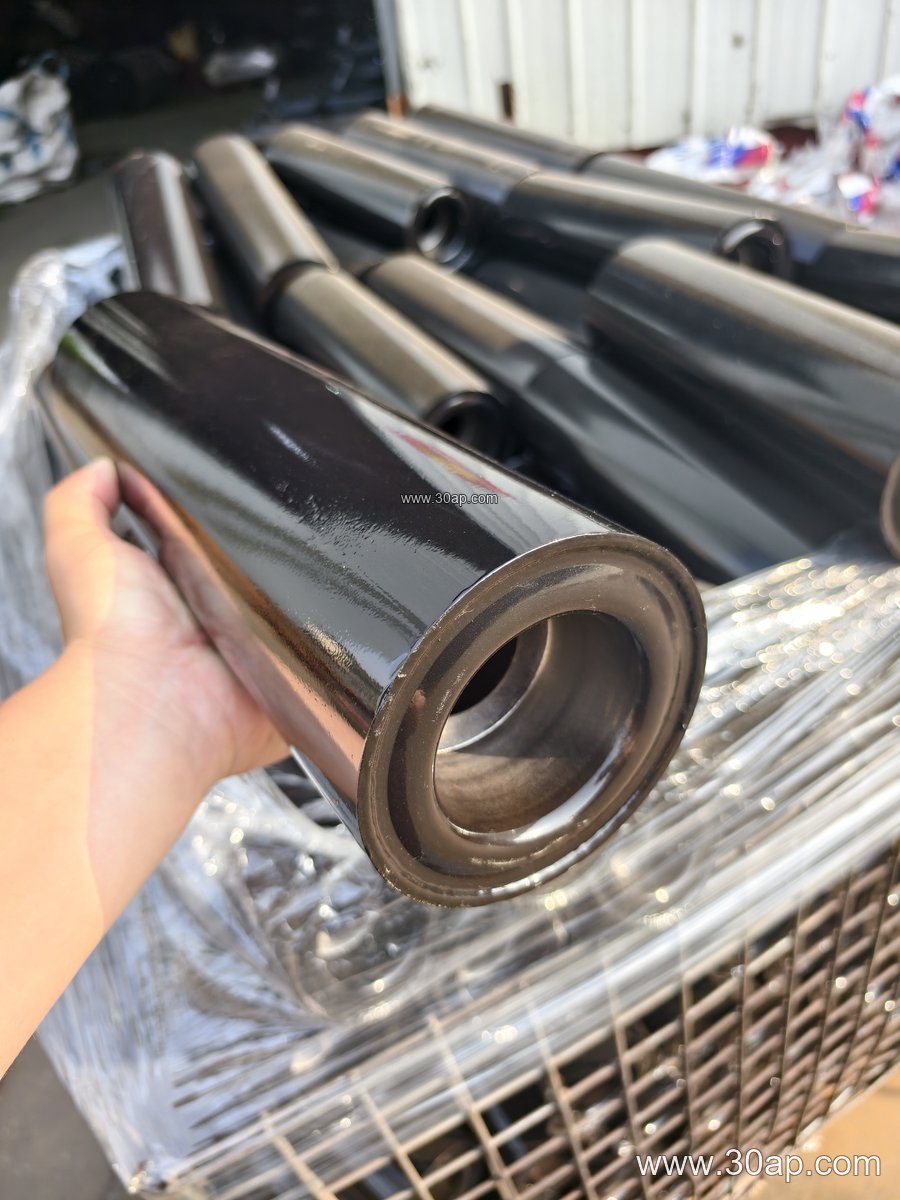
Trough and Return Roles
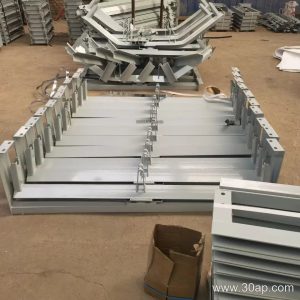
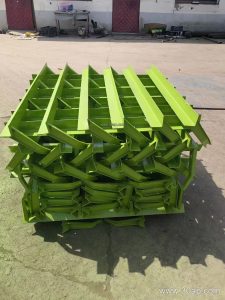
In a three-roll trough set, the Ø133 idler is commonly used as the side roll at trough angles of 20, 30, 35 or 45 degrees. The same diameter may also appear as a return roll under a flat belt. For comparison, a V-type return set uses two rolls set at an angle to center the belt, while a spiral roller is chosen where sticky material needs to be shed from the shell. These are different roller types serving different positions, not replacements for the 133 mm carrying roll.
Transition idlers near the head and tail of a conveyor are another place where this diameter can be useful, since a gradual change in trough angle reduces belt edge stress. Impact rollers with rubber rings are a separate choice for loading points under a crusher conveyor belt.
Typical Site Conditions
A Ø133 conveyor idler is at home in a cement plant’s clinker and raw meal lines, in a power plant coal handling system, and on overland conveyors at a limestone quarry. It also suits aggregate plants feeding a crusher conveyor belt and iron ore transfer points where the belt carries a heavy load. In these settings, dust, moisture and continuous running are the main enemies, so the idler should match the belt and the environment.
For example, a heat resistant conveyor belt in a sinter plant needs rollers that tolerate warm shells, while a flame retardant conveyor belt underground benefits from rollers with antistatic properties. The idler itself is only part of the system, and pairing it with a properly rated EP conveyor belt or steel cord conveyor belt helps keep the whole line stable.
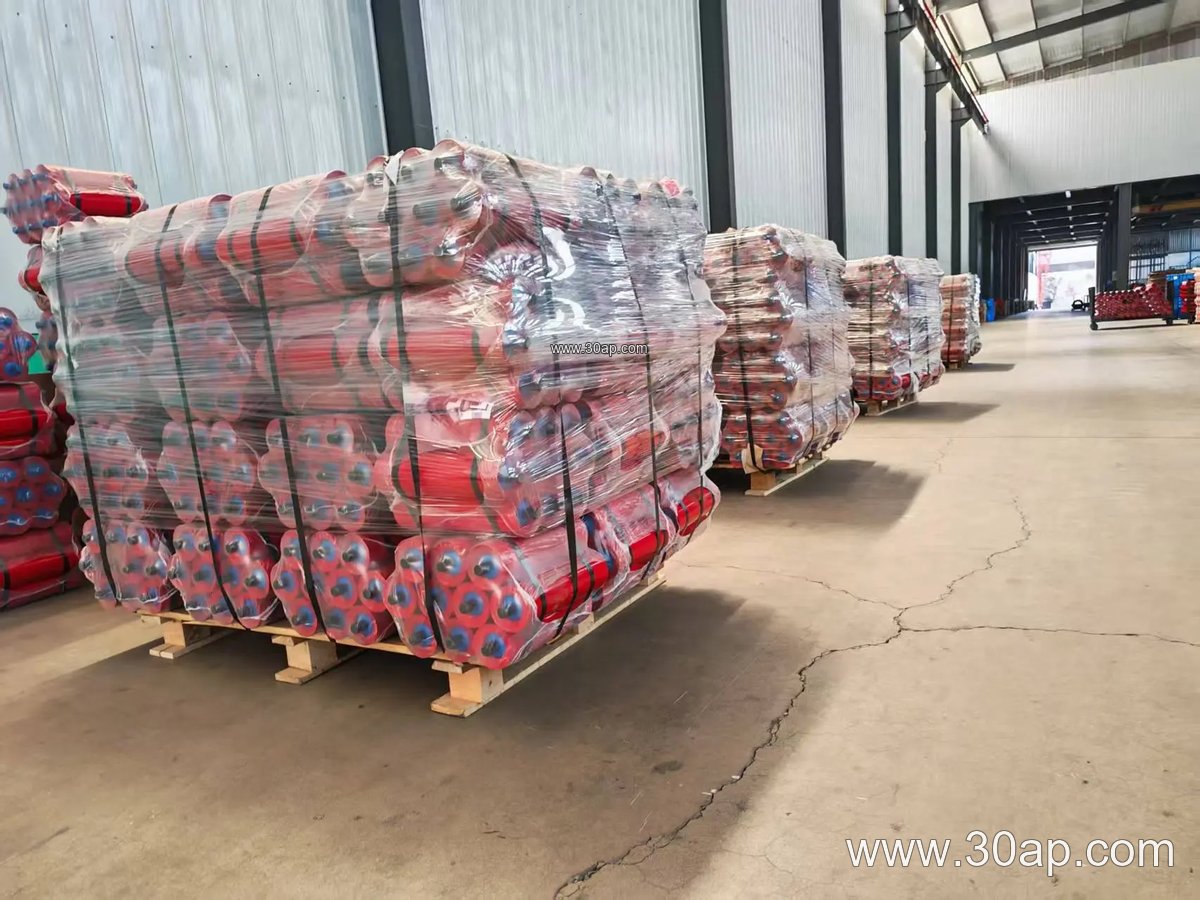
What to Check Before Ordering
Buyers should gather a few facts before requesting a Ø133 conveyor idler quote. The table below lists the usual items and typical reference values, which must be confirmed against the actual conveyor design.
| Item | Common reference |
|---|---|
| Roller diameter | Ø133 mm |
| Belt width | B800 to B1600 typical |
| Roll length | 315 mm to 600 mm for three-roll sets, by design |
| Trough angle | 20, 30, 35 or 45 degrees |
| Bearing | 6305, 6306, 6308, 6310 |
| Shell surface | Steel, nylon, ceramic, rubber ring |
Also confirm the shaft end type, the conveyor bracket spacing, the sealing class and whether the roller is for carrying or return duty. A roller that fits the bracket but has the wrong seal will fail early, and a correctly sized roller with the wrong surface can wear the belt. For heavy-duty mining conveyor belt service, higher bearing capacity and thicker shells are usually worth the extra cost.
Maintenance Notes
Inspect idlers at the same time as the belt. A seized Ø133 conveyor idler will flat-spot the belt and raise motor load, while a worn shell edge can cut into the fabric. Check that the roller turns freely, that the bracket bolts are tight and that no material is packed around the seals. Replacing a few worn rollers early is cheaper than repairing a damaged conveyor belt later.
For more information about idlers, pulleys and belts, visit www.beltconveyorparts.com or search for conveyor idler roller and conveyor pulley references on our site.