What a 1200mm Wide Conveyor Belt Is
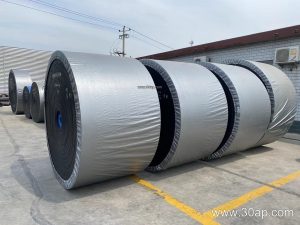
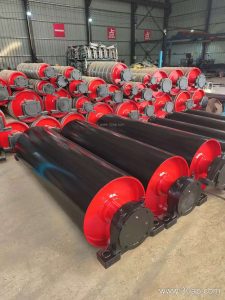
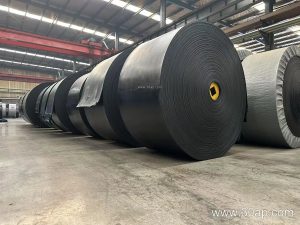
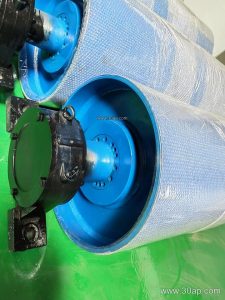
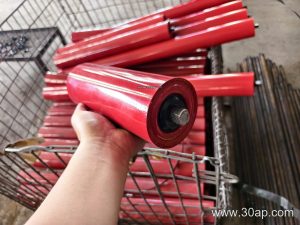
A 1200mm wide conveyor belt is a heavy-duty rubber belt with a nominal width of 1200mm, widely written as B1200. It sits in the high-capacity range of bulk handling belts, above 1000mm and below 1400mm, and is commonly chosen when a single conveyor must carry large tonnages without excessive belt speed. The belt works together with conveyor pulleys, idler rollers and conveyor brackets to form a complete conveying line. As with any belt width, the pulley diameter, shaft size and trough angle are determined by the conveyor design, not by the belt width alone.
Construction and Common Specifications
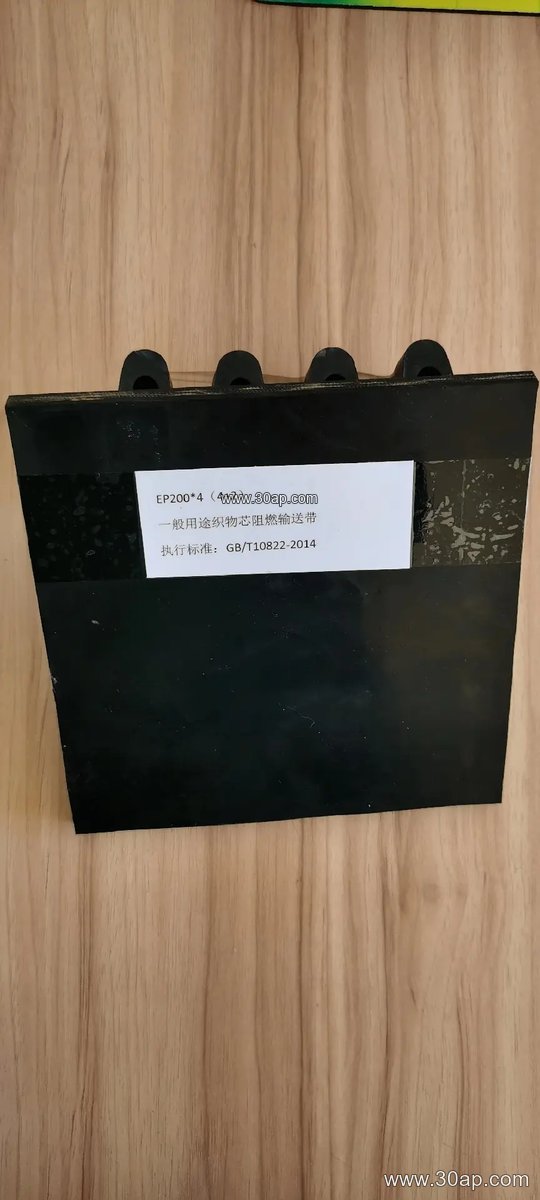
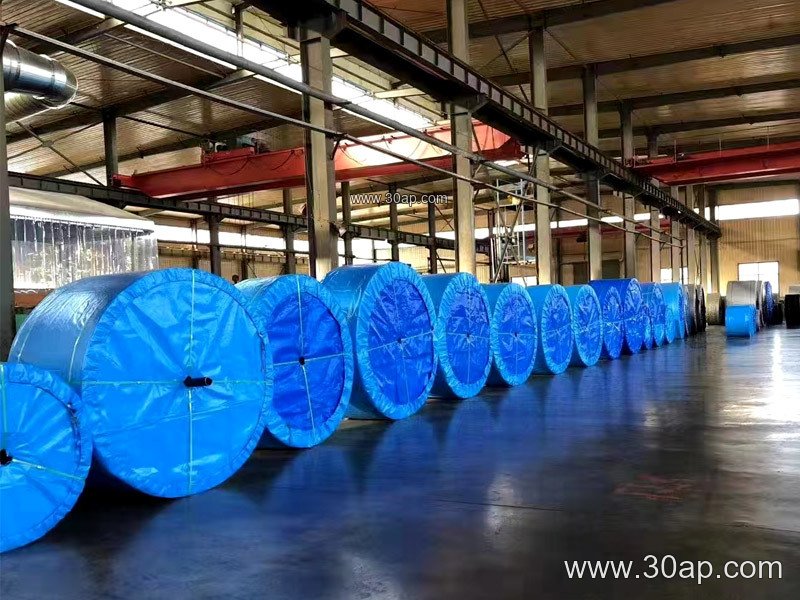
Most 1200mm wide belts are fabric core or steel cord constructions. Fabric types use multiple plies of EP or NN canvas, while steel cord belts use brass-plated wires for very long runs and high tension. Cover rubber grades are selected for the duty: abrasion resistant for ore and aggregate, flame retardant for coal mining, heat resistant for cement and steel plants, and oil resistant for certain industrial streams. Typical reference data for a 1200mm belt are shown below; actual values are confirmed per design.
| Item | Common Reference Values |
|---|---|
| Belt width | 1200mm (B1200) |
| Fabric core types | EP200, EP315, EP400, EP500, EP630, EP800, EP1000, EP1250 |
| Steel cord types | ST1000, ST1250, ST1600, ST2000 |
| Number of plies | 2 to 6 plies, typically 3 to 5 |
| Cover thickness | 4+2mm, 5+2mm, 6+2mm, 8+3mm |
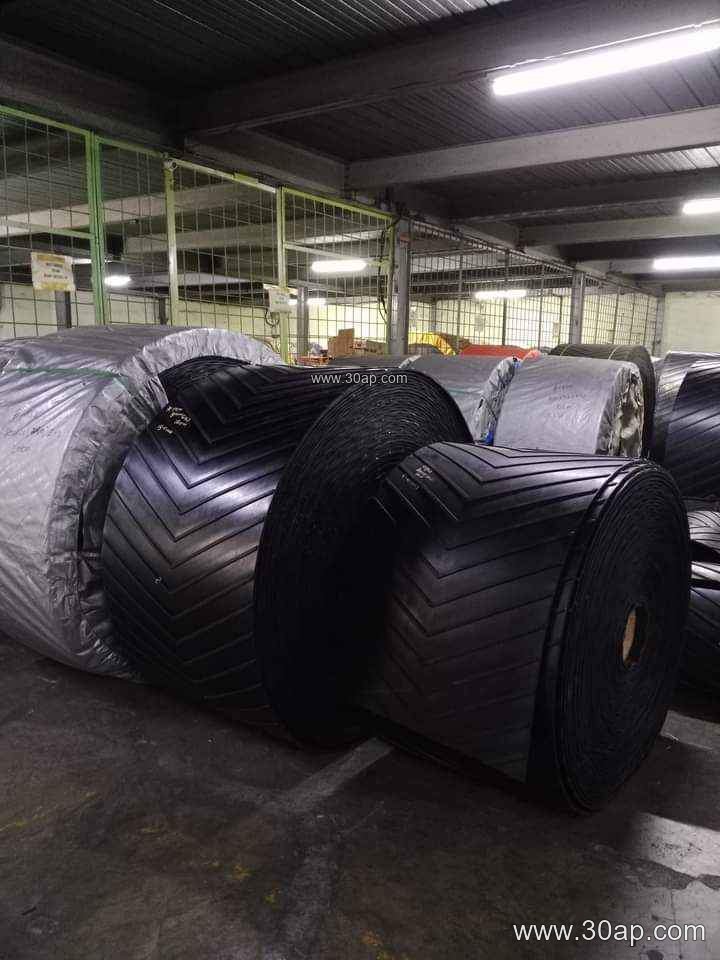
| Surface forms | Smooth, chevron, corrugated sidewall, skirted |
For example, an EP1000 1200mm conveyor belt is a common combination for primary crushing lines, while a steel cord ST1600 belt may suit a long overland haul in a mine. A 1200mm wide chevron belt can handle inclined sections, and a corrugated sidewall version suits steep, space-limited routes.
Where It Is Used
The 1200mm width appears across mining, coal preparation, cement plants, power stations, quarries, sand and gravel yards, ports and steel works. In a coal mining conveyor line, a flame retardant and anti-static belt is normally required. In a cement plant, heat resistant belts carry clinker and kiln-related materials. At a quarry or crusher discharge, a high abrasion resistant belt protects the cover from sharp rock. Port and ship loading conveyors often use this width for fast transfer of bulk material. Whatever the industry, matching the belt to the conveyor pulley, idler roller spacing and loading conditions matters more than width alone.
Selection Points for Buyers
- Confirm the required tensile grade from the conveyor design, not from a habit. EP and NN grades are not interchangeable with steel cord grades.
- Match cover rubber to the material: abrasive rock, hot clinker, oily scrap or cold climate each needs a different compound.
- Check the pulley diameters and shaft sizes supplied by the conveyor designer; a 1200mm belt can run on different pulley sizes depending on tension and splice type.
- Decide whether a smooth, chevron, skirted or corrugated sidewall belt fits the route and incline.
- For underground coal mining, specify flame retardant and anti-static properties such as PVG or PVC constructions where the application calls for them.
Installation and Maintenance Notes
Correct alignment of the conveyor pulleys and idler rollers reduces edge wear on a wide belt. Keep the loading point centered so material does not spill and bias the belt. Inspect splices and edges regularly; a 1200mm wide belt carries high tension, so small damage can grow quickly. Store spare belts flat and away from heat and sunlight. When replacing a belt, record the original grade and cover thickness so the next order matches the conveyor duty. For more belt, idler and pulley guidance, see our resources at www.bulkconveyorsolutions.com and check related pages on conveyor belt selection.