What a Heavy-Duty Steel Conveyor Bracket Does
In bulk material handling, the conveyor bracket is the structural link between the rotating components and the conveyor frame. A heavy-duty steel conveyor bracket is engineered to carry idler rollers, hold the belt at the correct profile, and absorb the constant vibration and impact of loaded belts. Whether the line moves coal at a power plant, aggregates at a quarry, or clinker in a cement plant, the bracket must stay rigid without adding unnecessary weight.
This article focuses on the heavy-duty steel conveyor bracket as a product category. It does not cover drive, tail, or bend pulleys, which are separate components with different design and installation requirements.
Construction and Materials
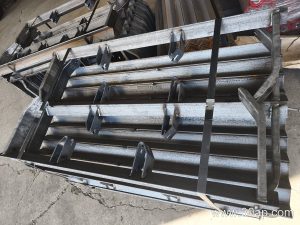
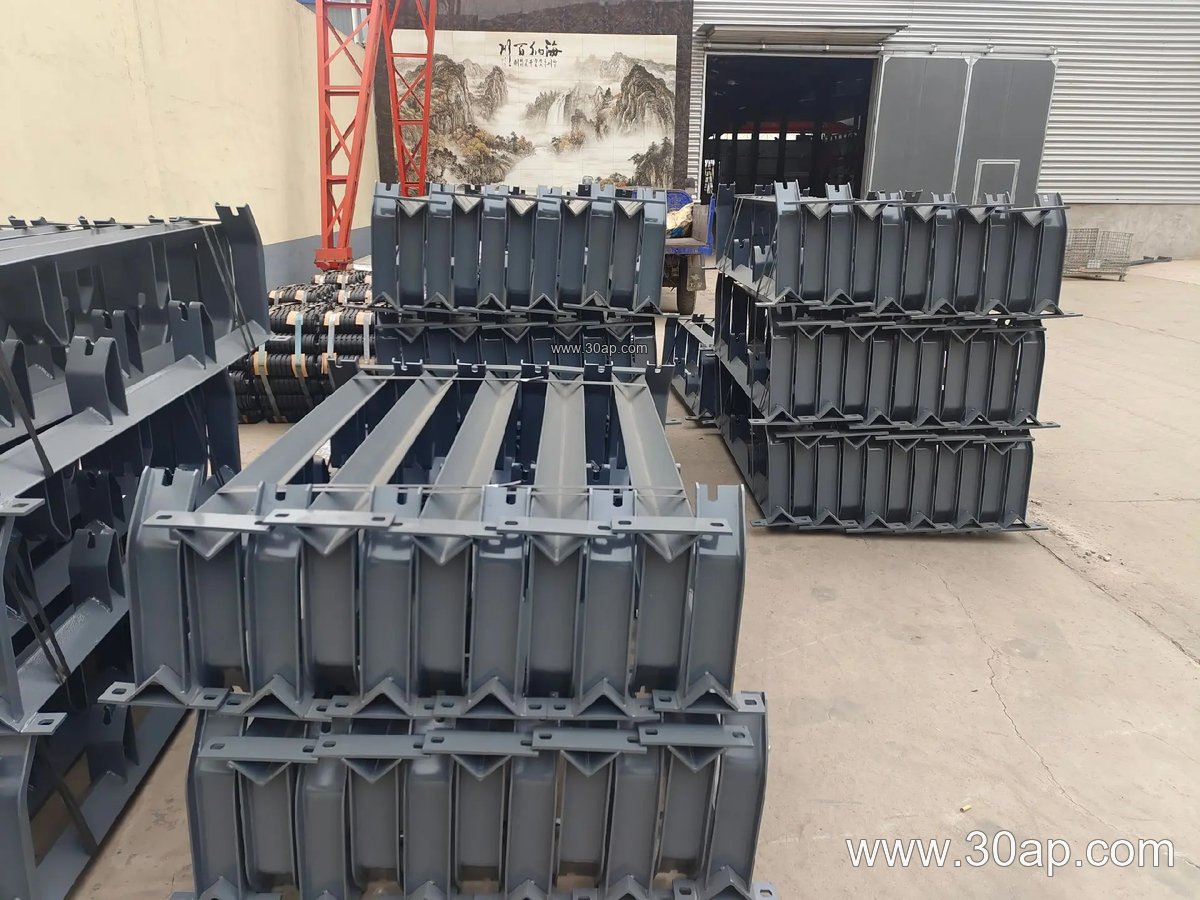
Most heavy-duty brackets are fabricated from angle steel, channel steel, or folded steel plate. The choice of material and thickness determines the bracket’s load capacity and fatigue life. Common surface treatments include painting or galvanizing, but the exact finish should match the site conditions.
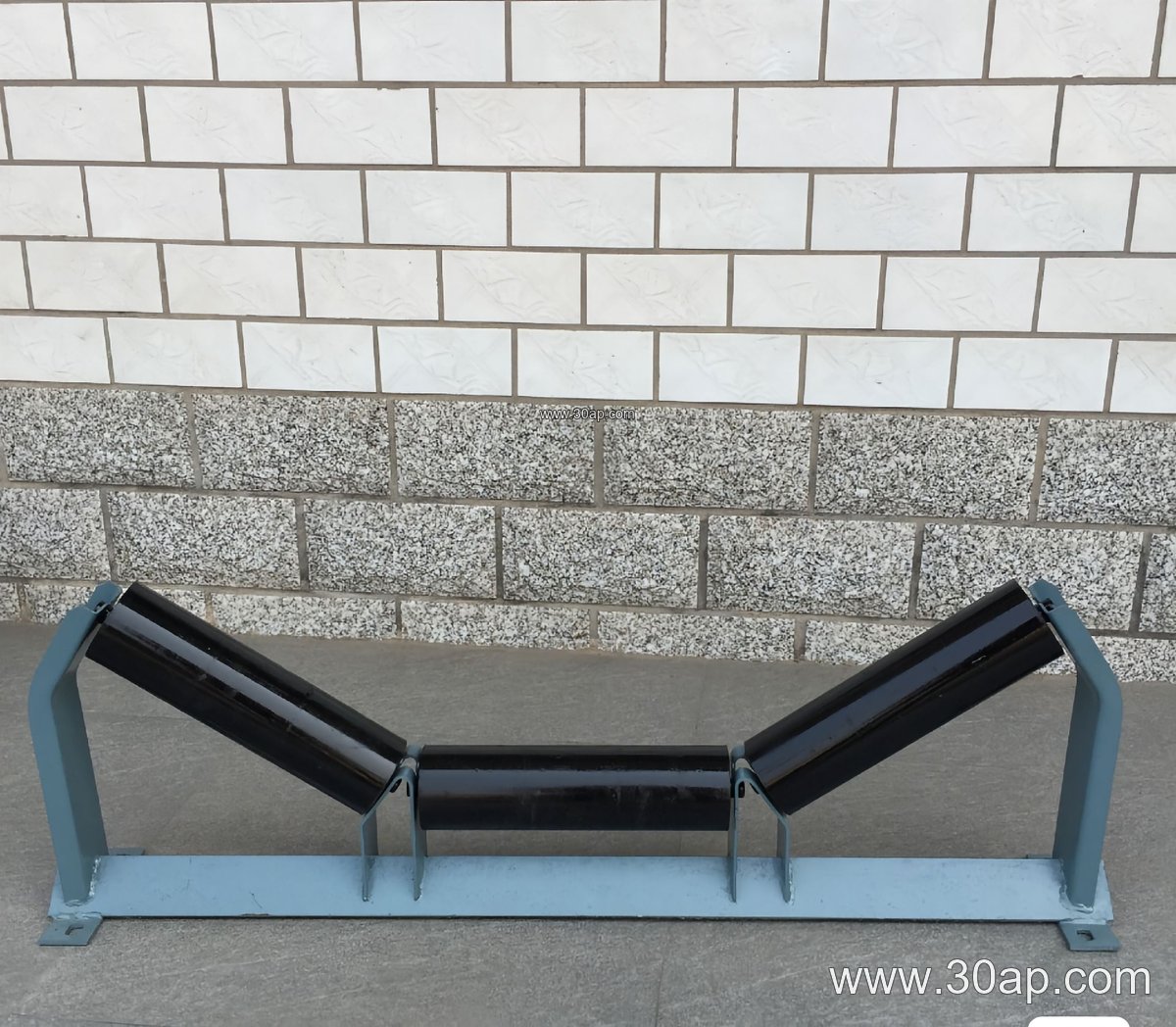
The bracket geometry is usually built around a specific belt width and trough angle. Installation hole spacing and crossbeam length are not fixed values; they vary with the belt width, trough angle, and the idler roller diameter selected for the application.
Types and Configurations
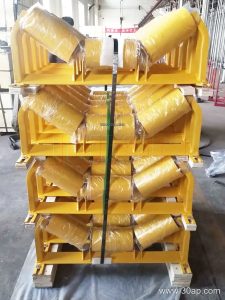
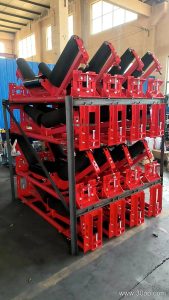
Heavy-duty steel conveyor brackets come in several forms, each serving a different position on the conveyor:
- Troughing bracket – supports the upper belt in a trough shape; also called an upper trough bracket.
- Transition bracket – helps the belt change from flat to troughed profile near the tail or head.
- Return bracket – supports the empty belt; the V-return type is common for centering.
- Impact bracket – used at load points to absorb the force of falling material.
- Self-aligning bracket – corrects belt tracking on long runs.
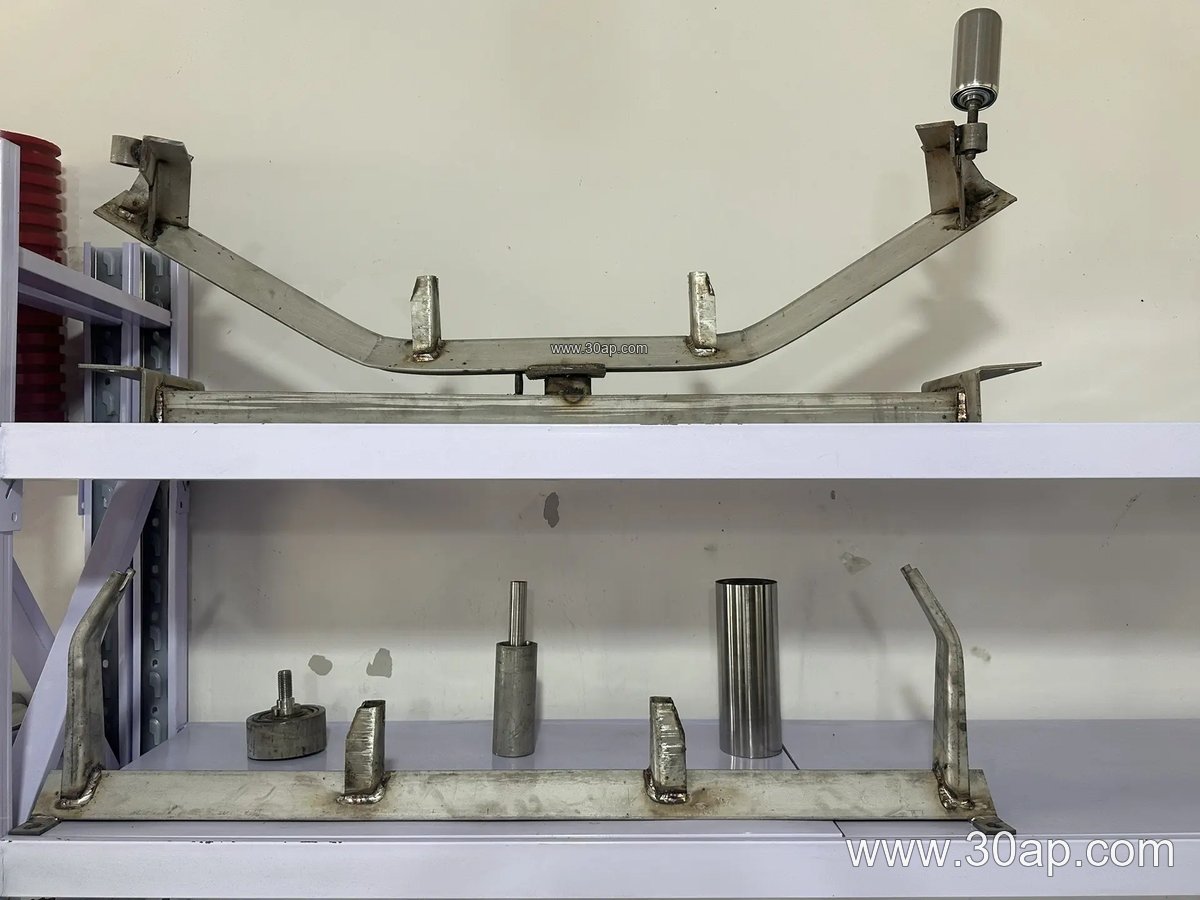
- Adjustable bracket – allows the trough angle to be changed on site, typically between 20°, 30°, 35°, and 45°.
Forward-leaning brackets are also available; a common forward tilt is about 1.5° to 2°, which helps with belt training.
Where These Brackets Are Used
Heavy-duty steel conveyor brackets appear in many industries where conveyors run continuously. In a limestone quarry or iron ore mine, they support the belt through crusher discharge and overland sections. In a coal-fired power plant, they carry the belt that feeds the boiler. Cement plants use them on clinker and raw meal lines, while port terminals rely on them for ship loading and unloading.
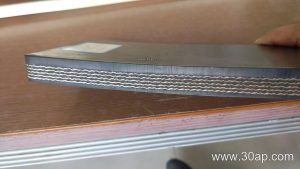
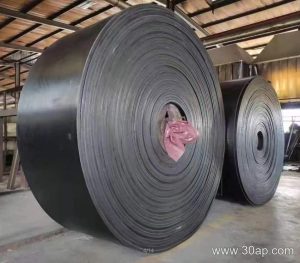
The bracket must be matched to the conveyor belt and idler roller it carries. For example, a wide, heavy belt such as a 1200mm or 1400mm EP conveyor belt or a steel cord conveyor belt will need a stronger bracket than a narrow fabric core belt.
Typical Size Ranges and Pairing
Brackets are commonly ordered by belt width, trough angle, and roller diameter. The table below shows common combinations, but these are reference examples, not fixed rules. A single belt width can be used with different trough angles and roller diameters depending on the conveyor design.
| Belt Width (B) | Common Trough Angle | Common Roller Diameter |
|---|---|---|
| B500 | 20° – 30° | Ø89 |
| B650 | 30° – 35° | Ø89 – Ø108 |
| B800 | 30° – 35° | Ø108 – Ø133 |
| B1000 | 35° – 45° | Ø108 – Ø133 |
| B1200 | 35° – 45° | Ø133 – Ø159 |
| B1400 | 35° – 45° | Ø133 – Ø159 |
| B1600 | 35° – 45° | Ø159 – Ø194 |
| B1800 – B2200 | 35° – 45° | Ø159 – Ø194 |
Always confirm installation dimensions with the conveyor frame supplier. Do not assume that a given belt width automatically determines shaft diameter or hole spacing.
Buyer Checklist
Before ordering heavy-duty steel conveyor brackets, gather the following information:
- Belt width and belt type (for example, abrasion resistant conveyor belt, flame retardant conveyor belt, or heat resistant conveyor belt).
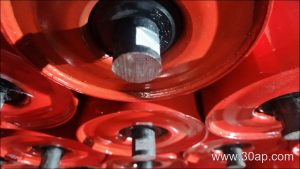
- Idler roller diameter and shaft size.
- Required trough angle and whether adjustability is needed.
- Mounting hole pattern and crossbeam length.
- Environmental factors such as dust, moisture, or temperature.
For sites that handle rubber conveyor belt, EP conveyor belt, or NN conveyor belt, the bracket should be selected to match the belt’s tension and weight. A heavy-duty conveyor bracket is not a universal part; it is a matched component.
Maintenance and Long-Term Reliability
Inspect brackets for loose bolts, corrosion, and deformation during routine shutdowns. A bent bracket can misalign the idler roller and cause belt tracking problems. Replacing worn brackets early protects the conveyor belt and reduces downtime.
When specifying replacement brackets, keep the original belt width, trough angle, and roller diameter. If the conveyor has been upgraded—for example, from a fabric core conveyor belt to a steel cord conveyor belt—review the bracket load capacity with the conveyor designer.