Why Conveyor Brackets Matter in Industrial Layouts
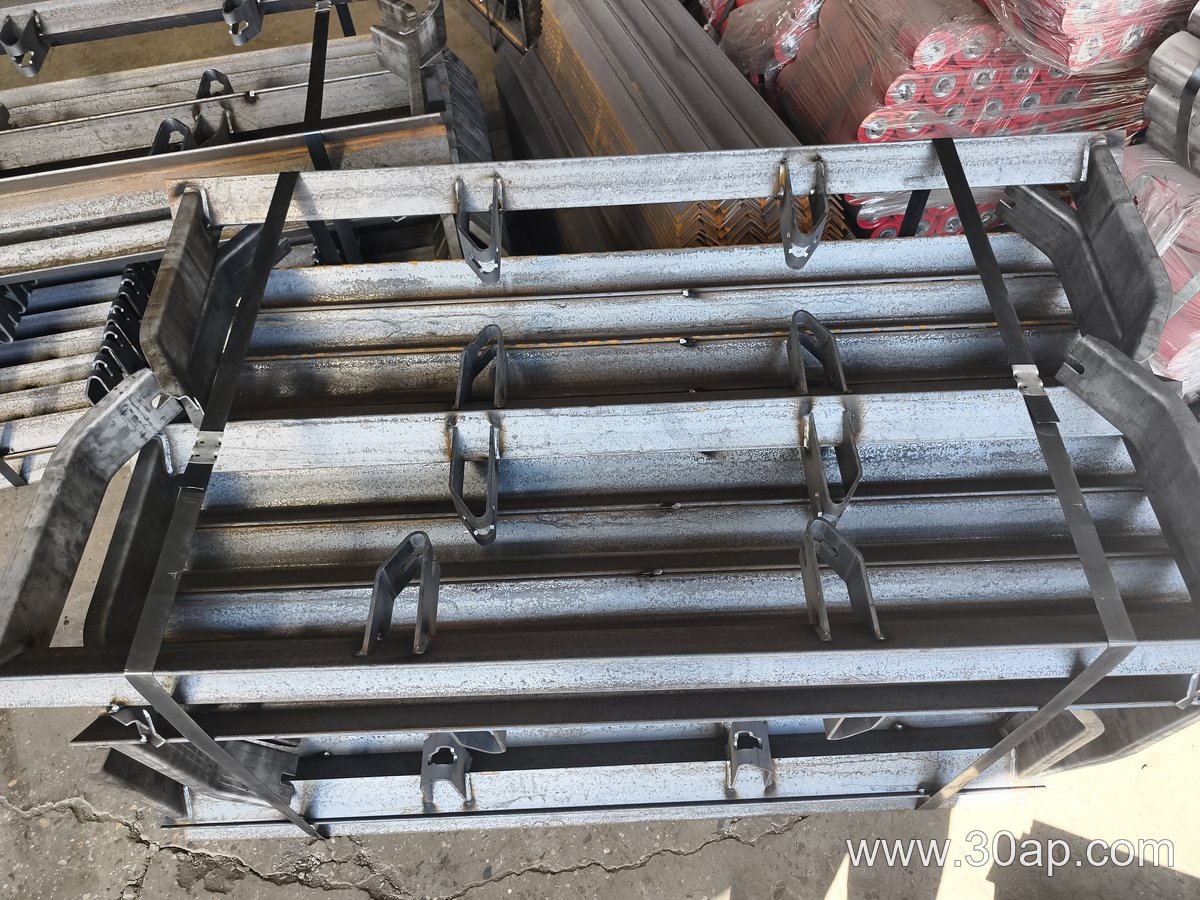
The conveyor bracket is the structural anchor that keeps rollers, belts, and drives aligned under constant load. Without a precision-engineered bracket, even the best conveyor belt will mis-track, vibrate, or fail prematurely. For plant managers and OEM buyers, selecting the right bracket is a decision about uptime, safety, and total cost of ownership.
Key Selection Criteria
- Load rating: Match the bracket’s dynamic capacity to your heaviest product plus safety margin (typically 1.5x).
- Material finish: Choose galvanized or stainless steel for washdown or corrosive environments; powder-coated carbon steel for dry indoor use.
- Adjustability: Slotted or multi-position brackets allow fine-tuning of roller height and angle, reducing installation time.
- Compatibility: Verify hole patterns and center distances against your conveyor frame’s C-channel or H-beam profile.
Purchasing Advice for Durability
Inspect bracket weld seams and edge deburring—sharp edges tear belts and injure staff. For high-speed lines, request vibration-tested brackets with reinforced gussets. Always buy spare brackets from the same batch to guarantee dimensional uniformity. Finally, ask for a torque spec for mounting bolts; over-tightening bends the bracket, under-tightening causes creep. A small, well-designed conveyor bracket saves days of maintenance every year.
Conveyor Belt Fundamentals for Modern Operations
The conveyor belt remains the backbone of material handling. Selecting the correct belt directly impacts uptime, maintenance costs, and product safety. A poor choice leads to premature wear and costly downtime.
Key Selection Criteria
Evaluate belt material against your load weight, abrasiveness, temperature, and chemical exposure. Rubber belts handle general bulk goods; PVC suits food contact; metal mesh resists heat and sharp edges.
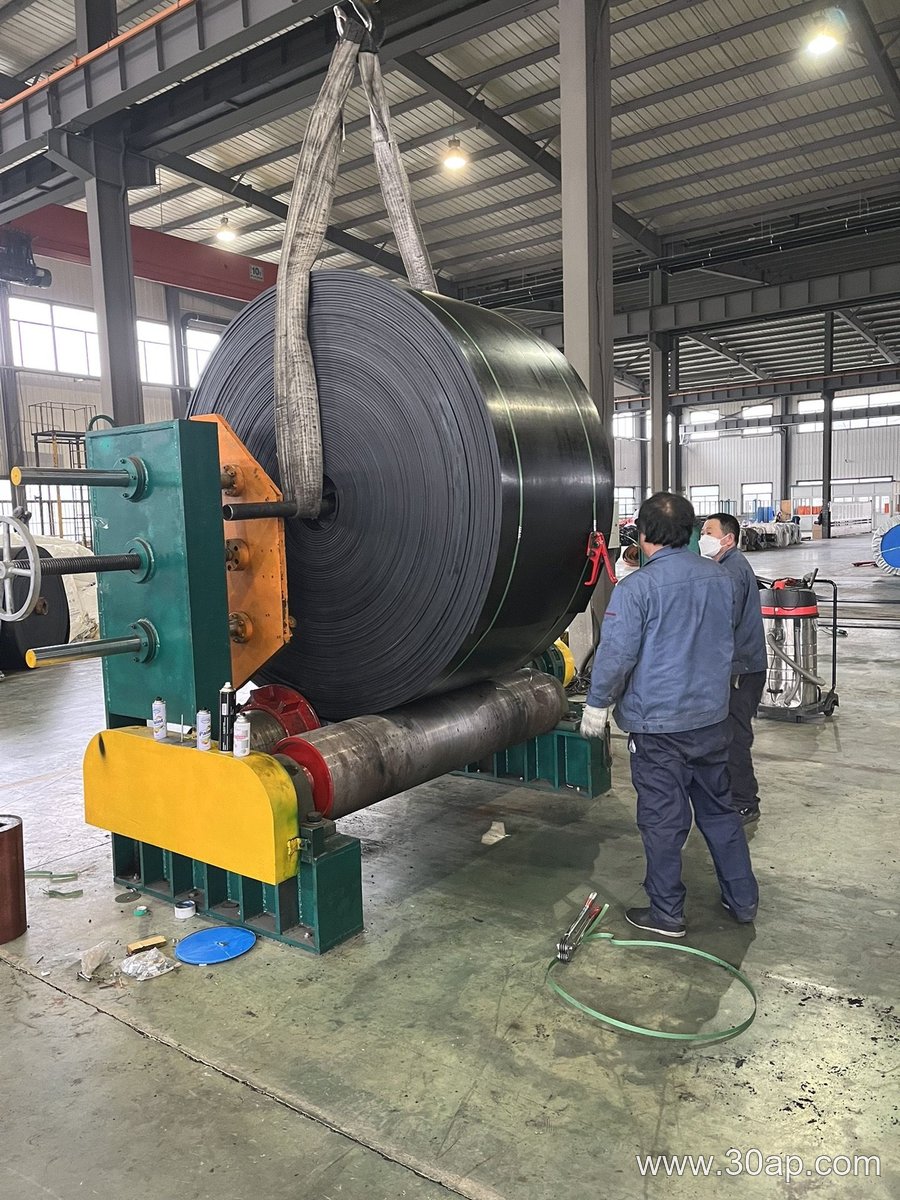
- Assess tensile strength and carcass layers.
- Verify belt thickness for impact resistance.
- Check splice type (mechanical vs. vulcanized).
- Confirm troughability and trough angle for your idlers.
Purchasing Advice
Request a belt with covers that match your operating environment. Measure actual belt length with tension calculations—do not guess. Always buy from suppliers that provide test certificates and warranty on splice work.
For retrofits, compare pulley diameters and belt tracking guides. A slightly higher initial cost for a reinforced belt often yields longer service life.
Why the Idler Roller Is the Backbone of Your Conveyor System
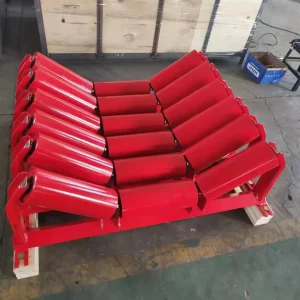
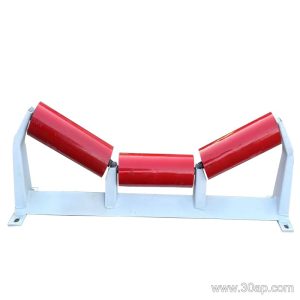
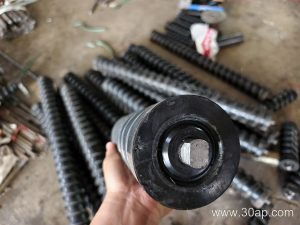
The idler roller, often overlooked, directly dictates belt alignment, energy consumption, and maintenance intervals. Choosing the wrong one can lead to premature belt wear and costly downtime.
Key Factors When Purchasing Idler Rollers
- Material: Steel for heavy loads, HDPE for corrosive or food-grade environments.
- Sealing: Look for labyrinth or contact seals to block dust and moisture.
- Bearing type: Ball bearings for high speed; roller bearings for shock loads.
- Diameter and wall thickness: Larger diameters reduce belt sag, while thicker walls extend service life.
Practical Advice for Sizing and Installation
Always match the idler roller’s trough angle (20°, 35°, 45°) to your belt’s existing structure. Verify the shaft ends—round or square—fit your frame’s slots. For replacements, measure center-to-center distance precisely. Finally, prioritize rollers with a minimum 60,000-hour rated life under your actual load to avoid early failures.
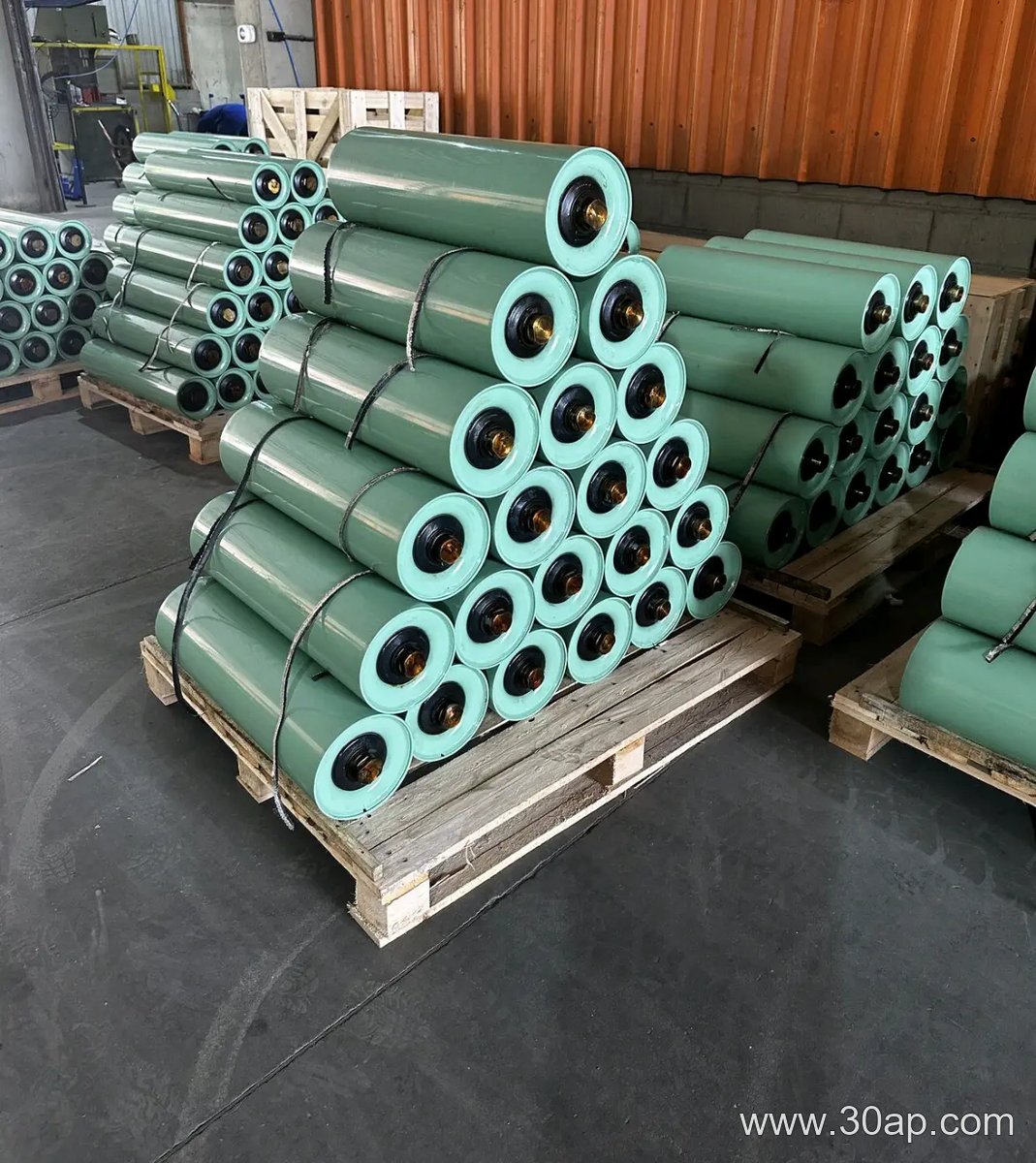
Invest in a test sample before bulk ordering, and request documentation on shell runout (<0.5 mm) and dynamic balance. A reliable supplier will offer a two-year warranty on rotating components.
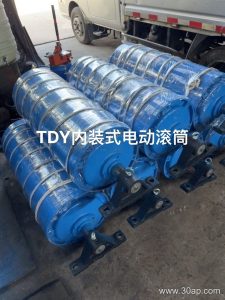
Why the Conveyor Pulley Is the Heart of Your Belt System
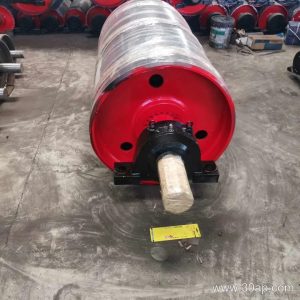
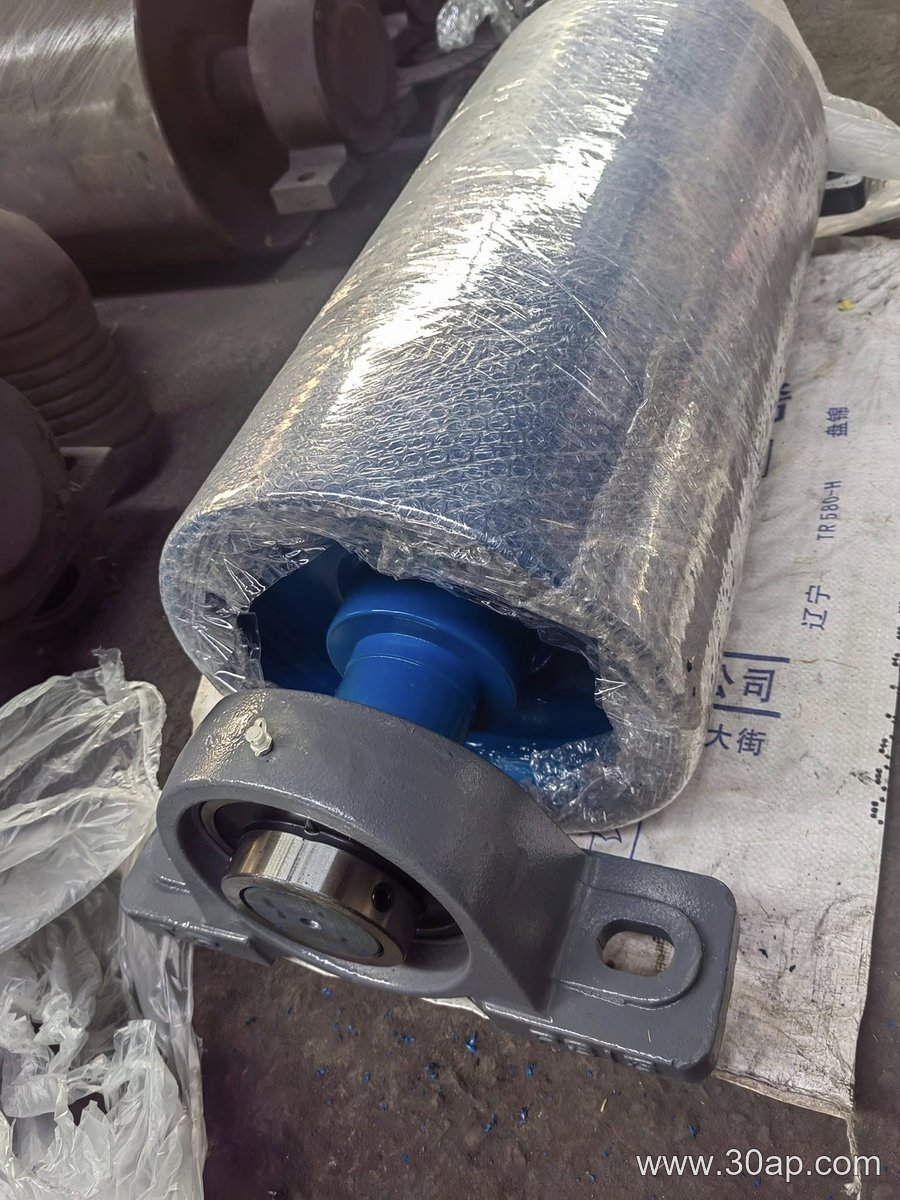
The conveyor pulley transmits drive torque and maintains belt tension across every bulk handling line. A poorly chosen pulley causes belt slippage, premature wear, and costly downtime. For engineers and procurement managers, understanding pulley types and specifications is the first step toward reliable operations.
Key Types and Their Applications
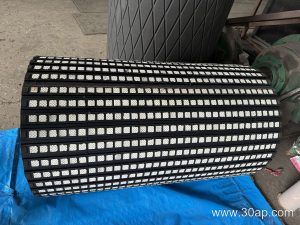
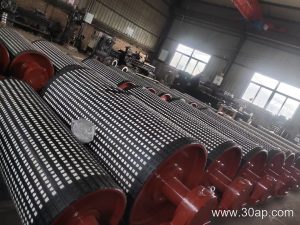
- Drive (head) pulleys – lagged with ceramic or rubber to maximize friction for powered movement.
- Return (tail) pulleys – support the belt’s underside; often fitted with self-cleaning wings for sticky materials.
- Snub and bend pulleys – increase wrap angle or change belt direction in tight transfer points.
Material and Construction Choices
Choose steel (ASTM A36 or C45) for standard loads, or stainless steel for corrosive or food-grade environments. Welded hubs and CNC-machined shafts improve concentricity, reducing vibration and bearing stress.
Purchasing Advice
- Verify shaft diameter and bearing load rating against your calculated belt tension.
- Specify lagging hardness (60–70 Shore A) for abrasive materials.
- Request dynamic balancing certificates for pulleys over 800 mm face width.
- Confirm crown profile (1–2 mm) on the face to self-center the belt.
- Always supply your pulley’s face width, bore size, and keyway dimensions to avoid machining delays.
Investing in the correct conveyor pulley reduces energy consumption by up to 5% and extends belt life by 30%. Audit your existing system, then partner with a supplier who offers finite element analysis and in-house balancing.