What an Anti-Misalignment Guide Idler Does
An anti-misalignment guide idler is a self-correcting roller assembly mounted along the carrying or return run of a belt conveyor. Its job is to sense a belt that has begun to drift toward one side of the frame and to steer it back toward the center line before the edge rubs the structure or spills material. In plants handling bulk material, a small tracking error can grow quickly, so this idler works as a continuous correction device rather than a one-time alignment fix. It is often grouped with the broader family of self-aligning idlers, and the two names describe the same function.
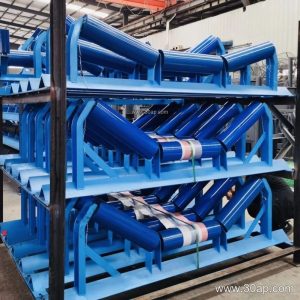
The assembly usually combines a set of idler rollers, a pivoting frame, and a vertical pivot axis. When the belt contacts the rollers unevenly, the frame swings slightly and the rollers push the belt back toward the middle. Friction-type versions add a small forward lead angle, commonly around 1.5 to 2 degrees, to encourage the belt to follow the roller direction.
Construction Details That Matter
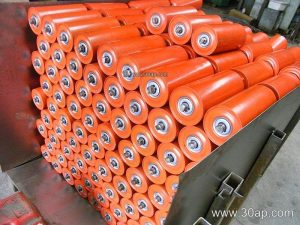
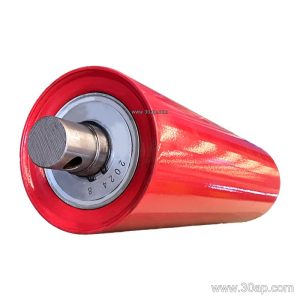
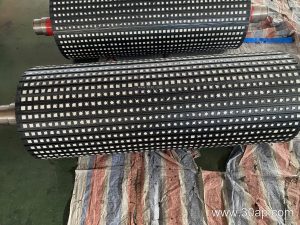
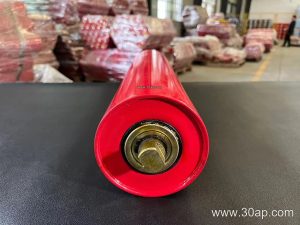
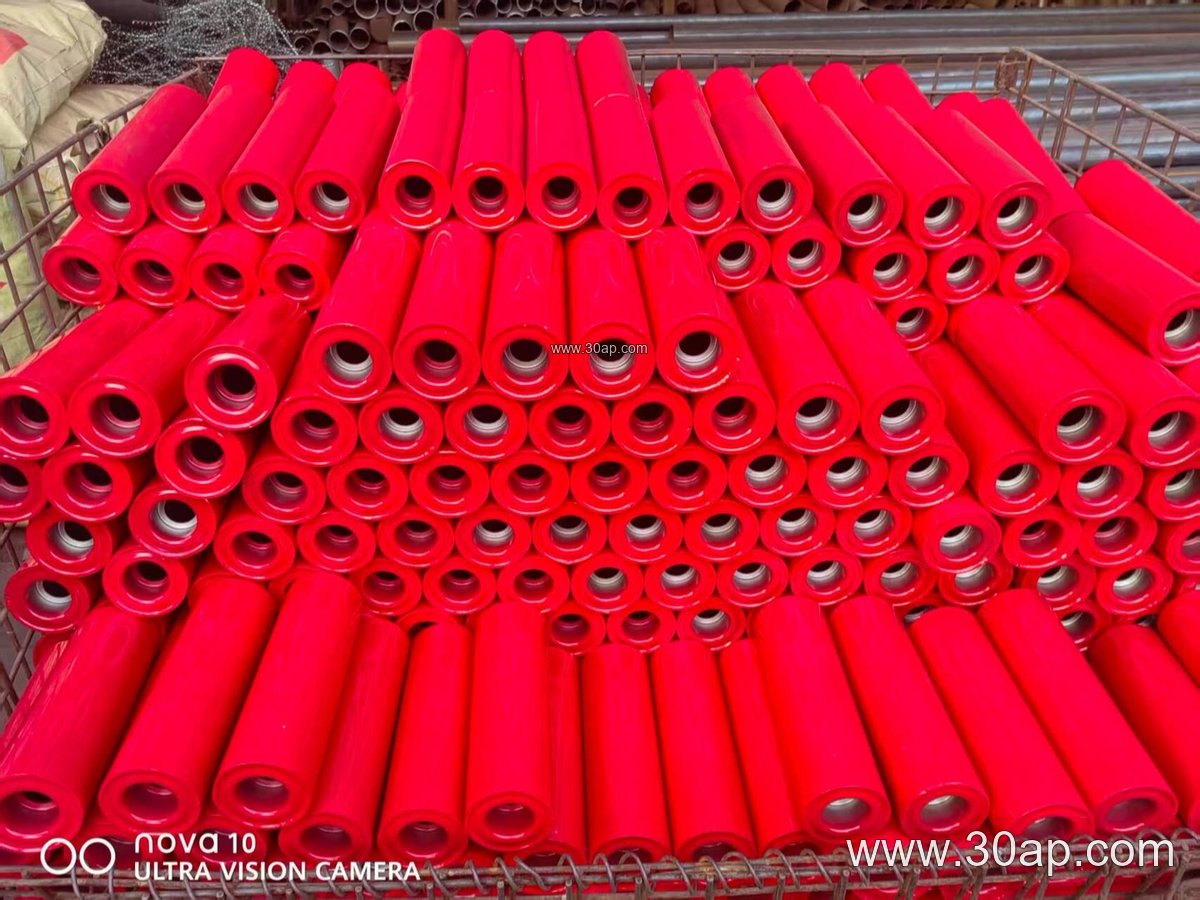
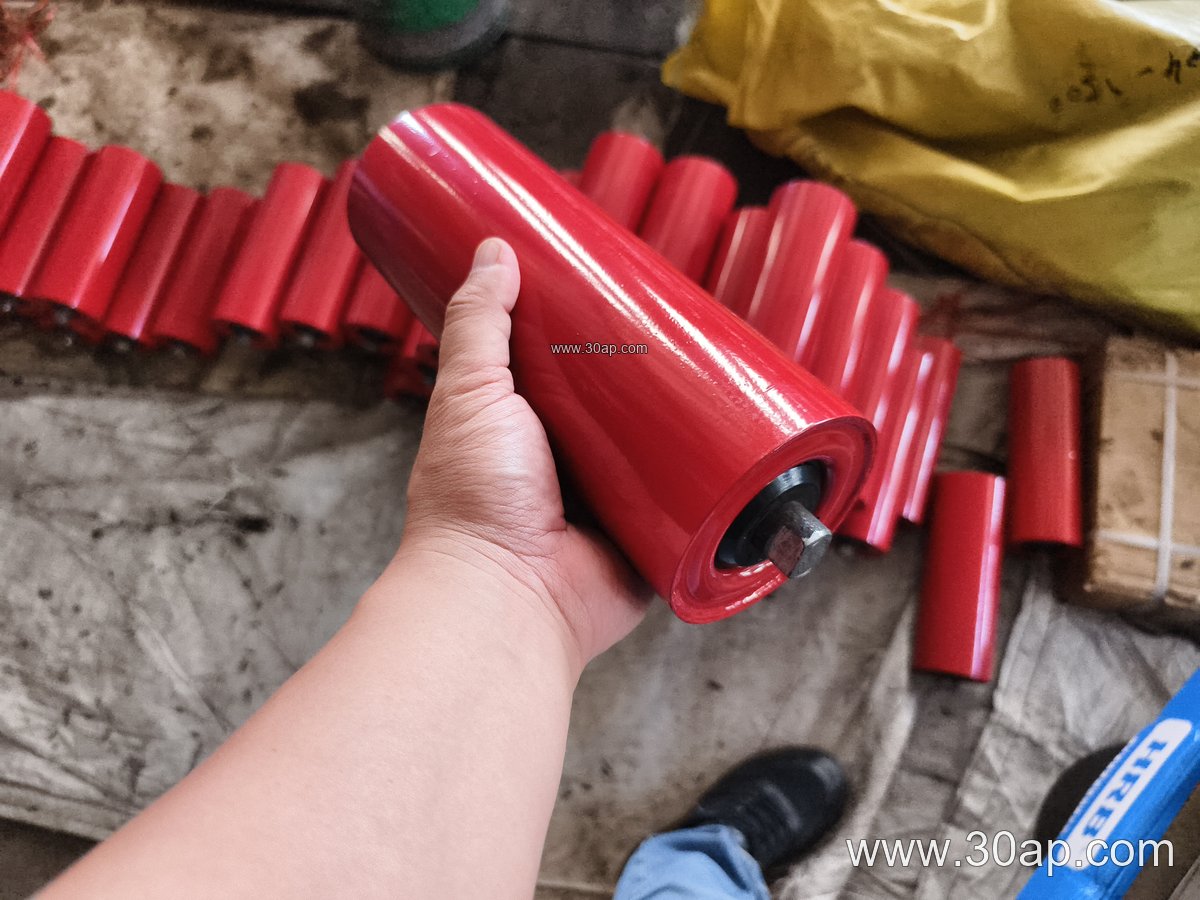
Most units are built around two or three carrying rollers or a pair of angled return rollers. Roller shells are commonly steel tube, nylon, or rubber-covered, and the choice depends on whether the belt carries abrasive ore, wet coal, or sticky aggregate. Rubber rings help on impact zones and reduce slip, while ceramic or nylon surfaces suit high-wear service.
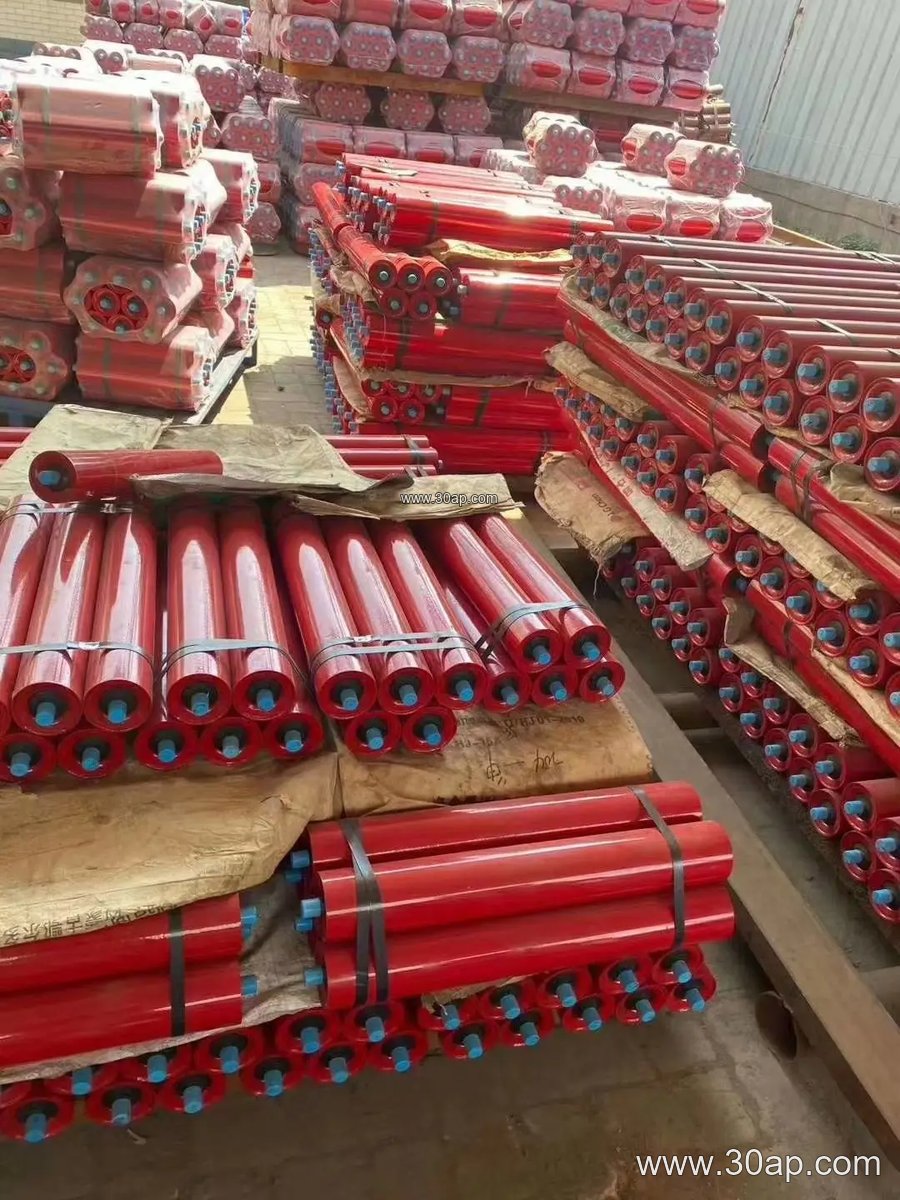
Bearings are sealed to keep out dust and water. Common bearing sizes include 6204, 6205, 6305, 6306, 6308, and 6310, matched to the roller diameter and load rather than to belt width alone. Roller diameters are typically selected from a range such as Ø89, Ø108, Ø127, Ø133, Ø159, and Ø178 mm. Belt widths may run from B500 up to B2000 or wider, and roller length is set by belt width, trough angle, and the number of rollers in the assembly.
| Item | Typical reference values |
|---|---|
| Roller diameter | Ø89, Ø108, Ø127, Ø133, Ø159, Ø178 mm |
| Belt width | B500 to B2000 mm and beyond |
| Trough angle | 20, 30, 35, 45 degrees |
| Bearing | 6204, 6205, 6305, 6306, 6308, 6310 |
| Roller surface | Steel, nylon, rubber ring, ceramic |
These figures are common references; final dimensions are confirmed by the conveyor design.
Where It Fits on the Conveyor
A guide idler is usually placed on the carrying side a short distance after the feed point, and again on the return run where the belt is prone to wander. In a quarry or aggregate line, it may sit behind a crusher discharge where lump size and off-center loading disturb tracking. In a coal handling system at a power plant, return-side guide idlers help control a flame retardant conveyor belt that has become slack or unevenly loaded.
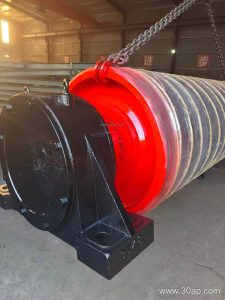
It is not a substitute for a drive pulley, tail pulley, or bend pulley. Those components transmit power and change belt direction, while the guide idler only corrects lateral position. Similarly, a training idler on the return run is a different arrangement from a troughing idler on the carry side, and each has its own mounting position. Getting the location right is as important as the roller itself.
Selection and Maintenance Notes
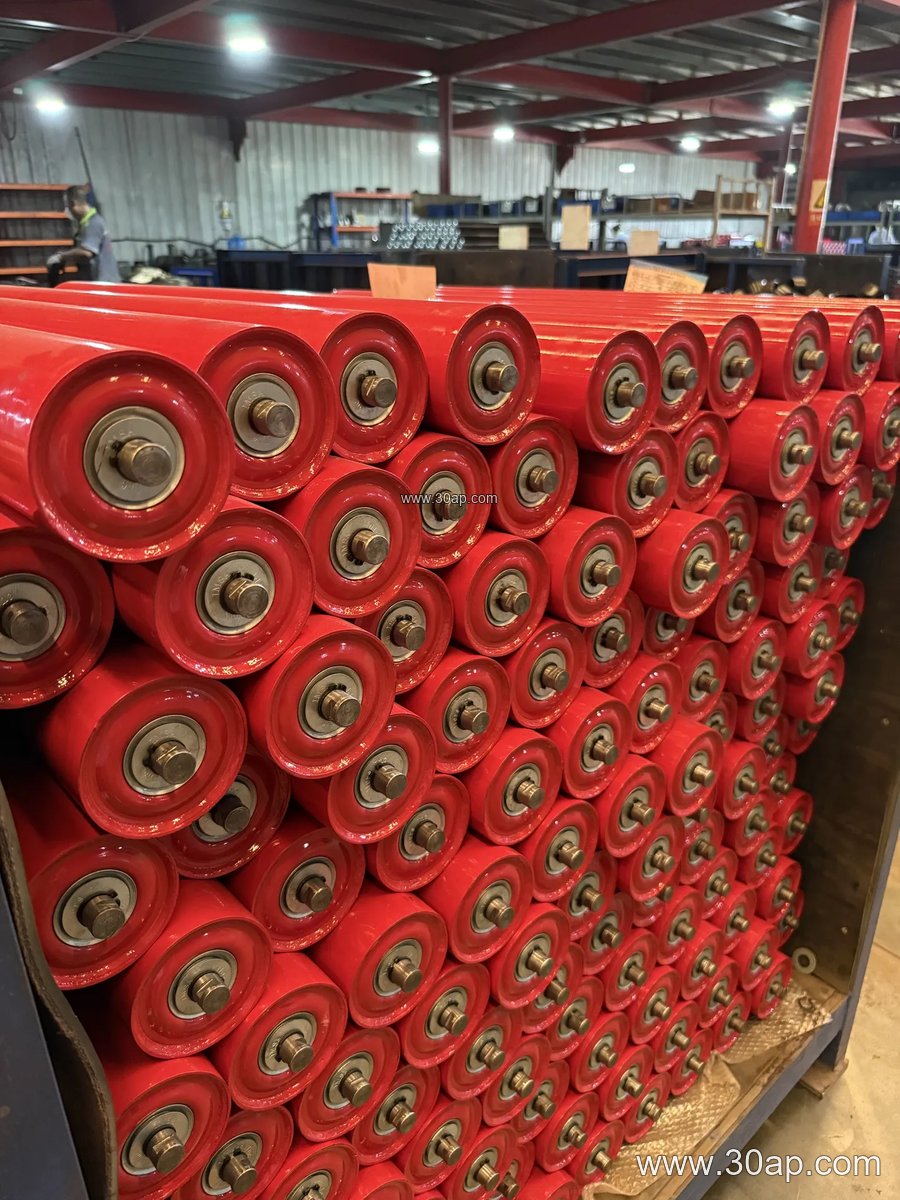
Buyers should confirm belt width, trough angle, roller diameter, shaft size, and mounting bracket pattern before ordering. The conveyor bracket and frame height must match the pivot assembly, and the roller surface should suit the material: abrasive iron ore or copper ore calls for a wear-resistant shell, while a food grade conveyor belt line needs a clean, compatible roller surface. Where the belt carries hot clinker or sinter, a heat resistant conveyor belt may be paired with heat-tolerant rollers and bearings.
Install the unit square to the belt center line and check that the pivot moves freely. Inspect seals and bearings at regular shutdowns, and remove built-up material that can jam the frame. A guide idler that cannot pivot is no longer correcting anything.
For matching conveyor components, including conveyor belt, idler roller, conveyor pulley, and conveyor bracket options, confirm dimensions against the actual conveyor drawing. A correctly sized anti-misalignment guide idler keeps the belt centered, reduces edge damage, and supports steady operation in mining, cement, steel, and port bulk handling.