What Is an Abrasion Resistant Conveyor Belt
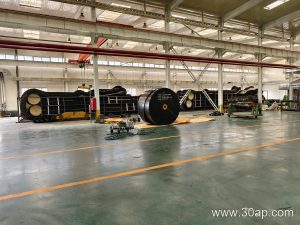
An abrasion resistant conveyor belt is a heavy-duty rubber belt designed to withstand the wear caused by sharp, hard, and abrasive materials such as crushed rock, ore, gravel, and clinker. It is commonly used in mining, quarrying, cement plants, power stations, and sand and gravel yards where standard belts would wear out quickly. This belt is often referred to as a high abrasion resistant conveyor belt or wear-resistant belt, and it may be based on fabric cores or steel cord construction depending on the load and tension requirements.
Construction and Key Components
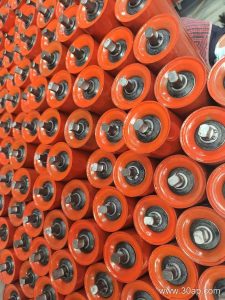
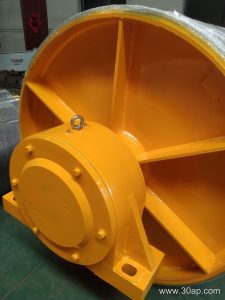
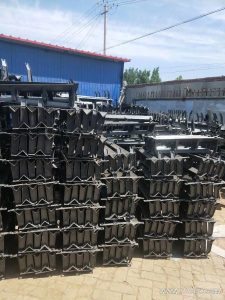
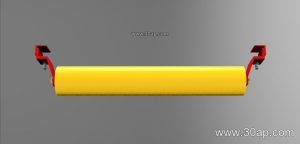
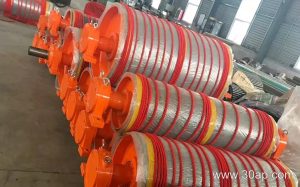
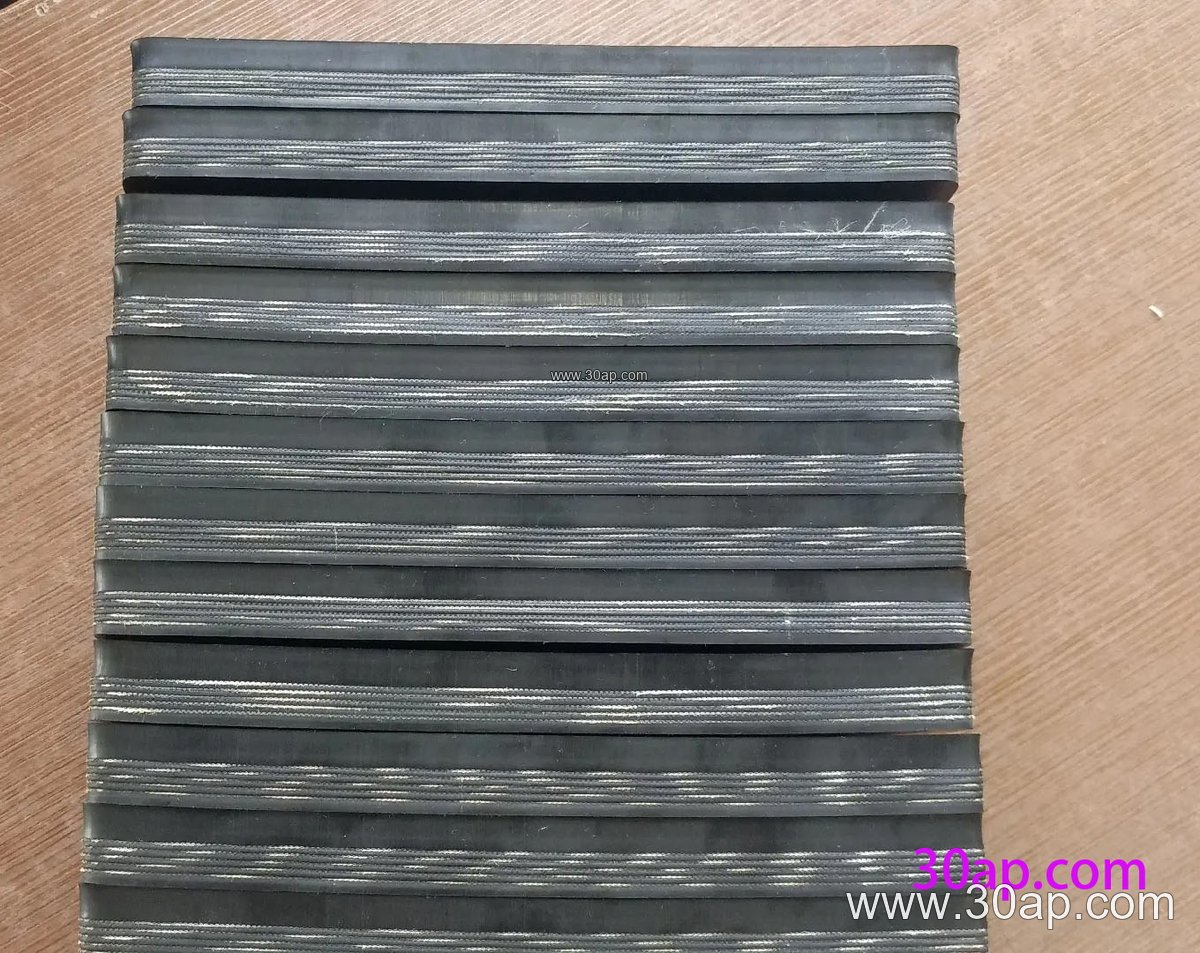
The belt typically consists of a rubber cover, a reinforcing carcass, and an optional breaker layer. The top cover rubber is compounded for high resistance to cutting, gouging, and abrasion, while the bottom cover protects the carcass from wear on the return side. The carcass can be multi-ply fabric (such as EP or NN) or steel cord, and the choice affects tensile strength, elongation, and impact resistance. Common cover thickness combinations include 4+2 mm, 5+2 mm, 6+2 mm, and 8+3 mm, with fabric plies usually ranging from 2 to 6 layers. The belt works together with conveyor pulleys, idler rollers, and conveyor brackets to form a complete handling system.
Where It Is Used
These belts are found in primary and secondary crushing circuits, screen feeds, transfer points, and long overland conveyors. In a quarry or aggregate plant, an abrasion resistant belt handles blasted rock and crushed stone. In a coal mine, a flame retardant and anti-static version may be required for underground use, but the abrasion resistant property remains important for coal and refuse handling. Cement plants use them for clinker and limestone, while power plants rely on them for coal and ash. Other industries include iron ore, copper ore, gold mining, and port ship loading.
Common Specifications and Types
Buyers will encounter abrasion resistant belts in several carcass types. EP conveyor belts (such as EP200, EP400, EP630, EP1000) and NN conveyor belts are common fabric core options. Steel cord conveyor belts (for example ST1000, ST1600, ST2500) are chosen for high tension and long distances. Belt widths often range from 500 mm to 2000 mm, with 800 mm, 1000 mm, 1200 mm, and 1400 mm being frequently requested. The table below gives reference examples, not fixed combinations.
| Type | Example Strength Grades | Typical Widths (mm) | Common Cover Thickness |
|---|---|---|---|
| EP fabric belt | EP200, EP400, EP630, EP1000 | 500–2000 | 4+2, 5+2, 6+2 |
| NN fabric belt | NN100, NN200, NN300 | 500–1800 | 4+2, 5+2 |
| Steel cord belt | ST1000, ST1600, ST2500 | 800–2000 | 6+2, 8+3 |
Special constructions such as chevron conveyor belt, corrugated sidewall conveyor belt, and skirted conveyor belt can also be produced with abrasion resistant covers when the application requires inclined transport or material containment. For underground coal mining, PVG conveyor belt (e.g., PVG800S) and PVC conveyor belt are common, and these may include abrasion resistant properties along with flame retardancy.
Selection and Maintenance Tips
Choosing the right abrasion resistant conveyor belt involves matching the belt strength and cover grade to the material lump size, drop height, throughput, and conveyor geometry. A belt that is too stiff for small pulleys may crack, while an under-specified cover will wear through quickly. Always consider the drive pulley, tail pulley, and bend pulley diameters as part of the system design; they are not interchangeable, and each affects belt life. Idler roller spacing and conveyor bracket alignment also influence wear. Regular inspection of the belt surface, edges, and splices helps prevent unexpected downtime. For high impact areas, an impact resistant conveyor belt or a thicker cover may be advisable, but the primary wear resistance should come from the abrasion resistant compound. Buyers should request the manufacturer’s data on cover hardness, tensile strength, and abrasion loss rather than relying on a single number.
For more information on abrasion resistant conveyor belts and related components such as idler rollers, conveyor pulleys, and conveyor brackets, please visit our website at www.example.com/abrasion-resistant-conveyor-belt or contact our technical team.