What the Conveyor Tail Pulley Does
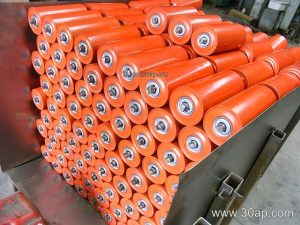
The conveyor tail pulley is the roller at the return end of a belt conveyor. It supports the belt as it comes back from the head and helps maintain tension and alignment before the belt enters the carrying run. Unlike the drive pulley, which transmits power, or a bend pulley, which changes belt direction, the tail pulley is primarily a guide and tension point. In many quarry and aggregate lines, a well-matched tail pulley reduces belt wander and extends splice life. It works alongside the conveyor belt, idler roller and conveyor bracket to keep the whole system stable.
Where It Sits in the Conveyor
On a typical stone crushing or cement plant conveyor, the tail pulley is mounted at the feed end. For a crusher conveyor belt, it often sits below the feed hopper, where fines and impact loads are present. In a coal mining conveyor belt system, the tail pulley may be part of a tensioning arrangement. The pulley is not interchangeable with a drive pulley or a bend pulley; each has a distinct role in power transmission, redirection and belt return.
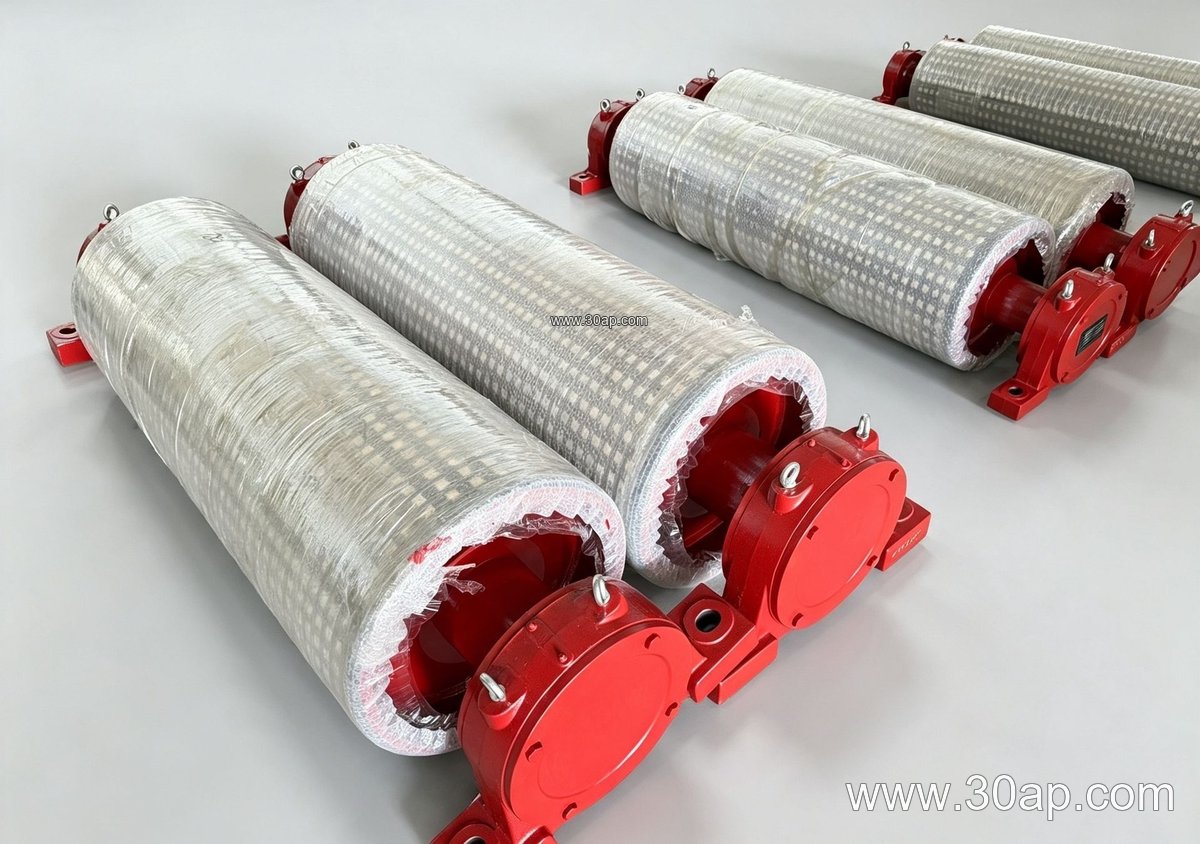
Construction and Surface Options
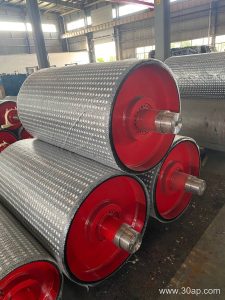
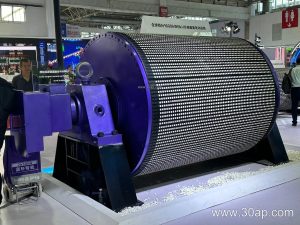
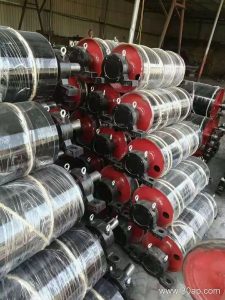
A conveyor tail pulley is usually built with a steel drum, shaft, bearing housings and a lagging surface. Common surface forms include plain, rubber lagging, diamond lagging and ceramic lagging. The right choice depends on material build-up and belt slip risk. For abrasive ore conveyor belt duties, diamond rubber lagging can improve grip and shed debris. In dusty cement plant conveyors, a plain or lightly lagged surface may be easier to clean. Lagging thickness is often 8, 10, 12, 15 or 20 mm, selected by design rather than by belt width alone.
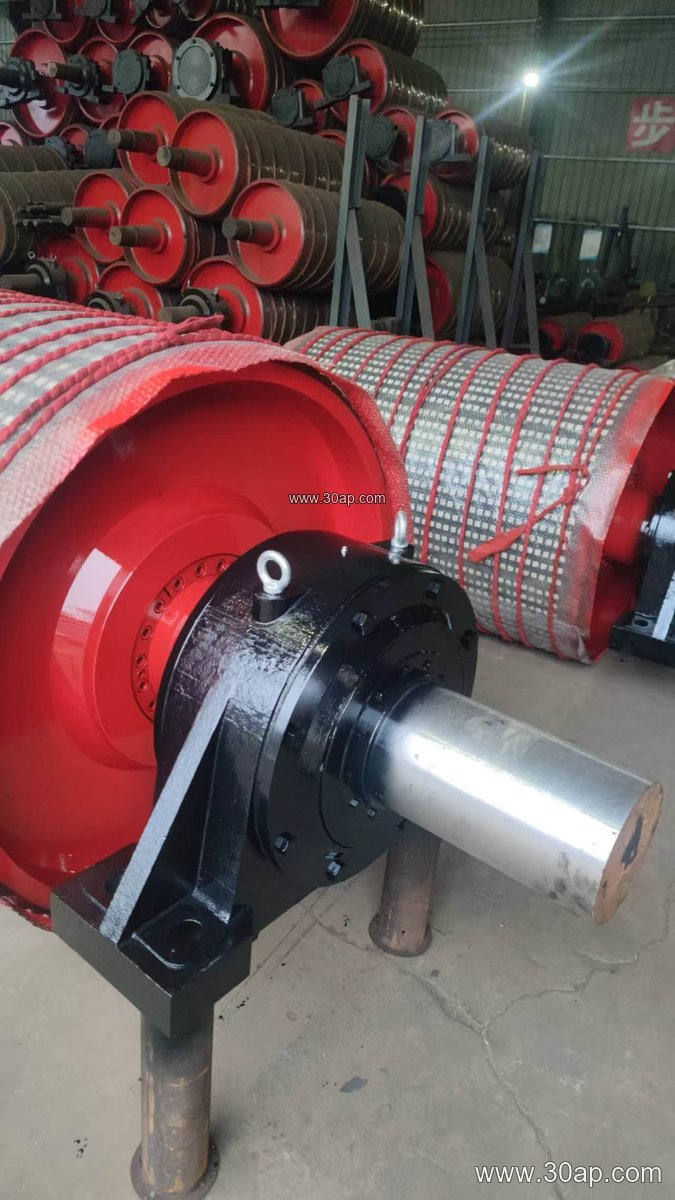
Common Dimensions
Tail pulley sizes are described by drum diameter and face width. Face width is usually a little wider than the belt. For example, a B800 conveyor belt may use a pulley face around 950 mm, while a B1200 belt may use about 1400 mm. Diameter choices include Ø200, Ø250, Ø315, Ø400, Ø500, Ø630 and larger. A B800 × Ø500 or B1200 × Ø1000 combination is common in some plants, but no single belt width requires one fixed diameter. Shaft diameter is determined by torque and load, not by belt width alone.
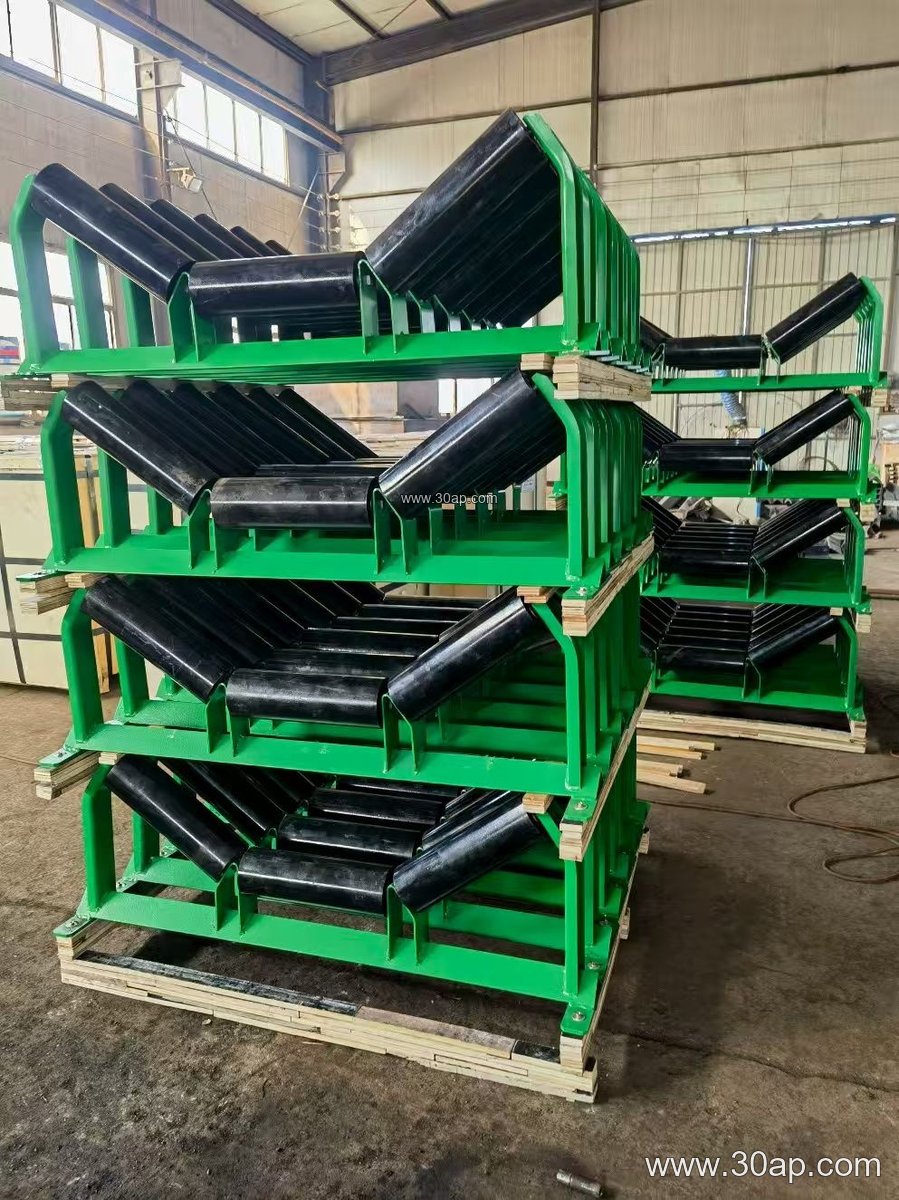
Applications Across Industries
You will find the conveyor tail pulley in limestone mines, iron ore plants, copper ore handling, coal preparation plants, power plant coal yards and port bulk terminals. In a sand and gravel line, it helps keep an aggregate conveyor belt centered after the discharge point. In a fertilizer or grain silo facility, a smooth-lagged tail pulley may be preferred to avoid material accumulation. The same component also appears on pipe conveyor belt systems and corrugated sidewall conveyor belt installations, where belt tracking is critical.
Matching With the Belt
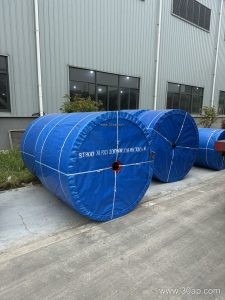
The tail pulley should suit the belt type. A heavy-duty mining conveyor belt with steel cord construction may need a larger diameter and robust lagging. An EP conveyor belt or multi-ply fabric core conveyor belt may run well with a moderate diameter and plain or rubber surface. For heat resistant conveyor belt or flame retardant conveyor belt duties, lagging material should be compatible with the environment. In underground coal mining conveyor belt systems, anti-static and fire resistant properties matter for the whole conveyor, including the tail pulley area.
Buyer Checklist
- Confirm belt width and pulley face width, for example B650 with about 750 mm face or B1000 with about 1150 mm face.
- Check drum diameter against belt thickness and minimum bend radius; do not assume one diameter fits all.
- Select lagging type and thickness based on abrasion, slip and material build-up.
- Specify shaft diameter by torque and load, with common options such as Ø80, Ø100, Ø120 or Ø140.
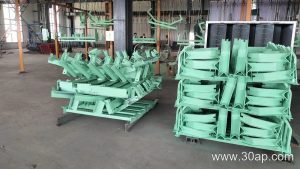
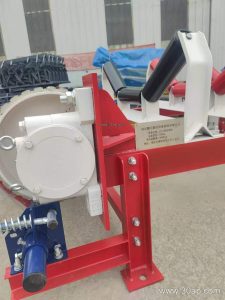
- Verify bearing housing and conveyor bracket compatibility before ordering.
- Consider the belt type, whether abrasion resistant conveyor belt, oil resistant conveyor belt or high temperature conveyor belt, when choosing the surface.
For a reliable return end, match the conveyor tail pulley to the actual belt, load and environment. It is a small part of the conveyor but a key one for tracking, tension and uptime in quarry, cement, power and bulk material handling operations.