What a Coal Mining Conveyor Belt Does
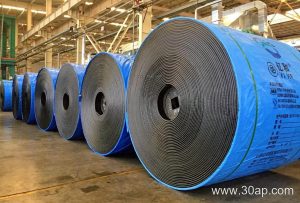
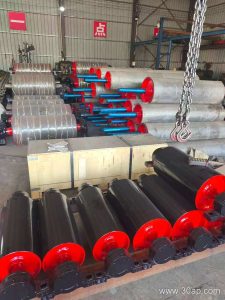
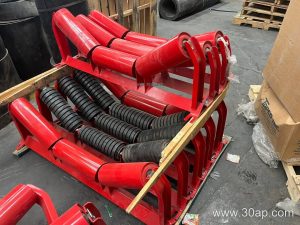
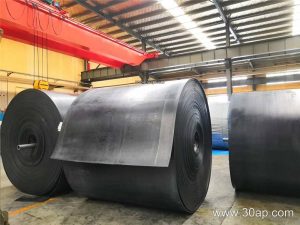
A coal mining conveyor belt is the load-carrying surface of a continuous haulage system. In a coal mine, power plant stockyard, cement quarry, or sand and aggregate yard, it moves lump coal, fines, and blended fuel between the face, crusher, stockpile, and loading point. The belt is only one part of the line; idler roller sets support it, a conveyor pulley drives and tensions it, and a conveyor bracket keeps the frame aligned. Matching these parts correctly matters as much as choosing the belt itself.
Because coal is abrasive, dusty, and sometimes exposed to water or fines that can self-heat, the belt compound and carcass must suit the duty. A flame retardant conveyor belt is commonly specified for underground coal mining conveyor belt runs, while surface coal handling may use an abrasion resistant conveyor belt or a heavy-duty mining conveyor belt with a thicker cover.
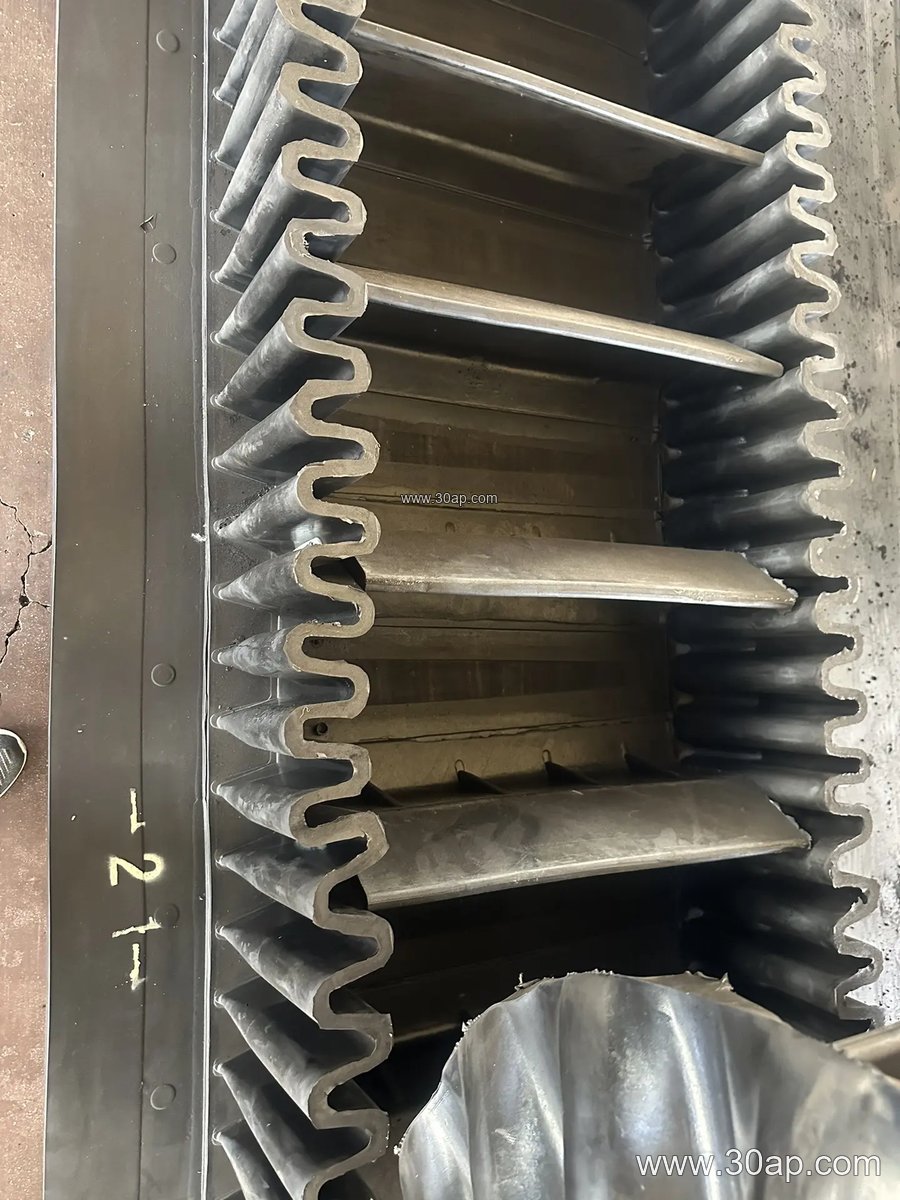
Construction of the Belt
The product is a composite: a tension-bearing carcass, top and bottom rubber covers, and often an anti-static conveyor belt treatment for safe operation in dusty atmospheres. Carcass options include fabric core conveyor belt built from EP or NN plies, and steel cord conveyor belt for long, high-tension flights.
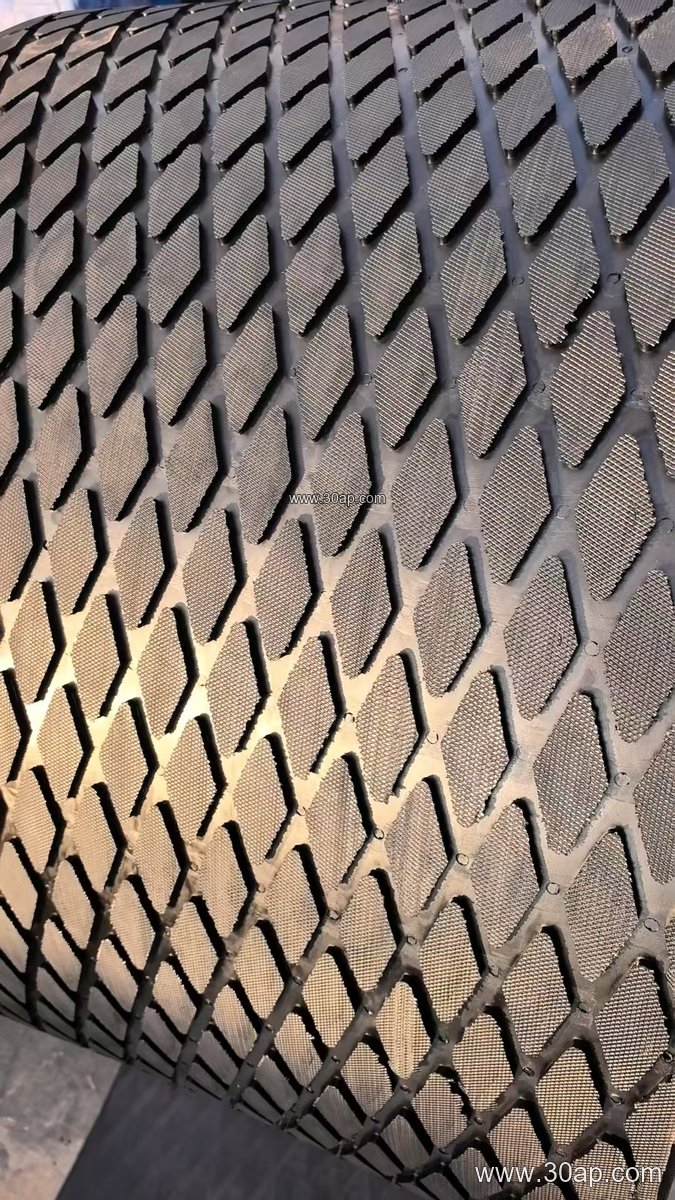
- Fabric cores: EP conveyor belt and NN conveyor belt are common; a multi-ply fabric core conveyor belt suits moderate tension and impact.
- Steel cord: steel cord conveyor belt is used where a single long center-to-center distance and high strength are needed.
- Solid-woven: PVC conveyor belt and PVG conveyor belt are often seen in underground coal mining conveyor belt service.
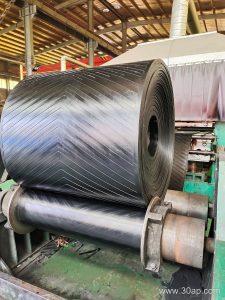
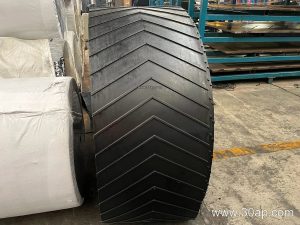
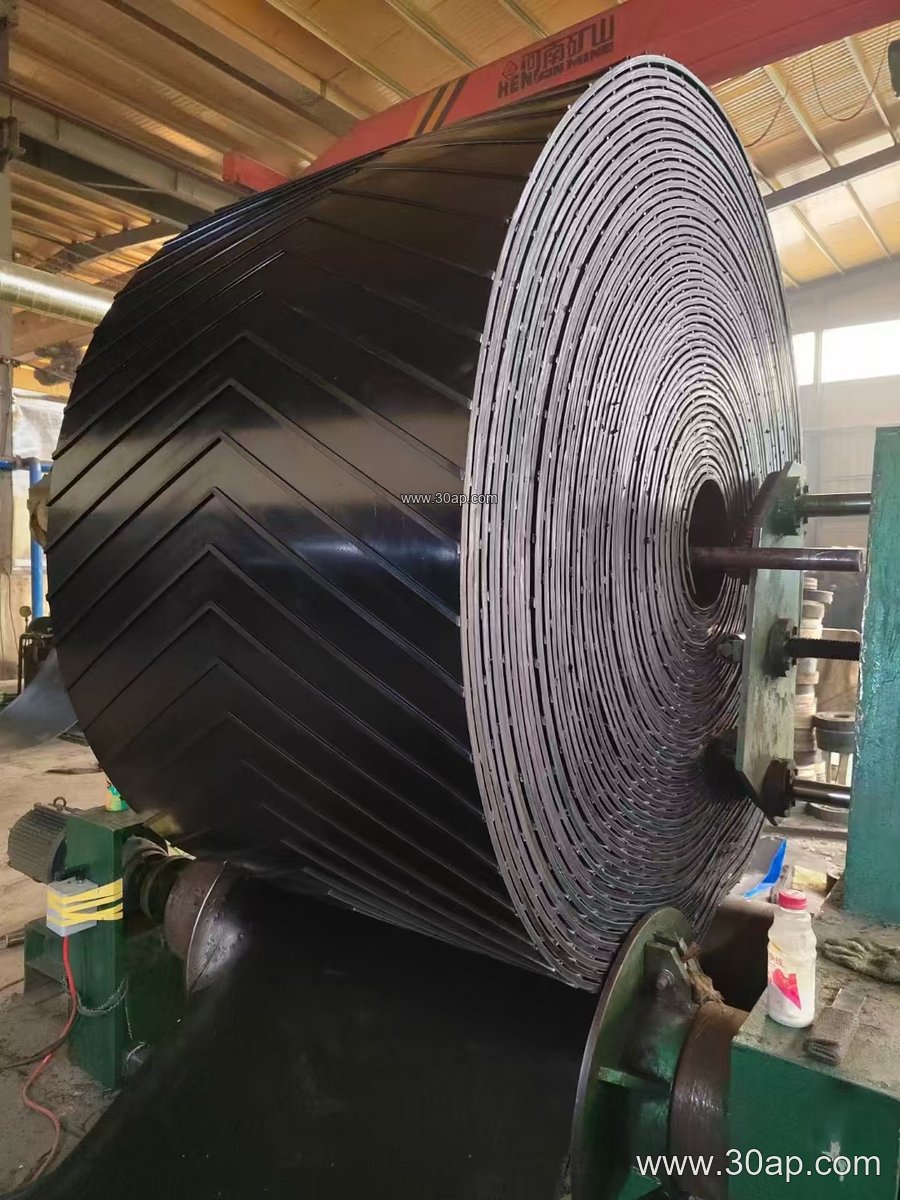
- Special covers: heat resistant conveyor belt, oil resistant conveyor belt, cold resistant conveyor belt, and chevron conveyor belt for inclined haulage.
Cover thickness is usually given as top plus bottom, for example 4+2 mm or 6+2 mm, with 2 to 6 plies common in fabric constructions. These are reference figures; final values are set by design and confirmed with the supplier.
Where It Is Used
Coal is not the only cargo. The same belt family appears in cement plants, steel plants, power plants, ports, crusher circuits, and stone crushing lines. In a quarry conveyor belt or aggregate conveyor belt duty, impact resistant conveyor belt grades help at transfer points. In a ship loading conveyor belt or port conveyor belt, wide belts such as 1200mm conveyor belt, 1400mm conveyor belt, and 1600mm conveyor belt are often selected for throughput. A pipe conveyor belt may be chosen where dust control and route curvature matter, and a corrugated sidewall conveyor belt or skirted conveyor belt helps contain material on steep inclines.
Common Specifications at a Glance
Values below are typical reference ranges, not fixed supply promises. Actual belt width, strength class, and cover grade follow the conveyor design.
| Item | Common reference values |
|---|---|
| Belt width | B500, B650, B800, B1000, B1200, B1400, B1600, B1800, B2000 |
| EP strength class | EP200, EP315, EP400, EP500, EP630, EP800, EP1000, EP1250, EP1600, EP2000 |
| Cover thickness | 3+1.5, 4+2, 5+2, 6+2, 8+3 mm |
| Ply count | 2 to 6 plies for fabric cores |
| Special grades | Flame retardant, anti-static, abrasion resistant, heat resistant, oil resistant, cold resistant |
A belt width does not dictate a single pulley diameter or shaft size; those are calculated from tension, wrap angle, and drive layout. Drive, tail, and bend pulleys have different roles and are not interchangeable.
Buyer Checklist
- Confirm the duty: coal, ore, cement clinker, or mixed bulk material conveyor belt service.
- State the environment: underground, dusty, wet, hot, or oily. This drives flame retardant conveyor belt or fire resistant conveyor belt selection.
- Give the conveyor geometry, including incline and transfer heights, so chevron, skirted, or corrugated sidewall options can be assessed.
- Share the required strength class and cover thickness, plus any anti-static or cold resistant requirement.
- Check that idler roller spacing, conveyor pulley specification, and conveyor bracket dimensions match the belt tension and load.
For coal mining conveyor belt projects, ask for the carcass type, cover grade, and splice method in writing. A properly specified belt, paired with the right idlers and pulleys, keeps haulage steady from mine face to stockpile.