What a Striped Lagged Pulley Is
A striped lagged pulley is a conveyor pulley whose shell carries a rubber or ceramic lagging with a striped surface pattern. The stripes, typically alternating raised ribs and grooves, run across or around the drum face. This pattern improves friction between the pulley and the conveyor belt while giving water, dust and fine material a path to escape from the contact zone. In many plants it is simply called a striped rubber lagged drum or a grooved lagging pulley.
The product is a driven or non-driven drum within a belt conveyor, and it should not be confused with a drive pulley, tail pulley or bend pulley as if those names were interchangeable. A striped lagged pulley can serve in any of those positions, but the position and duty determine how the lagging is specified.
Construction and Surface Options
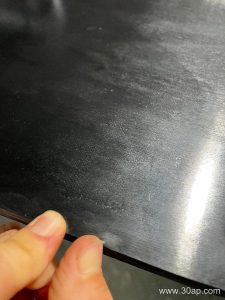
The core is usually a welded steel shell with a shaft, hub and end discs. Lagging is applied by hot vulcanization, cold bonding or casting, and the stripe pattern is formed during or after application. Common lagging thicknesses are 8, 10, 12, 15 and 20 mm. Rubber compounds are chosen for grip and wear life; ceramic tiles set in a striped layout suit high-wear discharge points.
Face width normally exceeds belt width so the belt is fully supported. Typical reference combinations include B800 with a Ø500 shell, B1200 with a Ø1000 shell, and B1400 with a Ø800 shell, but these are examples rather than fixed rules. Shaft diameter is selected from torque and load, commonly in the range of Ø80 to Ø200 for heavy duties, and is never derived from belt width alone.
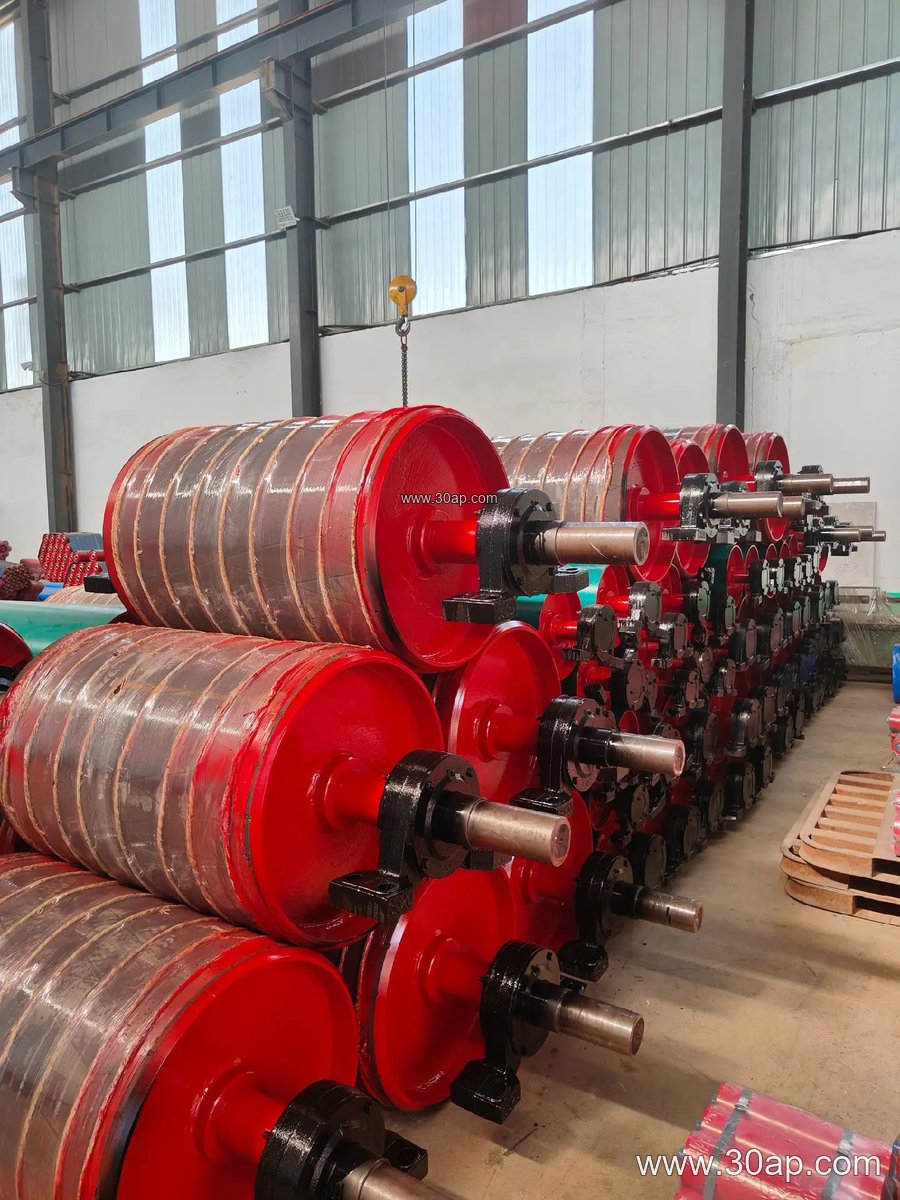
Common reference data
- Belt width range: B400 to B2400
- Shell diameter range: Ø200 to Ø1800
- Lagging thickness: 8 to 20 mm
- Surface forms: plain, cast rubber, cold-bonded rubber, hot-vulcanized rubber, diamond, chevron, ceramic, flat rubber
Where It Fits in a Conveyor
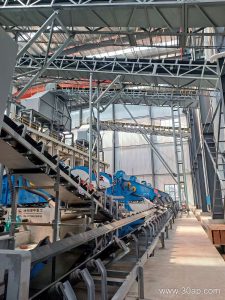
In a quarry or aggregate line, a striped lagged pulley is often found at the head or drive position where the belt must transmit high torque without slipping. In a coal handling plant or power plant coal yard, the stripe pattern helps shed coal dust and moisture that would otherwise reduce friction. Cement plants use them on clinker and raw material conveyors, while port bulk terminals rely on them at ship loading and yard conveyors.
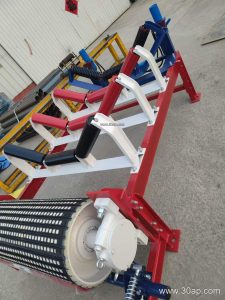
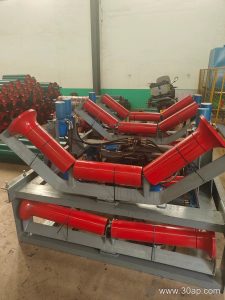
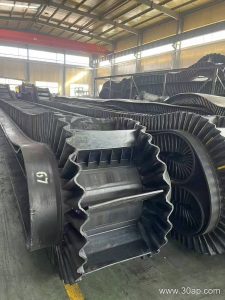
The pulley works together with the conveyor belt, idler roller sets and conveyor brackets. A heavy-duty mining conveyor belt, an abrasion resistant conveyor belt or a flame retardant conveyor belt all place different demands on lagging grip, so the drum specification should follow the belt and the load, not the other way around.
Selection Points for Buyers
Start with the duty: drive, tail, tension or bend. A striped lagged pulley at the tail may need a different stripe depth than one at the head, because the belt wrap angle and the amount of carryback differ. Confirm belt width, shell diameter, face width and lagging thickness together, and state the shaft diameter from the drive calculation.
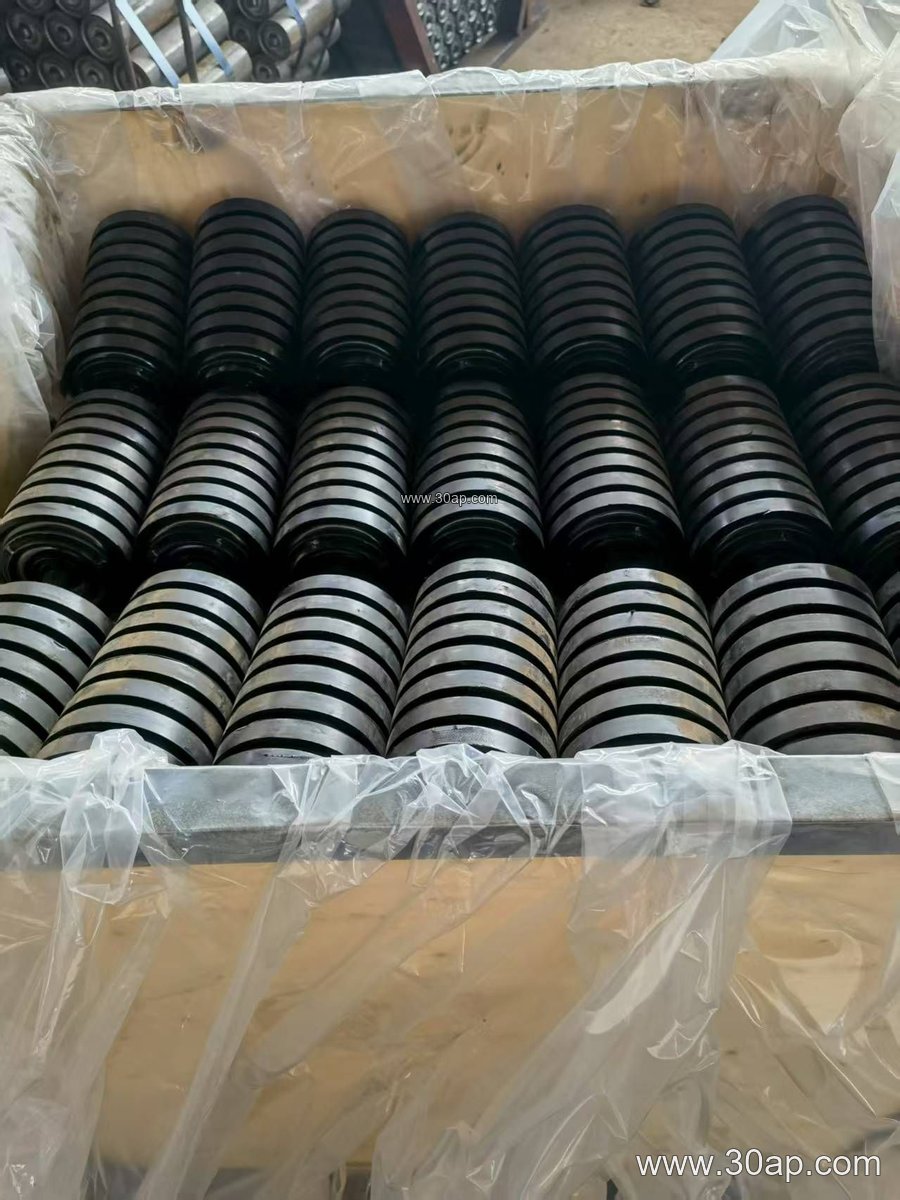
Check the environment. Washdown areas, dusty coal yards and hot clinker lines call for different rubber compounds. Where oil or chemicals are present, confirm compatibility before ordering. Where fire safety matters, ask for the relevant flame retardant grade rather than assuming it.
Ask for the stripe geometry in writing: rib height, pitch, direction and whether the pattern is straight or angled. Also confirm balancing, bearing type and the interface with the conveyor bracket. For a replacement drum, measure the existing shaft, keyway and bolt pattern before comparing catalogs. For related conveyor components, see guanxinconveyorbelt.com and guanxintransmission.com.
Maintenance and Long-Term Performance
Inspect lagging for wear, glazing, chunking and stripe loss at each shutdown. Worn stripes reduce grip and can allow belt slip, which raises heat and wear on both the drum and the belt. Keep the belt cleaner and the discharge area clear so material does not pack into the grooves.
Check fasteners, bearing condition and shaft alignment. A misaligned striped lagged pulley can cause belt tracking problems that look like lagging failure. Record shell diameter and lagging thickness at installation, then compare at each inspection so replacement can be planned before the belt starts slipping. For bulk material conveyors in mines, cement works and ports, a well-specified striped lagged pulley is a small component with a large effect on uptime.