What the Ø63.5 Conveyor Idler Is
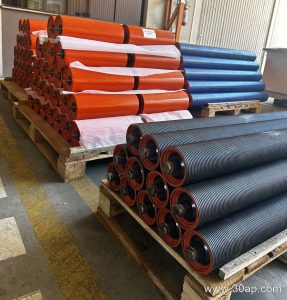
The Ø63.5 conveyor idler is a small-diameter carrying roller used to support the conveyor belt along the load-carrying and return sides of a belt conveyor. The number refers to the roller shell diameter, approximately 63.5 mm, which sits at the lower end of the common idler size range. Because of its compact shell, this idler roller is often chosen for lighter conveyors, narrow belts, or space-restricted sections where a larger roller would add unnecessary weight and height.
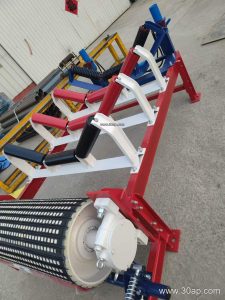
In practice, the Ø63.5 conveyor idler is frequently built as a three-roll troughing set, a two-roll arrangement, or a single return roll, depending on the belt width and the material being handled. It is a supporting component, not a drive element: the conveyor pulley at the head end pulls the belt, while the idlers simply carry it and keep it in shape.
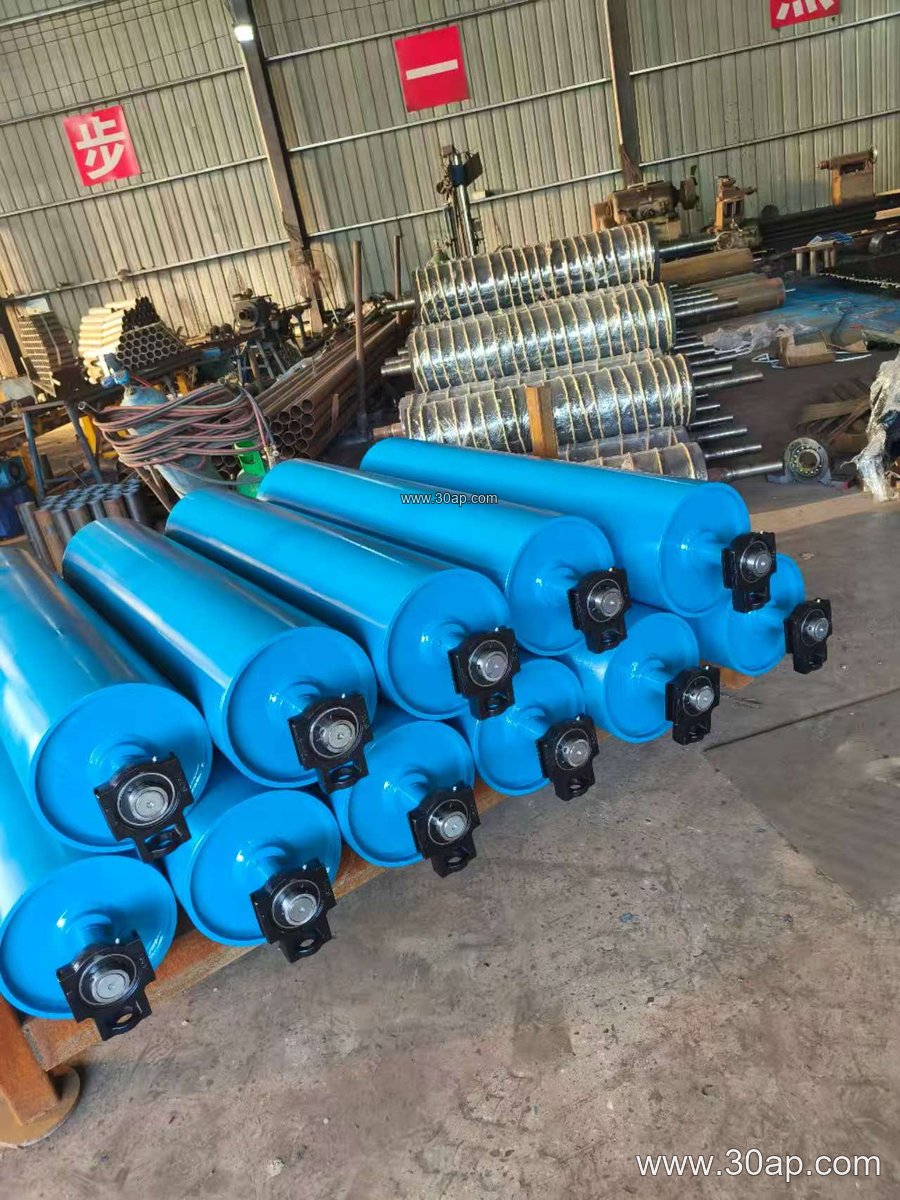
Construction and Typical Details
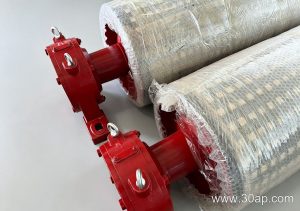
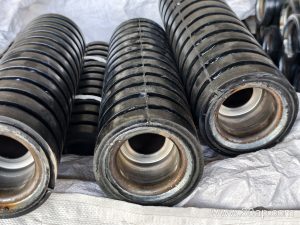
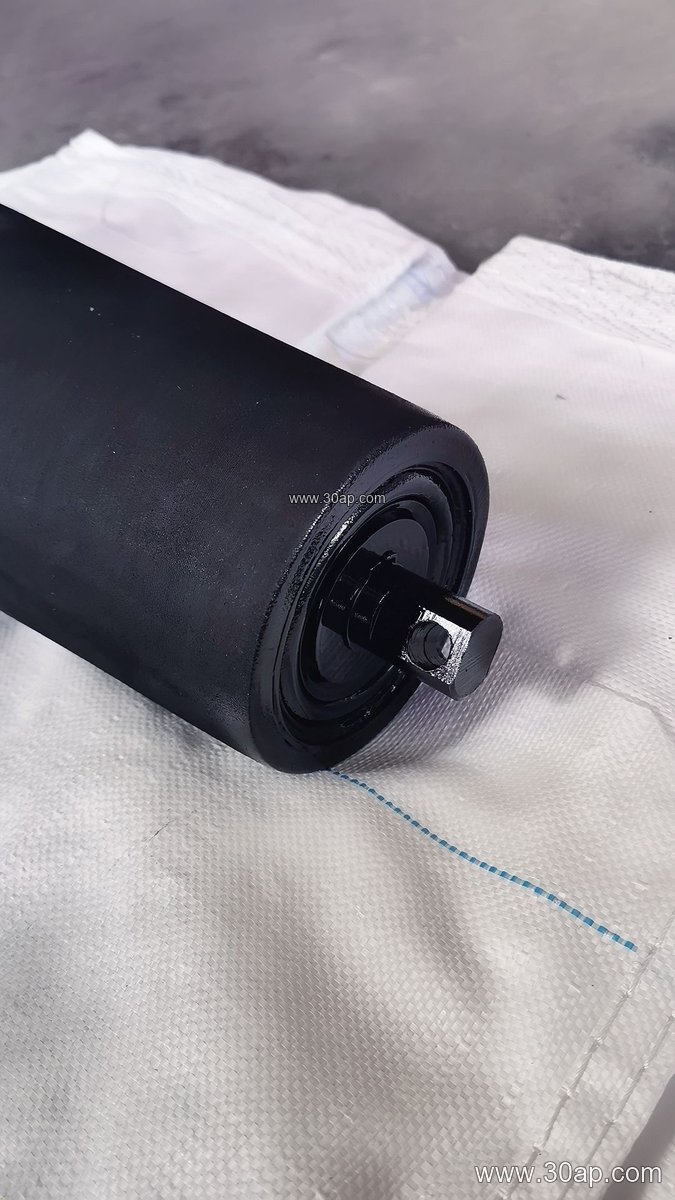
A typical Ø63.5 idler roller consists of a steel tube shell, a shaft, bearing housings, and sealed bearings at each end. The roller surface may be plain steel, nylon-coated, ceramic-covered, or fitted with rubber rings for cushioning. Bearing selection is normally matched to the load and speed rather than to the diameter alone; common bearing sizes such as 6204 or 6205 appear in small rollers, but the exact choice should follow the manufacturer’s design.
Sealing matters as much as the shell. Dust, fine grit, and moisture are the main enemies of idler bearings in quarry and cement environments, so effective labyrinth seals and good grease retention extend service life. The shaft ends usually locate in a conveyor bracket or frame, and the roll length varies with belt width, trough angle, and the number of rolls in the set.
Where It Fits on a Conveyor
The Ø63.5 conveyor idler is most often seen on the carrying side as part of a troughing set, and on the return side as a flat or V-return roll. On a narrow belt, a three-roll 20 or 30 degree trough may use this diameter comfortably. On wider belts, it may still appear in transition zones or in lighter-duty sections, while heavier positions typically move up to larger diameters.
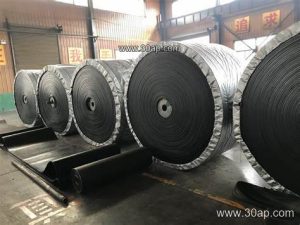
It is also used in sand and gravel lines, small crushing and screening circuits, and light-duty cement plant transfer points. Where the belt carries abrasive bulk material, an abrasion resistant conveyor belt paired with well-sealed idlers helps control wear on both components. In dusty coal handling or power plant coal yards, flame retardant conveyor belt grades are common, and the idler selection should match the same duty level.
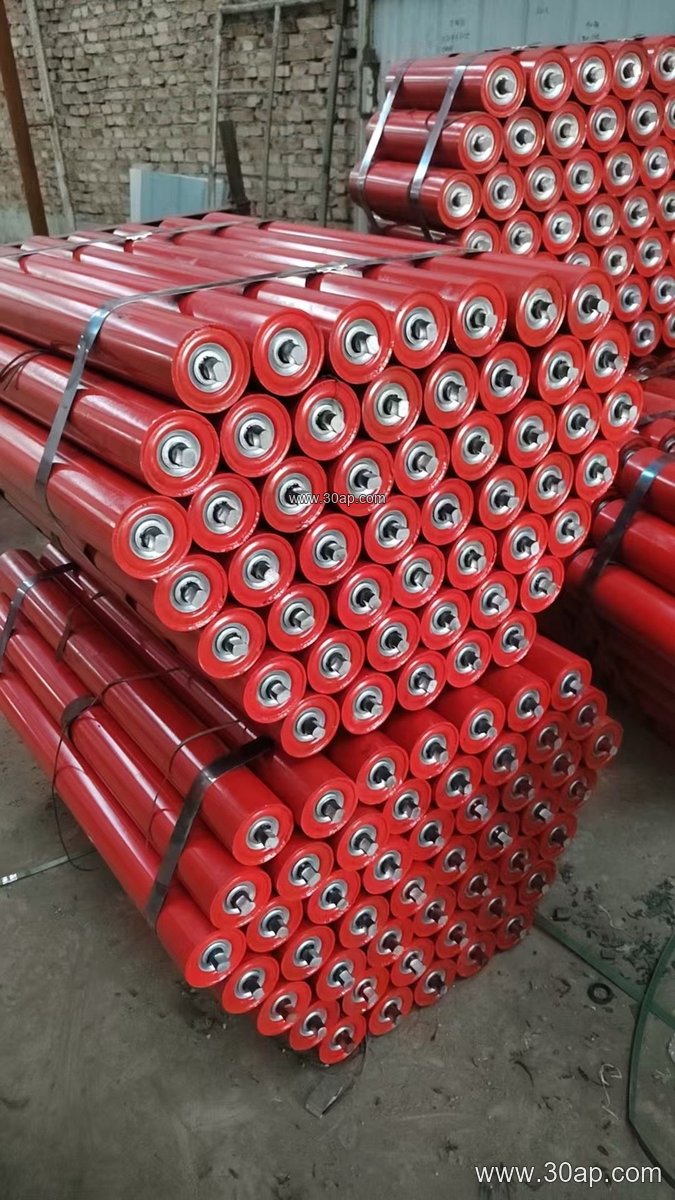
Common Size References
The table below gives indicative references only. Actual roll length, shaft size, and bearing type are determined by the conveyor design, belt width, trough angle, and load.
| Item | Typical Reference |
|---|---|
| Roller diameter | Ø63.5 mm |
| Related diameters in range | Ø63, Ø76, Ø89, Ø102, Ø108 mm |
| Belt widths often paired | B400, B500, B650, B800 |
| Trough angles | 20°, 30°, 35° |
| Roll length examples (three-roll trough) | B500 about 200 mm; B650 about 250 mm; B800 about 315 mm |
| Bearing examples | 6204, 6205, 6305 |
| Surface options | Steel, nylon, ceramic, rubber ring |
These figures are common examples, not fixed matches. A B650 belt does not have to use one particular roll length, and a Ø63.5 shell does not dictate a single shaft diameter. Side rolls and center rolls in the same set can differ.
Selection and Maintenance Notes
- Check the belt width and trough angle first, then confirm the roll length and mounting bracket dimensions.
- Match the idler duty to the material: abrasive ore or quarry stone calls for durable seals and a wear-resistant shell, while sticky or wet material may need a self-cleaning arrangement.
- Confirm bearing size and seal type with the supplier rather than assuming from the roller diameter.
- Inspect for seized rolls, worn shells, and loose brackets during routine walks; a failed idler can damage the belt and increase power draw.
- Keep spare rolls for critical transfer points so a single worn idler does not stop the line.
For conveyors running EP conveyor belt or multi-ply fabric core conveyor belt, the Ø63.5 idler is a practical light-duty support choice. On heavier mining conveyor belt systems, larger diameters usually take the main load, but the small roller still has a place in narrow or auxiliary runs. Matching the idler to the belt, the material, and the frame keeps the whole conveyor running smoothly.