What a Coal Mining Conveyor Belt Does Underground and on the Surface
A coal mining conveyor belt is the load-carrying element of a continuous haulage system that moves raw coal from the face, transfer points, and stockpiles to preparation plants, silos, or loading stations. In a coal mine, the belt works under conditions that are far harsher than those in a general factory: wet fines, sharp lumps, dust, methane-related safety requirements, and often confined space. The belt is only one part of the circuit; conveyor pulleys, idler rollers, and conveyor brackets all interact with it, and their alignment and condition directly affect belt life.
The same product is also called a coal conveyor belt or a mining conveyor belt, and in underground installations an underground coal mining conveyor belt. These are equivalent names for the same article, not different product families.
Construction of the Belt
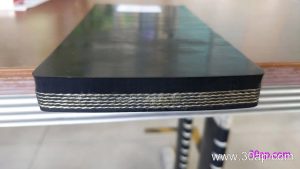
Most coal haulage belts are fabric-cored or steel-cord reinforced rubber belts. The carcass provides tensile strength and troughability, while the cover rubber protects the carcass from abrasion, impact, and moisture. Common constructions include:
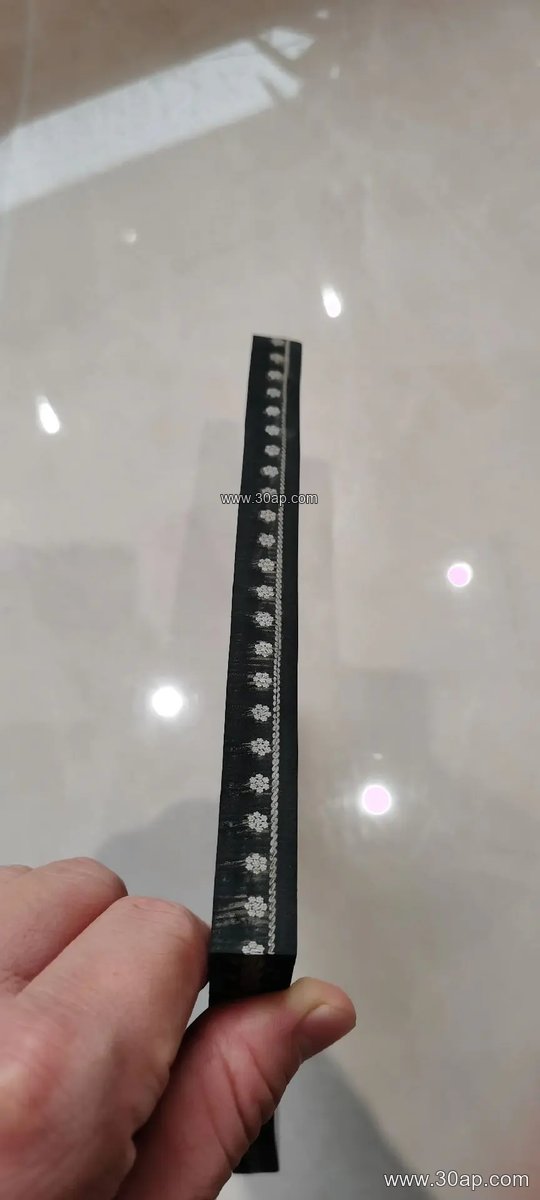
- Multi-ply fabric core, typically 2 to 6 plies, using EP (polyester-cotton) or NN (nylon-nylon) fabric.
- Steel cord carcass for long, high-tension trunk conveyors.
- PVC or PVG solid-woven belts for flame-retardant underground service where rubber covers are restricted.
Cover rubber thickness is normally specified as top plus bottom, for example 4+2 mm, 5+2 mm, 6+2 mm, or 8+3 mm. A heavier top cover suits lumpy coal with sharp edges; a thinner cover is adequate for screened or washed product. The cover compound may also be selected as abrasion resistant, flame retardant, anti-static, or oil resistant, depending on the duty.
Common Specifications and How They Are Referenced
Belt strength is quoted by the carcass grade, and width by the belt width in millimeters. The table below gives typical reference ranges; actual values are confirmed by the conveyor designer for each installation.
Fabric Core Grades
| Reference grade | Typical use |
|---|---|
| EP200, EP315, EP400 | Short to medium panel and transfer conveyors |
| EP500, EP630, EP800 | Main gate and drift conveyors |
| EP1000, EP1250, EP1600, EP2000 | Long trunk and high-tension surface conveyors |
Steel Cord Grades
| Reference grade | Typical use |
|---|---|
| ST1000, ST1250, ST1600 | Medium-length high-capacity trunk lines |
| ST2000, ST2500, ST3150 | Long overland and high-lift conveyors |
Common Belt Widths
| Width | Typical duty |
|---|---|
| B500, B650, B800 | Panel, gathering, and small transfer conveyors |
| B1000, B1200, B1400 | Main underground and plant conveyors |
| B1600, B1800, B2000 | Surface trunk, drift, and stockyard conveyors |
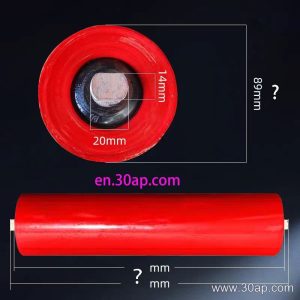
Width and pulley diameter are matched by the conveyor designer rather than by a fixed rule; a wider belt does not automatically require one particular pulley size. Shaft diameter is also a function of load and pulley construction, not of belt width alone.
Where the Belt Is Used
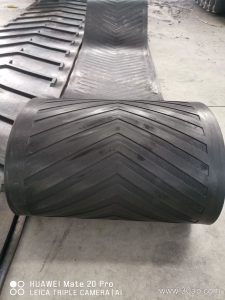
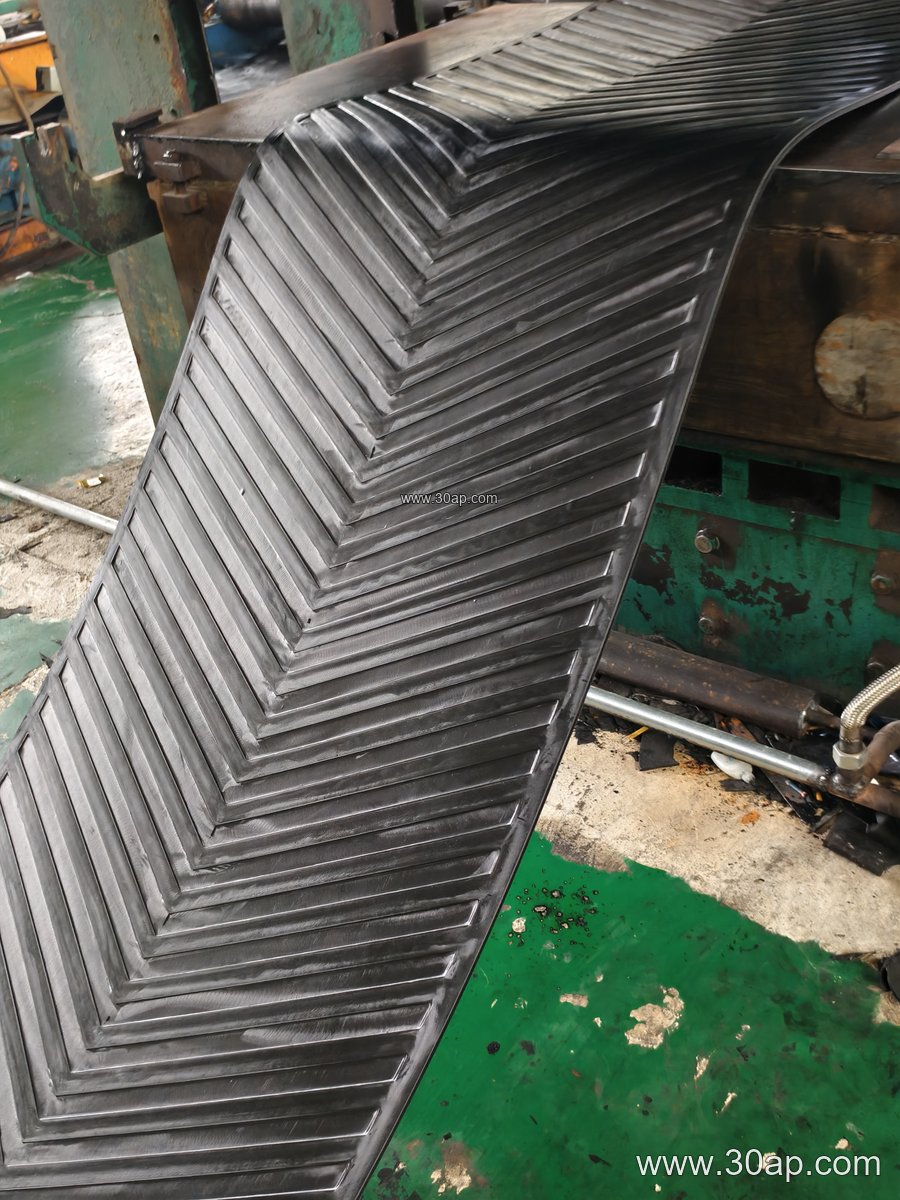
Coal is the classic application, but the same heavy-duty belt appears in cement plants, power plant coal yards, quarries and aggregate plants, iron ore and copper ore handling, and port ship-loading systems. In a coal preparation plant, a flame retardant conveyor belt is often specified for enclosed galleries, while a heat resistant belt may be needed after dryers or near hot material. In cold regions, a cold resistant cover helps prevent cracking at start-up. For steep inclines, a chevron conveyor belt or a corrugated sidewall belt may be used instead of a smooth belt, but these are incline-specific variants rather than replacements for flat trunk belts.
Buyer Checklist
- Confirm the carcass grade and number of plies against the calculated tension, not against a neighboring conveyor.
- State the coal size, moisture, and drop height so the cover thickness and impact resistance can be set.
- Check flame retardant and anti-static requirements for underground service, and confirm how the supplier declares them.
- Review splice type and whether an endless conveyor belt is required for the main drive.
- Inspect pulley lagging, idler roller spacing, and bracket alignment before blaming the belt for tracking or edge wear.
- Ask for the cover compound data and the recommended storage and re-tensioning practice.
For most mines, belt choice is a system decision: the coal mining conveyor belt, the conveyor pulley, the idler roller, and the conveyor bracket should be specified together. A correctly matched belt on a misaligned structure will still fail early, so maintenance of the whole line is as important as the belt grade printed on the delivery note.