What a Q235 Conveyor Bracket Does on the Line
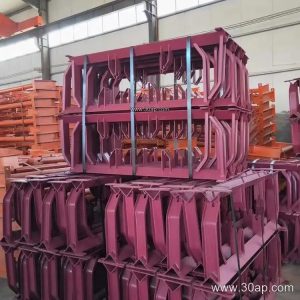
A Q235 conveyor bracket is the steel frame that holds idler rollers in position under and along a conveyor belt. It sets the trough angle, keeps the roller spacing steady, and transfers the load from the belt into the conveyor structure. In a quarry, a coal washing plant, or a cement clinker line, this bracket is often the least visible part of the system, yet it decides how well the belt tracks and how long the rollers last.
Because Q235 is a common low-carbon structural steel, the bracket is easy to weld, cut, and bend. That makes it a practical choice for general bulk material conveying where the frame must resist vibration and moderate impact without becoming heavy or costly to fabricate.
How the Frame Is Put Together
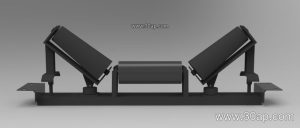
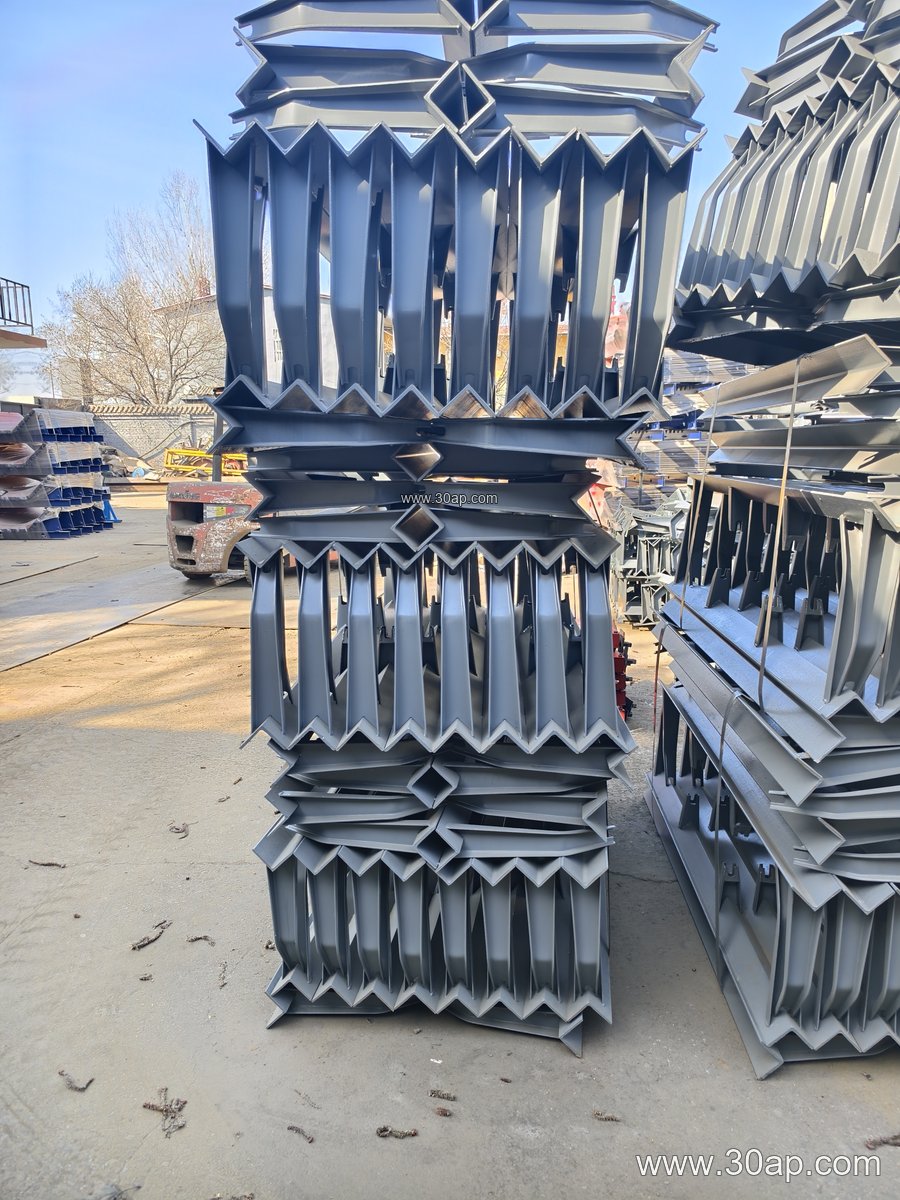
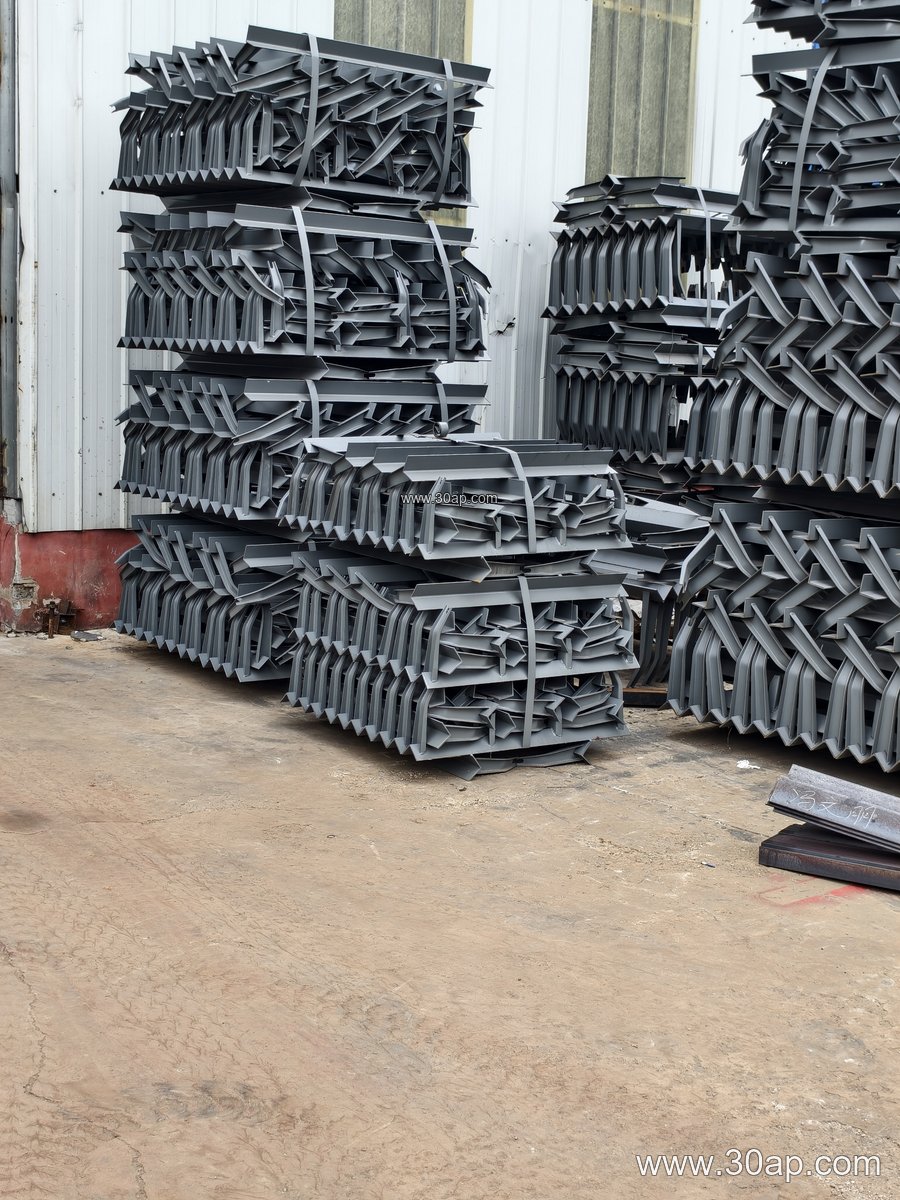
Most units combine angle steel, channel steel, and folded steel plate. The crossbeam carries the roller mounts, while the end feet bolt to the conveyor stringer. Slots or multi-hole patterns allow the trough angle to be set during installation. A typical frame may be supplied as a fixed trough bracket or as an adjustable bracket that can be set between common angles such as 20, 30, 35, and 45 degrees.
- Folded plate side arms for the trough profile
- Channel or angle crossbeam for stiffness
- Drilled mounting plates for the roller shaft
- Bolted or welded feet for the conveyor frame
Impact zones near a crusher discharge often use a buffer bracket with rubber or spring cushions, while the return run may use a flat or V-return bracket. These are different bracket subtypes, not interchangeable with the trough bracket on the carrying side.
Matching Bracket, Belt, and Roller
Selection starts with belt width and the duty of the line. A B800 belt on a sand and gravel line may run with a 35-degree trough and Ø108 rollers, while a B1200 line in an iron ore plant might use a 45-degree trough and Ø133 rollers. These are common reference combinations, not fixed rules. Wider belts usually need longer crossbeams and heavier sections, and the hole spacing follows the design rather than a single universal number.
| Belt width | Typical trough angle | Common roller diameter |
|---|---|---|
| B500 | 20–30 degrees | Ø89 |
| B650 | 30 degrees | Ø89–Ø108 |
| B800 | 30–35 degrees | Ø108 |
| B1000 | 35 degrees | Ø108–Ø133 |
| B1200 | 35–45 degrees | Ø133 |
| B1400 | 35–45 degrees | Ø133–Ø159 |
| B1600 | 35–45 degrees | Ø159 |
| B1800–B2000 | 35–45 degrees | Ø159–Ø194 |
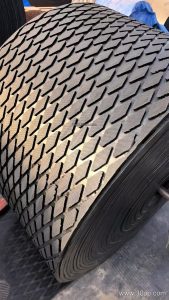
The bracket must also suit the belt itself. A heavy-duty mining conveyor belt or a steel cord conveyor belt carries more tension and load, so the frame and roller mounts need enough stiffness. On a chevron conveyor belt or a corrugated sidewall conveyor belt, check clearance around the roller and the skirt so the profile does not rub the bracket.
Where These Frames Are Used
You will find them on the carrying side of a limestone quarry line, under a crusher conveyor belt, and along the return run in a power plant coal yard. In a cement plant they support the clinker and raw meal belts; in a fertilizer or grain silo facility they keep the trough stable on long spans. The same frame style also appears on a port conveyor belt handling aggregate or ore.
In dusty or wet conditions, a self-aligning bracket or a forward-tilted bracket can help the belt stay centered. Where fines and moisture cause buildup, smooth surfaces and adequate clearance under the roller reduce material packing.
Buyer Checklist Before Ordering
Confirm the belt width, the required trough angle, the roller diameter, and the mounting hole pattern on the existing conveyor frame. State whether the position is carrying, return, impact, or transition. Ask for the steel section size and the surface treatment, since paint, galvanizing, or bare steel changes site work. For a coal mining conveyor belt or an underground coal mining conveyor belt, confirm that the bracket fits the flame retardant conveyor belt and fire resistant conveyor belt requirements of the installation. Buyers sourcing through beltconveyorparts.com often compare bracket drawings with the roller and pulley schedule before release, and many also review idler roller and conveyor pulley data at conveyoridlerparts.com to avoid mismatches on site.
Finally, do not treat one sample size as universal. A B650 line with Ø89 rollers and a 30-degree trough is a different assembly from a B1600 line with Ø159 rollers and a 45-degree trough. Order by drawing and duty, not by habit.