What a Conveyor Pulley Assembly Includes
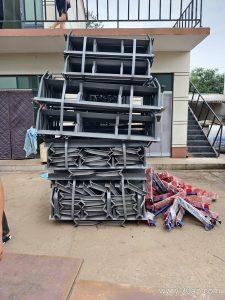
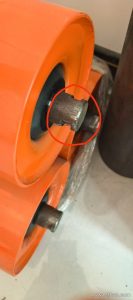
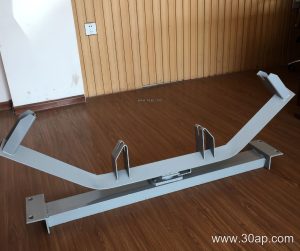
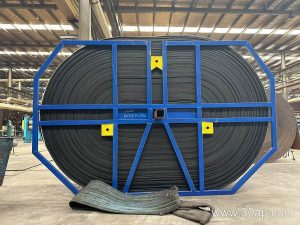
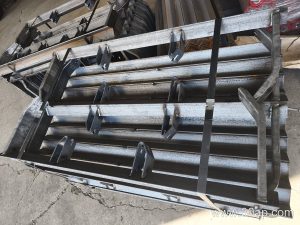
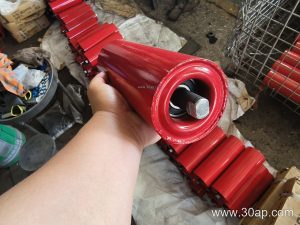
A conveyor pulley assembly is more than a bare drum. It is the complete rotating unit that drives, tensions, or redirects a conveyor belt, and it typically includes the cylindrical shell, end discs, shaft, bearing housings, and a lagging surface when required. In a quarry or a coal handling plant, this assembly is the point where motor torque becomes belt motion, so its construction and balance directly affect uptime. The assembly works together with the conveyor belt, idler rollers, and conveyor brackets to keep material moving from one transfer point to the next.
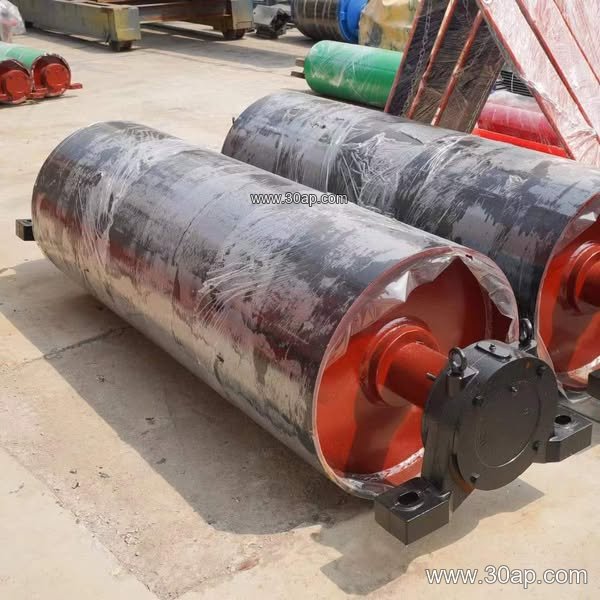
Drive, Tail, and Bend Pulleys Are Not Interchangeable
Position determines duty. A drive pulley (also called a head pulley) transmits power and usually carries the highest torque load, so its shaft and lagging are selected for traction. A tail pulley sits at the loading end and often includes a take-up function to maintain belt tension. A bend pulley changes belt direction without driving, and it is common on long overland or plant conveyors to route the belt around obstacles. These three roles are distinct, and a bend pulley cannot replace a drive pulley in a drive station. The same logic applies to tension pulleys and snub pulleys, which serve specific geometric needs rather than general substitution.
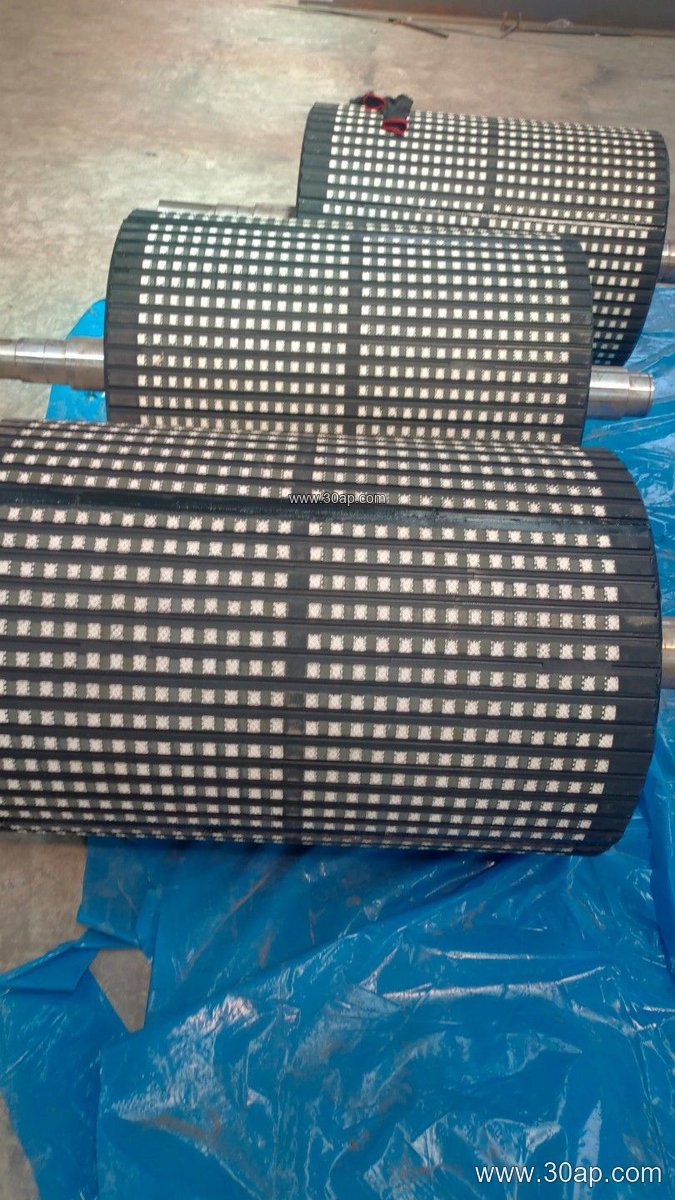
Construction Details That Matter
The shell is usually rolled steel, machined for concentricity, and welded to end discs that connect to the shaft. Shaft diameter is determined by torque and load, not by belt width alone, and common shaft sizes include Ø80, Ø100, Ø120, Ø140, and Ø160 mm depending on the design. Bearing selection, sealing, and housing stiffness all influence service life in dusty or wet conditions. Lagging is another key layer: plain surface, cold-bonded rubber, hot-vulcanized rubber, diamond grooving, herringbone pattern, or ceramic lagging may be specified. Lagging thickness commonly ranges from 8 mm to 20 mm, and the choice depends on whether the priority is grip, wear resistance, or material release.
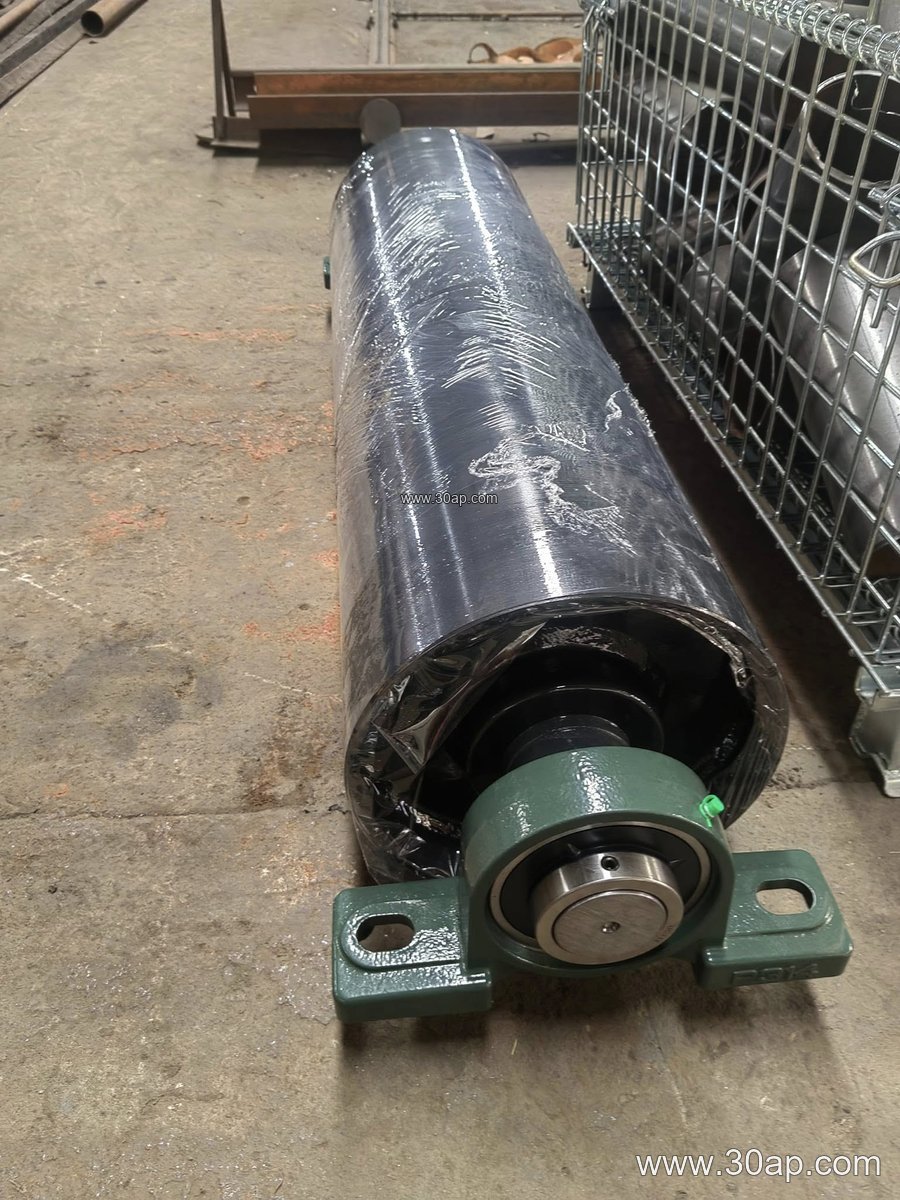
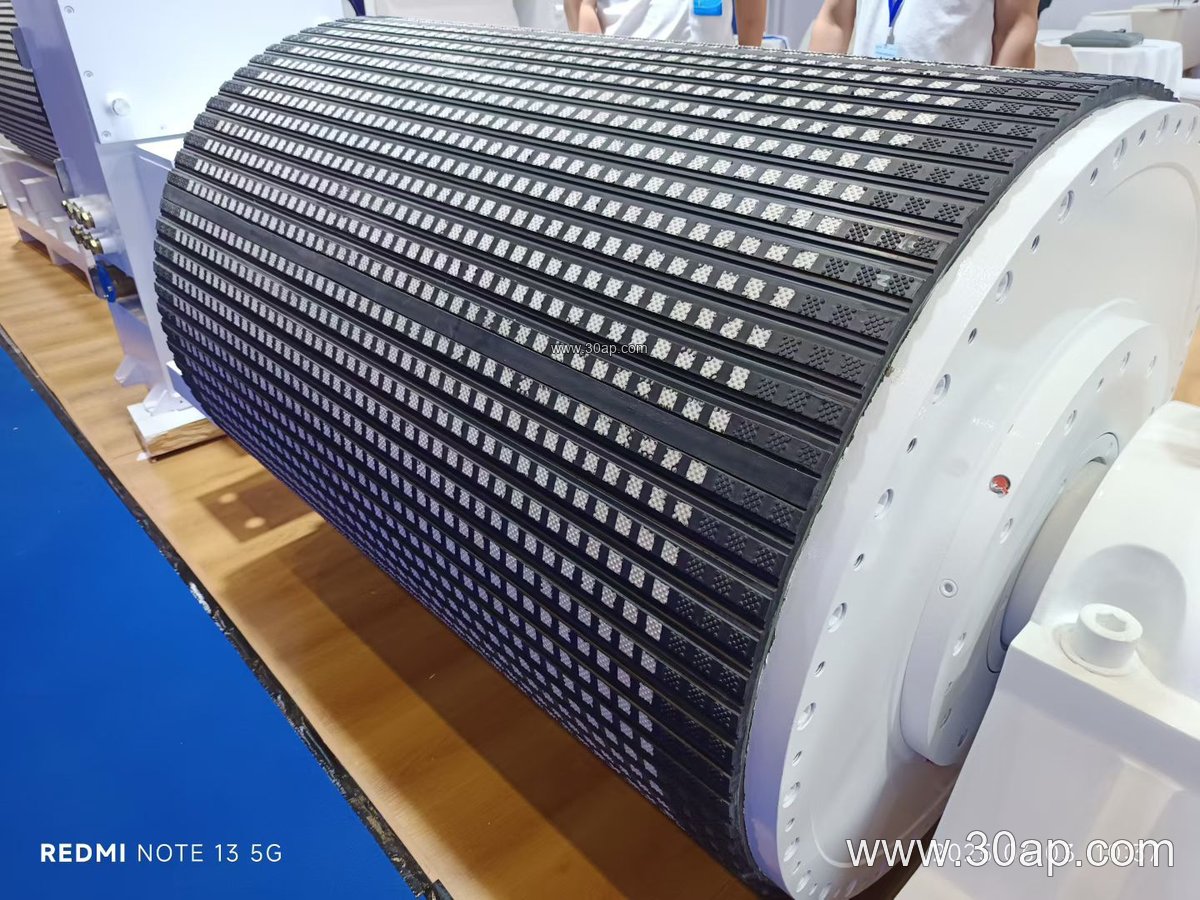
Matching the Assembly to Belt Width and System Layout
Pulley face width is normally wider than the belt to allow for tracking movement. For example, a B800 belt often runs on a pulley with roughly 950 mm face width, while a B1200 belt may use about 1400 mm face width. Diameter is selected from belt tension, wrap angle, and space constraints, not from a fixed rule. A B800 × Ø500 assembly might suit a moderate-duty transfer, while a B1200 × Ø1000 assembly is more typical of a main drive in an aggregate or cement plant. These combinations are examples, not mandatory pairings. The same applies to shaft size: a 1200mm wide conveyor belt does not automatically require one specific shaft diameter.
Where These Assemblies Are Used
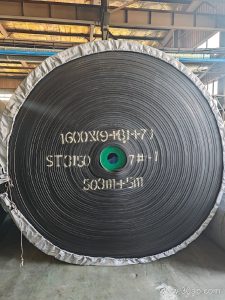
In a limestone mine or a sand and gravel line, drive and tail pulley assemblies handle abrasive rock and demand robust sealing. In a coal preparation plant, flame retardant conveyor belt and anti-static properties matter alongside pulley reliability. Cement plants use them on clinker and raw meal conveyors, where heat and dust are constant concerns. Power plant coal handling, port bulk terminals, and steel plant sinter lines also rely on well-matched pulley assemblies. In each case, the pulley works with the conveyor belt, idler roller, and conveyor bracket to maintain alignment and tension.
Buyer Checklist for Pulley Assemblies
- Confirm the pulley role: drive, tail, bend, take-up, or snub.
- Provide belt width, belt type, and maximum operating tension.
- Specify lagging type and thickness if traction or wear resistance is critical.
- State environmental conditions such as dust, moisture, temperature, or washdown.
- Check shaft and bearing sizing against actual torque and radial loads.
- Ask for dynamic balance and runout tolerances for high-speed applications.
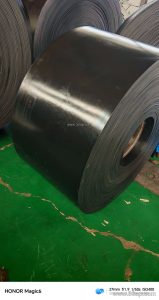
For harsh duty, buyers often pair the assembly with a heavy-duty mining conveyor belt or an abrasion resistant conveyor belt. In food or clean applications, a food grade conveyor belt may be used, but the pulley assembly still needs smooth, non-shedding lagging. Whatever the industry, the assembly should be specified as a system component rather than a generic drum. At www.beltconveyorparts.com, pulley assemblies are discussed alongside conveyor belt and idler roller selection to help buyers match the full conveyor package.