What a Flame Retardant Conveyor Belt Is
A flame retardant conveyor belt is a bulk material handling belt whose rubber or PVC covers and core construction are formulated to resist ignition and limit flame spread. It is not the same as a belt that simply carries hot material; heat resistance and flame retardancy address different risks. In mines, coal preparation plants, cement works, power stations and port terminals, this belt is often specified together with anti-static properties so that static discharge does not become an ignition source.
The product is also known as a fire resistant conveyor belt. Both names describe the same family of belting, and buyers should confirm which performance route the supplier is following rather than treating the two terms as separate products.
How the Belt Is Built
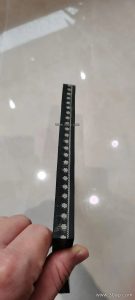
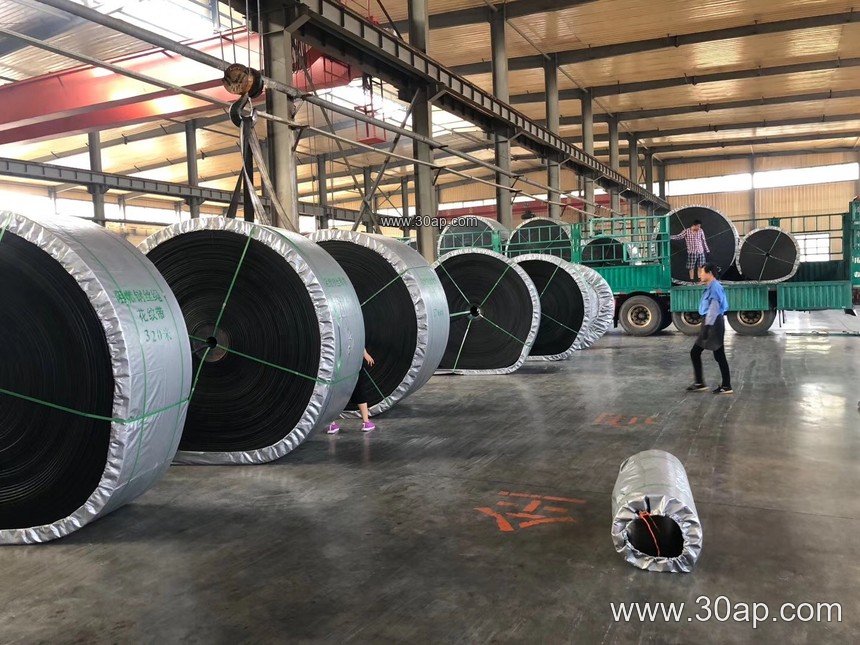
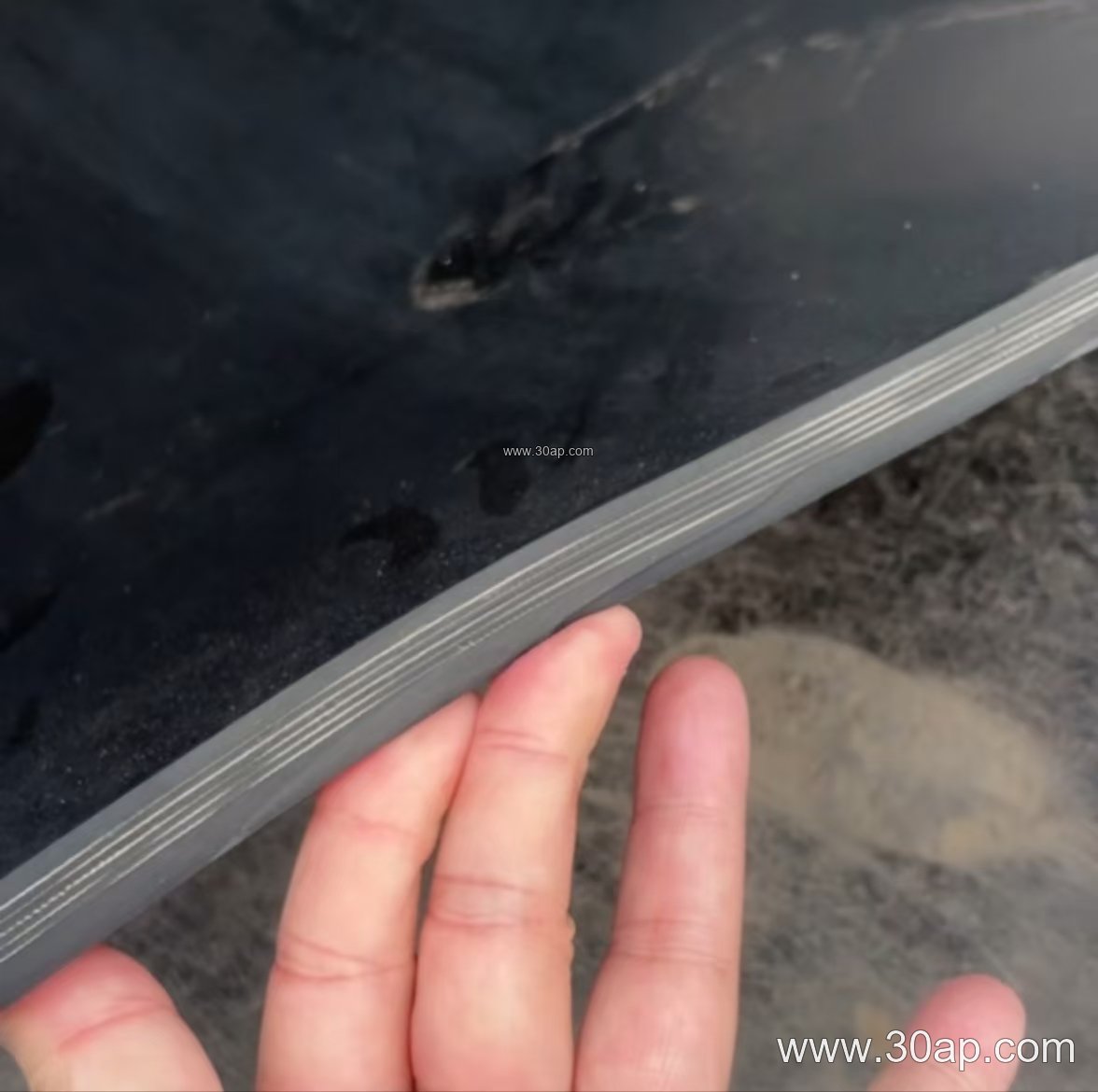
Most flame retardant belts use a fabric core, a steel cord core, or a solid-woven PVC/PVG carcass. The cover compounds contain halogenated or non-halogenated flame retardant systems, and the carcass may include conductive components for static dissipation. Construction details matter because a thick cover can protect the core but also affect flexibility and troughing.
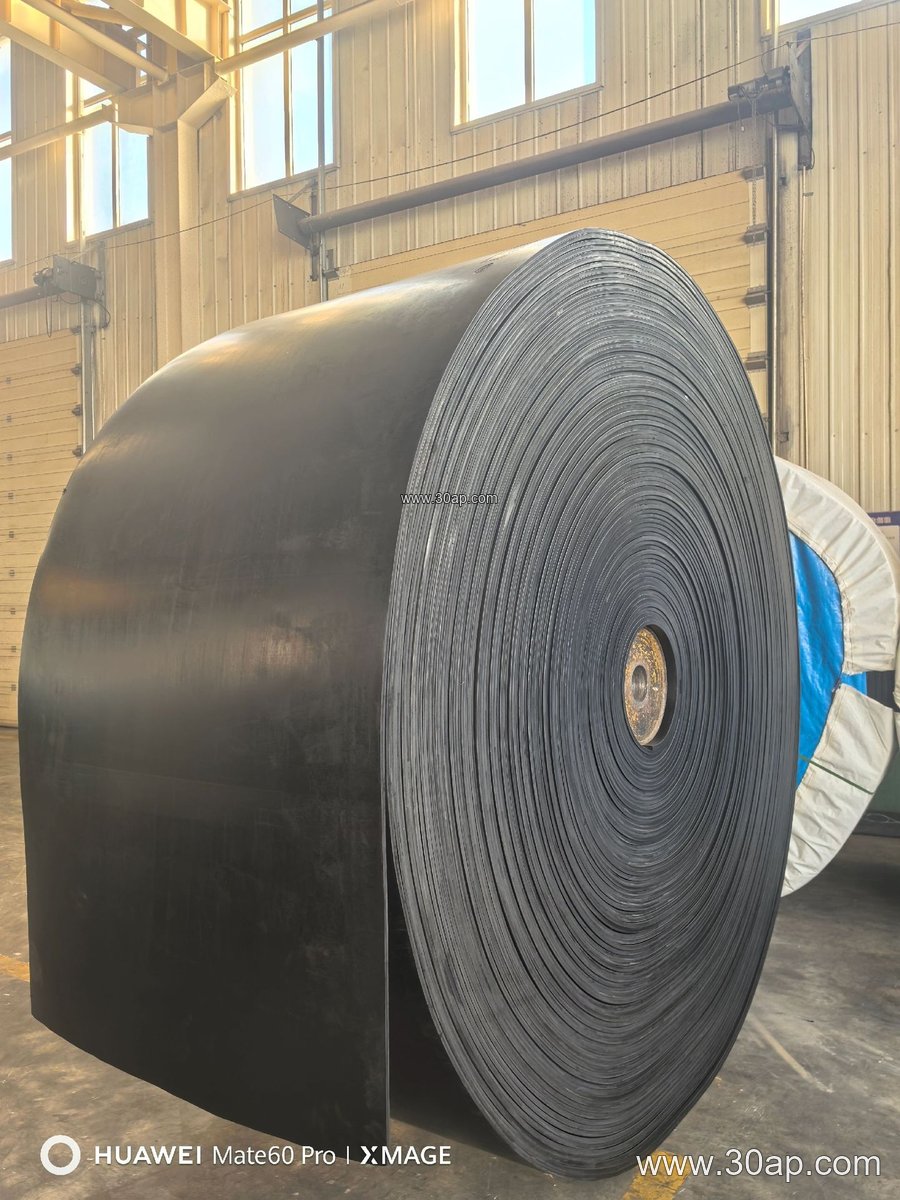
Common carcass options include EP fabric, NN nylon fabric, multi-ply fabric core and steel cord. A flame retardant conveyor belt may be supplied as an EP conveyor belt with modified covers, or as a steel cord belt for long overland routes. PVC and PVG belts are widely used in underground coal mining because they combine flame retardancy with good resistance to moisture and cutting.
Reference construction data
The values below are typical reference points, not fixed supply promises. Actual construction is confirmed by design and by the manufacturer’s data sheet.
| Item | Common reference range |
|---|---|
| Fabric core plies | 2 to 6 plies |
| Cover thickness | 3+1.5, 4+2, 5+2, 6+2, 8+3 mm |
| Belt width | B500, B650, B800, B1000, B1200, B1400, B1600, B1800, B2000 |
| EP strength grades | EP200, EP315, EP400, EP500, EP630, EP800, EP1000, EP1250, EP1600, EP2000 |
| Steel cord grades | ST1000, ST1250, ST1600, ST2000, ST2500, ST3150 |
| PVC/PVG grades | PVG800, PVG800S |
Width and strength are selected independently. A 1200mm wide belt can be paired with different pulley diameters and different tension ratings; there is no single shaft or pulley size that follows automatically from belt width.
Where It Is Used
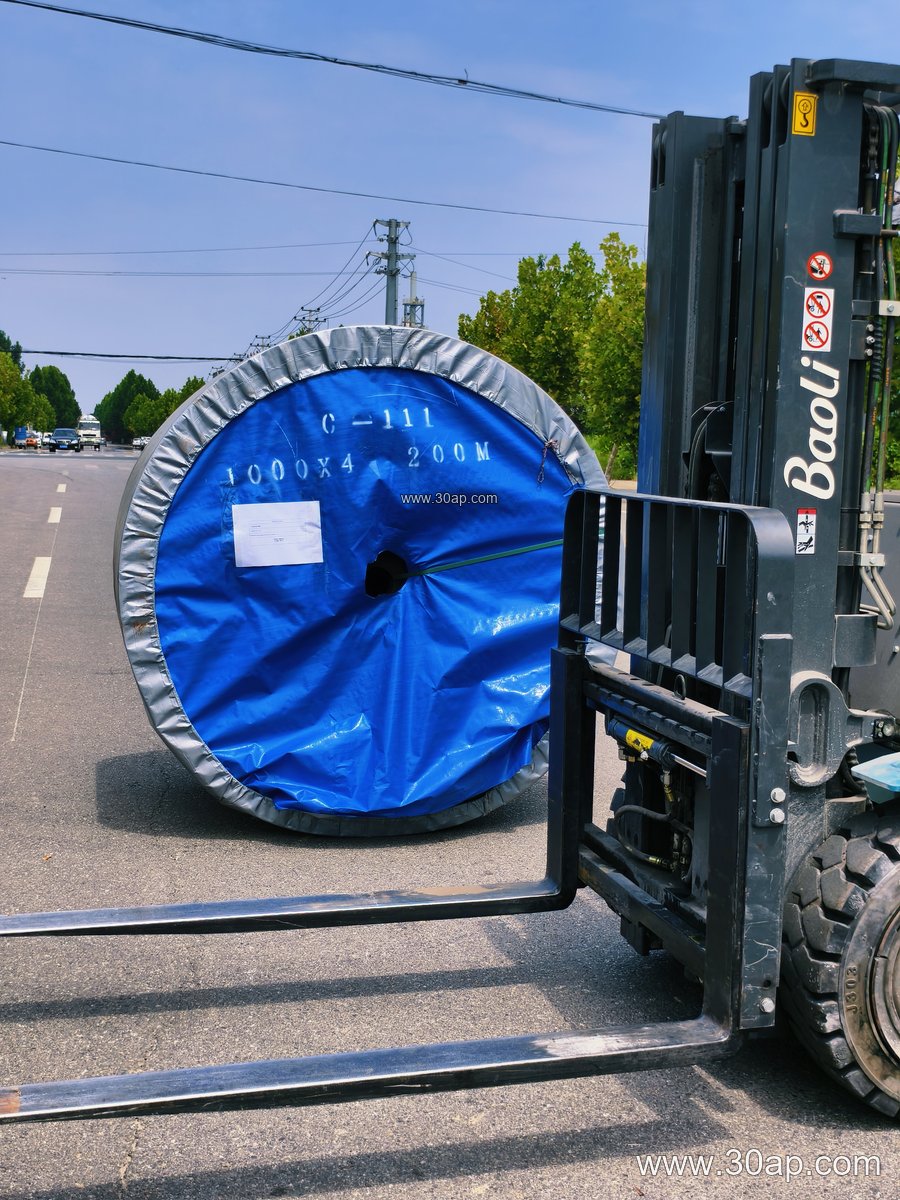
The main applications are underground coal mining, coal handling in power plants, cement kilns and clinker lines, quarry and aggregate plants, and dusty transfer points where ignition risk is real. A coal mining conveyor belt must usually satisfy both flame spread and anti-static requirements, while a quarry conveyor belt may prioritise abrasion resistance on the top cover.
Other industries use the same belt family for different reasons. A cement plant conveyor belt handles hot clinker and fine dust, so a heat resistant conveyor belt may be needed on the same line as flame retardant belting. Port and ship loading systems often combine a flame retardant conveyor belt with impact resistant covers at the loading point. Recycling and construction waste lines may choose a flame retardant belt where batteries, oils or mixed waste create fire risk.
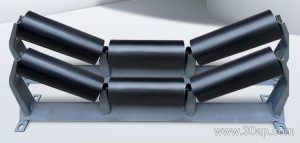
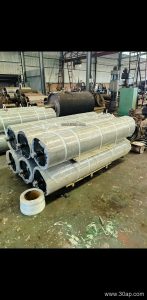
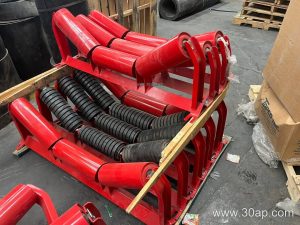
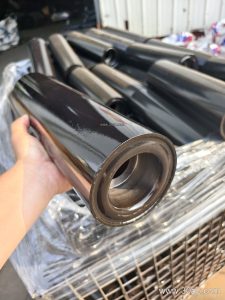
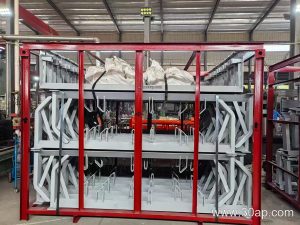
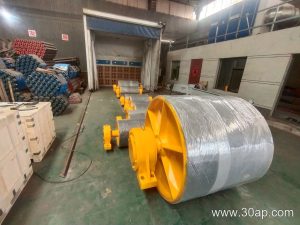
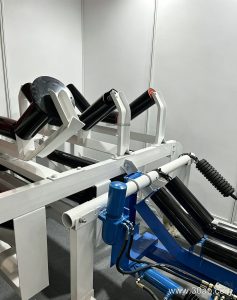
Related equipment must be matched to the belt, not substituted for it. Conveyor pulleys, including drive, tail and bend pulleys, are selected by tension and shaft load. Idler roller spacing and conveyor bracket design affect belt support and training. A corrugated sidewall conveyor belt or chevron conveyor belt solves different problems, such as steep incline or material spillage, and should be considered only when those conditions exist.
What Buyers Should Check
- Confirm the flame retardancy class and anti-static performance required by the site, and ask for test data rather than a general claim.
- Match cover thickness and compound to the actual duty: abrasion, oil, heat or impact. A single belt rarely covers every condition.
- Review the full conveyor layout, including drive pulley, tail pulley, bend pulley, idler roller type and conveyor bracket positions, before fixing belt tension and ply count.
- Consider splice method. An endless conveyor belt made on site needs compatible cover and carcass materials and a controlled vulcanising process.
- Check stored belt condition. Moisture, sunlight and ozone can degrade covers before installation.
For a reliable quotation, provide belt width, centre distance, capacity, lump size, material temperature and the fire protection requirement. Suppliers can then propose a flame retardant conveyor belt with the correct carcass, cover grade and strength class for the conveyor, whether it serves a mine, a cement plant, a power station or a sand and gravel yard.