What Is a High Abrasion Resistant Conveyor Belt
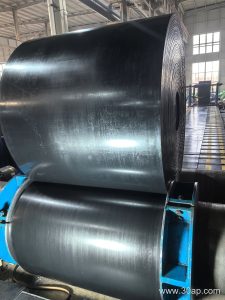
A high abrasion resistant conveyor belt is a heavy-duty rubber conveyor belt engineered to withstand the aggressive wear caused by sharp, hard, and abrasive materials. Unlike standard belts that may wear quickly under such conditions, this belt features a specially formulated cover compound that resists cutting, gouging, and gradual surface loss. It is often referred to as an abrasion resistant conveyor belt, and the two terms describe the same product category. The belt is commonly used in mining, quarrying, cement production, power plants, and sand and gravel plants where continuous transport of abrasive bulk materials is required.
Construction and Key Components
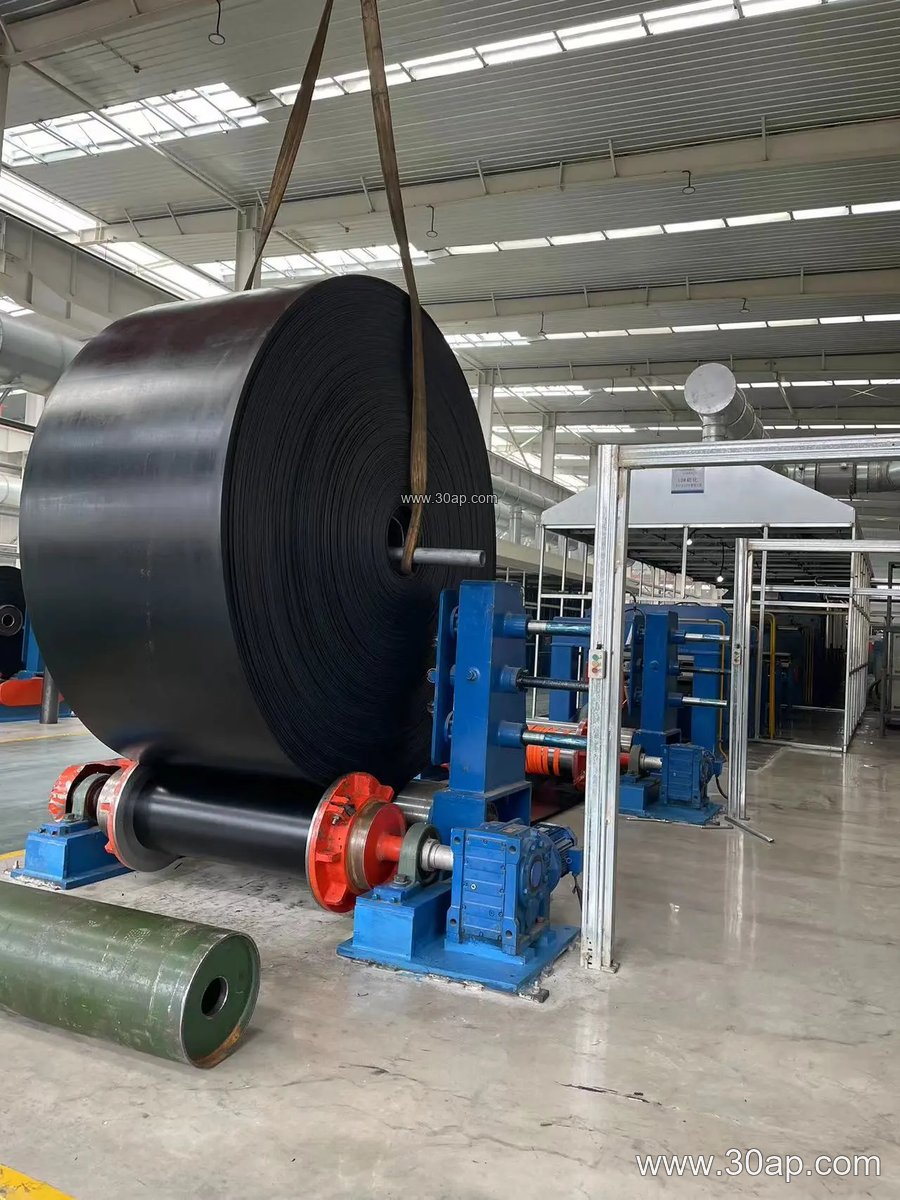
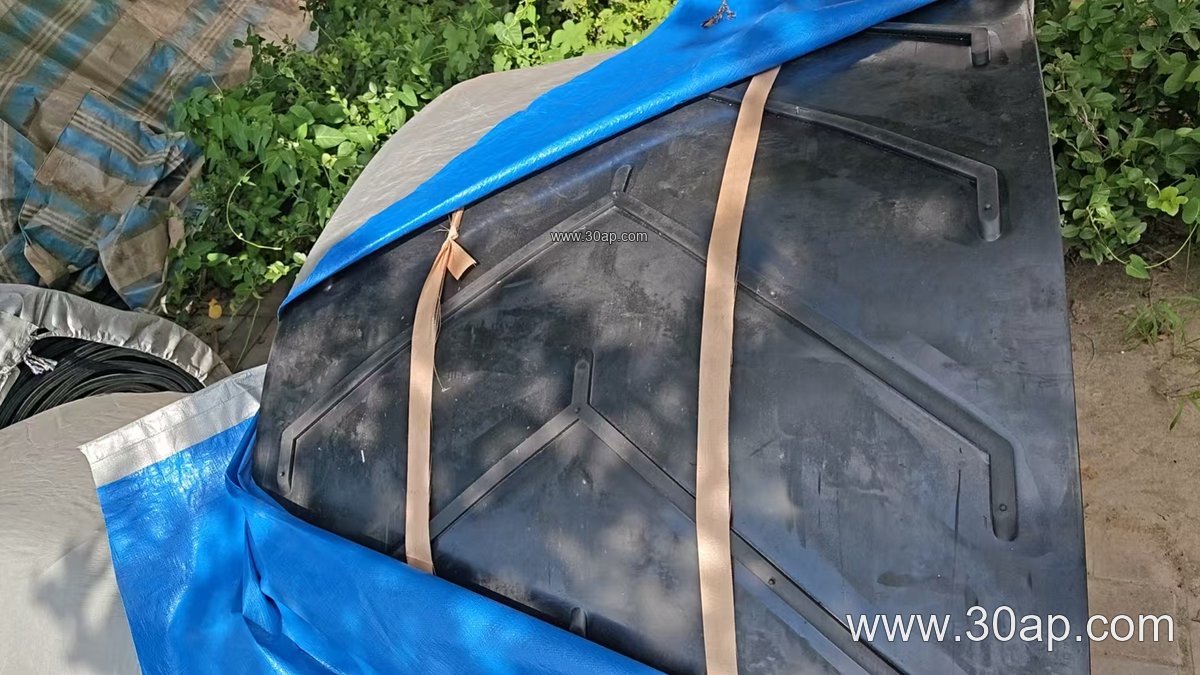
The high abrasion resistant conveyor belt is typically built with a fabric core or steel cord carcass, depending on the required tensile strength and application. The cover rubber is the critical element for abrasion resistance, and it is usually made from natural rubber blends or synthetic compounds with high resistance to wear. The belt may include multiple plies of fabric (2 to 6 layers) or steel cords for high strength. Common cover thickness configurations include 3+1.5 mm, 4+2 mm, 5+2 mm, 6+2 mm, and 8+3 mm, with the first number indicating the top cover thickness and the second the bottom cover. The carcass provides strength and dimensional stability, while the cover protects against abrasive action. The belt edges may be cut or molded, and for specific needs, chevron or corrugated sidewall forms can be applied, though these are separate subtypes and not interchangeable with the standard flat belt.
Where It Is Used
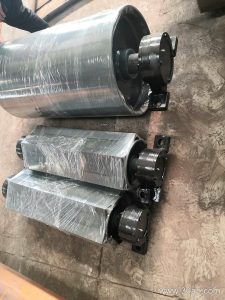
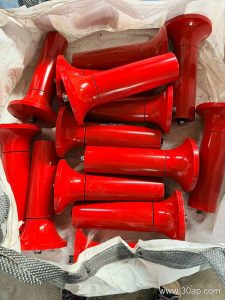
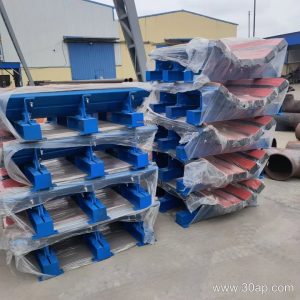
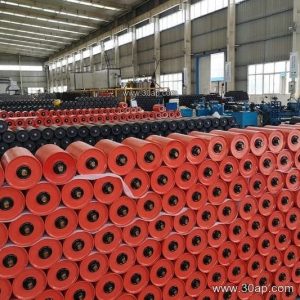
This belt is a workhorse in industries handling abrasive materials. In mining operations, including coal mining and ore transport, it conveys crushed rock, iron ore, copper ore, and gold-bearing material. Quarries and aggregate plants rely on it for moving sharp stone and gravel. Cement plants use it for clinker and raw meal, while power plants employ it for coal and ash handling. The belt also finds use in steel plants, ports, and recycling facilities. It pairs well with conveyor pulleys, idler rollers, and conveyor brackets that are designed for heavy-duty service. For underground mining, flame retardant and anti-static properties may be required, and those variants are available separately. The high abrasion resistant conveyor belt is often chosen for primary and secondary crushing circuits, where impact and wear are severe.
Specifications and Options
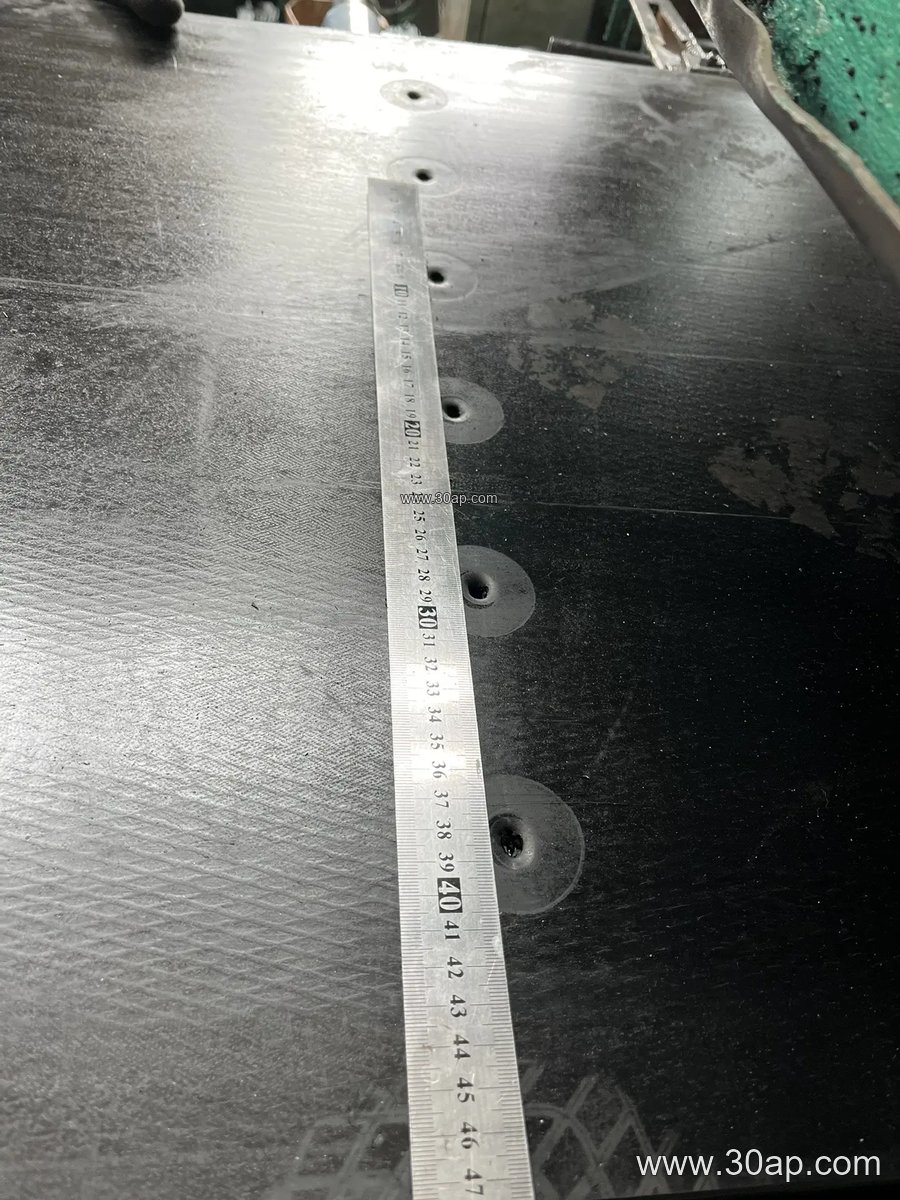
High abrasion resistant conveyor belts are available in various strength classes and widths to suit different conveyor designs. Common fabric core types include EP conveyor belt (polyester-nylon) and NN conveyor belt (nylon-nylon), with strength grades such as EP200, EP315, EP400, EP500, EP630, EP800, EP1000, EP1250, EP1600, and EP2000. Steel cord types like ST1000, ST1250, ST1600, ST2000, ST2500, and ST3150 are used for very high tension applications. Belt widths typically range from 500 mm to 2000 mm, with common sizes including 650 mm, 800 mm, 1000 mm, 1200 mm, 1400 mm, 1600 mm, and 1800 mm. The table below summarizes typical parameters; actual values should be confirmed with the manufacturer.
| Parameter | Common Options |
|---|---|
| Belt type | EP, NN, steel cord |
| Strength grade | EP200 to EP2000, ST1000 to ST3150 |
| Width | 500 mm to 2000 mm (e.g., 800, 1000, 1200, 1400, 1600, 1800) |
| Cover thickness | 3+1.5, 4+2, 5+2, 6+2, 8+3 mm |
| Number of plies | 2 to 6 (fabric core) |
When selecting, consider the material size, drop height, belt speed, and loading conditions. For extremely abrasive and sharp materials, a thicker cover and higher strength carcass are advisable. The belt should be matched with appropriate conveyor pulleys, idler rollers, and brackets to ensure smooth operation and longevity. Other subtypes like heat resistant, oil resistant, or flame retardant belts are available for specific environments, but they are not substitutes for the abrasion resistant property.
Buyer Checklist
- Verify the abrasion resistance rating of the cover compound, often indicated by the manufacturer’s specification.
- Check the carcass type and strength to match the conveyor’s tension requirements.
- Confirm belt width and cover thickness for the material being handled.
- Ensure compatibility with existing conveyor pulleys, idler rollers, and brackets.
- Consider additional properties such as flame retardancy, anti-static, or heat resistance if the environment demands it.
- Review splicing method and edge condition for the intended application.
For more information on high abrasion resistant conveyor belts and related components, visit our website at www.example.com/conveyor-belt or www.example.com/abrasion-resistant-belt. Proper selection and maintenance of the belt, along with regular inspection of idler rollers and pulleys, will help maximize service life in tough industrial conditions.