What a Conveyor Bracket Assembly Does on a Belt Line
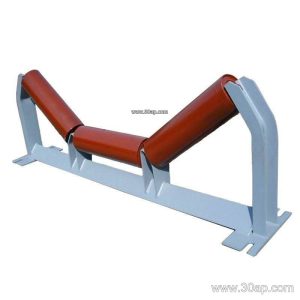
A conveyor bracket assembly is the support frame that holds conveyor idlers in the correct position under or over the belt. It is not a single loose part but a small structural unit, usually made of formed steel, that carries the load of the belt and the material being moved. In a quarry, a cement plant, or a power plant coal yard, the bracket assembly is what keeps the idler roller at the right height, angle, and spacing so the belt runs smoothly instead of sagging or drifting.
People sometimes call it a conveyor idler bracket or a roller support bracket. These are accurate equivalents for the same item. It should not be confused with a conveyor pulley, such as a drive pulley or a tail pulley, which transmits power or changes belt direction. The bracket assembly is a static support component; the pulley is a rotating drive or direction component.
How the Assembly Is Built
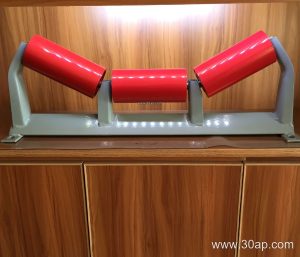
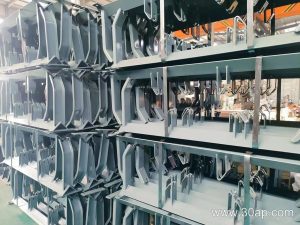
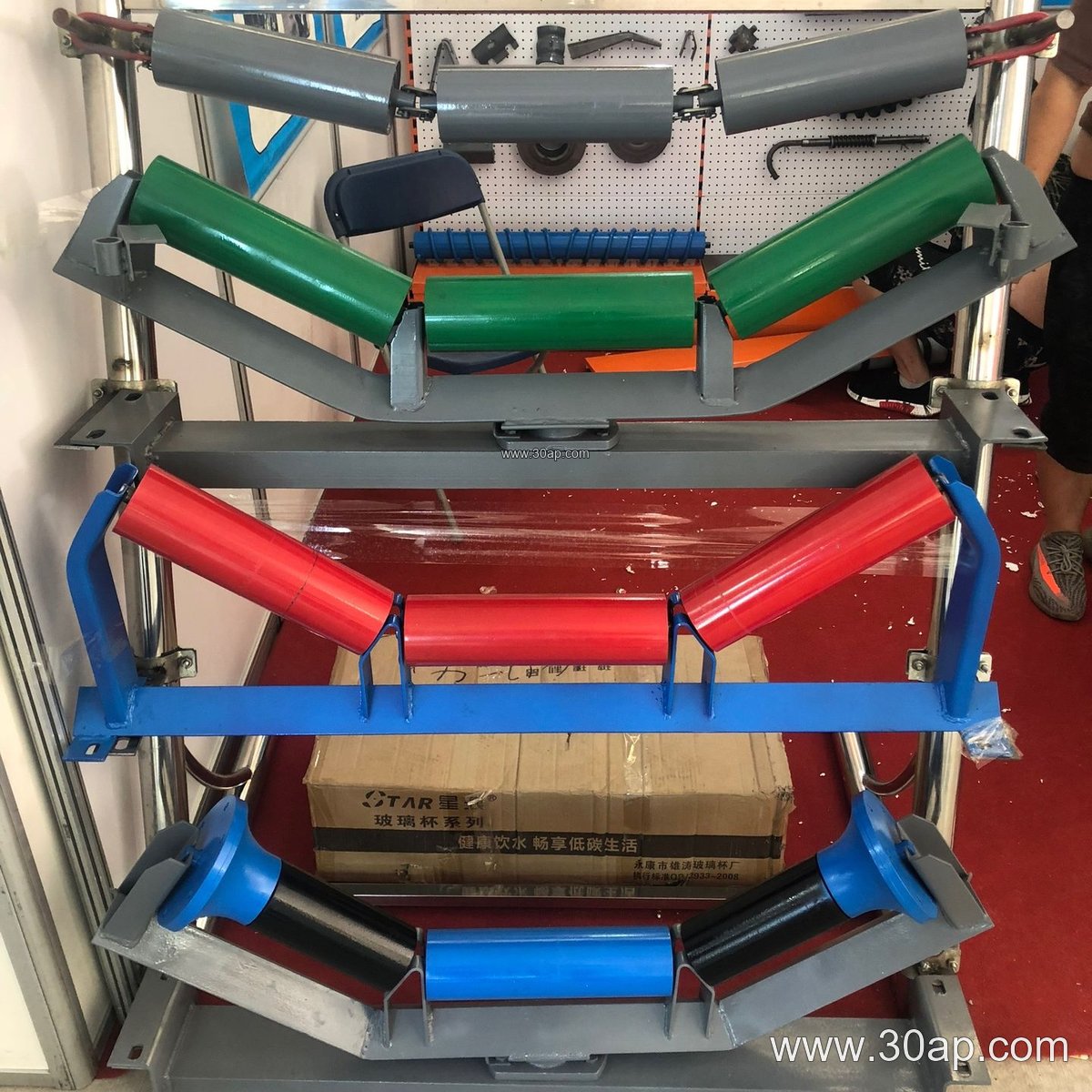
Most assemblies combine angle steel, channel steel, or folded steel plate. The frame may be welded or bolted, and it usually includes mounting holes or slots for the idler shaft. A troughing bracket assembly has angled arms that set the belt into a trough shape, while a return bracket holds the belt on its return run.
Common parts of a bracket assembly include the main beam, the idler seat, the fixing plate, and sometimes an adjustable arm. The materials and thickness are chosen according to load and environment. In a limestone mine or a crushing and screening line, dust and impact are normal, so the frame should be rigid enough to resist vibration. In a fertilizer or grain silo, surface treatment and cleanliness may matter more.
Common Types and Where They Fit
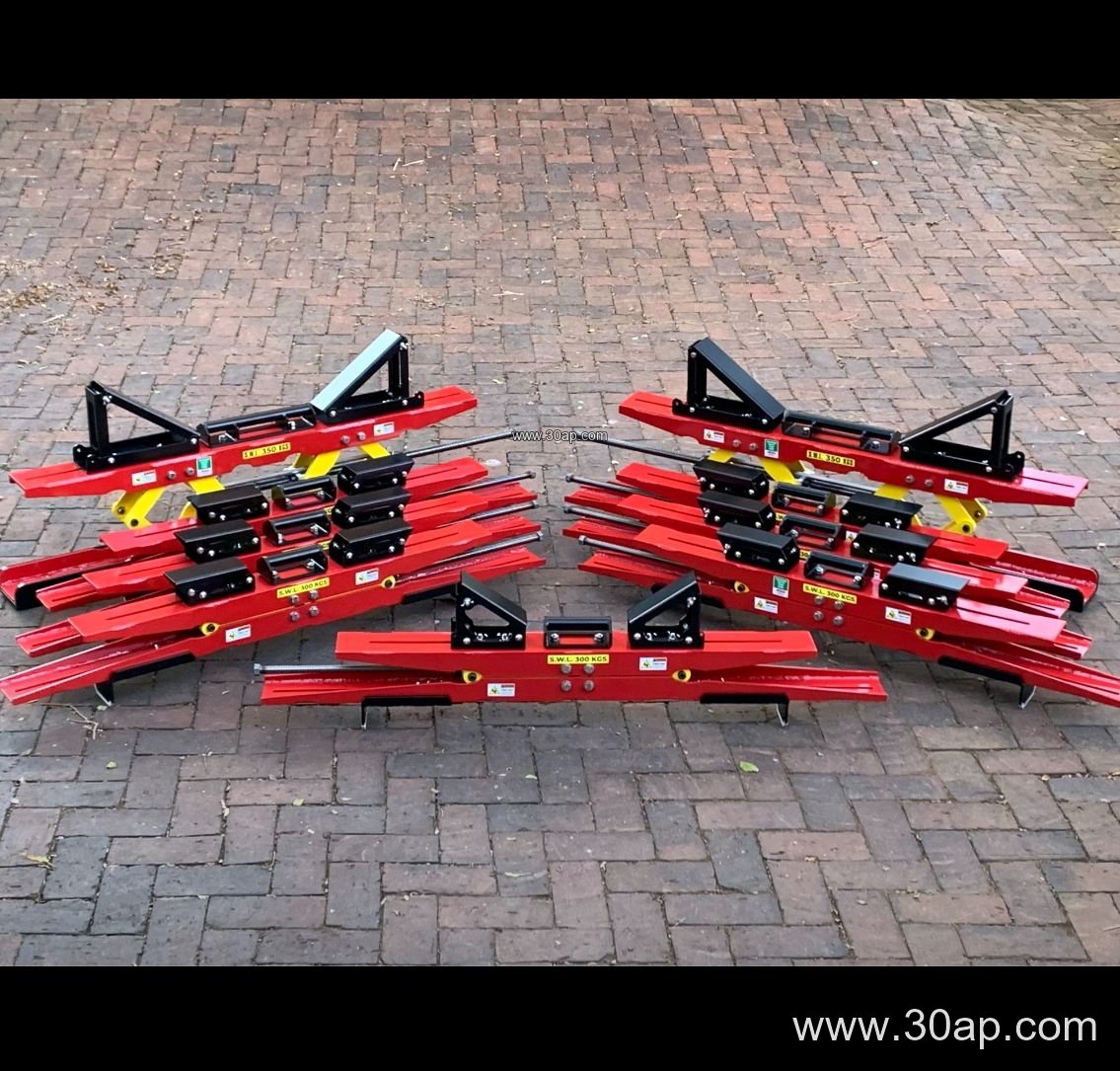
Different positions on a conveyor call for different bracket forms. A troughing bracket carries the loaded side of the belt. A transition bracket supports the belt where it changes from flat to troughed. A return bracket or V-return bracket supports the empty side. An impact bracket sits under the loading point and works with impact idlers to absorb falling material. A self-aligning bracket helps correct belt drift.
- Troughing bracket assembly: carrying side, usually with 20°, 30°, 35°, or 45° trough angle.
- Transition bracket: near the pulley or loading zone, where belt shape changes.
- Return bracket and V-return bracket: return side support.
- Impact bracket: below chutes and transfer points.
- Self-aligning bracket: used where belt tracking is a concern.
- Adjustable bracket: allows the trough angle to be changed within a range.
An adjustable bracket can often be set between common trough angles, while a fixed bracket is built for one angle. Forward-leaning brackets, typically around 1.5° to 2°, are used for self-training effect in some designs. These are not interchangeable with drive, tail, or bend pulleys, which serve entirely different functions.
Matching Bracket, Belt, and Idler
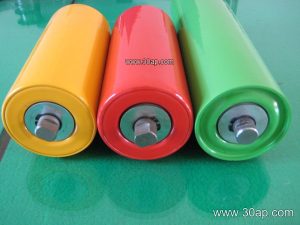
A bracket assembly is selected together with belt width and idler diameter. Common belt widths include B500, B650, B800, B1000, B1200, B1400, B1600, B1800, B2000, and B2200. Common idler diameters include Ø89, Ø108, Ø133, Ø159, and Ø194. A bracket for B800 at 35° with Ø108 idlers is a typical combination, but the same belt width may also run with other idler sizes depending on load and design. Do not assume that one belt width can only match one pulley diameter or one trough angle.
| Belt Width | Common Trough Angle | Common Idler Diameter |
|---|---|---|
| B500 / B650 | 20° / 30° | Ø89 |
| B800 / B1000 | 30° / 35° | Ø108 / Ø133 |
| B1200 / B1400 | 35° / 45° | Ø133 / Ø159 |
| B1600 / B1800 | 35° / 45° | Ø159 / Ø194 |
| B2000 / B2200 | 35° / 45° | Ø194 |
These values are reference examples, not fixed rules. Mounting hole spacing and beam length usually change with belt width and trough angle, so they should be confirmed against the drawing.
Where These Assemblies Are Used
In an iron ore or copper ore handling line, heavy-duty bracket assemblies support high-load carrying idlers under abrasive material. In a coal mining or underground mining conveyor, flame retardant and anti-static belt grades are common, and the bracket frame must fit restricted spaces. In a cement plant, a limestone quarry, or an aggregate conveyor line, dust and continuous operation make sturdy, simple brackets preferable.
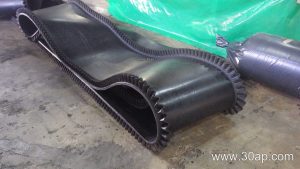
The bracket works with the conveyor belt, the idler roller, and the conveyor pulley as one system. A well-matched assembly reduces belt edge wear and helps maintain a stable trough. On a long overland line using steel cord conveyor belt or EP conveyor belt, bracket alignment is especially important because small errors accumulate over distance.
Buyer Checklist
- Confirm belt width, trough angle, and idler diameter before ordering.
- State the installation position: carrying, return, transition, impact, or self-aligning.
- Ask whether the bracket is fixed or adjustable.
- Check material and surface treatment for the site environment.
- Request the mounting dimension drawing, since hole spacing varies with design.
- Match bracket load rating to the belt and material weight, not to belt width alone.
A practical conveyor bracket assembly is a small but critical investment. When it fits the idlers and the belt correctly, the whole conveyor runs with less spillage, less tracking trouble, and longer service life for the belt and rollers.