What a Conveyor Bracket Does on the Line
A conveyor bracket is the structural element that holds idler rollers in the correct position under or over the conveyor belt. It bridges the gap between the conveyor frame and the rotating components, giving the belt a stable path from loading point to discharge. Without a properly selected bracket, even a high-quality idler roller can sit out of alignment, causing belt wander, edge damage, and unnecessary wear. The bracket itself does not turn or carry the load directly, but its geometry decides how well the belt is supported, how easily material is contained, and how quickly maintenance can be carried out. In quarry and aggregate lines, a well-built conveyor bracket often makes the difference between a clean running belt and one that spills material at every transfer point.
Construction and Common Forms
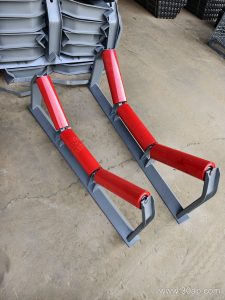
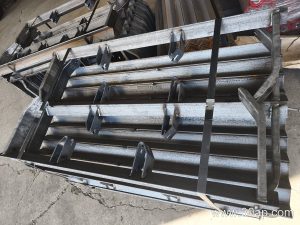
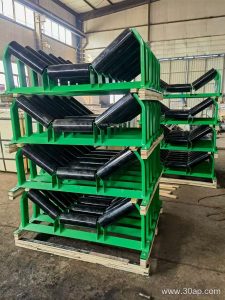
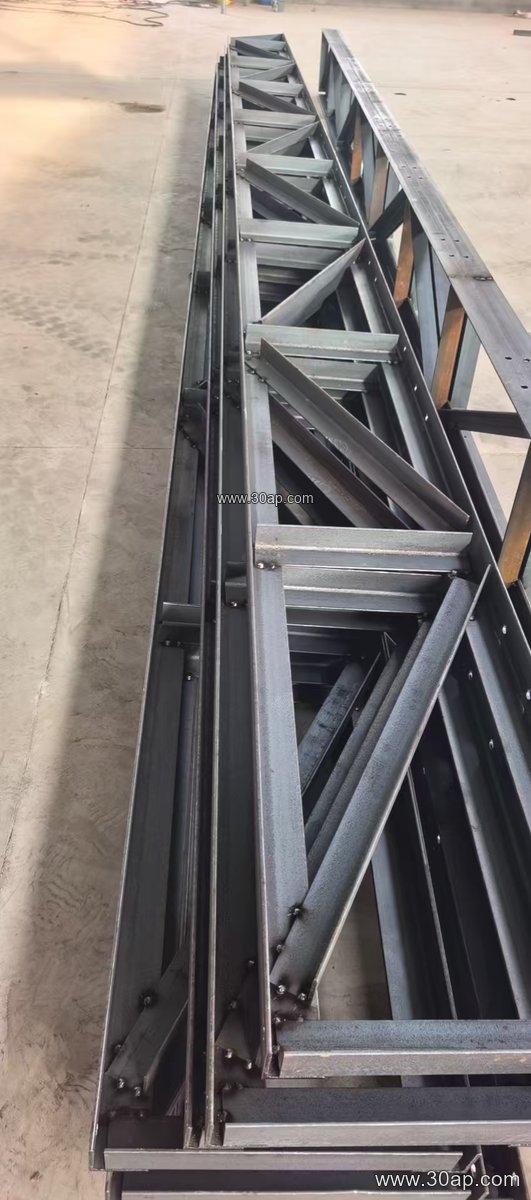
Most brackets are fabricated from angle steel, channel steel, or folded steel plate. The choice of material and thickness follows the load and the environment: a dusty cement plant may favor a closed profile that sheds fines, while a wash plant might use a more open design that drains water. Common bracket types include troughing brackets for the carrying side, return brackets for the empty side, impact brackets under loading zones, and self-aligning brackets that help correct belt drift. Adjustable brackets allow the trough angle to be set on site, which is useful when a conveyor handles several products or when the belt needs fine tuning after installation. Fixed brackets are simpler and often preferred where the duty is constant.
Typical reference data
The table below shows common ranges; actual dimensions follow the conveyor design and should be confirmed with the supplier.
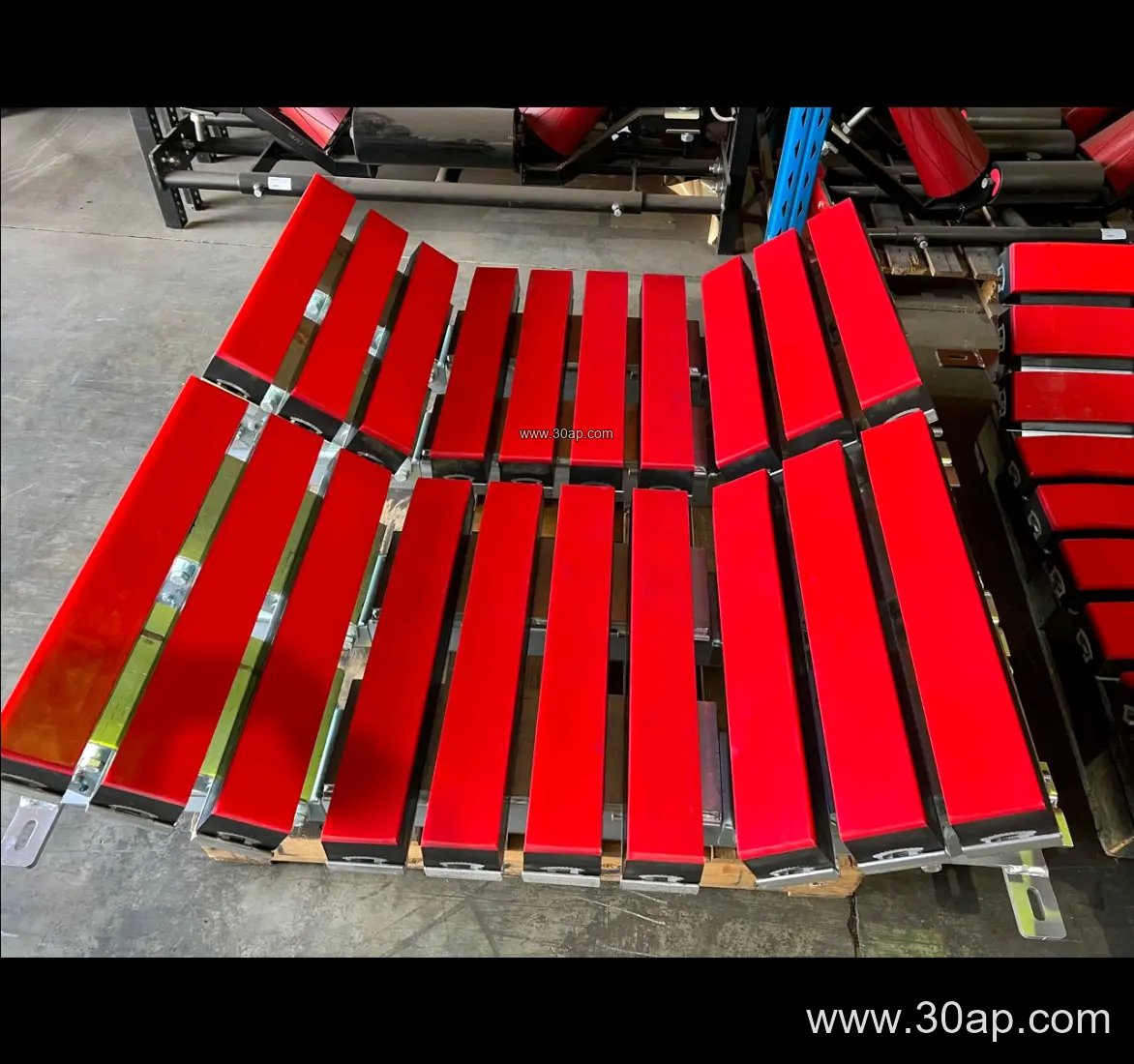
- Belt width: B500, B650, B800, B1000, B1200, B1400, B1600, B1800, B2000, B2200
- Trough angle: 20°, 30°, 35°, 45° (adjustable brackets can be set within these angles)
- Idler diameter: Ø89, Ø108, Ø133, Ø159, Ø194
- Forward tilt for training brackets: often about 1.5° to 2°
Mounting hole spacing and crossbeam length vary with belt width and trough angle, so they are not fixed numbers. A B800 bracket with a 35° trough and Ø108 idlers is a typical combination in a sand and gravel plant, but the same belt width may also run with a different angle or roller size depending on the duty. Do not assume that one belt width locks in a single bracket geometry.
Where Conveyor Brackets Are Used
These components appear wherever a conveyor belt needs reliable support. In a limestone quarry, troughing brackets keep the belt in a deep trough so that coarse rock stays centered. In a coal handling system, flame retardant and anti-static belts are often paired with robust brackets that resist vibration and fine dust. Cement plants use them on clinker and raw meal lines, where heat resistant or abrasion resistant belts may be installed. Power plant coal yards, iron ore terminals, and aggregate crushing circuits all rely on brackets to maintain belt profile through long runs and multiple transfer points. Even a short recycling line benefits from brackets that allow quick roller changes without cutting the belt.
Selection Points for Buyers
Start with the belt width and the required trough angle, then match the bracket to the idler diameter and shaft size. Check the mounting dimensions against the existing frame; a bracket that looks similar may have a different hole pattern. For loading zones, consider impact brackets that absorb shock and protect the belt. For long conveyors or those prone to mistracking, self-aligning or forward-tilted brackets can reduce maintenance. Material and surface treatment matter in wet or corrosive settings, and adjustable brackets add flexibility where operating conditions change. Buyers should also confirm that the bracket is compatible with the conveyor pulley arrangement and the overall frame design, since a mismatch at the tail or drive end can affect belt tracking.
Installation and Maintenance Notes
Correct installation keeps the bracket square to the belt line and at a consistent height. Bolts should be tightened to the recommended torque, and any adjustable setting should be locked after alignment. During routine inspections, look for bent brackets, loose fasteners, and worn mounting holes. A bracket that has shifted can cause the idler roller to sit at an angle, which quickly leads to edge wear on the belt. Replacing a damaged bracket before it affects the roller is usually faster and cheaper than repairing a torn belt. Keeping a small stock of common bracket sizes on site helps reduce downtime in busy quarry or plant operations.