What a Ceramic Rubber-Lined Pulley Is
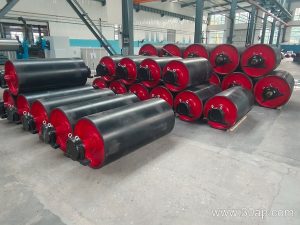
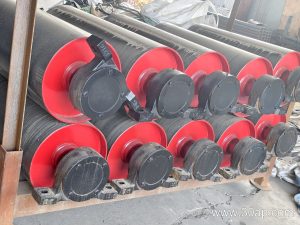
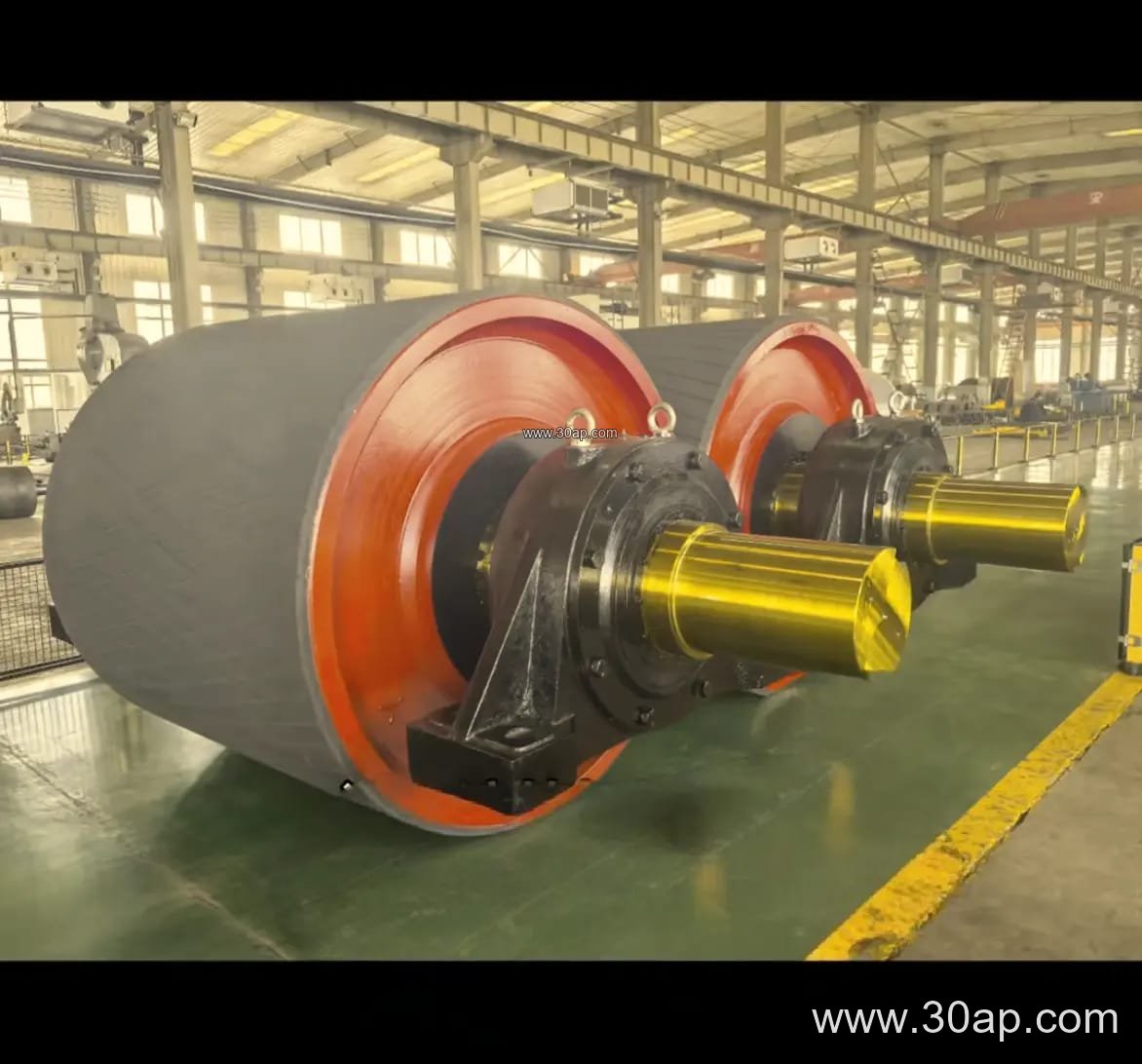
A ceramic rubber-lined pulley is a conveyor pulley whose outer surface is covered with rubber that contains embedded ceramic tiles. This combination gives the pulley a high-friction, abrasion-resistant grip that is especially useful where the belt must transmit torque without slipping. You will also see it called a ceramic lagged pulley or ceramic pulley lagging, which are accurate equivalent names for the same product. Unlike a standard rubber lagged pulley, the ceramic chips protrude slightly through the rubber, so the belt contacts hard ceramic rather than soft rubber alone. This helps maintain grip even when the surface is wet, muddy, or oily.
How the Lining Is Built
The pulley body is usually a welded steel drum with machined end discs and a shaft. The ceramic rubber layer is applied in one of two main ways: as pre-formed lagging sheets bonded with cold adhesive, or as tiles set into uncured rubber that is then vulcanized onto the drum. The rubber acts as a cushion and bond layer, while the ceramic tiles provide wear resistance. Common lining thicknesses are 8, 10, 12, 15, and 20 mm, with tile sizes and patterns chosen to suit the duty. The surface can be flat or profiled; for this product, ceramic lagging is the defining feature, and it is often used on drive pulleys where slip would stop the conveyor.
Where It Fits in the Conveyor
Ceramic rubber-lined pulleys are most often specified for drive positions, but they can also be used on tail or bend pulleys when conditions are abrasive or wet. They are not a replacement for a drive pulley or a tail pulley by name; each position has its own design requirements. In a quarry or aggregate line, a ceramic lagged drive pulley helps keep a heavy abrasion resistant conveyor belt moving under load. In a coal preparation plant, the same pulley type can resist slurry and fine coal dust that would quickly polish smooth rubber. For a cement plant clinker line, a ceramic rubber-lined pulley on the head drive reduces slip caused by fine dust. In a power plant coal handling system, it pairs well with a flame retardant conveyor belt where safety and grip both matter.
Matching Pulley to Belt and Duty
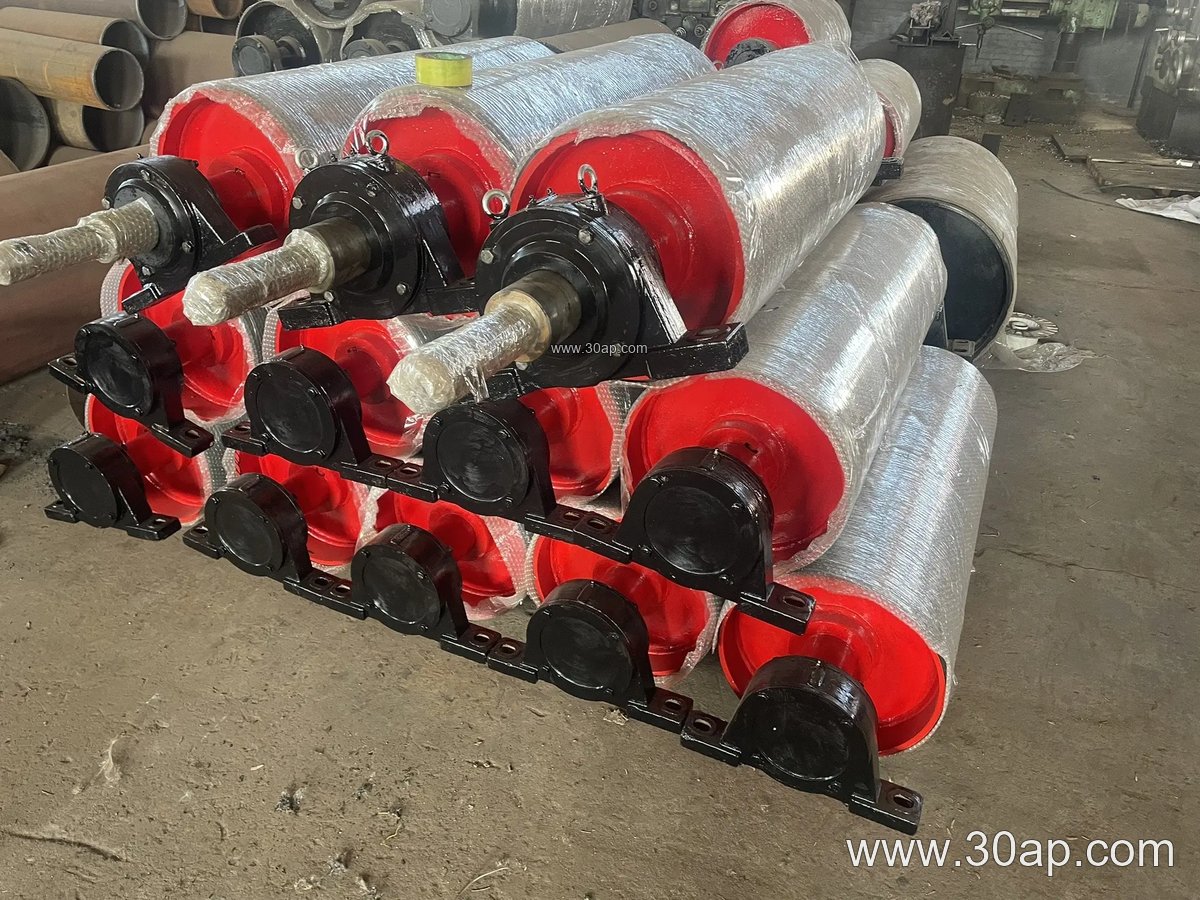
Selection starts with the belt width, the torque to be transmitted, and the environment. The pulley face width is usually wider than the belt; for example, a B800 belt commonly runs on a pulley with about 950 mm face width, and a B1200 belt on about 1400 mm face. Diameter is chosen from belt tension and shaft loading, not from belt width alone. A B800 × Ø500 and a B1200 × Ø1000 are both common combinations, but many other pairings are possible. Shaft diameter is determined by torque and bearing load; typical shaft sizes range from Ø50 to Ø200 mm, and a fixed shaft size should never be assumed from belt width. The table below shows reference combinations for orientation only.
| Belt width | Typical pulley face width | Example diameter range | Common lining thickness |
|---|---|---|---|
| B500 | ≈600 mm | Ø250–Ø400 | 8–12 mm |
| B650 | ≈750 mm | Ø315–Ø500 | 8–15 mm |
| B800 | ≈950 mm | Ø400–Ø630 | 10–15 mm |
| B1000 | ≈1150 mm | Ø500–Ø800 | 10–20 mm |
| B1200 | ≈1400 mm | Ø630–Ø1000 | 12–20 mm |
| B1400 | ≈1600 mm | Ø800–Ø1250 | 15–20 mm |
These values are reference data, not universal specifications. The final design should follow the conveyor builder’s calculations and the actual duty.
Buyer Checklist
- Confirm the pulley position: drive, tail, bend, or take-up. Ceramic lagging is most often used on drives, but each position has different load and wrap requirements.
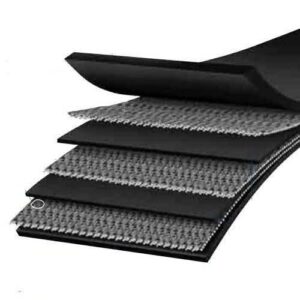
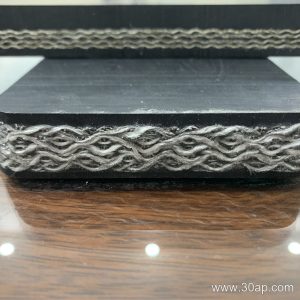
- Check the belt type. A steel cord conveyor belt and a multi-ply fabric belt respond differently to lagging pressure and pulley diameter.
- Review the environment. Wet, muddy, or oily conditions favor ceramic lagging; very high temperatures may require a different lagging compound.
- Ask for the lining bond method and tile pattern, since cold-bonded and vulcanized linings behave differently in service.
- Verify shaft size and bearing fit from torque calculations, not from belt width.
Maintenance Notes
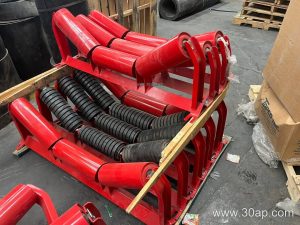
Inspect the ceramic surface for missing tiles or cracked rubber, especially after the first weeks of operation. A worn ceramic rubber-lined pulley can be re-lagged, but the drum should be checked for roundness and shaft wear first. Keep the belt tracking well; a misaligned belt concentrates wear on one edge of the lagging. On a quarry or sand making plant line, regular cleaning of the pulley face helps the ceramic grip stay effective and extends the life of the conveyor belt. Pair the pulley with well-aligned idler rollers and sturdy conveyor brackets to reduce vibration and uneven loading.
For more on conveyor components and belt selection, visit beltpulley.com for related information on pulleys, lagging, and conveyor belt types.