What a Sand and Gravel Plant Conveyor Pulley Does
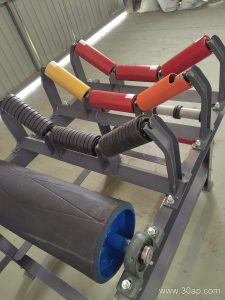
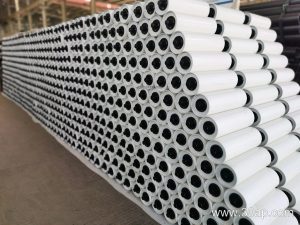
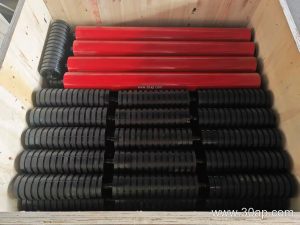
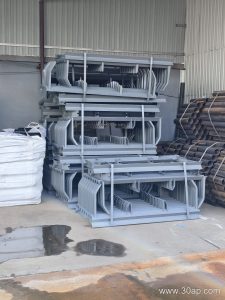
In a sand and gravel operation, the conveyor pulley is the rotating drum that drives, redirects, or tensions the belt. It is not a single generic part: drive pulleys transmit torque, tail pulleys return the belt, and bend pulleys change its path. Each position demands its own design, and no one subtype substitutes for another. A typical aggregate line may use several pulleys along with conveyor idler rollers and sturdy conveyor brackets to keep the belt tracking.
The pulley works with the belt, not in isolation. A heavy-duty abrasive environment means the pulley face and lagging must grip without slipping, while the shaft and bearings carry the belt tension and material load. For a quarry conveyor belt moving crushed stone, the drive pulley often needs a lagged surface to maintain traction under wet or dusty conditions.
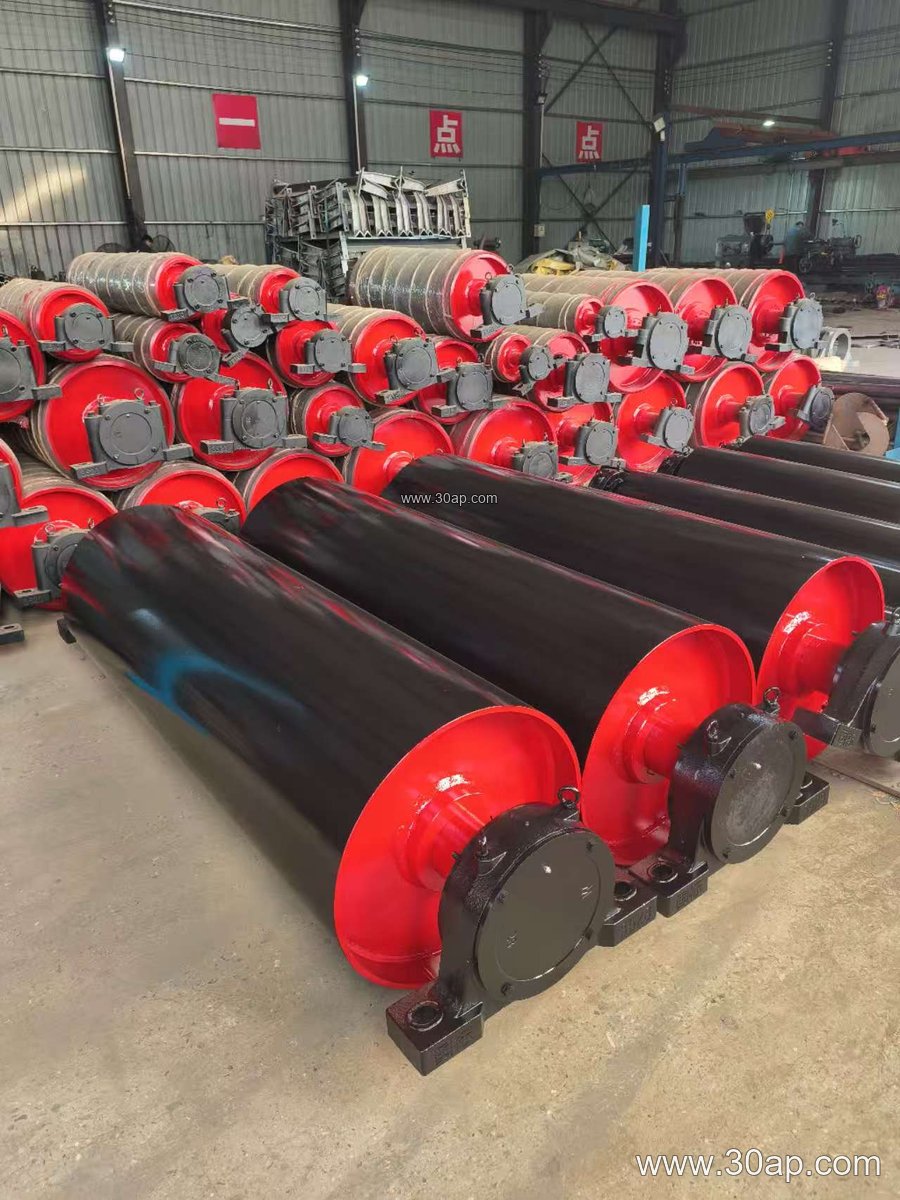
How the Pulley Is Built
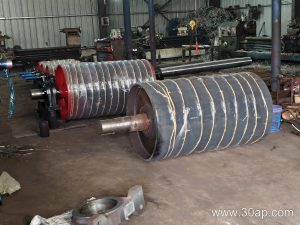
Most sand and gravel plant conveyor pulleys use a welded steel shell with machined end discs and a through shaft. The shell diameter and face width are selected from the belt width and the required wrap angle. Common face widths run slightly wider than the belt, for example B800 with about 950 mm face, or B1200 with about 1400 mm face. Diameter choices such as Ø500, Ø630, or Ø800 depend on belt speed, tension, and the space available. The shaft diameter is determined by torque and load, not by belt width alone.
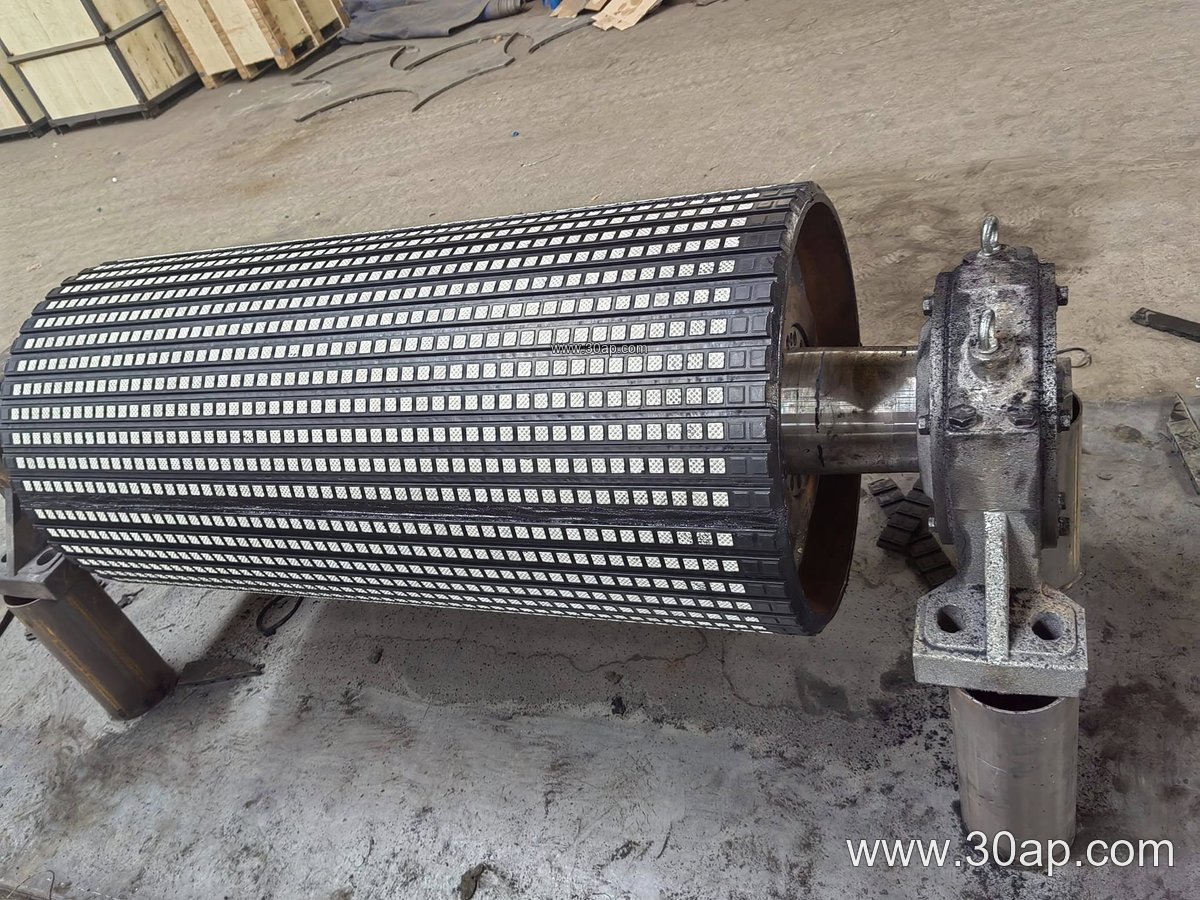
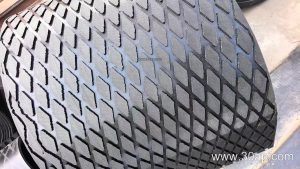
Surface treatment matters. Plain face pulleys suit light duties, while rubber lagging improves grip. Options include cold-bonded rubber, hot vulcanized rubber, diamond grooved lagging, and ceramic lagging. Lagging thickness is commonly 8, 10, 12, 15, or 20 mm. In a wash plant or a rainy quarry, diamond or ceramic lagging can reduce slip on a wet conveyor belt. The pulley works alongside abrasion resistant conveyor belt grades to handle sharp aggregate.
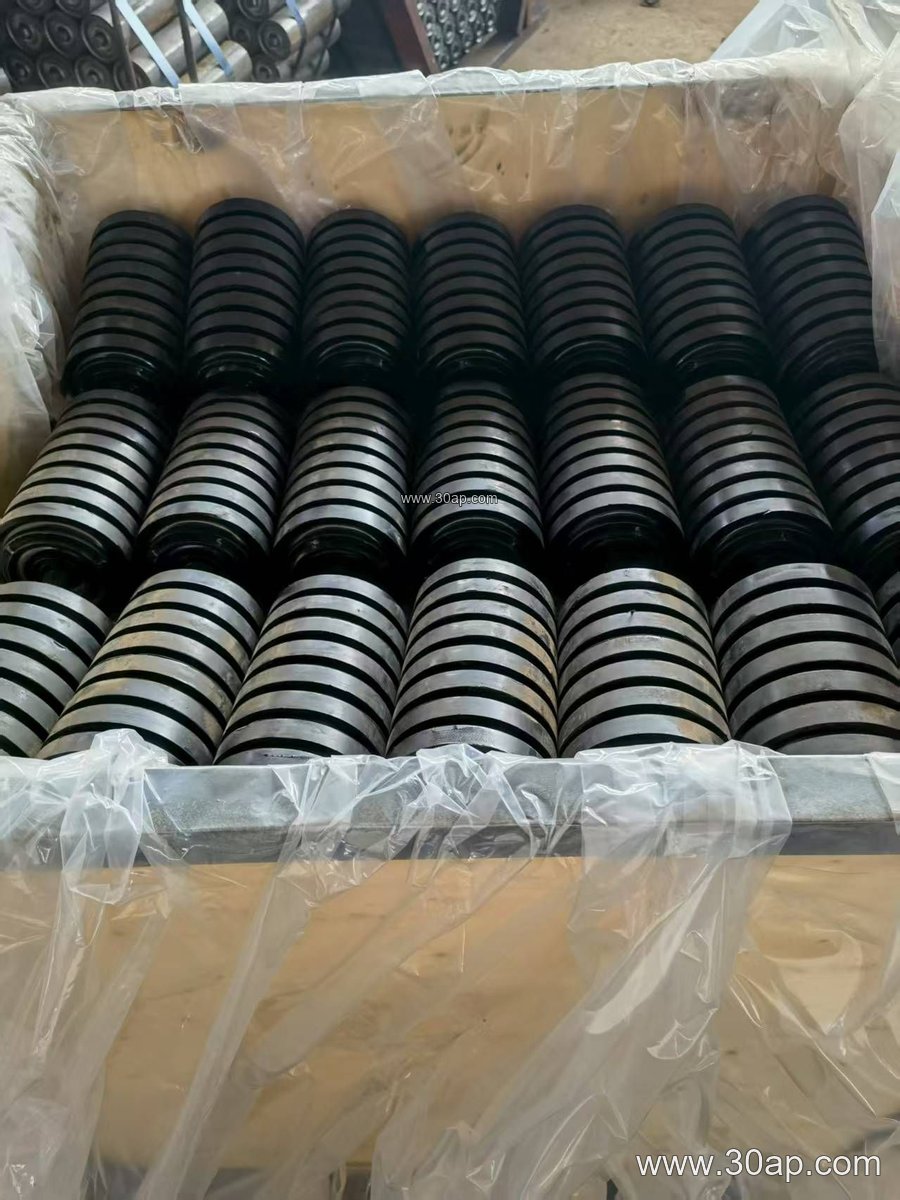
Where It Fits in the Plant
Sand and gravel plants use pulleys at the head, tail, and take-up points. The head or drive pulley pulls the loaded belt and often sits near the screen or crusher discharge. The tail pulley at the feed end redirects the return belt, while bend and take-up pulleys manage tension and routing. In a crushing and screening circuit, a crusher conveyor belt may run over a drive pulley with heavy lagging and a tail pulley with a self-cleaning profile.
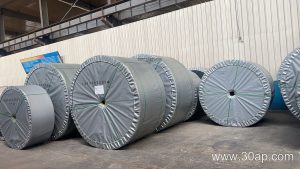
Other industries follow similar logic: a coal mining conveyor belt in a wash plant, a cement plant conveyor moving clinker, or a power plant coal conveyor. In each case, the pulley must match the belt type, whether it is an EP conveyor belt, an NN conveyor belt, or a steel cord conveyor belt. The pulley and belt form a system, and the pulley face width should suit the belt width used on that conveyor.
Buyer Checklist for Pulley and Belt Match
Before ordering, confirm the belt width, the pulley position, and the expected load. A drive pulley for a B1000 belt may use a Ø630 or Ø800 shell, but the final choice depends on the conveyor design. Ask for the lagging type and thickness, the shaft diameter, and the bearing arrangement. Check that the pulley face is wide enough for the belt, and that the lagging suits the material. For a quarry conveyor belt handling wet gravel, ceramic or diamond lagging is often preferred over plain steel.
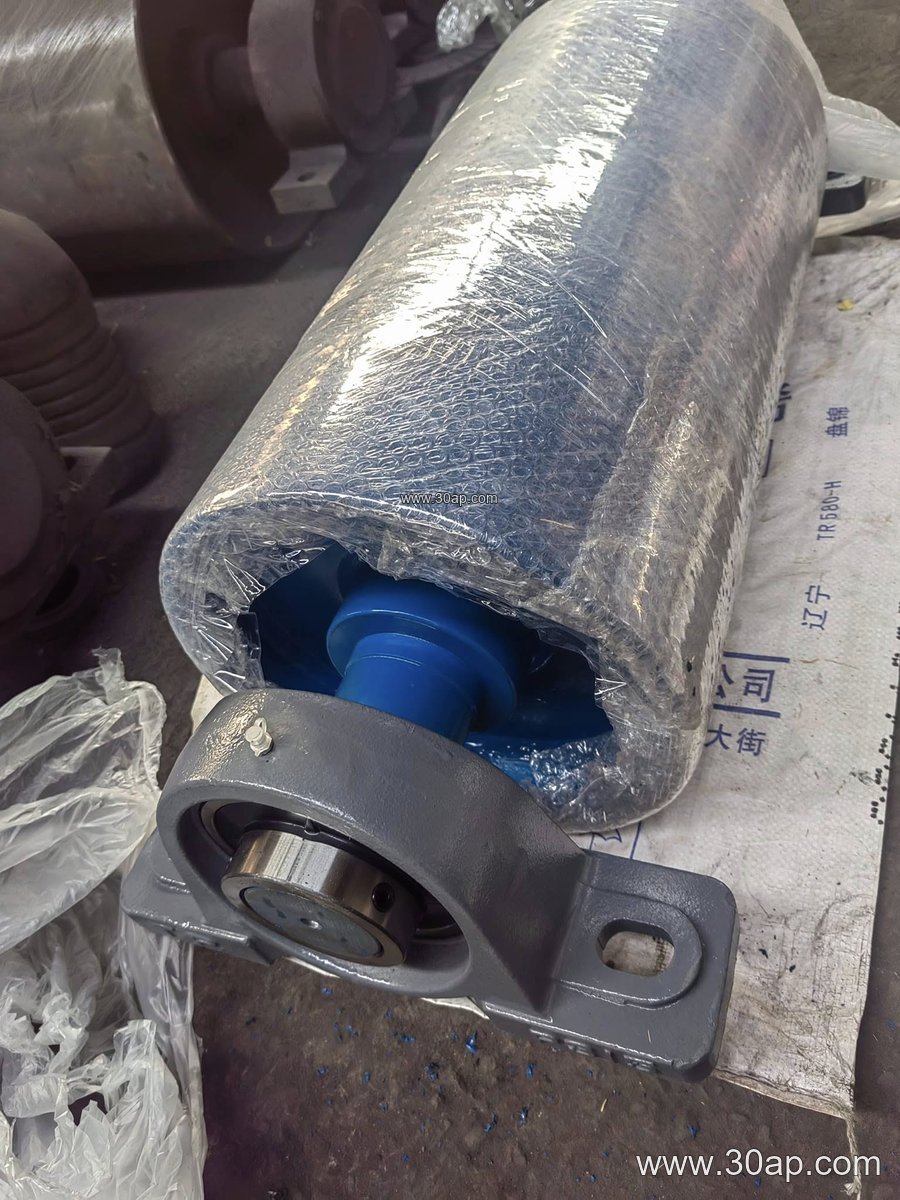
Also review the belt specification. An abrasion resistant conveyor belt or a heavy-duty mining conveyor belt may need a larger pulley diameter to reduce bending stress. A flame retardant conveyor belt used in a coal handling area should pair with a pulley that meets the same safety expectations. Keep spare lagging and bearings on hand, and inspect pulley surfaces for wear during scheduled shutdowns.
Maintenance Points That Matter
Check lagging wear, bolt tightness, and bearing temperature regularly. Misalignment between the pulley and the belt can cause edge damage and premature failure. Keep the pulley clean and ensure the conveyor idler rollers turn freely. A worn pulley face reduces traction and can lead to belt slip, especially on a wet or muddy sand and gravel plant conveyor pulley. Replace lagging before the shell is exposed, and verify shaft alignment after any bearing change.