What a Rubber Conveyor Belt Is
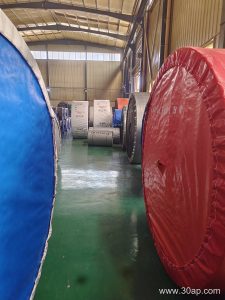
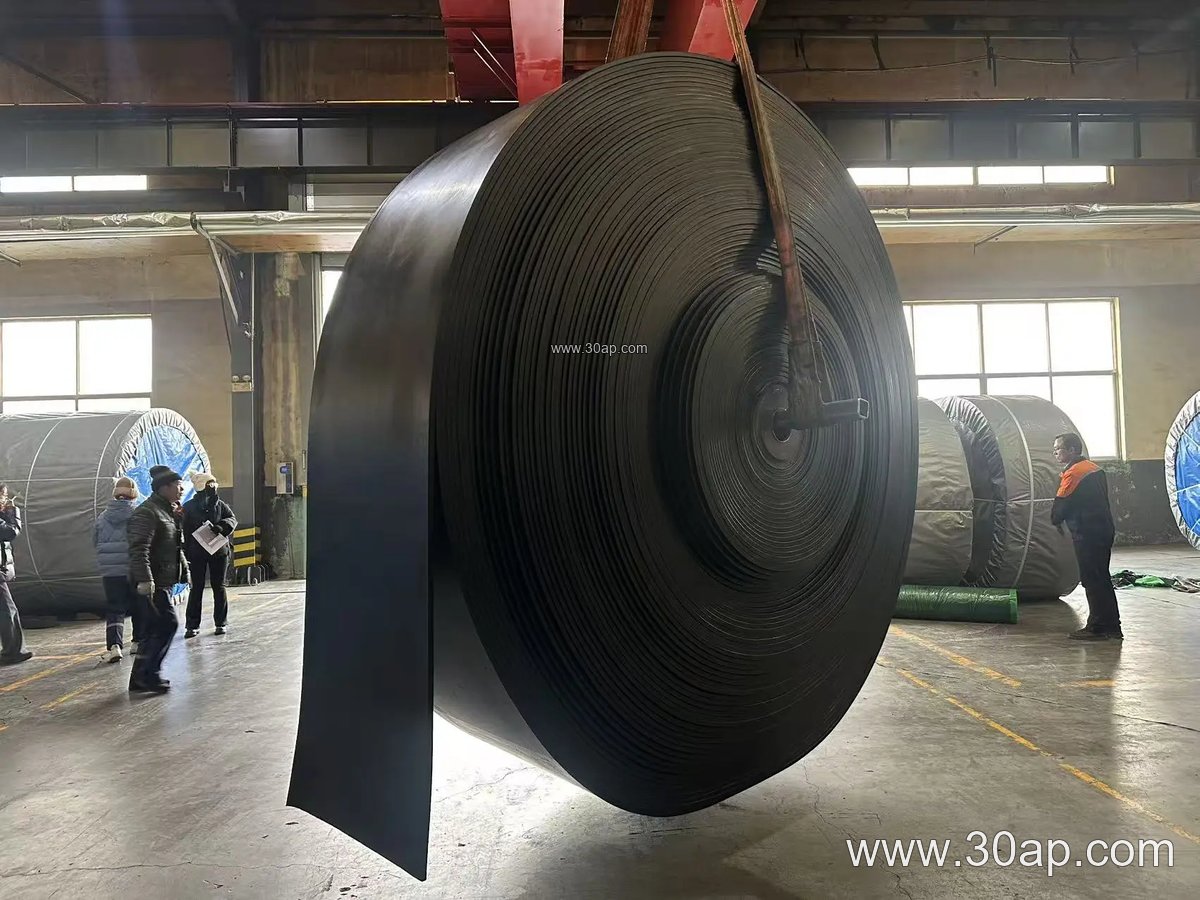
A rubber conveyor belt is the load-carrying element of a belt conveyor, built as a continuous loop that moves bulk material between process stages. The rubber cover protects the carcass, grips the load and resists wear, while the carcass provides tensile strength. In mines, cement works, power plants, quarries and sand and gravel yards, this component often determines how reliably a whole conveying line performs. Buyers frequently search for a Rubber Conveyor Belt by width, strength class and cover grade, so it helps to understand how those choices fit together.
Construction and Carcass Types
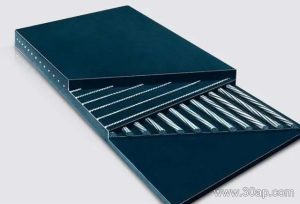
Most belts combine a fabric or steel carcass with top and bottom rubber covers. Fabric-core designs are common in general duty and medium-haul systems. EP Conveyor Belt construction uses polyester warp and nylon weft, giving low stretch and good troughability. NN Conveyor Belt uses nylon in both directions for high impact absorption. A Steel Cord Conveyor Belt suits long, high-tension routes where a single layer of steel cables replaces multiple fabric plies.
- Fabric Core Conveyor Belt, usually with 2 to 6 plies
- Multi-Ply Fabric Core Conveyor Belt for heavier loads
- Steel Cord Conveyor Belt for long-distance, high-capacity lines
- EP and NN carcasses for general and impact-heavy duty
Cover compounds are matched to the cargo. An Abrasion Resistant Conveyor Belt handles crushed rock and ore, a Heat Resistant Conveyor Belt serves clinker and sinter, and a Flame Retardant Conveyor Belt or Fire Resistant Conveyor Belt is often specified for coal handling. Oil Resistant Conveyor Belt grades protect against oily scrap and some mineral loads. In cold climates, a Cold Resistant Conveyor Belt keeps flexibility at low temperature, while an Anti-Static Conveyor Belt helps control static charge in dusty environments.
Common Strength and Width Reference
The following values are typical reference points, not universal specifications. Final selection depends on the conveyor design, load, incline and pulley arrangement.
| Parameter | Common reference values |
|---|---|
| EP strength grades | EP200, EP315, EP400, EP500, EP630, EP800, EP1000, EP1250, EP1600, EP2000 |
| Belt width | B500, B650, B800, B1000, B1200, B1400, B1600, B1800, B2000 |
| Cover thickness | 3+1.5, 4+2, 5+2, 6+2, 8+3 mm |
| Fabric plies | Usually 2 to 6 layers |
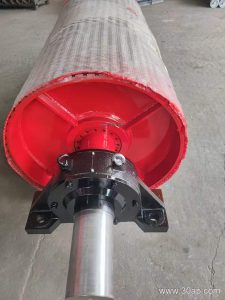
Width and strength are selected independently of pulley diameter; a given belt width is not tied to one pulley size. Drive, tail and bend pulleys each have their own design role and are not interchangeable.
Special Profiles and Enclosed Designs
Where material must climb steep inclines, a Chevron Conveyor Belt with raised ribs prevents backsliding. A Corrugated Sidewall Conveyor Belt or Skirted Conveyor Belt contains the load at higher angles, and a Pipe Conveyor Belt encloses it for dust control and curve negotiation. These are separate constructions and should be chosen for the duty, not treated as direct substitutes. An Endless Conveyor Belt is spliced closed at the factory for applications where joint uniformity matters.
Where These Belts Work
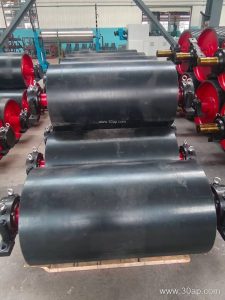
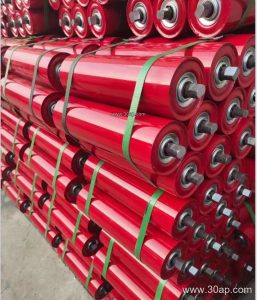
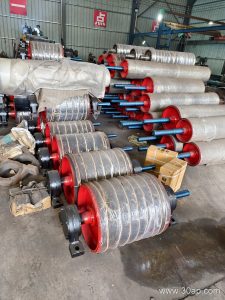
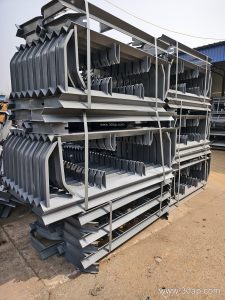
Typical duties include coal and ore transport in underground and open-pit operations, limestone and clinker handling in cement plants, fuel and ash lines in power stations, and aggregate movement in quarries and crushing circuits. Port terminals, ship loading systems, recycling lines and construction sites also rely on them. Related hardware such as the idler roller, conveyor pulley, conveyor bracket and frame supports the belt and affects tracking, so the whole conveyor should be reviewed when specifying a replacement.
What Buyers Should Check
- Confirm carcass type, strength grade and number of plies against the conveyor design.
- Match cover compound and thickness to abrasion, heat, oil or flame risk.
- State belt width, overall thickness and splice or endless requirement clearly.
- Check pulley diameters, trough angle and take-up travel for compatibility.
- Ask for the manufacturer’s data sheet rather than relying on generic tables.
For more technical guidance on belt, idler and pulley matching, visit china-conveyorbelt.com and review the selection notes before ordering. A well-matched Rubber Conveyor Belt reduces downtime and keeps material moving through demanding industrial environments.