What a Conveyor Support Bracket Does on a Belt Line
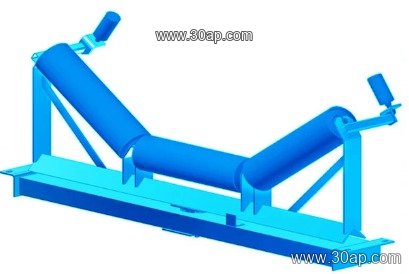
A conveyor support bracket is the structural element that holds the idler roller in place and keeps the carrying or return side of the conveyor belt at the correct profile. On a quarry conveyor line or a cement plant transfer house, the bracket is often the quiet part of the frame that decides whether the belt tracks cleanly or rubs against the structure. It is not a pulley: a drive pulley, tail pulley and bend pulley each handle power transmission or direction change, while the bracket simply supports the rollers that carry the belt.
Because it sits between the belt and the main frame, the bracket transfers the weight of the loaded belt into the stringer or cross beam. A well-matched conveyor bracket also fixes the trough angle, the roller spacing and the height of the belt line, which directly affects spillage, belt wear and idler life.
Construction and Common Build Forms
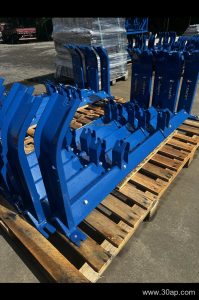
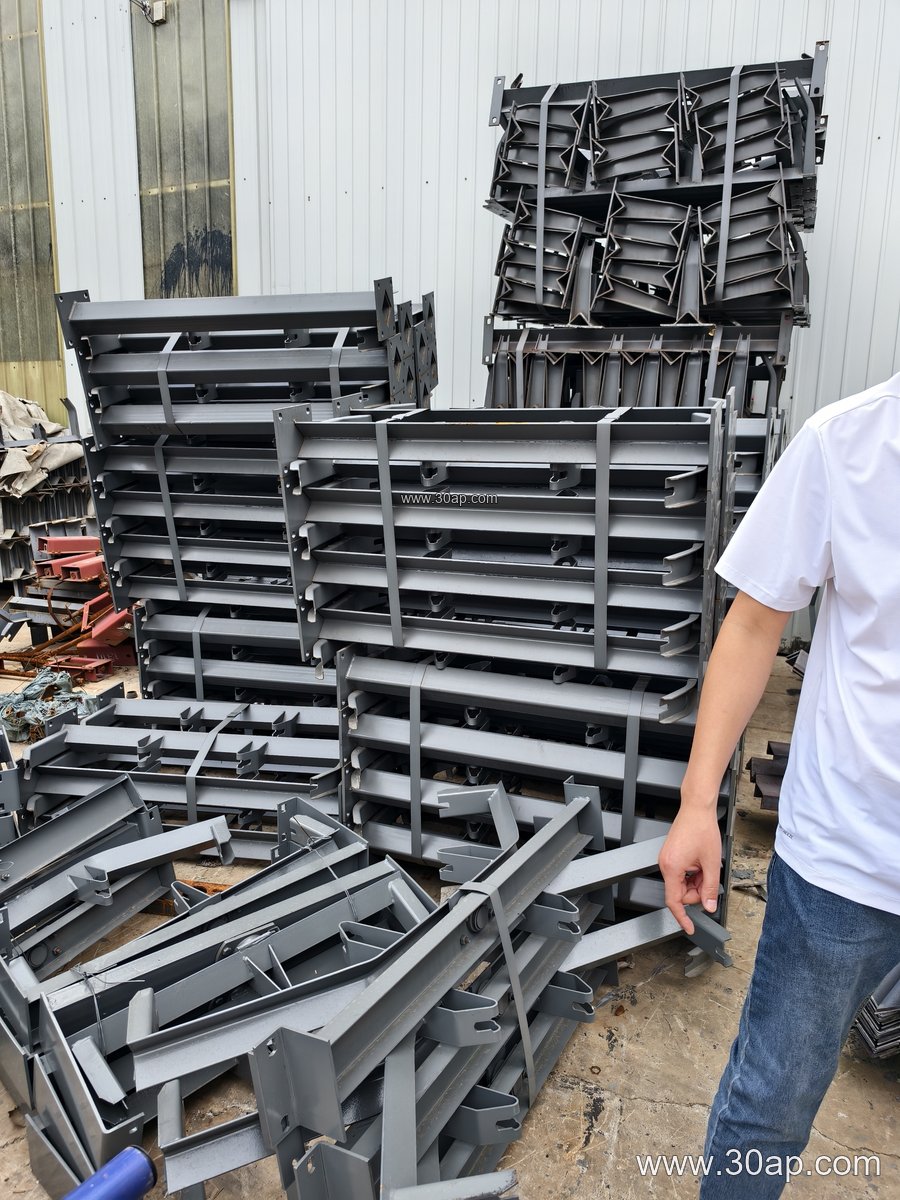
Most brackets are fabricated from angle steel, channel steel or folded steel plate, then drilled or punched for the idler shaft. Welded brackets usually have a gusset or bent lip to resist the bending load from a fully loaded belt. Bolted designs allow replacement without cutting the frame, which matters in a crusher discharge area where maintenance windows are short.
Common forms include the trough bracket for the carrying side, the transition bracket near the tail pulley, the return bracket and the V-return bracket for the return strand, plus impact brackets under a loading point and self-aligning brackets on long runs. Adjustable brackets let crews set the trough angle on site, while fixed brackets lock one angle for the life of the line. The table below shows typical reference ranges, not universal specifications.
| Item | Typical Reference Range | Notes |
|---|---|---|
| Belt width | B500, B650, B800, B1000, B1200, B1400, B1600, B1800, B2000 | Beam length and hole spacing follow the selected width |
| Trough angle | 20°, 30°, 35°, 45° | Adjustable designs can be set within this range |
| Idler diameter | Ø89, Ø108, Ø133, Ø159, Ø194 | Matched to load and belt speed by design |
| Forward tilt | About 1.5° to 2° | Used on forward-tilt brackets for belt training |
| Material | Angle steel, channel steel, folded plate | Coating or galvanizing chosen by environment |
Matching the Bracket to Belt Width and Roller Size
There is no single rule that ties one belt width to one trough angle or one roller diameter. A B800 line handling damp sand may run a 35° trough with Ø108 idlers, while a B1200 primary crusher discharge might use 45° and Ø133 to control a wide, heavy load. A B650 aggregate conveyor often works well with 30° and Ø89 where the tonnage is moderate.
The bracket must also suit the belt itself. A heavy-duty mining conveyor belt or a high abrasion resistant conveyor belt is stiffer and heavier than a thin food grade belt, so the roller spacing and bracket stiffness change with it. Where a skirted conveyor belt or corrugated sidewall conveyor belt runs, the bracket and roller arrangement must leave clearance for the cleats and sidewalls. On a pipe conveyor belt line, the support structure is a different assembly entirely and should not be confused with a standard trough bracket.
Where These Brackets Are Used
In a coal washing plant, return brackets and V-return brackets carry the empty strand through dusty, wet conditions, so drainage and coating matter. In a power plant coal yard, transition brackets near the tail pulley guide the belt from flat to troughed without pinching the edges. In an iron ore or copper ore operation, impact brackets under the chute absorb the drop energy before the belt reaches the first standard idler station.
The same component appears in limestone quarries, sand and gravel lines, fertilizer plants and grain silos. Sites handling a flame retardant conveyor belt or an anti-static conveyor belt often specify similar bracket steel but pay closer attention to earthing continuity across the frame.
What Buyers Should Check Before Ordering
- Confirm the belt width, trough angle and idler diameter as a set, and state whether the bracket is fixed or adjustable.
- Ask for the mounting hole spacing and beam length, since these change with width and angle rather than staying constant.
- Check the finish against the environment: galvanized for wet coal handling, painted for dry aggregate service.
- For a self-aligning or forward-tilt bracket, confirm the intended tilt and the roller type it accepts.
- Keep spare brackets for transition and impact positions, where damage is most likely.
At cnmdbelt.com, conveyor bracket drawings are usually reviewed together with the idler roller and conveyor pulley layout so the whole station fits. On a steel plant conveyor belt or a port ship loading line, a small dimensional error at the bracket can shift the whole belt path, so the drawing check is worth the time.
Installation and Maintenance Notes
Set brackets square to the belt centreline and at a consistent height, then check that the rollers sit fully in their seats before tensioning. Recheck bolt torque after the first few days of running, especially on impact and transition brackets. Worn or bent brackets usually show up as edge wear, belt wander or a sudden noise from a loose idler. Replacing a single bracket is far cheaper than replacing a damaged abrasion resistant conveyor belt, so routine inspection of the support structure pays back quickly.