What the EP500 Conveyor Belt Is
The EP500 Conveyor Belt is a fabric-core rubber belt built around polyester-polyamide (EP) carcass plies. The 500 refers to the nominal tensile strength of the carcass, usually expressed in newtons per millimetre of belt width. In practical terms, this places the belt in the medium-to-high strength band of the EP family, above EP400 and below EP630, which makes it a common choice where loads are heavy but a steel cord construction is not strictly required. Buyers comparing catalogues will also see it written as an EP500 rubber conveyor belt or an EP fabric core conveyor belt, and these names describe the same product.
The EP carcass is the reason this belt is popular. Polyester provides low elongation under load, while polyamide contributes flexibility and resistance to fatigue. Together they give a belt that tracks well, absorbs shock reasonably and keeps take-up travel within sensible limits on long conveyors.
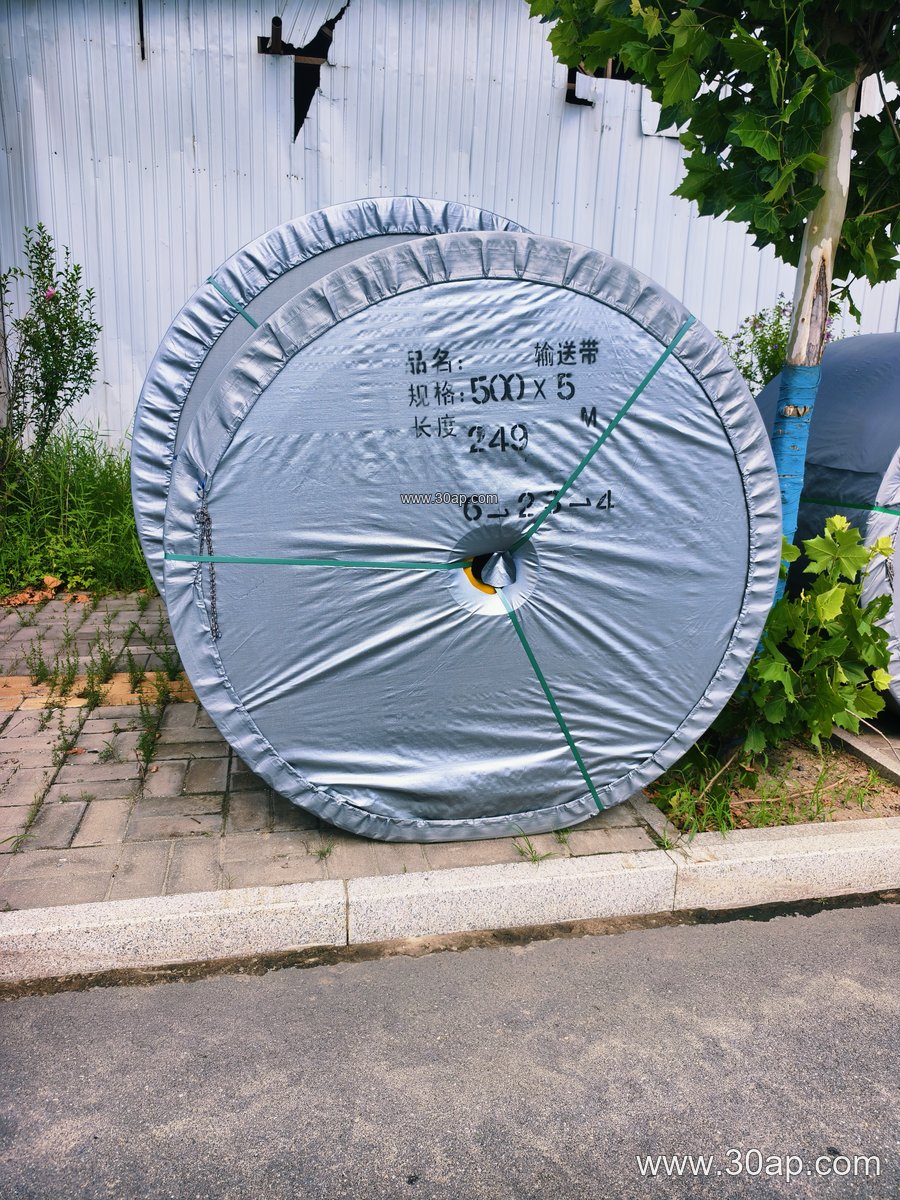
Construction and Typical Specifications
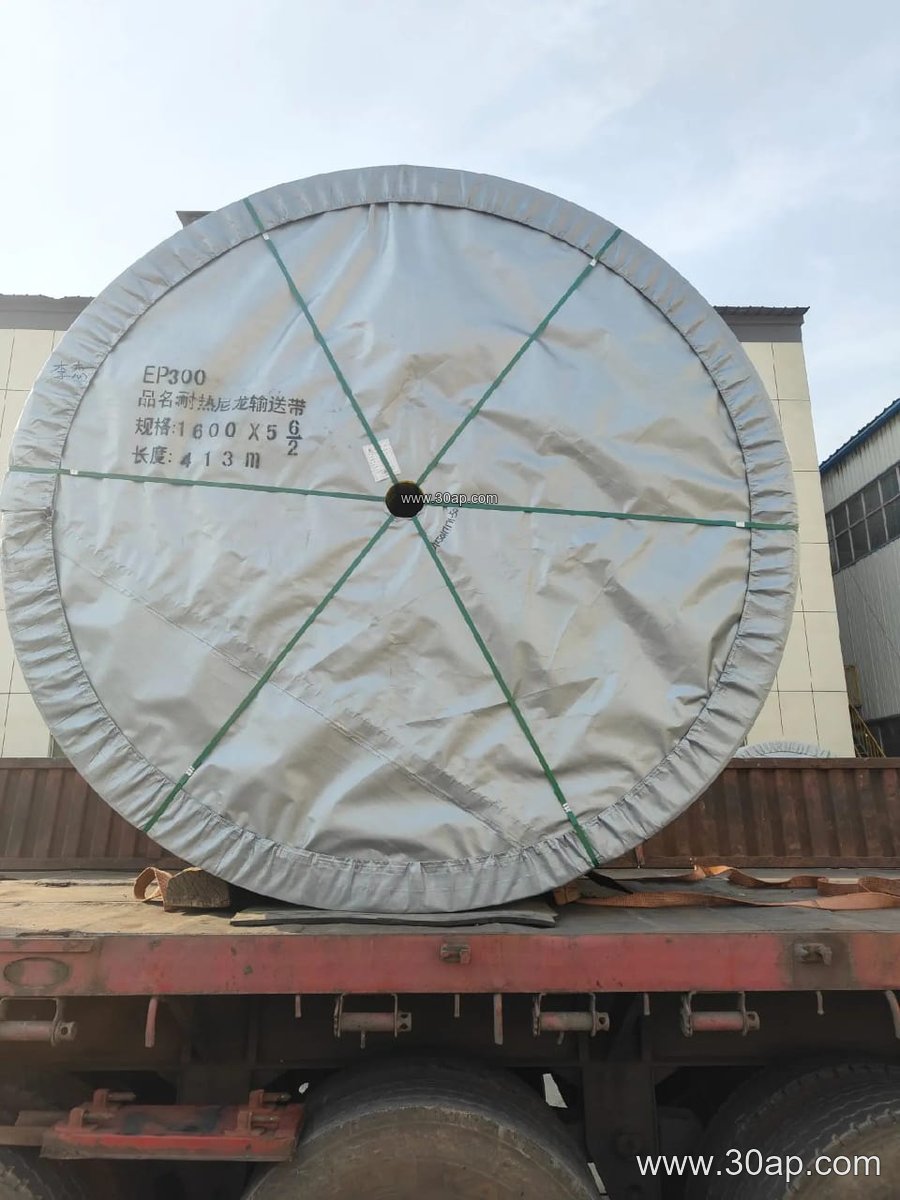
An EP500 belt is usually supplied with a rubber cover on both faces. The top cover protects the carcass from abrasion and impact, while the bottom cover runs against idler rollers and drive pulleys. Cover thickness is selected by application rather than fixed by the carcass grade, so the same EP500 body may appear with several cover combinations.
| Item | Common reference values |
|---|---|
| Carcass type | EP fabric core, 2 to 6 plies |
| Nominal strength | EP500 (about 500 N/mm) |
| Belt width | B500, B650, B800, B1000, B1200, B1400, B1600 among others |
| Cover thickness examples | 4+2 mm, 5+2 mm, 6+2 mm, 8+3 mm |
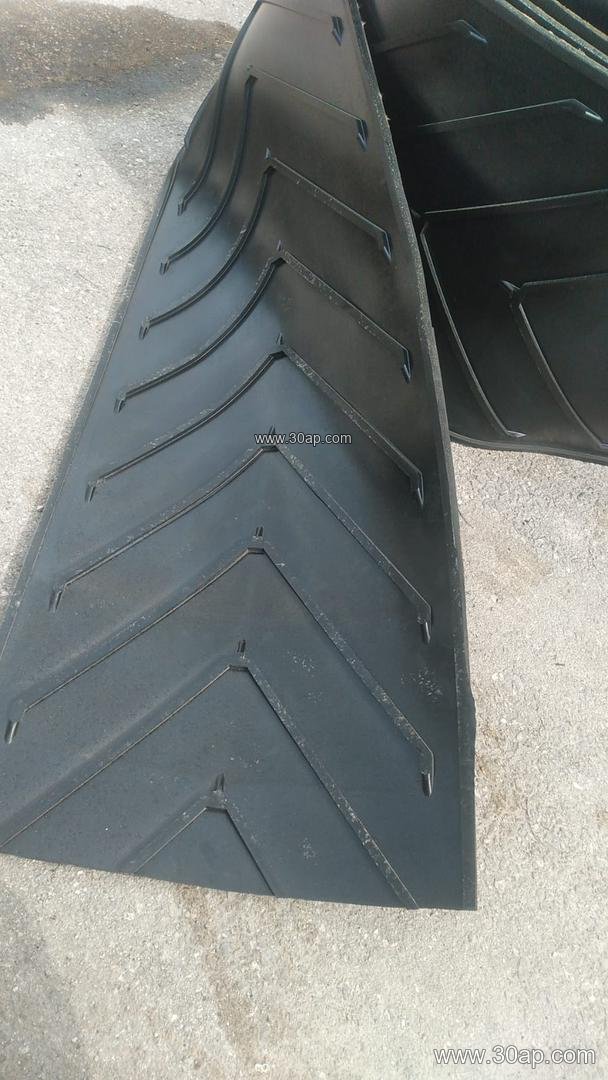
| Surface options | Smooth, chevron, skirted or corrugated sidewall on request |
These figures are typical reference data, not a universal specification. Ply count, cover compound and total thickness should always be confirmed against the conveyor design and the material being carried.
Where It Fits in the Field
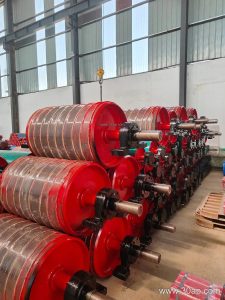
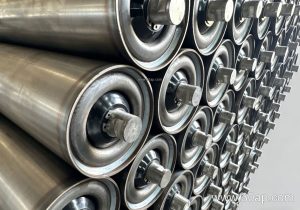
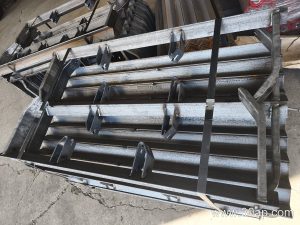
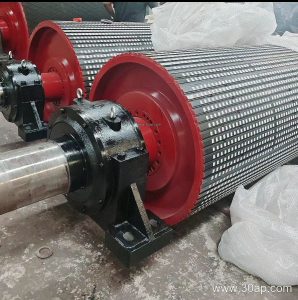
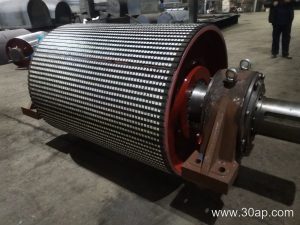
The EP500 Conveyor Belt is often found in quarry and aggregate plants feeding crushers, in cement works moving clinker and raw meal, in power plant coal yards, and in iron ore or copper ore handling lines. It also appears in sand and gravel operations and in some port bulk material systems. In these settings the belt usually runs over three-roller idler sets, with a drive pulley at the head and a tail pulley at the loading end.
It is not the automatic answer for every duty. Where the conveyor is extremely long or the tonnage is very high, a steel cord conveyor belt may offer lower elongation. Where oil, heat or flame resistance dominates, a specialised compound matters more than the strength grade. A flame retardant conveyor belt for underground coal mining, for example, is chosen for its safety properties first. The EP500 sits comfortably in the middle ground of abrasive, moderately heavy bulk handling.
Selection Points for Buyers
- Check the calculated maximum belt tension against the EP500 rating with a sensible safety margin.
- Match cover thickness and compound to the material: sharp rock calls for a high abrasion resistant conveyor belt cover, hot material for a heat resistant conveyor belt grade.
- Confirm pulley diameters with the belt manufacturer, since carcass flexibility limits how small a pulley can be used.
- Review the loading point. Impact beds or closely spaced idler rollers reduce damage where lumps fall from height.
- Decide whether a smooth surface is enough or whether a chevron conveyor belt pattern is needed on an incline.
Installation and Maintenance Notes
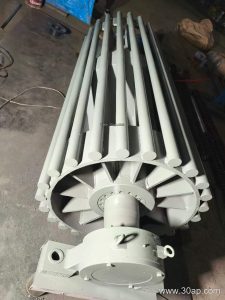
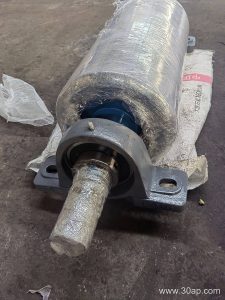
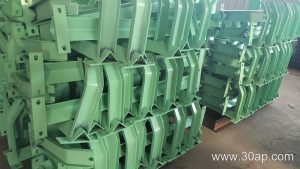
Correct splicing is critical. A poorly made joint can reduce the effective strength of the belt far below the EP500 rating. Alignment of the conveyor pulley and the idler frames should be checked before tensioning, and the belt should be run slowly to observe tracking. Keep the tail pulley and bend pulleys clean, because material build-up there is a common cause of edge damage and mistracking. Inspect the conveyor bracket and frame bolts periodically, as loose structures quickly translate into belt wander.
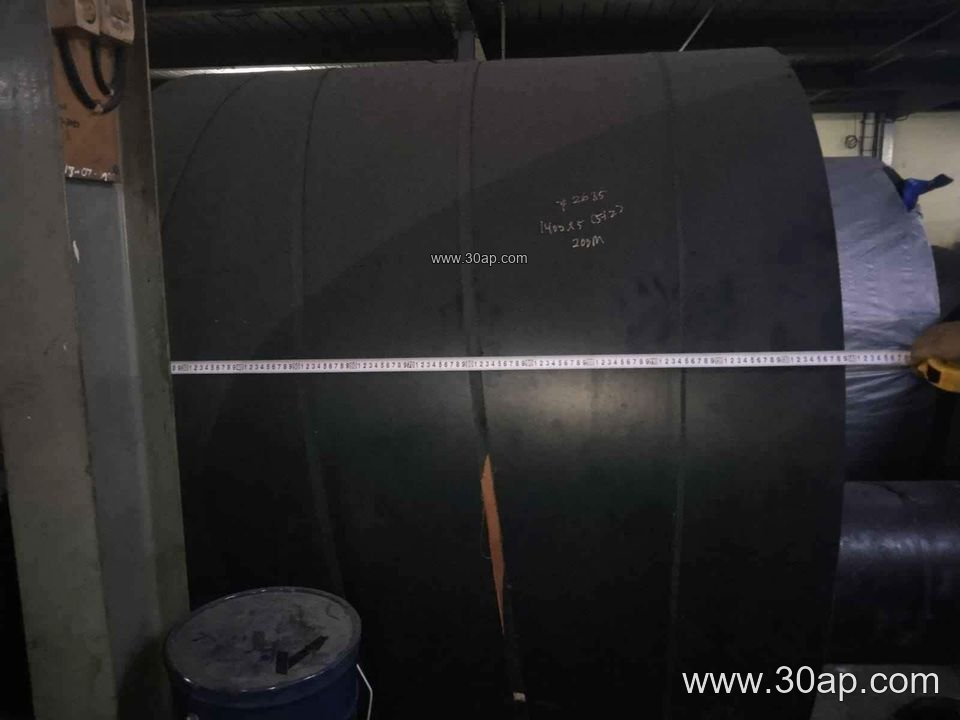
Store spare belts on a dry, shaded surface and avoid tight coils that can crease the carcass. When the belt is in service, watch for cover wear over the splice area, edge fraying and any exposed fabric. Early repair of small cover damage extends service life considerably.
Summary
The EP500 Conveyor Belt balances strength, flexibility and cost for many heavy-duty bulk handling duties. Understand the carcass, specify the cover for the environment, and confirm pulley and idler details with the supplier before ordering. For more information on conveyor belt, idler roller and conveyor pulley options, contact our team at xinrongconveyor.com and review the data sheets for each construction.