What a Polyurethane Idler Is and Where It Fits
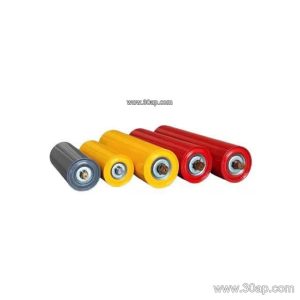
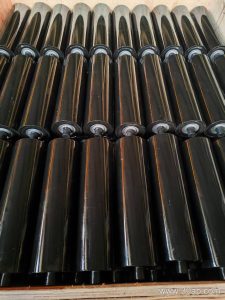
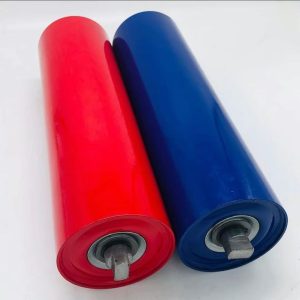
A polyurethane idler is a conveyor idler roller whose outer surface is made of polyurethane rather than steel, rubber, or nylon. It is used to support the conveyor belt on the carrying and return sides, and it is often chosen where standard steel rollers wear too quickly or where belt protection matters. In a quarry or a cement plant, for example, fine dust and abrasive aggregate can shorten the life of ordinary rollers; a polyurethane idler can offer better resistance to abrasion and reduce the risk of belt damage.
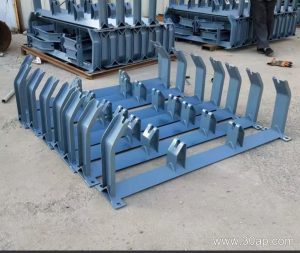
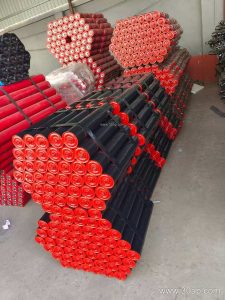
The idler roller is a familiar component in any belt conveyor system. It works together with the conveyor pulley, the conveyor bracket, and the conveyor belt itself. While a drive pulley, tail pulley, and bend pulley all have different jobs and are not interchangeable, the polyurethane idler remains a supporting element, usually installed in groups such as three-roll troughing sets or as a single return roller.
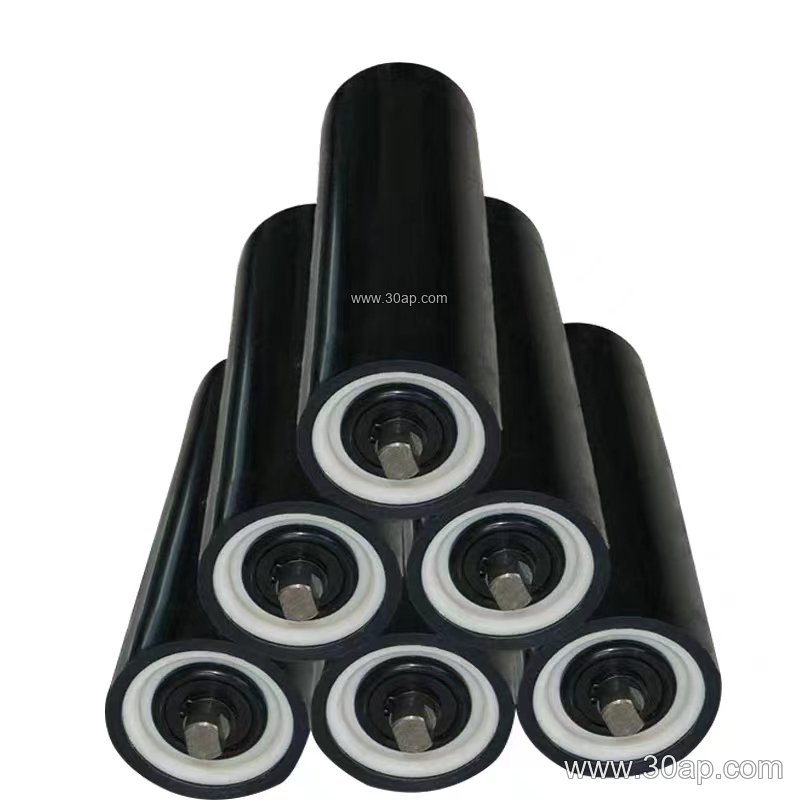
How the Polyurethane Idler Is Built
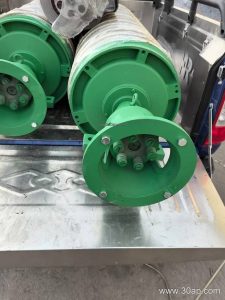
Most polyurethane idlers use a steel tube as the core, with a polyurethane layer bonded or cast onto the surface. The polyurethane can be formulated in different hardness grades, but the exact value depends on the supplier and the application. The roller ends are fitted with bearing housings and seals. Common bearing sizes include 6204, 6205, 6305, 6306, 6308, and 6310, and the bearing is selected according to load and speed rather than a single roller diameter.
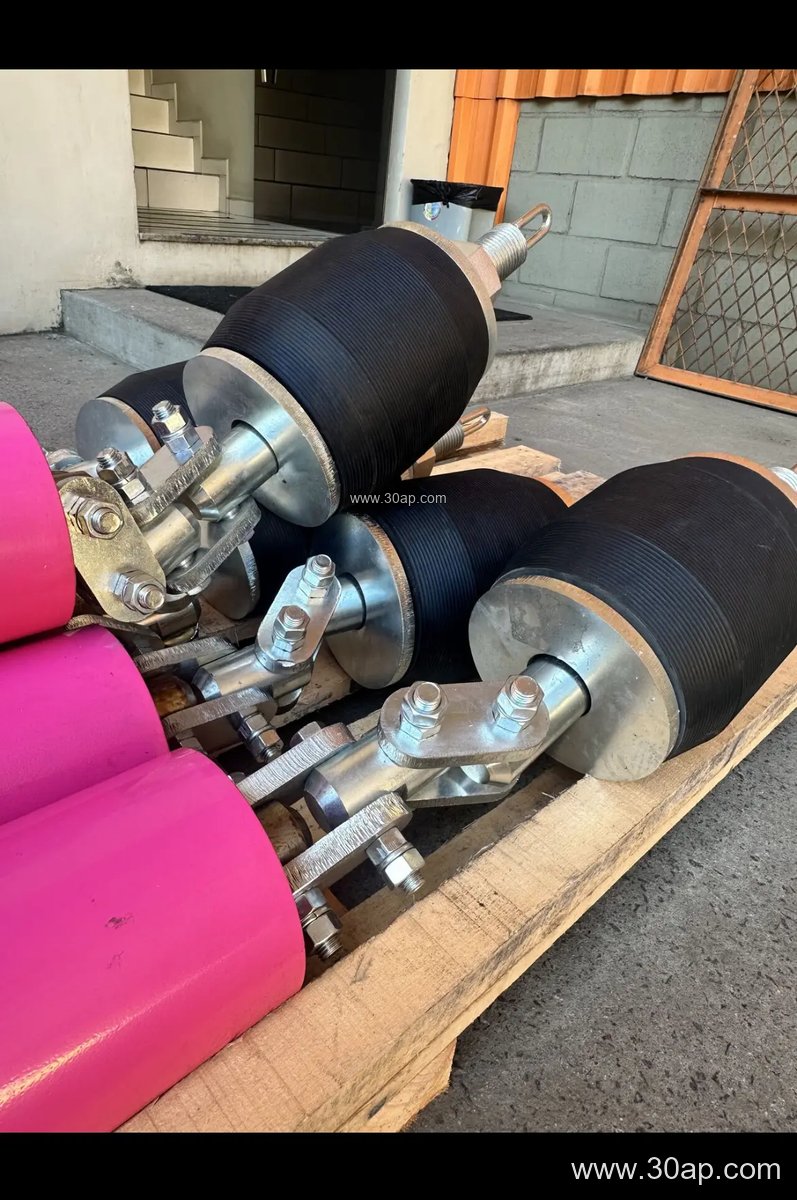
Sealing is critical in dusty or wet conditions. A good polyurethane idler uses labyrinth seals or similar multi-stage protection to keep out fine particles and moisture. The shaft diameter and roller length are determined by the conveyor design, not by belt width alone. For example, a three-roll troughing idler for a B800 belt often has a roll length around 315 mm, but side rollers may differ. These are reference examples, not fixed rules for every conveyor.
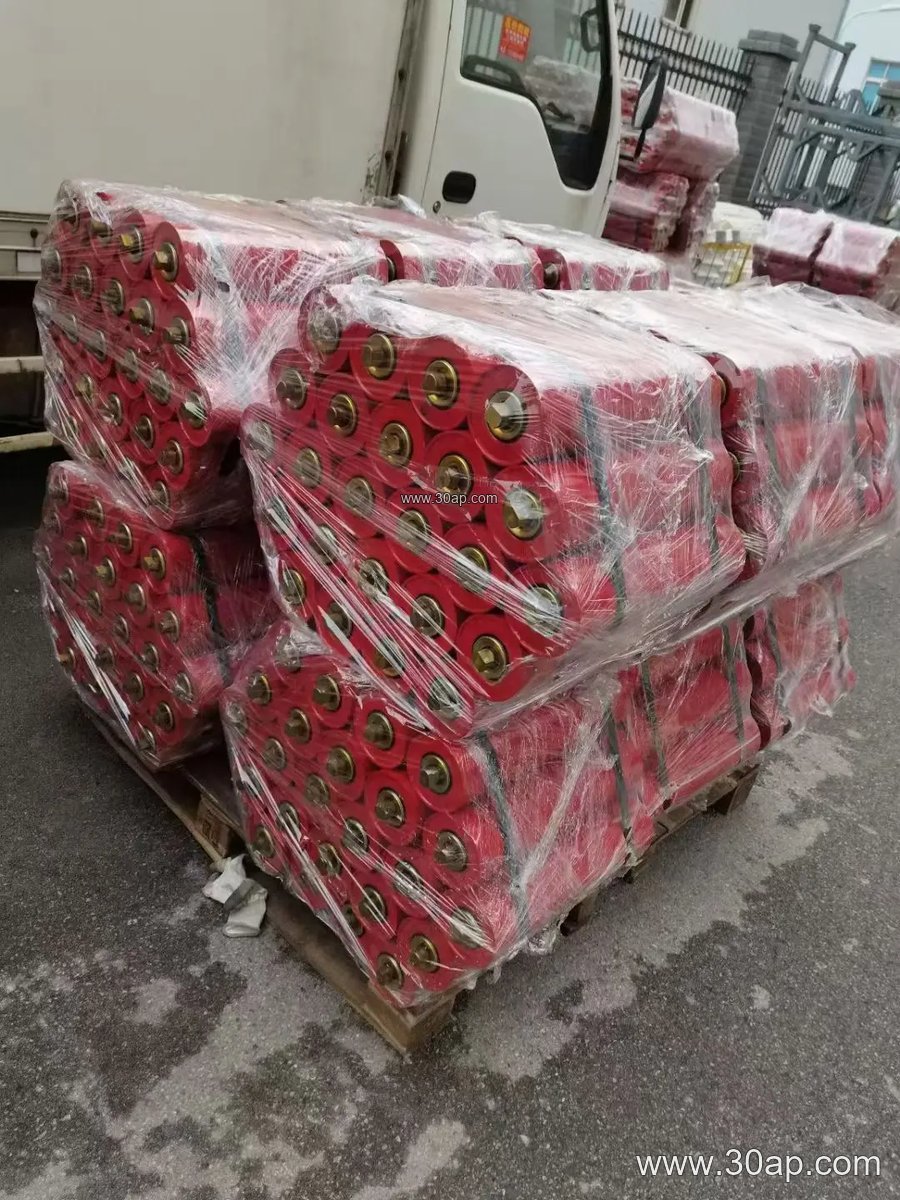
Typical Applications in Industry
Polyurethane idlers appear in many bulk material handling operations. In a coal mining conveyor system or a power plant coal yard, they can be used on the return side where sticky material causes buildup on steel rollers. In a sand and gravel plant, they help reduce wear from abrasive fines. In a cement plant, they may be found on clinker or raw material conveyors where heat and dust are present, although for high temperature zones a heat resistant conveyor belt and suitable idler selection are needed.
Other industries include fertilizer handling, where chemical resistance is useful, and food processing, where a food grade conveyor belt may be paired with cleanable idlers. The polyurethane surface is generally smooth and non-marking, which can help protect the belt cover. However, the idler must be matched to the belt type: an EP conveyor belt or a steel cord conveyor belt may require different roller spacing and load capacity. In a mine, a flame retardant conveyor belt is often required, and the idler should be compatible with the overall fire safety approach.
Selection and Maintenance Notes
When choosing a polyurethane idler, consider the belt width, the trough angle, the material being conveyed, and the environment. Common trough angles are 20, 30, 35, and 45 degrees. Roller diameters range from Ø63 to Ø219, and the choice depends on load and belt speed. For a B1000 belt, a three-roll troughing set might use a roll length around 380 mm, but this is only a typical reference. The idler group can be single-roll, two-roll, or three-roll troughing.
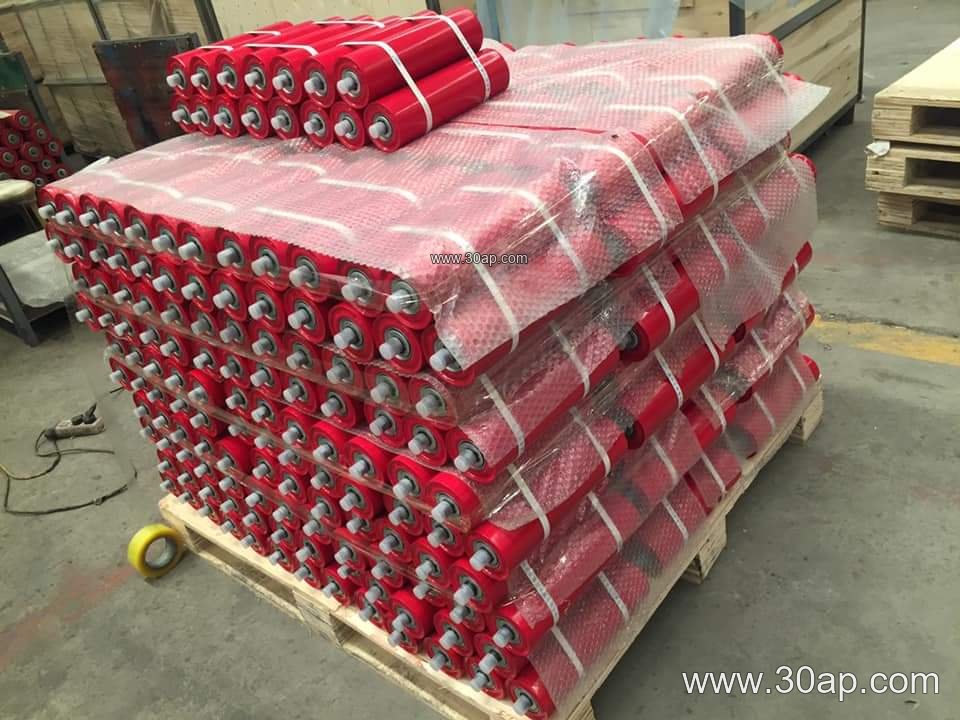
Maintenance is straightforward: check for worn polyurethane surfaces, seized bearings, and loose brackets. In a dusty quarry or a coal handling plant, regular cleaning and inspection extend service life. If the conveyor belt is a chevron conveyor belt or a corrugated sidewall conveyor belt, the idler arrangement may need special attention to avoid interference with the cleats or sidewalls. Always consult the conveyor designer for the correct idler type, size, and spacing.
For more information on related conveyor components, visit our site at www.example.com/polyurethane-idler or www.example.com/conveyor-idler.