What a Conveyor Belt Support Frame Does
A conveyor belt support frame is the steel structure that holds the idlers in place and keeps the belt at the correct profile along the length of a conveyor. It is not a single part but a family of frames: carrying frames on the top run, return frames underneath, transition frames near the pulleys, and self-aligning or impact frames where the belt needs extra control. In a quarry, a coal washing plant, or a cement clinker line, these frames are what turn a loose belt into a stable conveying surface.
The frame carries the load of the belt plus the material, and it sets the trough angle that shapes the belt into a curve so bulk material stays centered. Get the frame wrong and the belt will mistrack, spill, or wear along one edge.
How the Frame Is Built
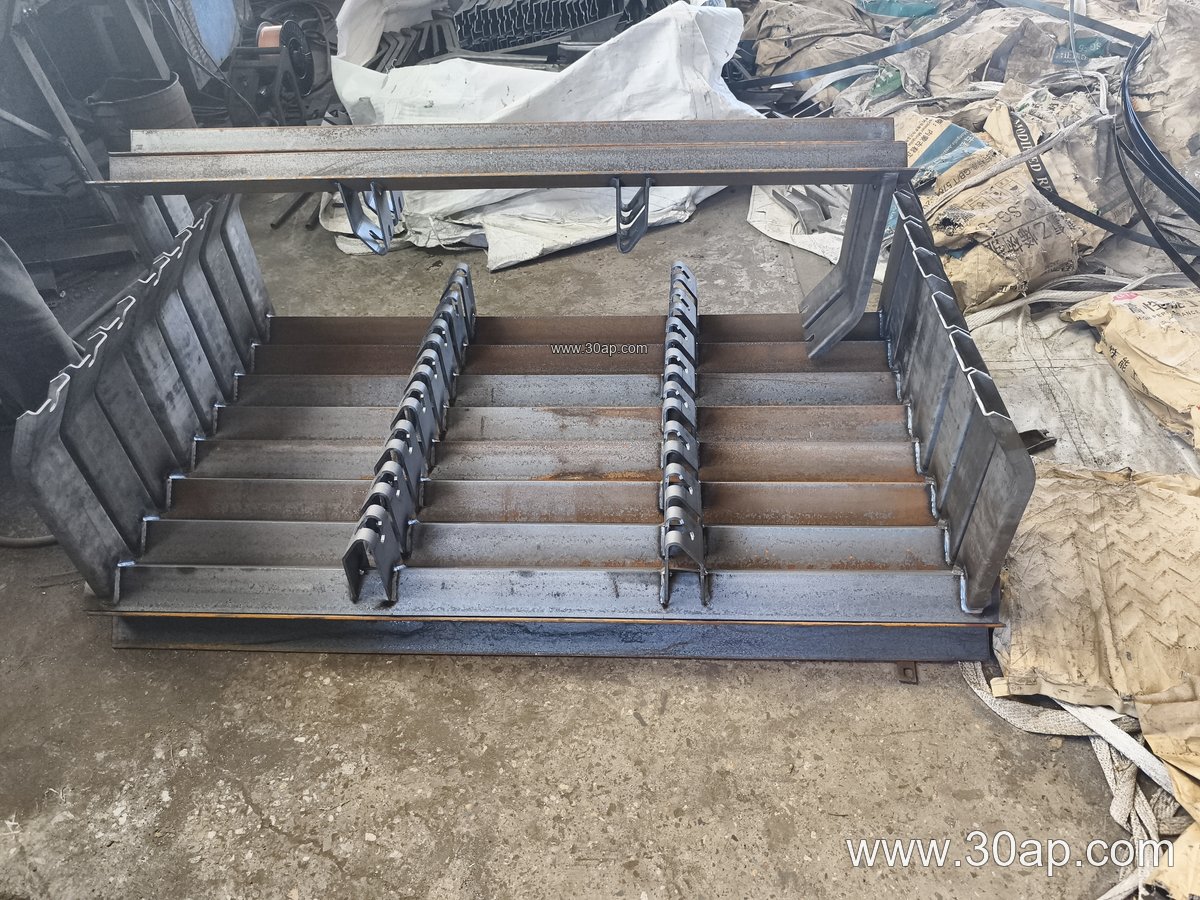
Most frames are fabricated from angle steel, channel steel, or folded steel plate. A typical carrying frame has two or three idler mounting positions set at a fixed or adjustable angle, welded or bolted to a cross beam. The beam length and the mounting hole spacing follow the belt width and the trough angle, so they are determined by design rather than by a single standard number.
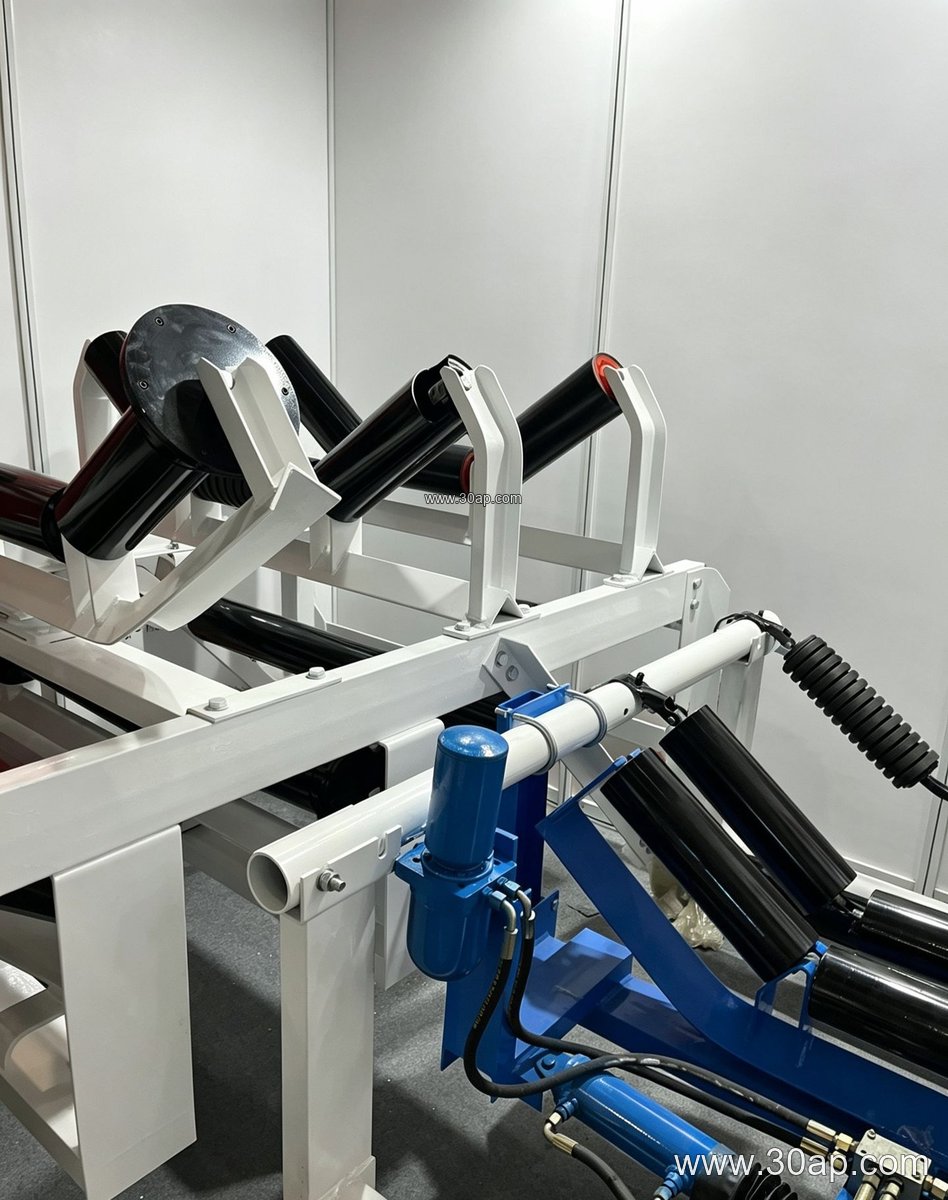
Common build details include:
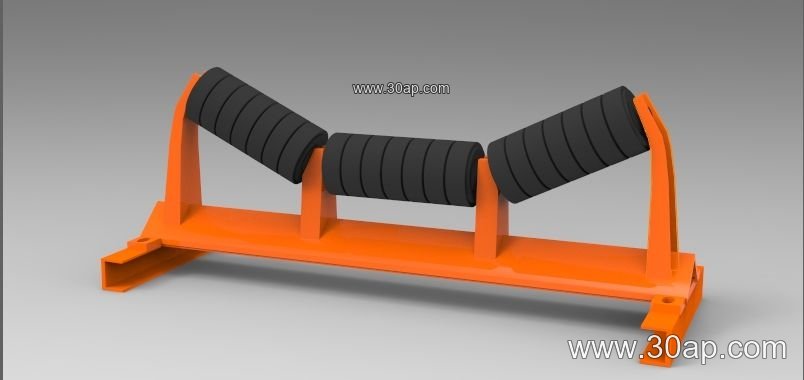
- Welded frames for fixed trough angles, usually chosen where the belt line rarely changes
- Bolted or slotted adjustable frames that allow the trough angle to be set on site
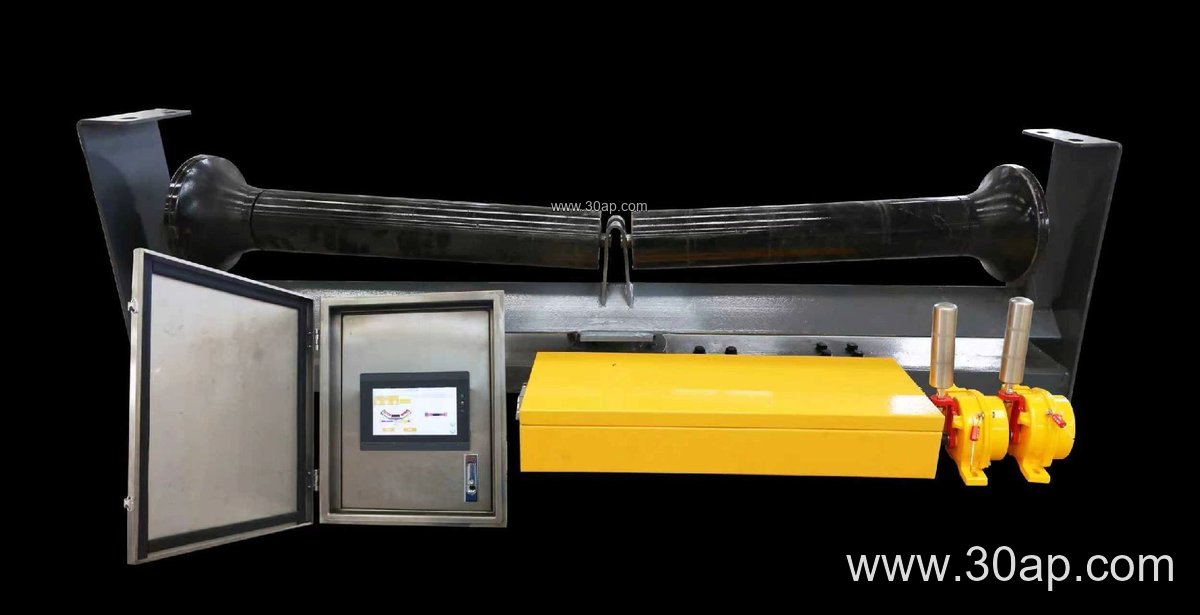
- Pivot-type self-aligning frames that swing slightly to steer a drifting belt back to center
- Impact frames with rubber or spring cushions under the idlers at transfer points
Surface treatment matters as much as the steel. In a fertilizer plant or a port terminal handling salt-laden air, galvanizing or a heavy paint system extends service life. In a coal preparation plant, frames are often specified with anti-static and flame retardant properties in mind for the whole belt line, not just the belt itself.
Matching the Frame to Belt Width, Trough Angle, and Roller Diameter
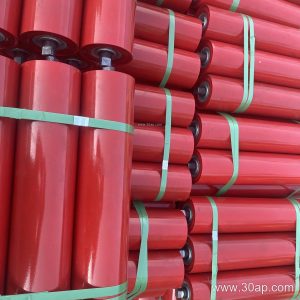
Buyers usually start from the belt width and work outward. The frame must be wide enough to accept the idler roller set and long enough to reach the stringer or the mounting brackets on each side. Trough angle and roller diameter then follow the material and the belt stiffness.
| Belt width | Common trough angle | Typical roller diameter |
|---|---|---|
| B500 – B650 | 20° – 30° | Ø89 |
| B800 – B1000 | 30° – 35° | Ø108 – Ø133 |
| B1200 – B1400 | 35° – 45° | Ø133 – Ø159 |
| B1600 – B2000 | 35° – 45° | Ø159 – Ø194 |
These are reference combinations, not fixed rules. A B800 line can run at 30° or 35° depending on the material, and the roller diameter should be confirmed against the belt tension and speed, not assumed from width alone.
Where Support Frames Are Used
In an iron ore or copper ore operation, heavy-duty frames with impact idlers sit under the crusher discharge, where lump size is large and drop height is significant. In a sand and gravel line, adjustable carrying frames let the operator fine-tune the trough angle as the belt stretches and the load profile changes. In a power plant coal yard, self-aligning return frames help keep a long overland belt centered through wind and temperature swings.
Frames also appear in less obvious places: a tunnel boring operation uses compact hanging frames where space is tight, and a grain silo relies on smooth, well-aligned frames to prevent dust leakage at the edges.
What to Check Before Ordering
A support frame is only as good as its fit with the rest of the line. Before ordering, confirm the belt width, the required trough angle range, the roller diameter, and the stringer or bracket spacing on the existing structure. If the conveyor is being upgraded, check whether the old frames are fixed or adjustable, because a change in trough angle may require new mounting positions.
Also consider the environment. A heat resistant conveyor belt in a sinter plant needs frames that will not distort under radiant heat, while a food grade conveyor belt in a processing hall needs frames with smooth, cleanable surfaces and no pockets where material can collect. For abrasive duties such as a quarry conveyor belt or an aggregate conveyor belt, thicker frame steel and reinforced idler seats reduce the cost of replacement over time.
Finally, treat the frame as part of a system. The conveyor pulley, the conveyor bracket, and the frame all share the same alignment tolerances, and a frame that is square and level will make every idler and pulley downstream easier to set up. Buyers who compare frames on steel thickness alone often miss the more important question: does the frame hold the idler roller at the angle the belt actually needs?