What a Deep Trough Idler Does
A deep trough idler is a type of carrying idler used on the load side of a belt conveyor. Its rolls are set at a steep trough angle, typically 35 or 45 degrees, so the conveyor belt forms a deep, U-shaped channel. This deep profile helps keep bulk materials centered, especially on curves or where material is loaded off-center. You will find these idlers in quarry conveyor lines, limestone mines, iron ore operations, and aggregate plants where belt training is critical.
Unlike a standard three-roll troughing idler at 20 or 30 degrees, a deep trough design increases the material cross-section and reduces spillage. It is not a replacement for a bend pulley or a tail pulley; those are conveyor pulleys with different functions. The deep trough idler works together with the conveyor belt, idler roller frames, and conveyor bracket assemblies to maintain belt shape.
Construction and Key Components
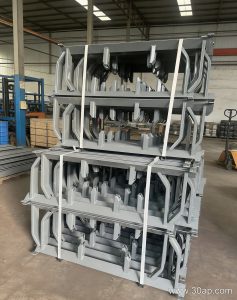
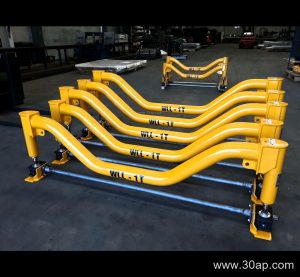
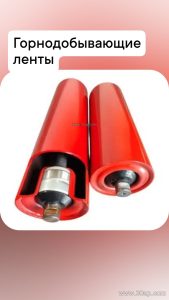
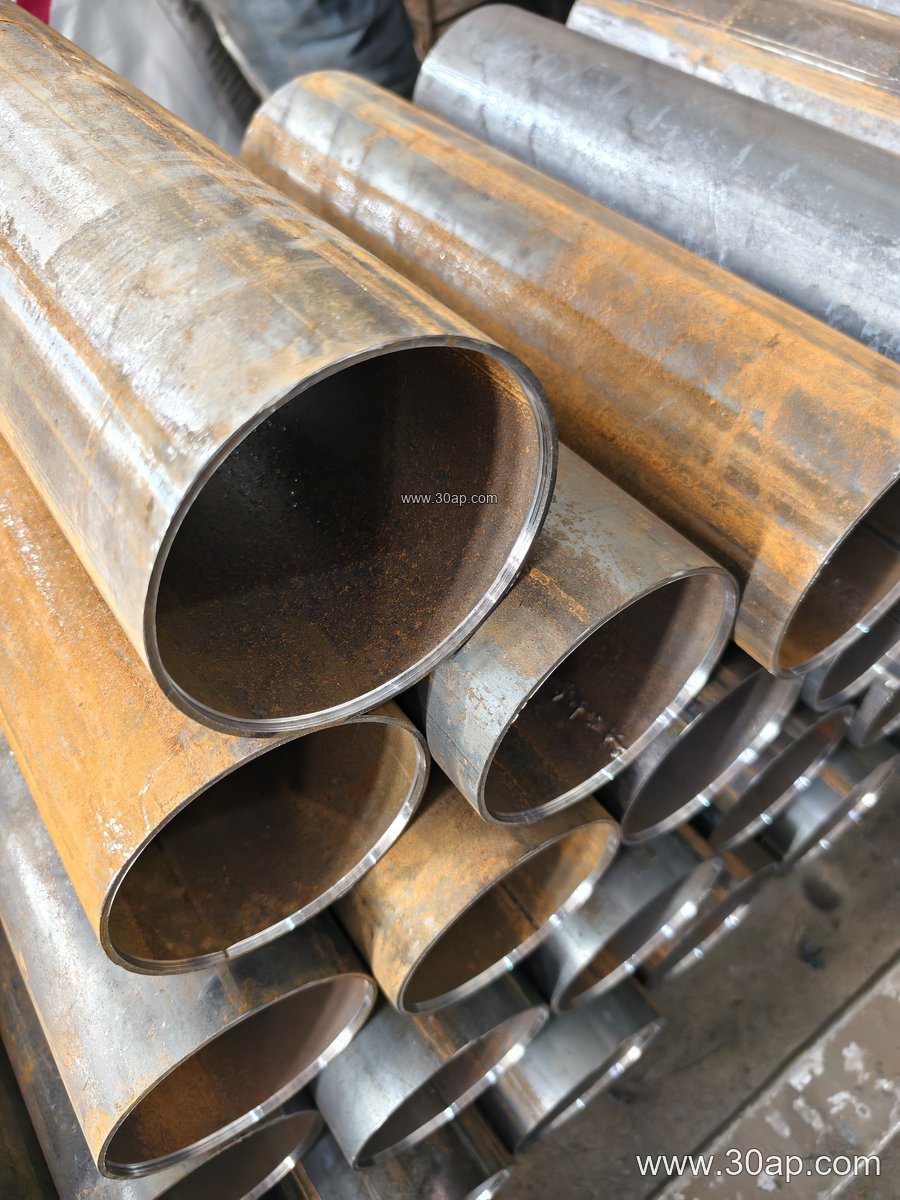
A deep trough idler assembly usually consists of three rolls mounted in a steel frame. The rolls have a steel tube shell, often with nylon, rubber, or ceramic surface options for different wear conditions. Bearings such as 6205, 6305, or 6308 are common, selected according to load and speed. The shaft diameter is determined by the roll diameter and load rating, not by belt width alone.
Common roll diameters for deep trough idlers include Ø89, Ø108, Ø127, Ø133, and Ø159 mm. The roll length varies with belt width and trough angle. For example, a three-roll deep trough idler for a B800 belt may use roll lengths around 315 mm, while a B1200 belt may use about 465 mm. These are typical examples, not fixed rules; side rolls and center rolls can differ. The frame is often powder-coated or galvanized for corrosion resistance in cement plants, power plant coal handling, and port terminals.
Typical dimensional reference (examples only)
| Belt width | Common roll length (three-roll) | Common trough angle |
|---|---|---|
| B500 | 200 mm | 35° or 45° |
| B650 | 250 mm | 35° or 45° |
| B800 | 315 mm | 35° or 45° |
| B1000 | 380 mm | 35° or 45° |
| B1200 | 465 mm | 35° or 45° |
| B1400 | 530 mm | 35° or 45° |
For wider belts such as B1600 or B1800, roll lengths around 600 mm and 670 mm are common. Always confirm with the conveyor design, as belt width alone does not dictate a single pulley diameter or shaft size.
Where Deep Trough Idlers Are Used
These idlers are common in the mining and quarry industries. In a copper ore or gold mining operation, a deep trough idler helps contain heavy, lumpy material on the conveyor belt. In a coal mining conveyor system, the deep trough profile reduces the chance of coal spillage at transfer points. Aggregate plants and sand making lines also use them to keep crushed stone centered on the belt.
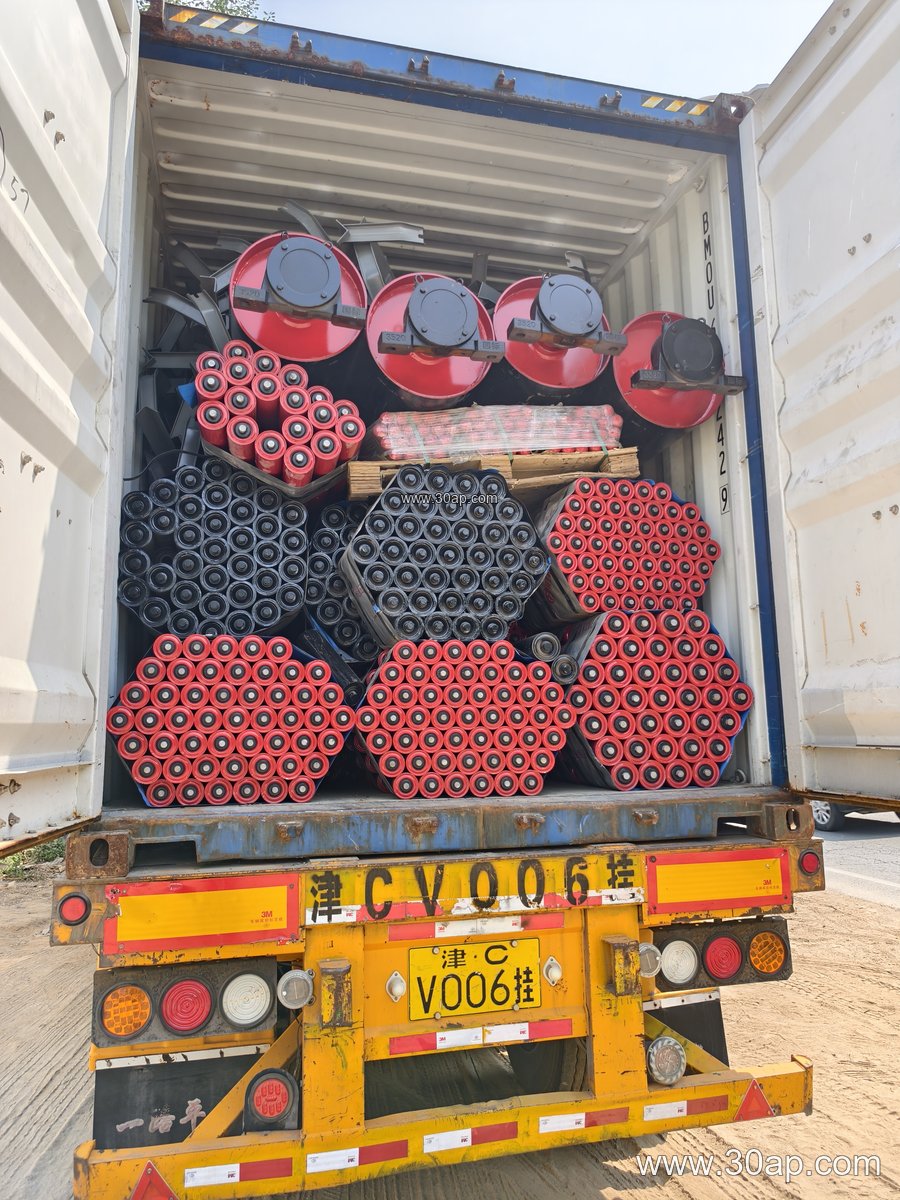
They are also found in cement plants, steel plant sinter lines, and power plant coal yards. When combined with a skirted conveyor belt or a corrugated sidewall conveyor belt, the deep trough idler improves material containment. For high-abrasion conditions, a rubber conveyor belt or an abrasion resistant conveyor belt is often paired with these idlers. In cold climates, a cold resistant conveyor belt may be used, but the idler frame and bearings should also be suitable for low temperatures.
Selection and Maintenance Notes
Buyers should consider belt width, trough angle, roll diameter, and bearing type together. A deep trough idler with a 45-degree angle is not automatically better than a 35-degree version; the choice depends on material characteristics and belt stiffness. For sticky materials, a larger roll diameter may reduce buildup. For high-speed lines, bearing quality and seal design matter more than roll length.
Maintenance is straightforward: check for seized rolls, worn shells, and loose brackets. A worn idler roller can damage the conveyor belt and affect tracking. Replace rolls in sets when possible, and verify that the conveyor bracket and frame are aligned. Deep trough idlers are not interchangeable with return idlers, impact idlers, or self-aligning idlers; each has a specific role.
For more information on conveyor belts, idler rollers, and conveyor pulleys, visit our site at www.example.com/deep-trough-idler. Our team can help match the right deep trough idler to your conveyor belt and application.