What a Motorized Pulley Is
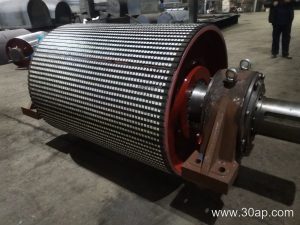
A motorized pulley, also called a drum motor, is a self-contained drive unit for a conveyor belt. The electric motor and the gear reducer sit inside the pulley shell, so the drum itself turns the belt without an external gearbox, chain, or exposed drive shaft. In a typical conveyor frame, the motorized pulley serves as the head pulley: it pulls the loaded belt, while a separate tail pulley and bend pulleys handle return and direction changes. This arrangement keeps the drive compact and reduces the number of parts around the conveyor bracket.
Because the drive is internal, a motorized pulley is often chosen where space at the discharge end is tight, or where a clean, enclosed drive is preferred. It is not a replacement for a tail pulley or a bend pulley; those remain separate components with their own duties. The motorized pulley is the driving element, and the rest of the conveyor pulley set is selected around it.
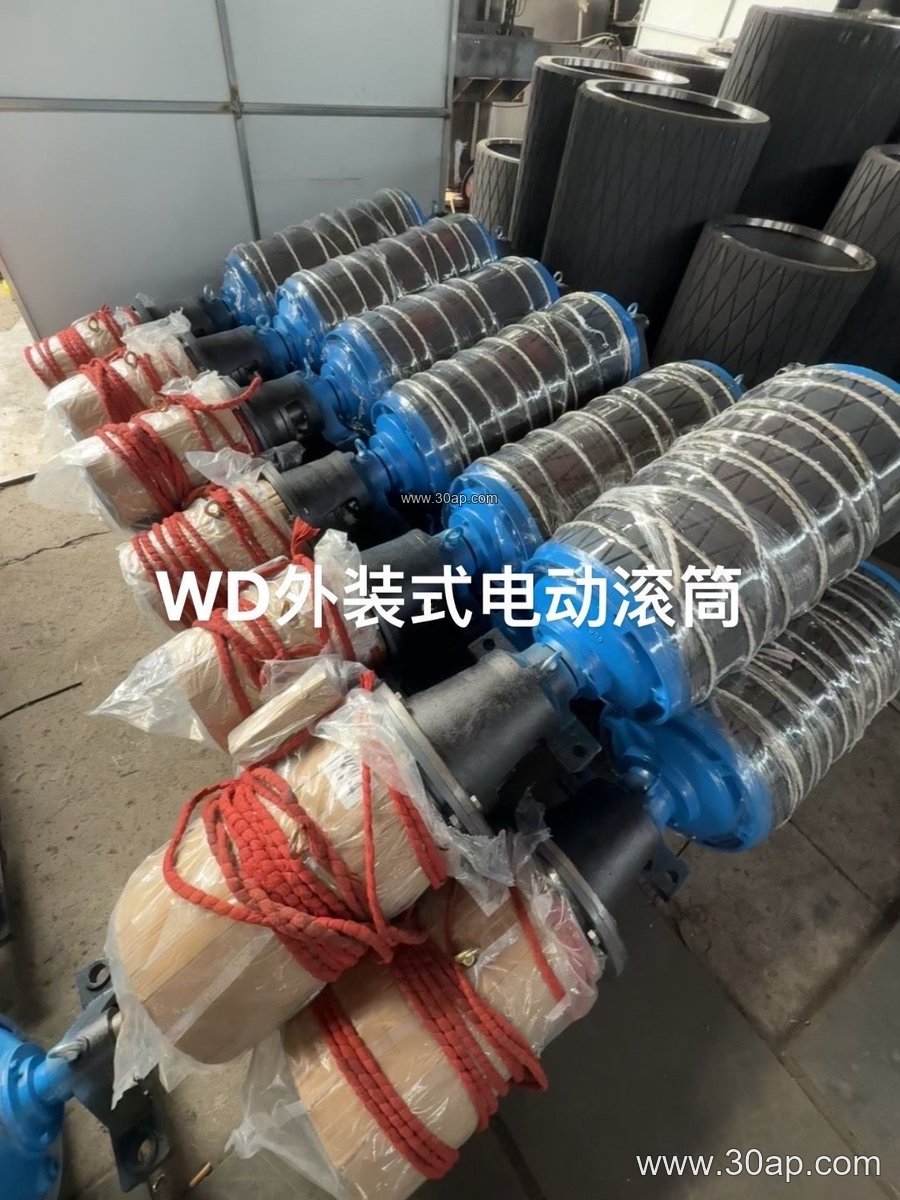
Construction and Internal Layout
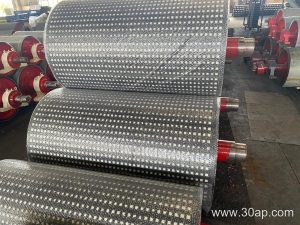
The shell is usually a steel drum with machined ends. Inside, a stator and rotor are mounted on a fixed shaft, and a planetary or helical gear stage reduces motor speed to the required belt speed. Bearings support the shell on the shaft, and seals keep dust and water out. The outer surface may be plain, rubber lagged, or ceramic lagged. Common lagging thicknesses are 8, 10, 12, 15, and 20 mm, and the surface pattern can be smooth, diamond, or herringbone depending on grip and material carryback.
The shaft does not rotate; the shell rotates around it. That is why the motorized pulley can be mounted with simple brackets and why the torque reaction is taken by the shaft. For a buyer, the key internal choices are the gear ratio, the motor power, the insulation class, and the bearing arrangement. These are selected from the conveyor duty, not from belt width alone.
Where It Fits in a Conveyor
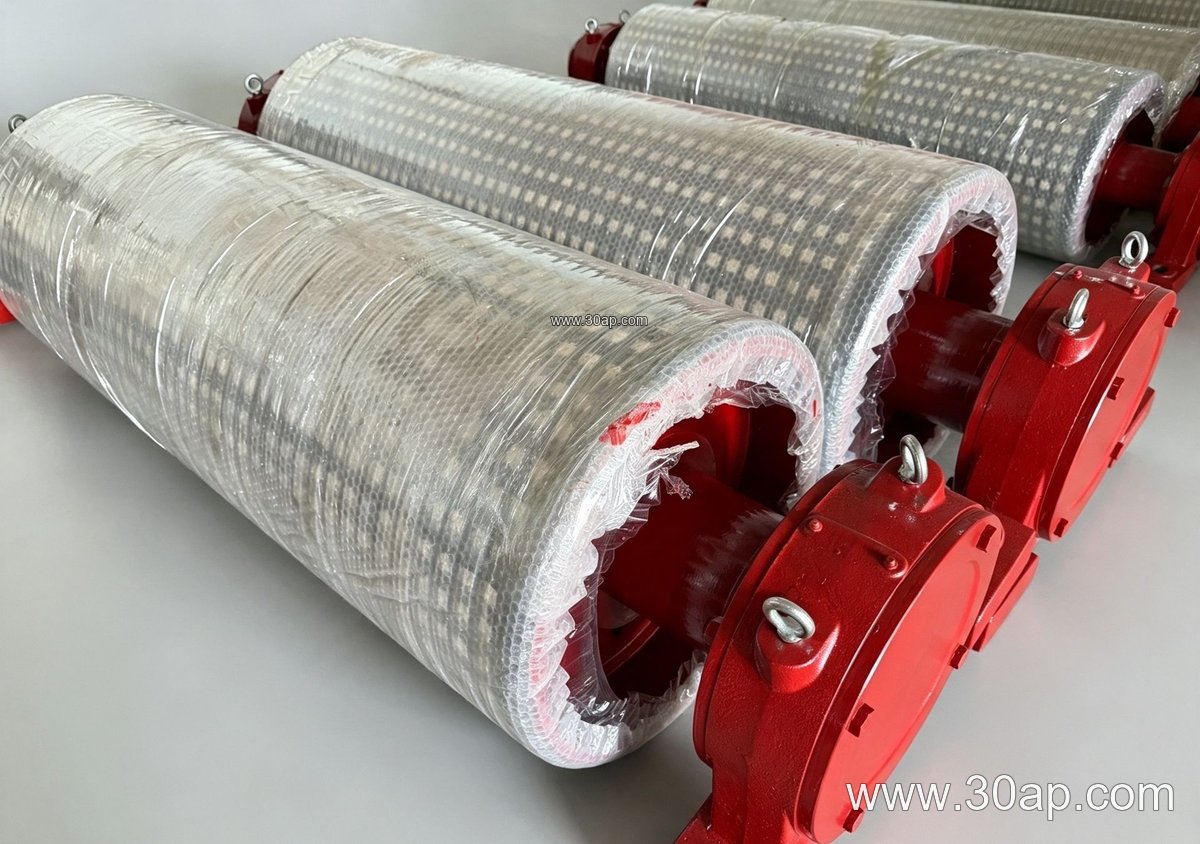
Motorized pulleys are common in aggregate plants, cement plants, and power plant coal handling, as well as in smaller sand and gravel lines where a compact head drive is useful. They also appear in port bulk terminals and in tunnel spoil conveyors when the drive envelope must stay small. In these settings, the pulley works with a conveyor belt, idler rollers, and a conveyor bracket that holds the shaft ends.
On a long overland conveyor, a motorized pulley may drive the head, while a heavy-duty mining conveyor belt runs over troughing idlers and return rollers. In a coal mining conveyor, flame retardant and anti-static properties are often required for the belt, and the motorized pulley must be rated for the same environment. The pulley itself does not replace the belt’s own fire resistance; it is a drive component selected to match the duty.
Matching the Pulley to Belt Width and Diameter
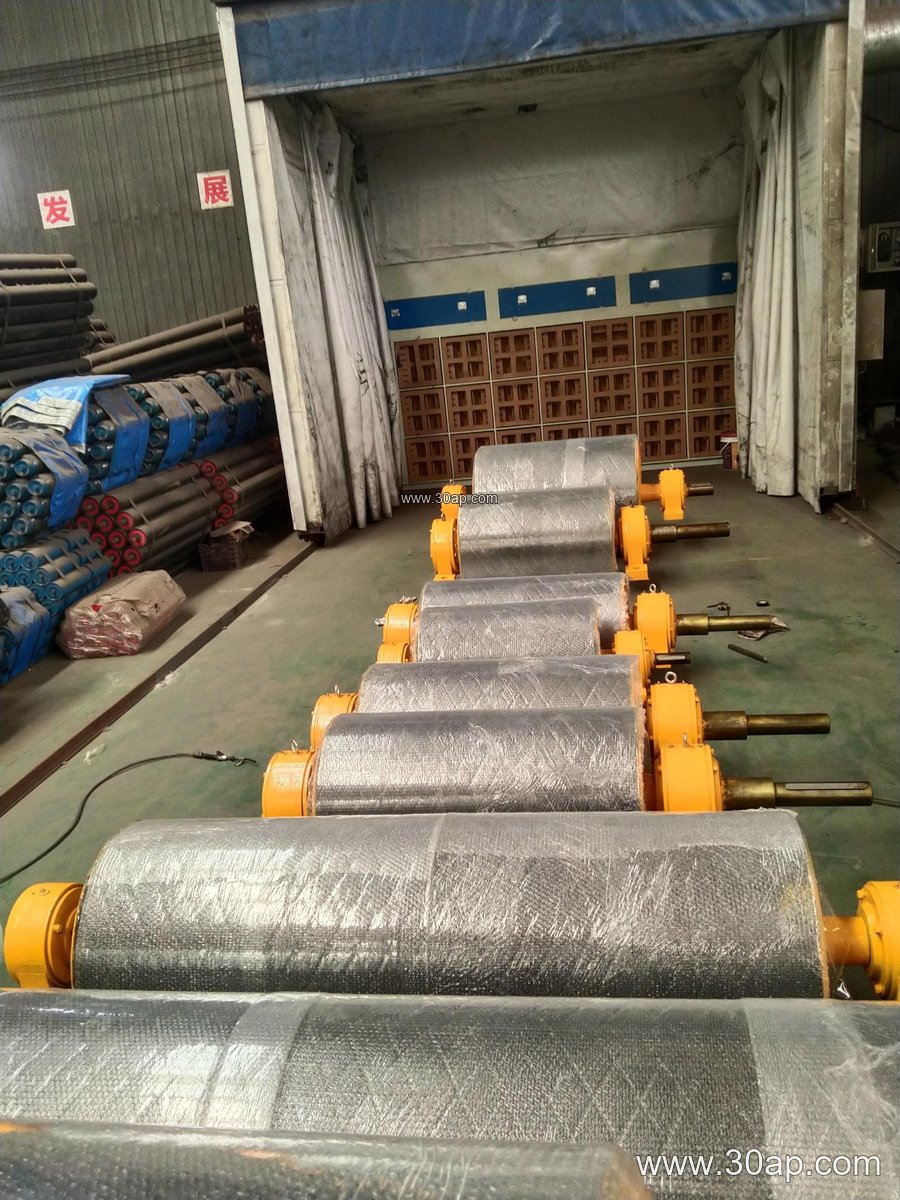
Belt width and pulley diameter are related but not fixed pairs. A B800 belt may run on a Ø500 pulley in one conveyor and a Ø630 pulley in another, depending on belt tension, wrap angle, and the load. The shell face width is usually a little wider than the belt: for example, B650 may use about 750 mm face, B1000 about 1150 mm, and B1400 about 1600 mm. These are reference proportions, not universal rules.
Shaft diameter is determined by torque and radial load. Common shaft sizes include Ø80, Ø100, Ø120, and Ø140, but a given belt width does not dictate one shaft size. A B1200 × Ø1000 motorized pulley and a B800 × Ø500 unit may both exist, yet each is designed for its own power and tension. The buyer should provide belt speed, capacity, incline, and starting conditions so the supplier can size the gearbox and motor correctly.
Buyer Checklist
- Confirm the conveyor duty: bulk material, lump size, and hours per day.
- State belt width, belt type, and whether the belt is an EP conveyor belt, steel cord conveyor belt, or another construction.
- Provide required belt speed and the wrap angle at the drive.
- Specify the environment: dusty, wet, corrosive, or high temperature.
- Choose lagging only after checking grip and cleaning needs; ceramic lagging is not automatically better for sticky material.
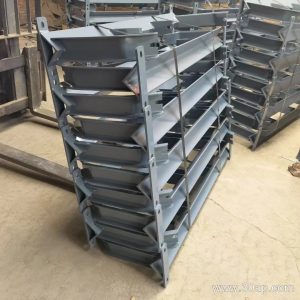
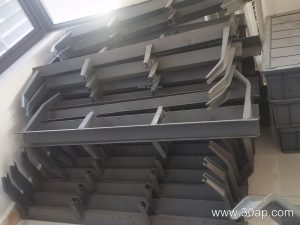
- Check maintenance access. Internal drives need room for removal, and the conveyor bracket must suit the shaft ends.
For plant operators, a motorized pulley can simplify the drive station and reduce exposed rotating parts. It still needs correct selection, and it should be treated as one part of the conveyor system, alongside the belt, idlers, and frame. Buyers who compare the drum motor with a conventional drive should weigh space, maintenance, and the cost of the whole drive package, not just the pulley price. At www.beltservice.com, conveyor pulley and belt specifications are often reviewed together so the drive and the belt are not selected in isolation.