What a Conveyor Support Leg Does on a Belt Conveyor
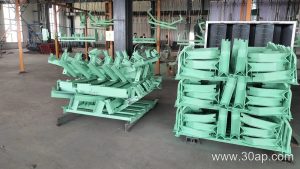
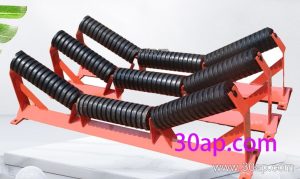
A conveyor support leg is the vertical structural member that carries the weight of the conveyor frame, idler roller sets, and the loaded conveyor belt down to the floor or foundation. In a typical troughing section, the support leg works together with a cross beam and a conveyor bracket to form the stable base on which the troughing idlers sit. When engineers talk about the support leg, they often mean the same component as a conveyor frame leg or conveyor stand leg, and the term describes function rather than a single fixed shape.
The leg is easy to overlook, yet it controls alignment, deck height, and the ability to level a line after installation. On a long overland or in-plant conveyor, dozens of these legs repeat along the stringer, so small differences in height or stiffness multiply into visible belt tracking problems.
How the Leg Is Built and Connected
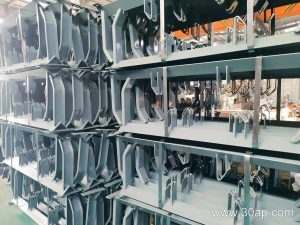
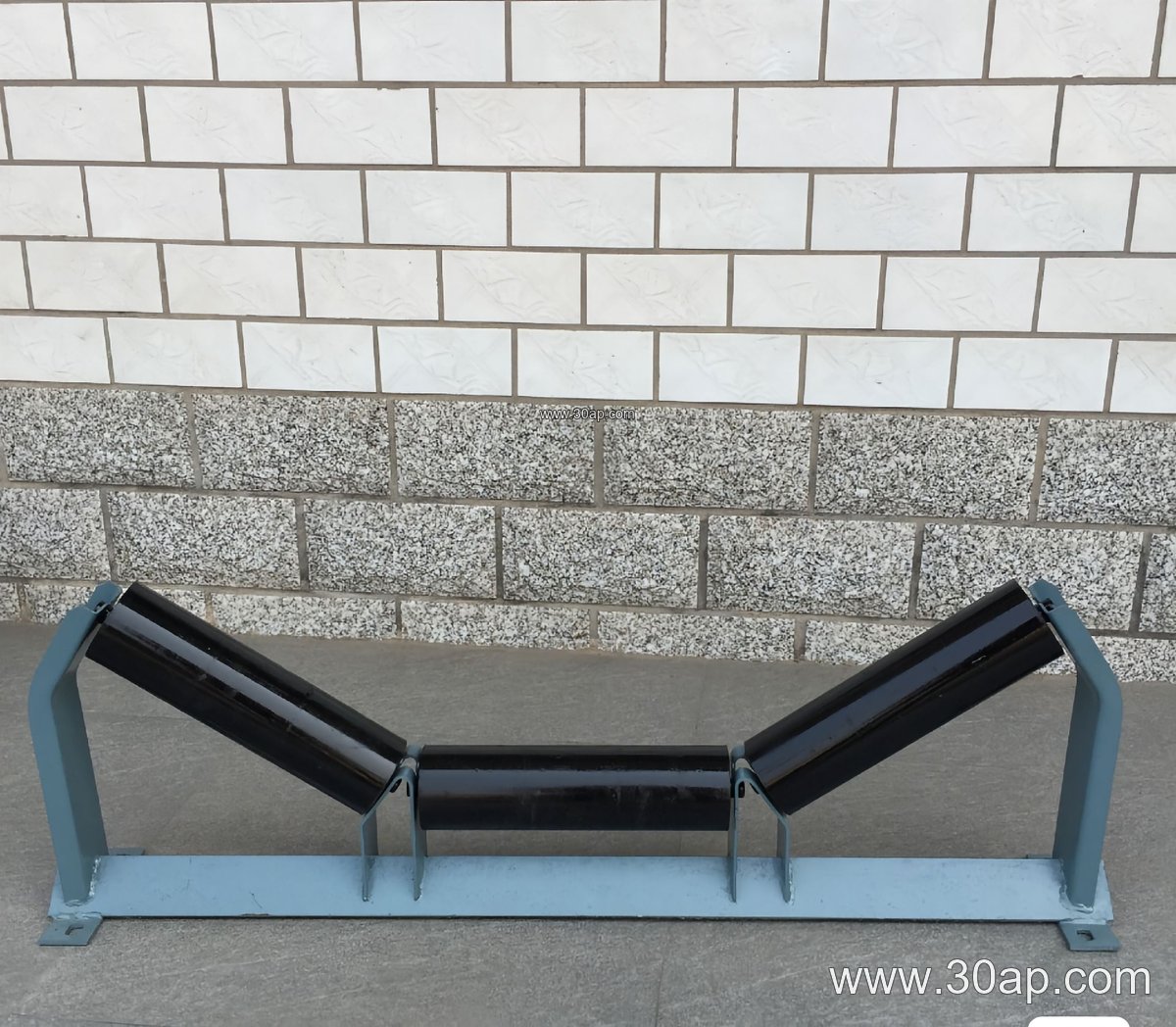
Most legs are fabricated from angle steel, channel steel, or folded steel plate. A common design uses two vertical posts joined by a bottom foot plate and a top plate drilled to match the cross beam. Adjustment slots or threaded rods let crews fine-tune height, which matters on uneven concrete in a transfer tower or on graded ground at a crushing and screening site.
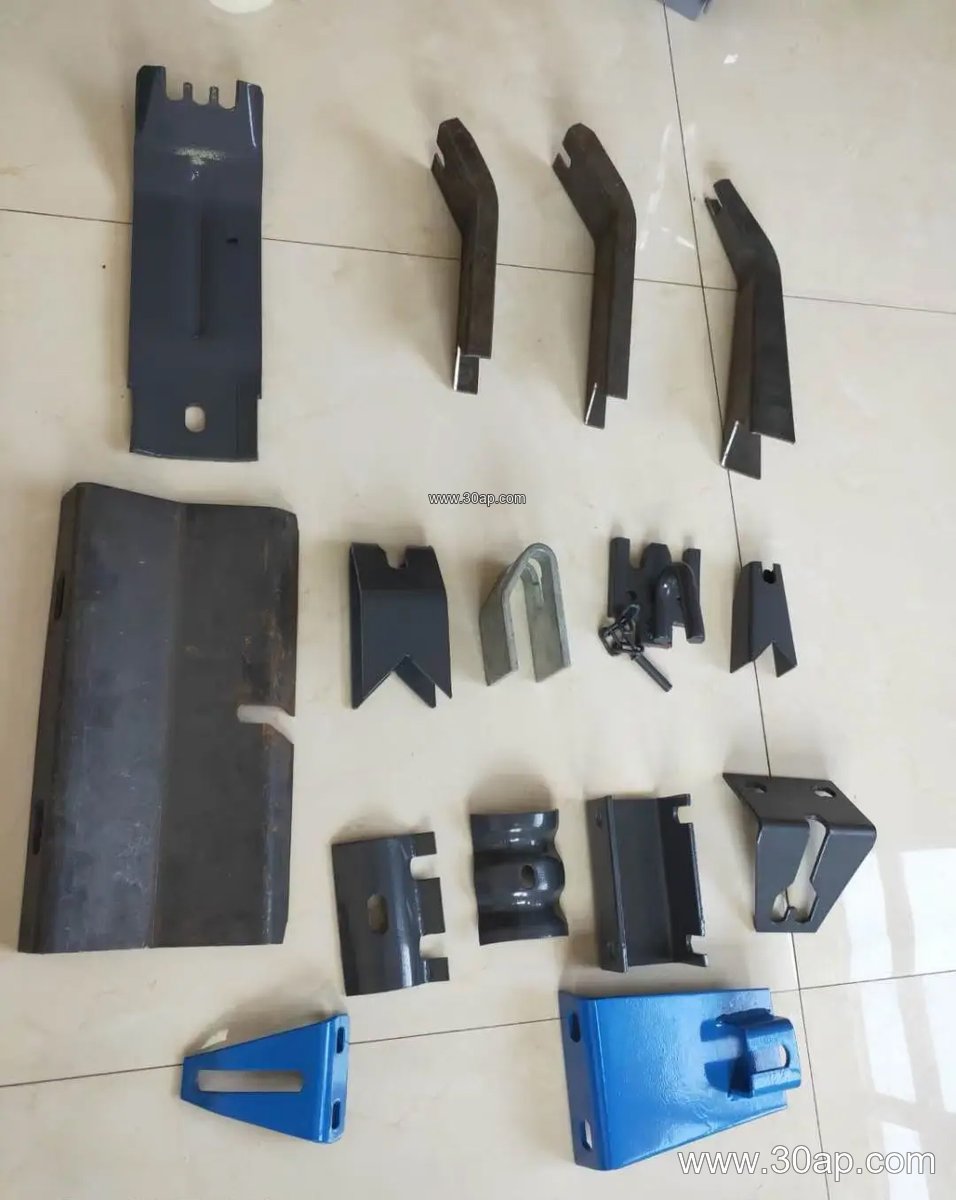
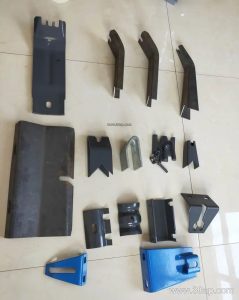
The connection details deserve attention during purchase. Bolted connections simplify transport and on-site correction, while welded frames suit permanent installations where vibration is high. A well-made conveyor bracket at the leg-to-beam joint spreads load and reduces fatigue at the bolt holes.
Typical Reference Dimensions
The table below shows reference values often seen in catalogues and drawings. These are examples for orientation, not fixed rules, and final dimensions follow the conveyor design.
| Belt width | Trough angle | Idler diameter | Typical leg arrangement |
|---|---|---|---|
| B500 | 20 degrees | Ø89 | Single-post light frame |
| B650 | 30 degrees | Ø89 | Two-post frame with foot plates |
| B800 | 35 degrees | Ø108 | Channel steel legs, bolted beam |
| B1000 | 35 degrees | Ø108 | Reinforced legs with gussets |
| B1200 | 45 degrees | Ø133 | Heavy folded plate legs |
| B1400 | 45 degrees | Ø159 | Wide-base legs for high loads |
| B1600 | 35 to 45 degrees | Ø159 | Adjustable height legs |
| B1800 | 35 to 45 degrees | Ø194 | Heavy-duty welded frame |
| B2000 | 35 to 45 degrees | Ø194 | Wide stance, anchor plates |
Installation hole spacing and cross beam length change with belt width and trough angle, so they should be confirmed from the general arrangement drawing rather than assumed.
Where These Legs Are Used
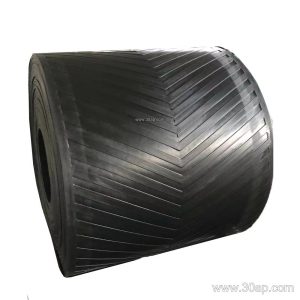
Support legs appear wherever a conveyor must be held at a controlled elevation. In a coal preparation plant, flame retardant conveyor belt and anti-static conveyor belt run on frames supported by robust legs that resist vibration from nearby screens. In a cement plant, heat resistant conveyor belt may carry clinker while the legs stand close to hot equipment, so the steel finish and thermal clearance matter as much as the section size.
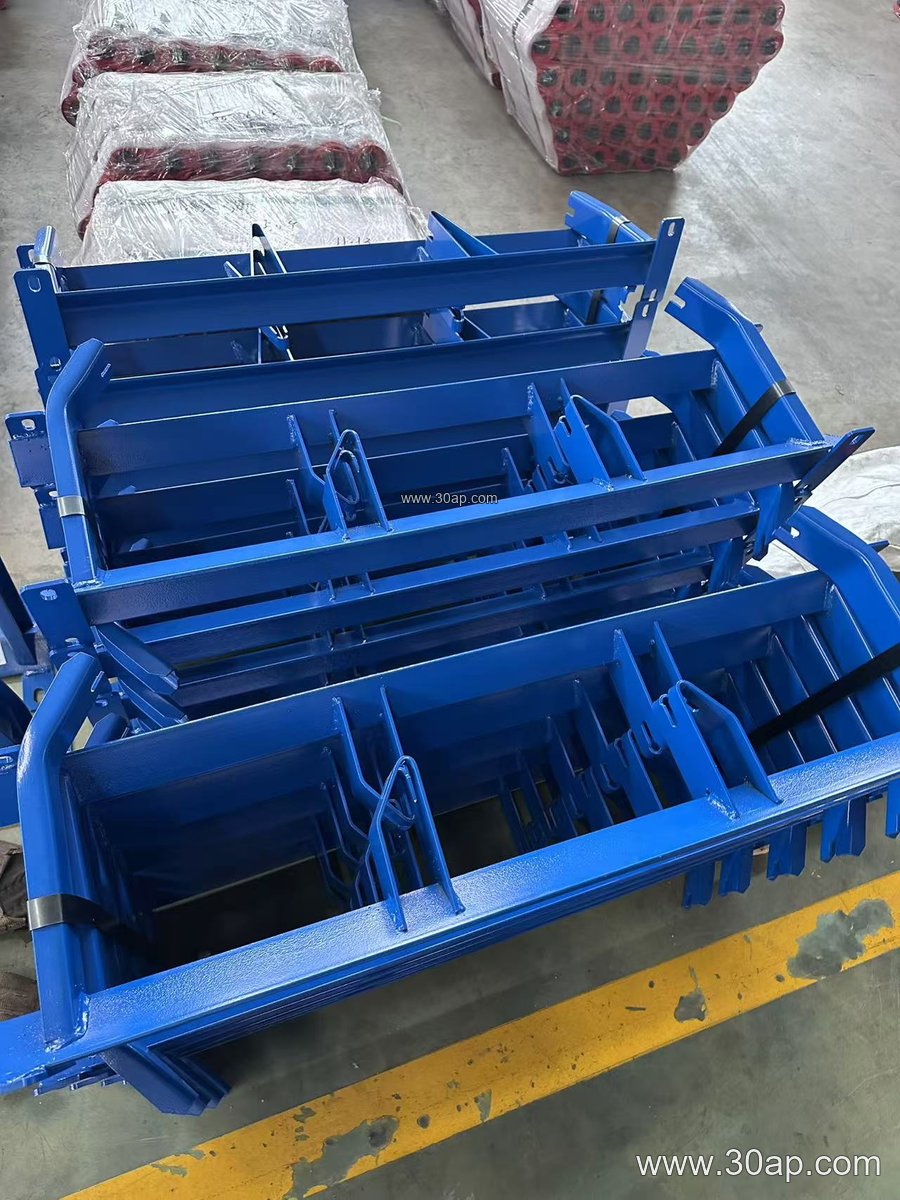
At a quarry or aggregate conveyor line, legs are frequently set on concrete plinths. At a port or ship loading conveyor, taller legs with cross bracing handle wind load and maintenance access. The same component family also supports the return side, where a V-type return bracket and its legs keep the belt clean and centered.
Selection Points for Buyers
- Match the leg height to the required deck height, and confirm the adjustment range, not just the nominal height.
- Check the leg material and plate thickness against the load from the belt, material, and idler roller sets.
- Confirm bolt patterns against the cross beam and conveyor bracket drawings before ordering.
- For dusty or wet sites, specify a suitable surface treatment and drainage-friendly foot details.
- Consider future belt changes; legs with slotted connections are easier to re-level after a belt replacement.
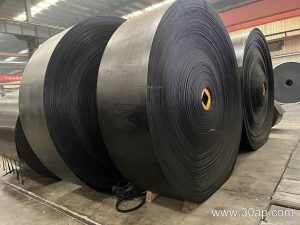
When the conveyor carries abrasive bulk material such as iron ore or copper ore, heavy-duty mining conveyor belt loads transfer directly into the frame, so leg stiffness should be reviewed together with the idler spacing. A leg that is too light may deflect and cause the belt to run off-center.
Maintenance Notes
During routine inspections, check bolt tightness, foot plate condition, and signs of corrosion at the base. Loose legs often show up first as belt misalignment near a specific frame. Re-leveling a few legs is usually cheaper than replacing idlers worn by persistent tracking faults. Keeping spare foot plates and bolts on hand helps maintenance teams at a power plant coal yard or a stone crushing line respond quickly.
For more conveyor structure and belt information, visit conveyoridler.com and review related pages on belting and frames.