Understanding the 400mm Diameter Conveyor Pulley
A 400mm diameter conveyor pulley is a key rotating component in belt conveyor systems, typically used at the head, tail, or bend positions to drive or guide the conveyor belt. With a nominal diameter of 400 millimeters, this pulley size offers a balance between load capacity and space efficiency, making it suitable for medium-duty to heavy-duty applications in industries such as quarrying, mining, and aggregate processing. Whether you operate a limestone quarry or a copper ore handling facility, selecting the right pulley diameter ensures smooth belt tracking and reduces wear on both the pulley and the belt.
Construction and Surface Options
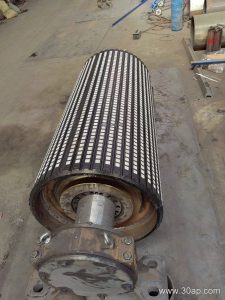
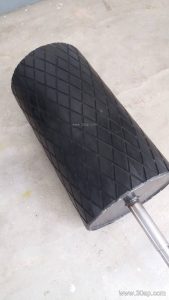
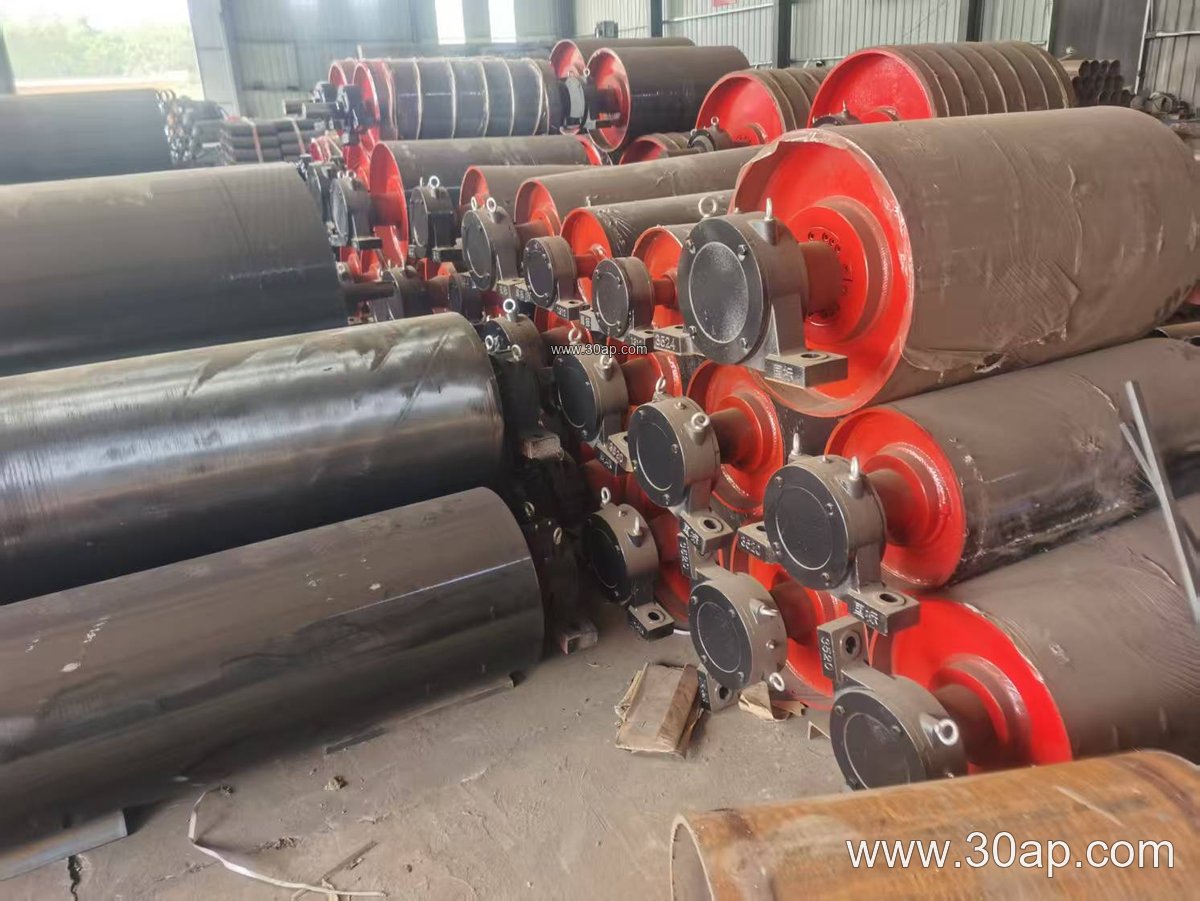
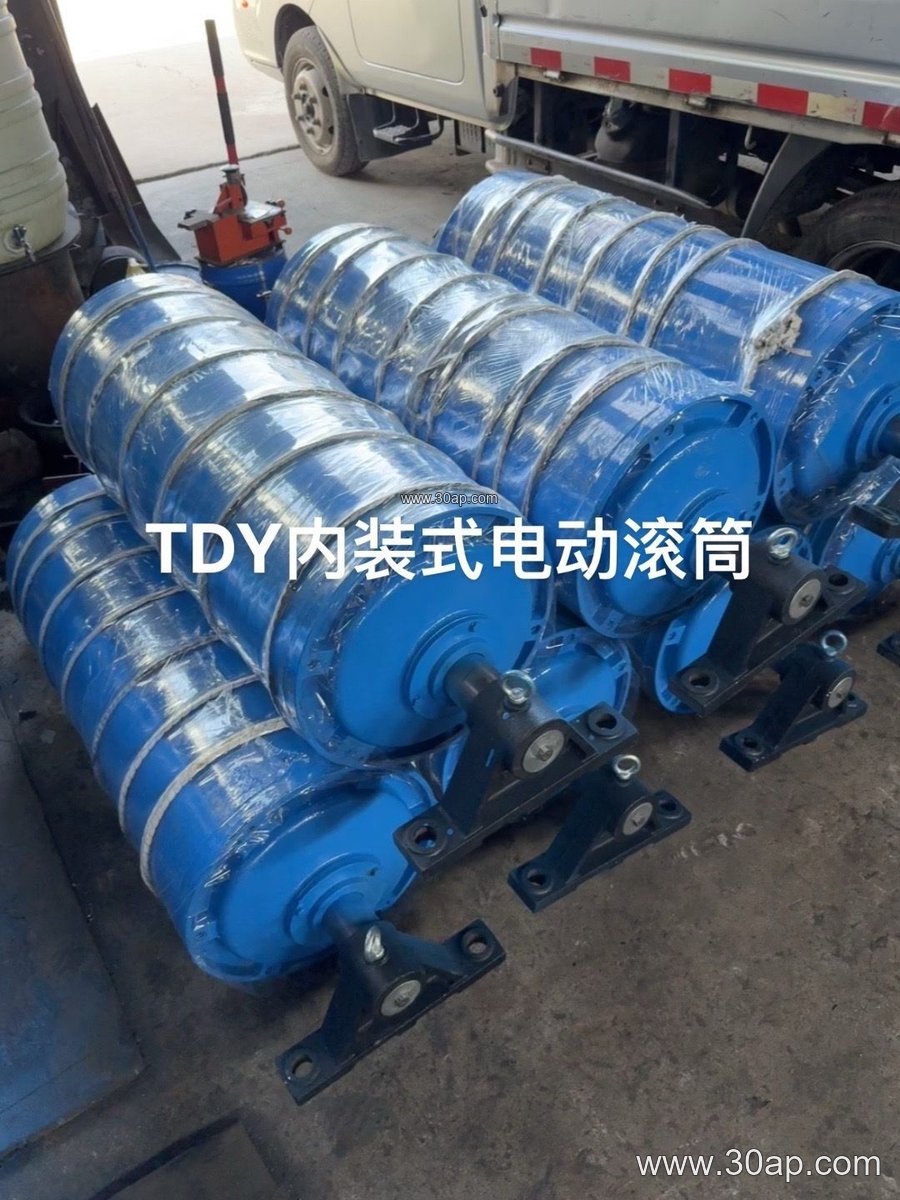
The 400mm diameter conveyor pulley is usually fabricated from a steel drum with welded end discs and a shaft, or it may be cast. The surface can be supplied plain (smooth) or with various lagging materials to improve grip and protect the belt. Common lagging types include rubber lagging applied by cold bonding or hot vulcanization, diamond pattern lagging for enhanced traction, and ceramic lagging for extremely abrasive conditions. Lagging thickness often ranges from 8 mm to 20 mm, depending on the required friction and impact resistance. The pulley face width is generally wider than the conveyor belt to ensure proper support; for example, a 400mm diameter pulley might be paired with a belt width of 800 mm or 1000 mm, resulting in a face width of approximately 950 mm or 1150 mm. However, the exact combination depends on the conveyor design and should be confirmed with the supplier.
Typical Applications and Industries
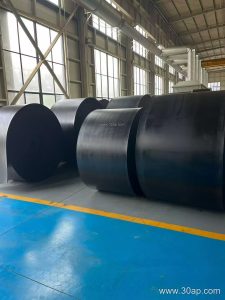
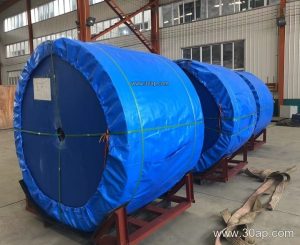
This pulley size is frequently found in crushing and screening plants, where it serves as a head pulley driving an EP conveyor belt or a steel cord conveyor belt. In cement plants, it may be used on clinker conveyors, while in power plants it handles coal transport. The 400mm diameter is also common in port bulk material handling and in underground mining operations, particularly where space constraints exist but high reliability is needed. For abrasive materials such as iron ore or quarry rock, an abrasion resistant conveyor belt combined with a lagged pulley can extend service life. In environments with flammability risks, a flame retardant conveyor belt and fire resistant lagging are advisable.
Selection and Maintenance Tips
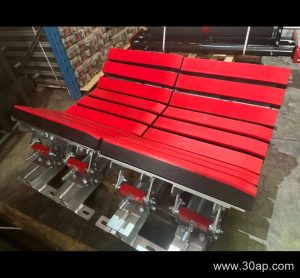
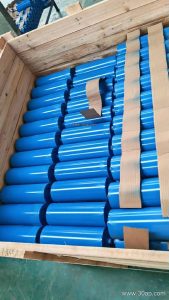
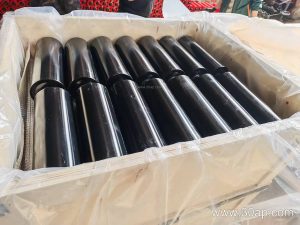
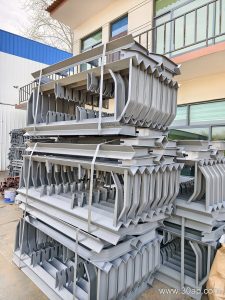
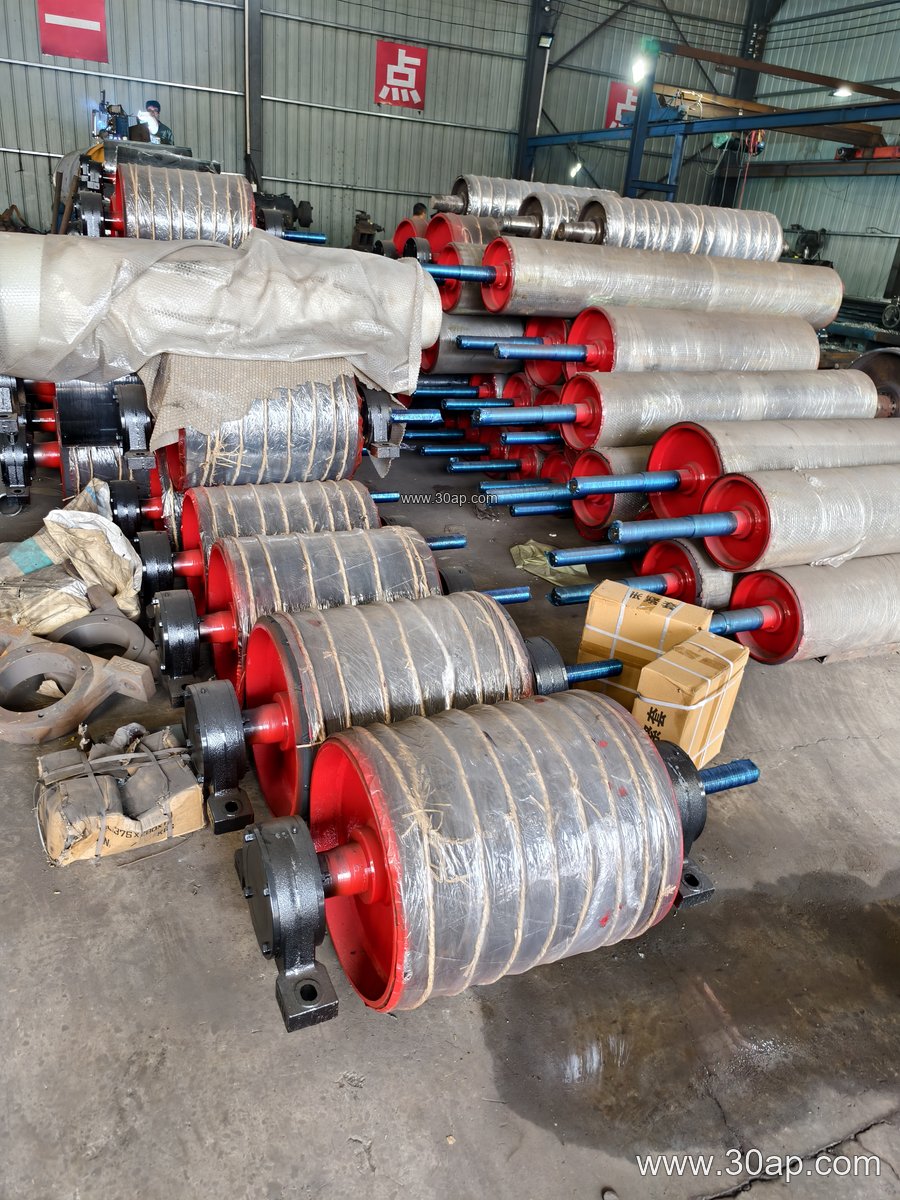
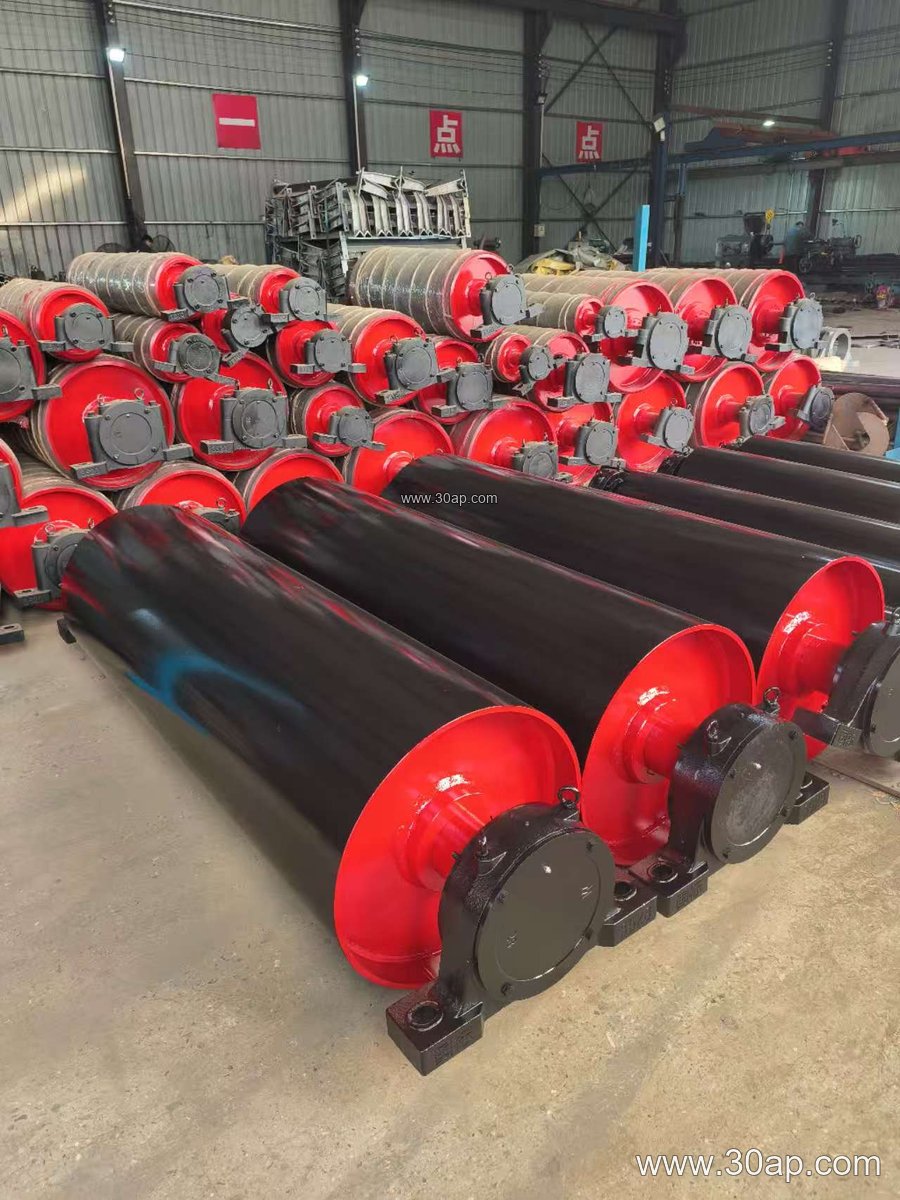
When choosing a 400mm diameter conveyor pulley, consider the belt width, the transmitted torque, and the shaft diameter. Shaft diameters are not determined by belt width alone; they must be calculated based on the actual load and torque requirements. Common shaft sizes for this pulley range from Ø80 to Ø160, but the final selection should be made by an engineer. Regularly inspect the lagging for wear, check the pulley alignment, and ensure that the conveyor bracket and idler roller are in good condition to prevent premature failure. Proper maintenance of the pulley and the entire conveyor system, including the conveyor belt and idler rollers, helps minimize downtime and operating costs.
Related Equipment and Considerations
A 400mm diameter conveyor pulley works in harmony with other components such as the conveyor belt, idler roller, and conveyor bracket. For instance, a heavy-duty mining conveyor belt may require a pulley with reinforced lagging, while a food grade conveyor belt demands a smooth, cleanable surface. In cold climates, a cold resistant conveyor belt paired with a suitable pulley lagging ensures reliable operation. Always consult the conveyor design manual to confirm the compatibility of the pulley with the belt type and the overall system. For more information on conveyor pulleys and related components, visit our website at www.example.com/conveyor-pulley or explore our range of conveyor belts and idler rollers.