What a Conveyor Support Bracket Does on the Line
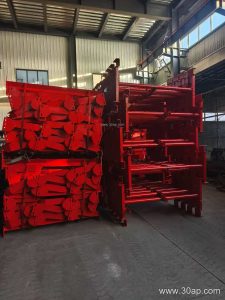
A conveyor support bracket is the steel interface between the conveyor structure and the rollers that carry the belt. In everyday plant language it is often called a conveyor bracket, roller support bracket, or idler frame bracket. It holds the idler roller at the right height and angle, keeps the belt profile stable, and transfers the load of material and belt into the stringer or frame. On a quarry conveyor belt line, on a cement plant clinker route, or on a power plant coal handling system, these brackets are the parts that quietly decide whether the belt tracks true or wanders.
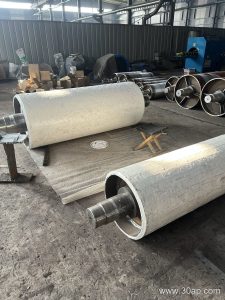
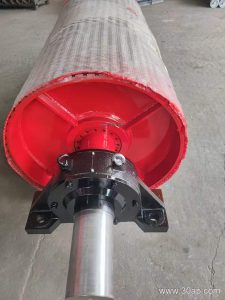
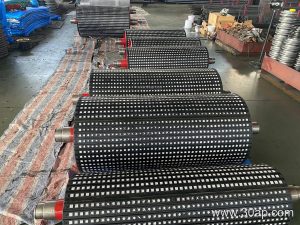
The bracket is not a pulley. It should never be confused with a conveyor pulley such as a drive pulley, tail pulley, or bend pulley, which transmit power and change belt direction. The bracket only supports idlers and belt.
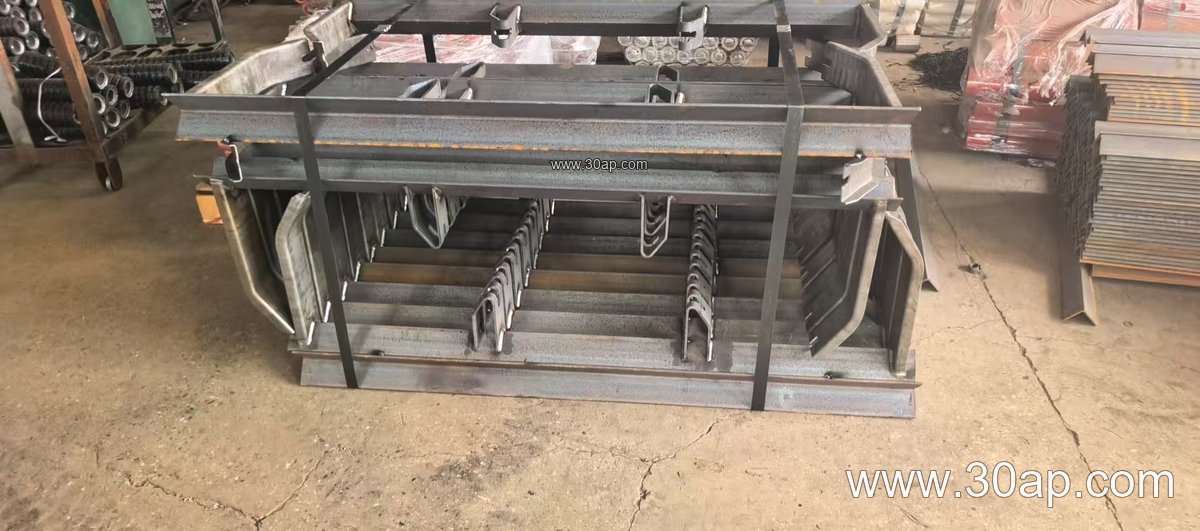
How the Bracket Is Built
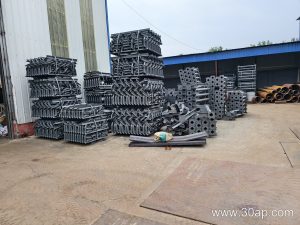
Most units are fabricated from angle steel, channel steel, or folded steel plate, then drilled or punched for mounting. A typical troughing bracket carries three idlers set at a trough angle, while a return bracket supports the belt on the return strand. Welded or bolted designs both exist; bolted adjustable versions allow field correction of alignment and trough angle.
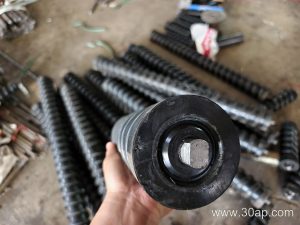
Common material choices are plain carbon steel with paint or galvanizing. Heavier sections are used where impact loads from coarse rock are expected, for example under a crusher conveyor belt discharge point.
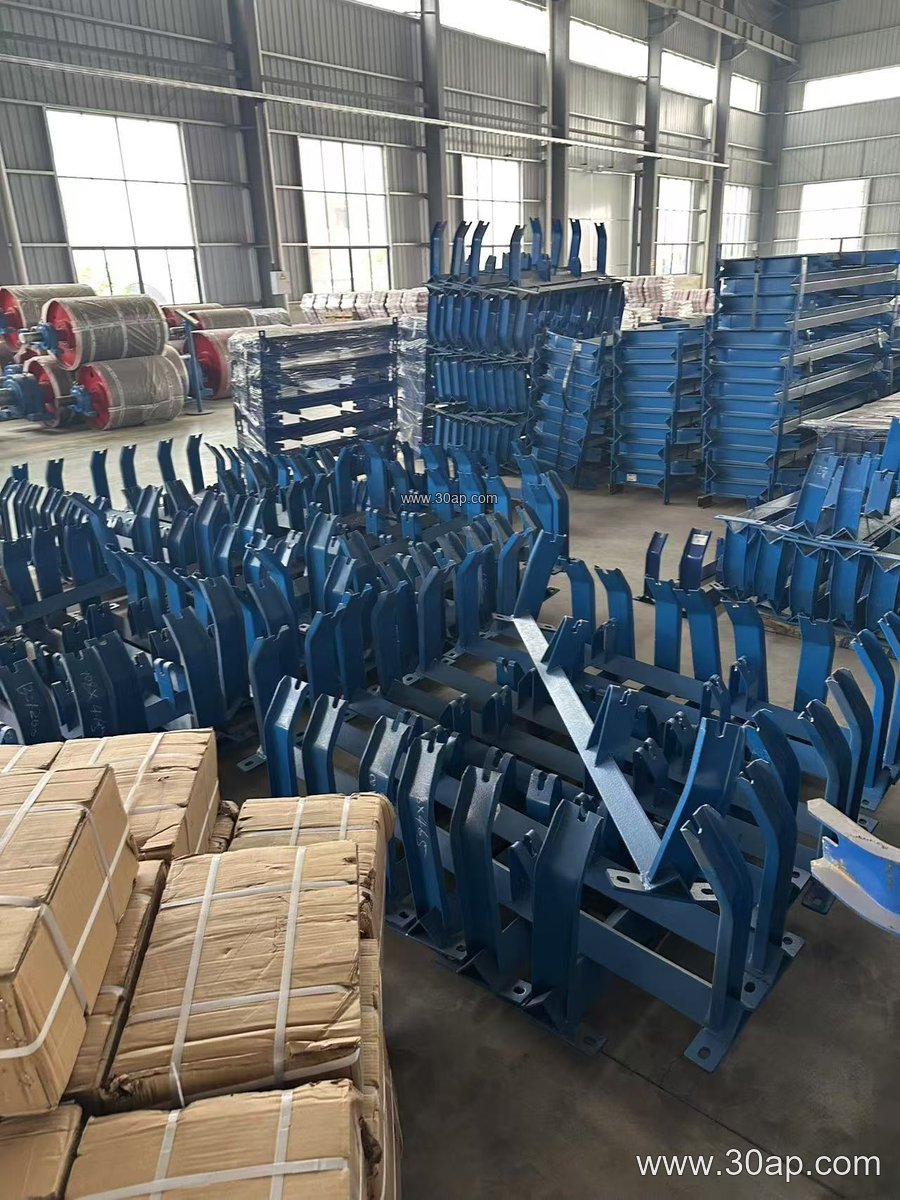
Common Types and Typical Reference Data
The table below lists typical bracket families and reference dimensions. Values are indicative only; actual mounting hole spacing and beam length follow belt width, trough angle, and the user’s design.
| Bracket Type | Typical Belt Width | Trough Angle | Idler Diameter |
|---|---|---|---|
| Troughing bracket (carrying side) | B500 to B2200 | 20, 30, 35, 45 degrees | Ø89 to Ø194 |
| Transition bracket | B650 to B1800 | Variable | Ø89 to Ø159 |
| Return bracket, flat | B500 to B2000 | Flat | Ø89 to Ø159 |
| V-return bracket | B650 to B1600 | V form | Ø89 to Ø133 |
| Impact bracket | B800 to B1800 | 20 to 45 degrees | Ø108 to Ø194 |
| Self-aligning bracket | B650 to B1600 | 20 to 35 degrees | Ø89 to Ø159 |
| Adjustable bracket | B500 to B1400 | Adjustable across common angles | Ø89 to Ø133 |
Typical combinations seen in practice include B800 with 35 degrees and Ø108 idlers, B1200 with 45 degrees and Ø133 idlers, and B650 with 30 degrees and Ø89 idlers. These are examples, not fixed rules. A forward-tilted bracket is often set around 1.5 to 2 degrees to help belt centering.
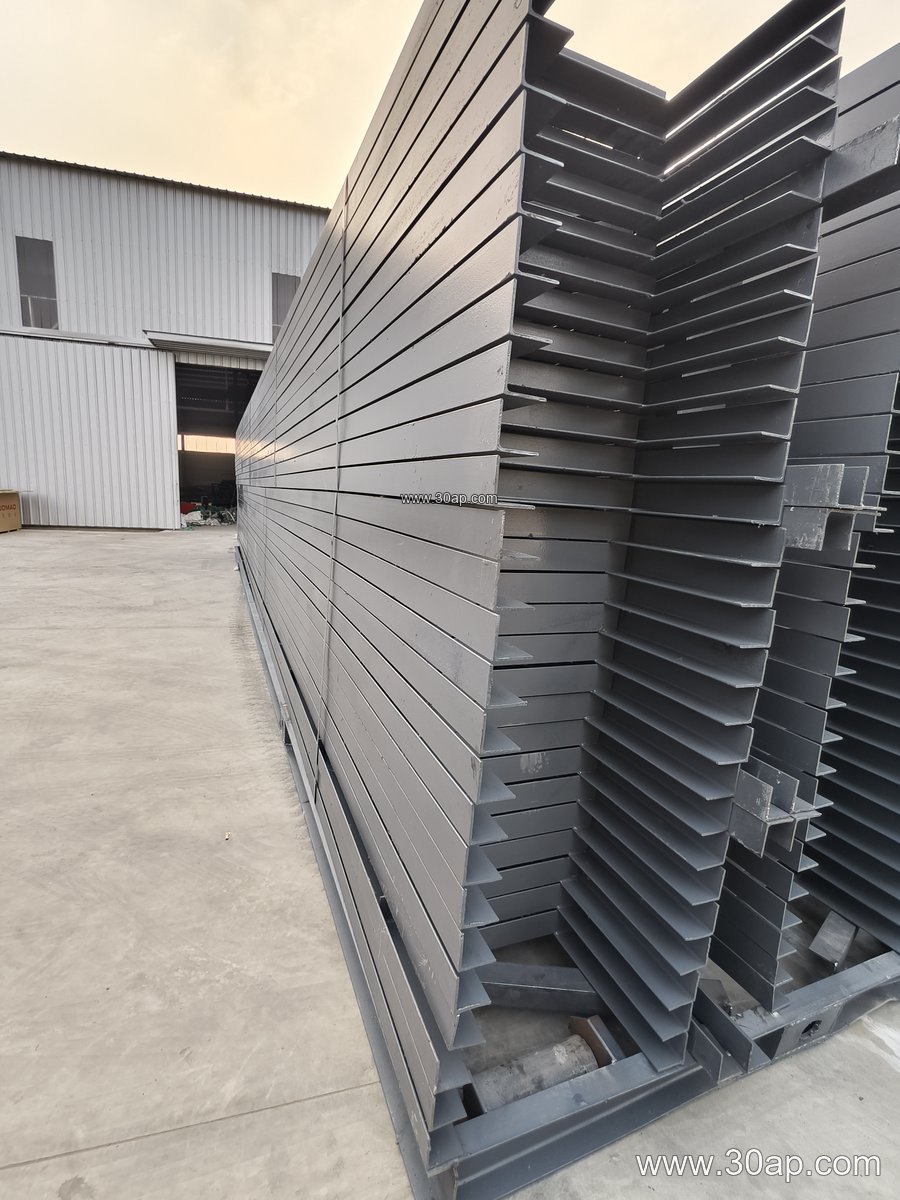
Where These Brackets Are Used
You will find them in limestone mines feeding a primary crusher, in wash plants handling coal, and in sand and gravel lines where abrasion is severe. In a steel plant sinter line or a port ship loading system, the same bracket family supports heavy idler rollers under a wide, thick conveyor belt. Selection changes with the duty: a heavy-duty mining conveyor belt needs stiffer brackets than a light aggregate line.
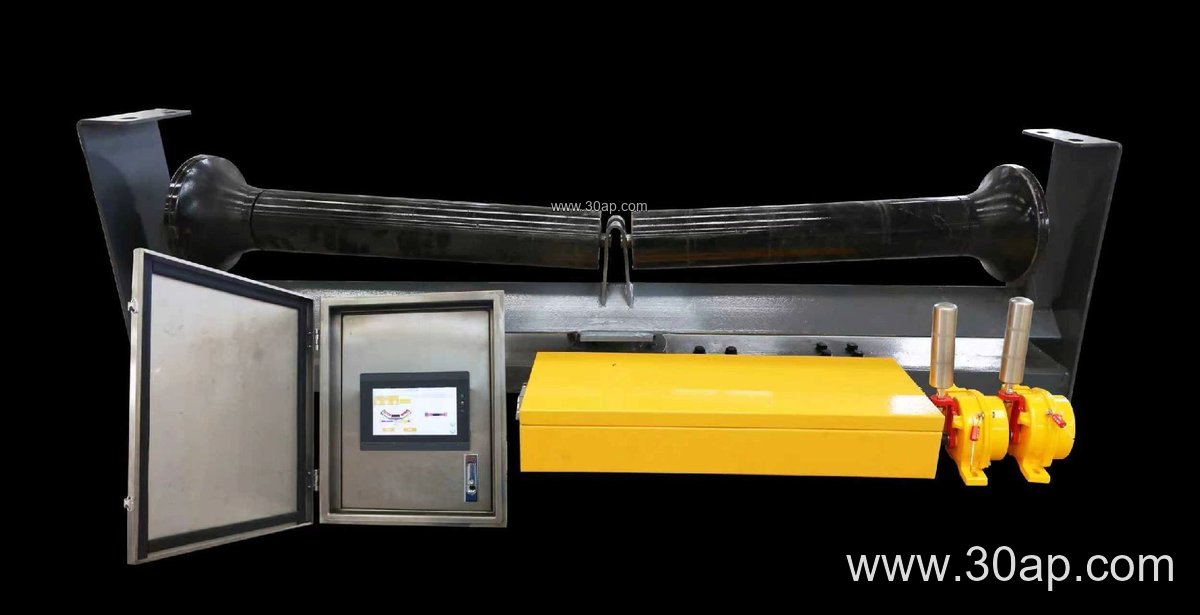
For more on matched components, see beltconveyorparts.com conveyor bracket options and beltconveyorparts.com idler roller ranges.
Matching the Bracket to the Belt and Idlers
Belt width, trough angle, and roller diameter should be chosen together, not copied from a single chart. A wider belt usually needs a longer cross beam and more mounting holes, but one belt width does not lock you to one pulley diameter or one trough angle. Consider the belt type as well: a steel cord conveyor belt or a multi-ply fabric core belt has different stiffness, and a chevron conveyor belt or corrugated sidewall conveyor belt may need extra clearance around the bracket.
- Check the idler roller diameter matches the bracket saddle.
- Confirm trough angle suits the material and belt stiffness.
- Allow clearance for skirted conveyor belt edges and cleats.
- Use impact brackets under loading points and self-aligning brackets on long runs.
Similar logic applies to beltconveyorparts.com conveyor pulley alignment, since a misaligned bracket can mimic a pulley tracking fault.
Buyer Checklist
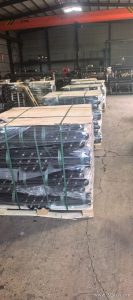
Ask for the bracket drawing with hole spacing, beam length, material thickness, and finish. Confirm whether fixed or adjustable design is wanted, and whether the frame is drilled for standard idler shafts. State the environment: a coal mining conveyor belt line may require flame retardant conveyor belt and anti-static conveyor belt, and the bracket finish should suit wet or dusty conditions. Mention the surrounding equipment, such as conveyor belt, idler roller, and conveyor pulley, so the supplier can check fit. Keep spare brackets for high-wear positions, and inspect welds and bolt torque during shutdowns.