What an 800mm Drive Pulley Does
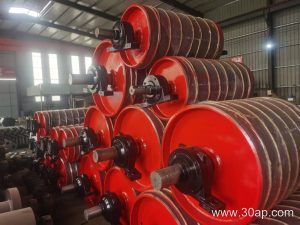
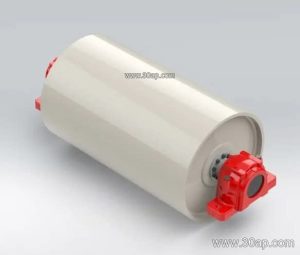
An 800mm drive pulley is the powered drum at the head of a belt conveyor that transfers torque from the gearbox to the conveyor belt. The “800mm” refers to the drum diameter, not the belt width. This distinction matters during procurement: a B800 conveyor and an 800mm drive pulley are two different dimensions, and a buyer may need one, the other, or both on the same machine. The pulley diameter controls the wrap angle, the bending fatigue on the belt carcass and the available traction, while the belt width determines the face length of the drum.
In a quarry, a coal washing plant or a cement clinker line, the drive pulley is the component that keeps the whole circuit moving. Get it wrong and the symptoms show up elsewhere: belt slip at startup, premature cover wear, or a carcass that cracks long before its expected service life.
How the Drum Is Built
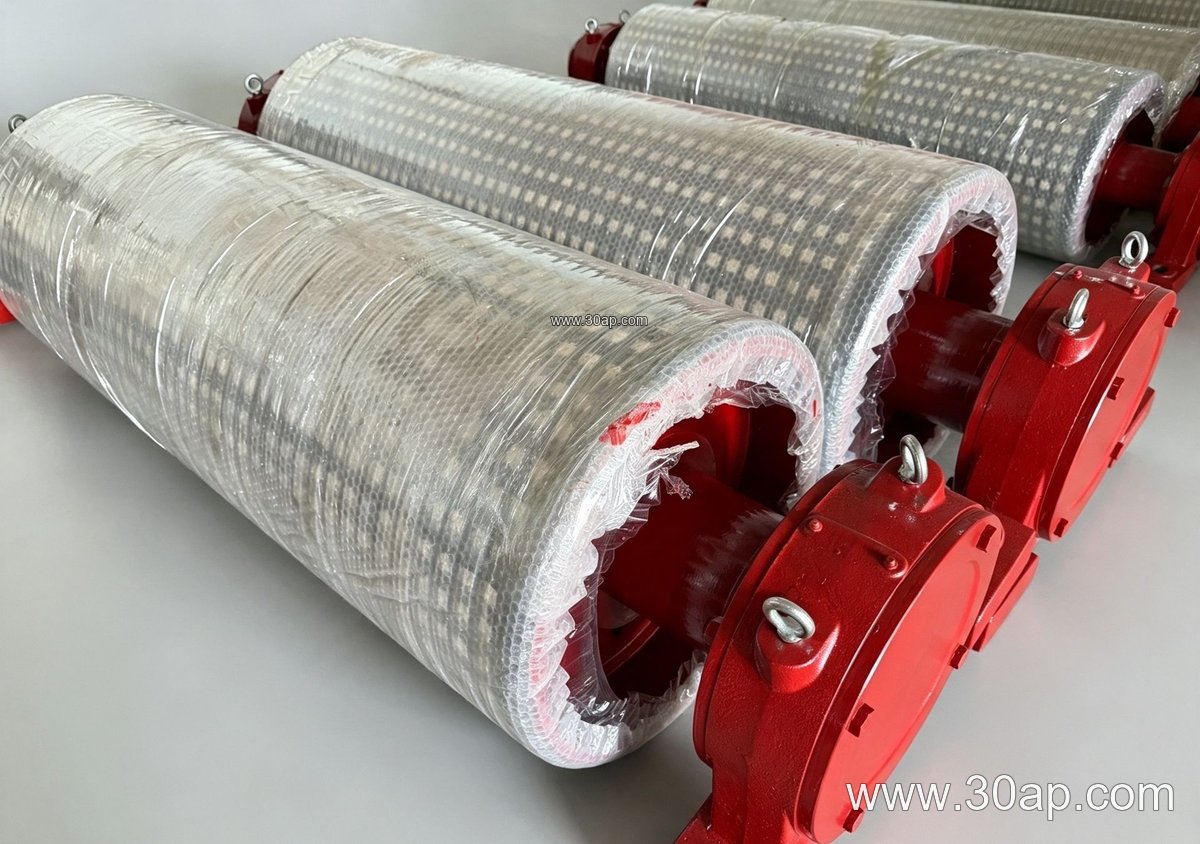
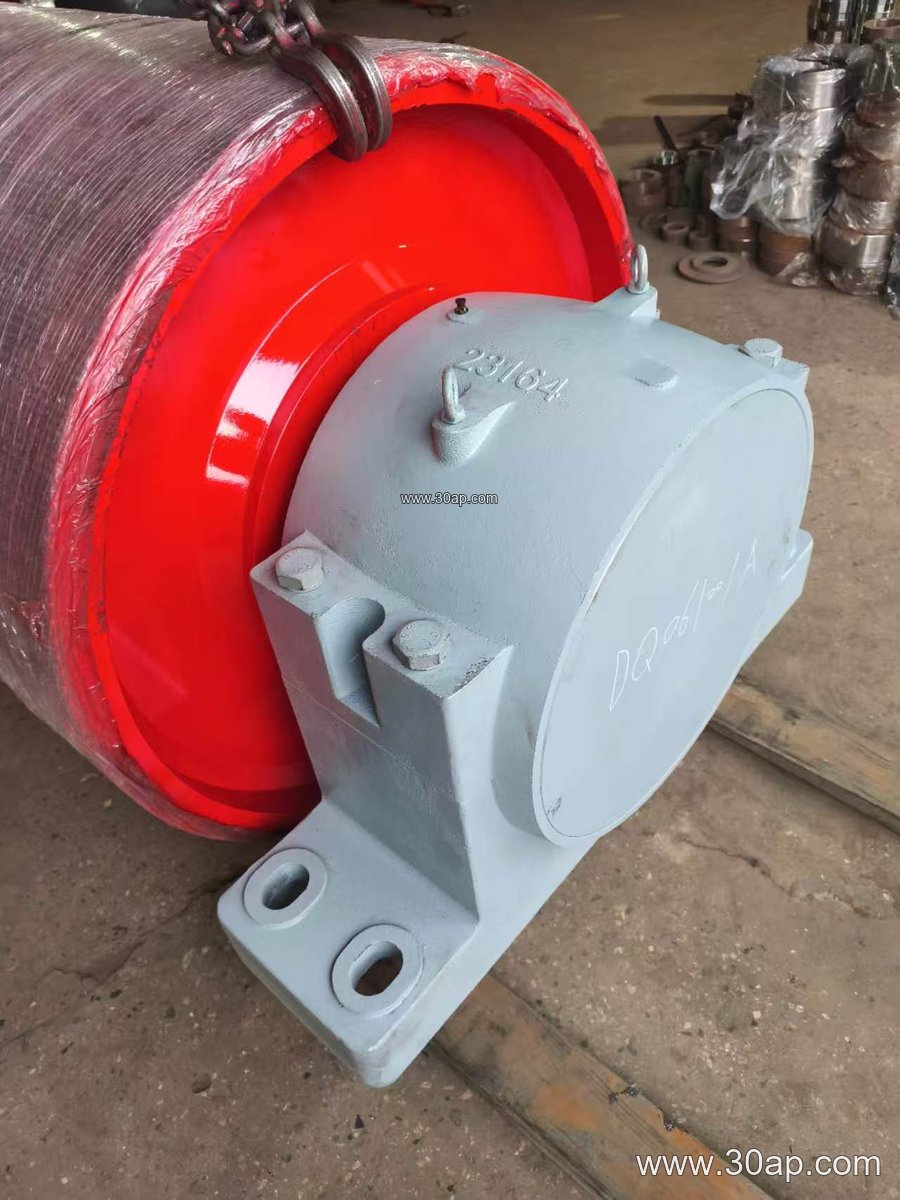
Most drive pulleys of this size use a welded steel shell, dished or flat end plates, a through shaft or stub shafts, and bearing housings that bolt to the conveyor bracket. The shell is machined so the rubber lagging sits true, and the shaft is sized by torque and radial load rather than by belt width. A common shaft range for this class of pulley runs from roughly Ø120 to Ø200, but the final figure belongs to the design calculation, not to a catalogue table.
- Shell: rolled steel, machined for concentricity
- Lagging: plain, cast rubber, cold-bonded, hot-vulcanized, diamond, herringbone or ceramic
- Lagging thickness: typically 8, 10, 12, 15 or 20 mm
- Bearings: spherical roller type in most heavy-duty mining conveyors
- Face length: normally wider than the belt, for example about 950 mm on a B800 unit
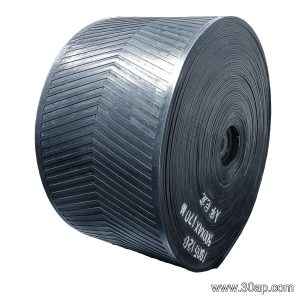
Lagging choice is where many projects gain or lose reliability. Diamond or herringbone grooves help shed water and fines in aggregate and wash-plant duty, while plain hot-vulcanized rubber suits dry bulk service. Ceramic tiles make sense where the belt is heavily loaded and slip is a persistent problem. Matching the lagging to the belt cover matters too: an abrasion resistant conveyor belt running over a poorly finished drum will wear faster than the drum itself.
Diameter, Belt Width and Interface
The pulley diameter and the belt width are independent variables that must be checked together. A wider belt carries more tension, so it usually pushes the shaft and bearing selection upward, but it does not force a particular drum diameter. Conversely, a large diameter reduces the reverse bending stress in the carcass, which is welcome on thick, multi-ply or steel cord constructions.
Interface checks that experienced buyers run before ordering:
- Belt construction: an EP conveyor belt, an NN conveyor belt and a steel cord belt all tolerate different minimum pulley diameters
- Belt tension and required wrap angle
- Shaft diameter and keyway against the gearbox coupling
- Bearing housing footprint against the existing conveyor bracket
- Lagging hardness and groove pattern against the material being carried
A useful rule of thumb is that the drum face should exceed the belt width by enough to absorb normal tracking wander. On smaller machines this is often 100 to 150 mm per side; on wide belts the allowance is set by the designer. Do not assume that a B1000 belt must have a particular diameter, and do not derive a shaft size from belt width alone.
Where It Fits in the Plant
Drive pulleys of this diameter appear on medium-capacity trunk conveyors in sand and gravel plants, on plant feed belts in cement works, on coal yard conveyors at power stations, and on ore transfer belts in iron and copper mines. They are the head-end component; the tail pulley tensions the return strand at the other end, and bend pulleys redirect the belt through the take-up. These are separate parts with different duties, so a quotation should name each position explicitly.
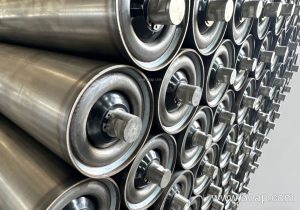
On a typical stone crushing line, the 800mm drive pulley may run behind a crusher conveyor belt handling coarse rock, with impact idler roller sets absorbing the load at the transfer point and a skirted conveyor belt keeping material centred. In a port or ship loading application, the same drum size might serve a lower-tonnage jetty belt where space at the head is tight.
Buyer Checklist
Ask for the drum drawing, the shaft material grade, the lagging specification and the bearing designation in writing. Confirm whether the pulley is supplied balanced, whether the bearing housings are greasable, and whether the face length matches your belt width. If the conveyor is being upgraded, check that the new drum fits the existing conveyor bracket and that the belt can tolerate the chosen diameter. Finally, keep spare lagging and fasteners in stock; the drum itself rarely fails, but its surface does.