What Is a Chevron Conveyor Belt
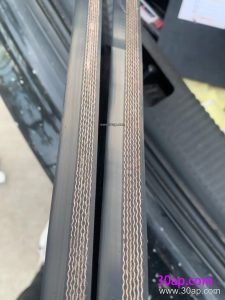
A chevron conveyor belt is a rubber belt with raised rib patterns on the carrying surface. These ribs, often V-shaped or chevron-shaped, help hold bulk material on inclines and prevent it from sliding back. The product is also known as a patterned conveyor belt or a cleated belt in some regions. It is a specialized form of Rubber Conveyor Belt designed for slopes, bunkers, and transfer points where standard smooth belts may struggle.
The belt body usually consists of a fabric core or steel cord core, covered with rubber. The chevron ribs are vulcanized onto the top cover. This construction allows the belt to handle materials such as coal, ore, sand, gravel, cement clinker, and grain on inclined conveyors in mining, cement plants, power plants, and quarries.
Construction and Key Components
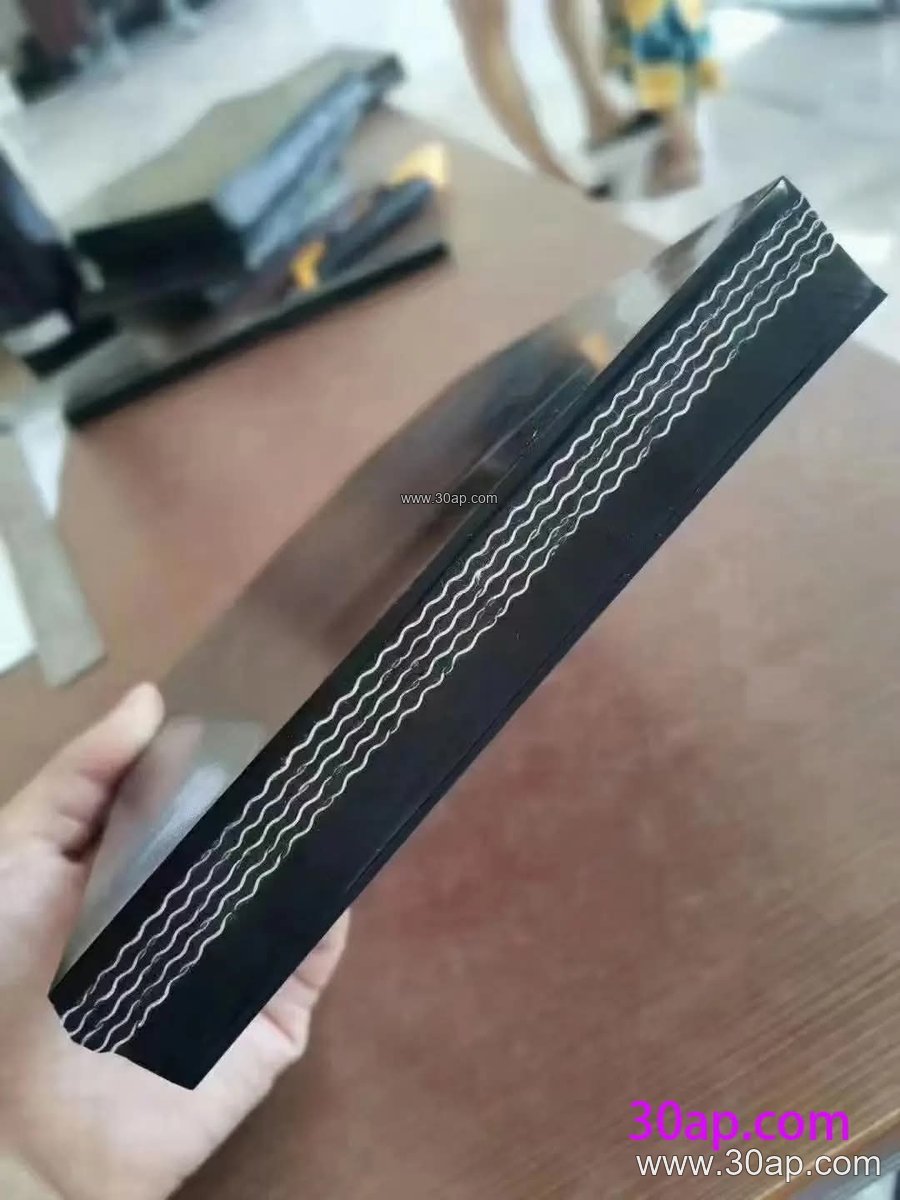
A typical chevron belt has several layers. The carcass provides strength and resistance to stretching. Common carcass types include EP Conveyor Belt (polyester-cotton), NN Conveyor Belt (nylon-nylon), and Steel Cord Conveyor Belt for high tension. The number of fabric plies usually ranges from 2 to 6, depending on the duty. Cover rubber grades are selected for abrasion, heat, oil, or flame resistance. For example, an Abrasion Resistant Conveyor Belt may be used in a quarry, while a Flame Retardant Conveyor Belt is common in coal mining.
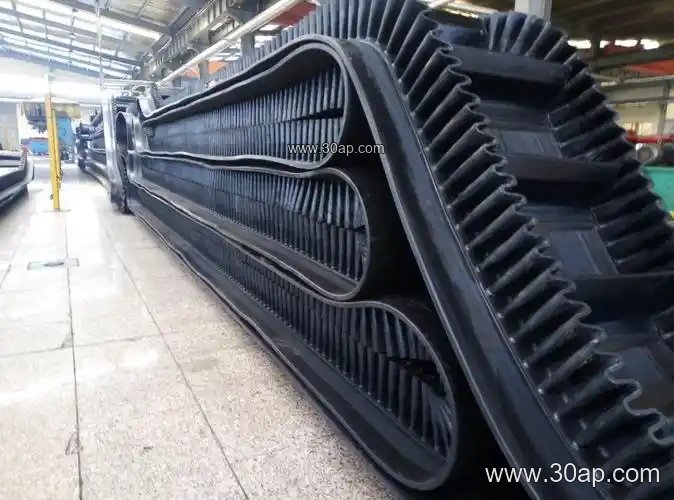
The chevron pattern itself comes in different forms. Open V, closed V, and U-shaped ribs are available. Rib height and pitch are chosen based on the material size and the conveyor angle. The belt edge can be plain or fitted with sidewalls. A Skirted Conveyor Belt or Corrugated Sidewall Conveyor Belt is a different subtype used where material containment is critical; these are not interchangeable with a chevron belt but may be compared when selecting a solution for steep inclines.
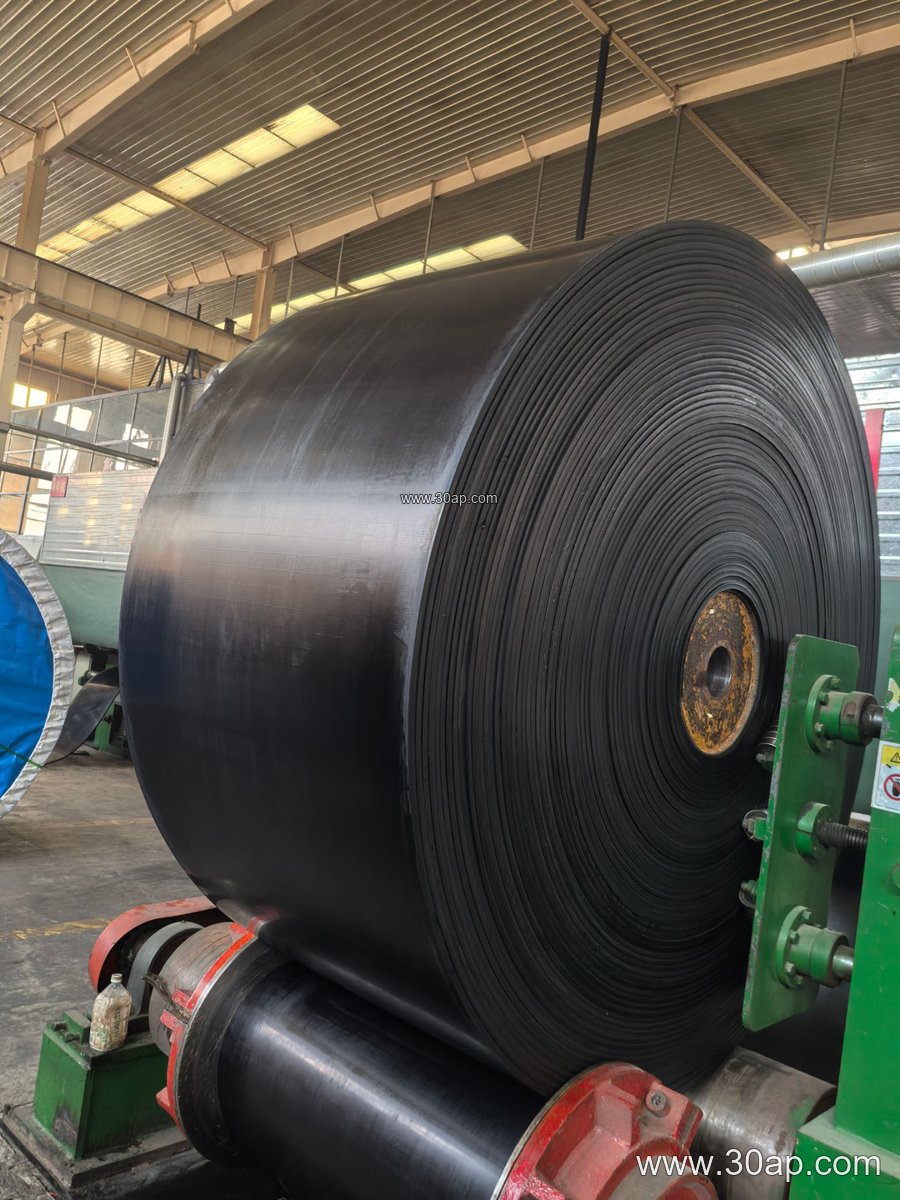
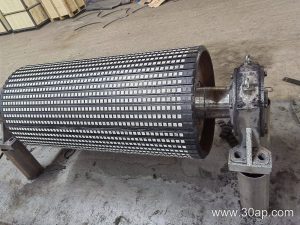
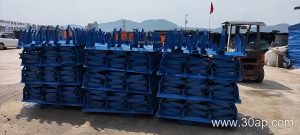
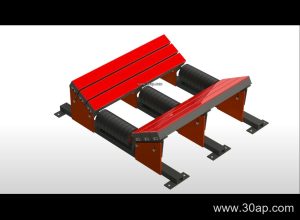
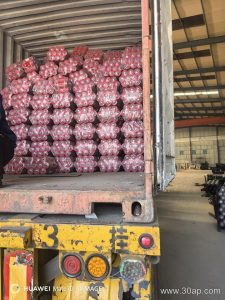
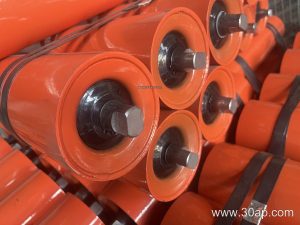
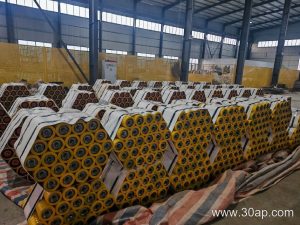
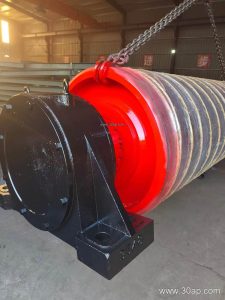
Supporting components such as the conveyor pulley, idler roller, and conveyor bracket must be matched to the belt. The drive pulley and tail pulley are not interchangeable; each has a specific role. The belt’s rib pattern may require special idlers or a flat carrying side with the ribs running over the pulleys. Proper alignment of the conveyor pulley and idler roller helps prevent edge damage and rib wear.
Where It Is Used
Chevron belts are common in industries that move bulk materials up inclines. In mining, they are used in underground mining conveyor systems and on surface haulage. A Mining Conveyor Belt with chevron ribs can handle run-of-mine ore on steep gradients. In coal mining, a Coal Mining Conveyor Belt with flame retardant properties is often required. Cement plants use them for clinker and raw meal transport. Power plants use them for coal and ash. Quarries and aggregate plants use them for sand, gravel, and crushed stone. Ports and ship loading facilities use them for bulk material transfer.
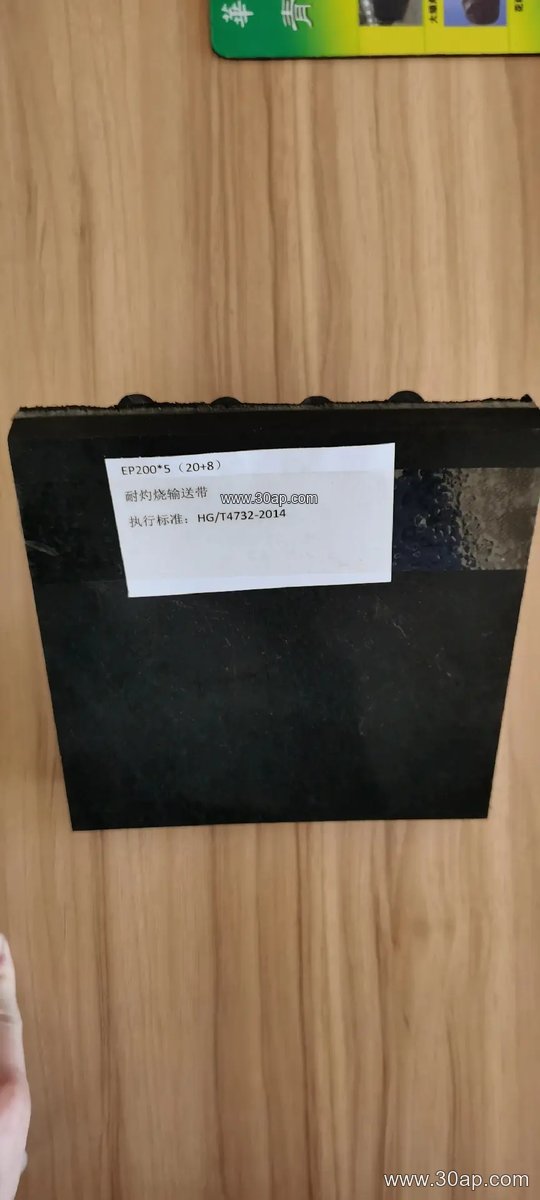
Other applications include recycling plants, fertilizer handling, and food processing where a Food Grade Conveyor Belt with chevron ribs may be specified. The belt can also be found in steel plants and foundries for coke and sinter transport. When the material is hot, a Heat Resistant Conveyor Belt with chevron pattern is chosen. For oily materials, an Oil Resistant Conveyor Belt may be needed.
Specifications and Selection Guide
Buyers should consider belt width, carcass strength, cover thickness, rib profile, and rubber grade. Common widths include B500, B650, B800, B1000, B1200, B1400, B1600, B1800, and B2000. The table below shows typical reference values; actual specifications depend on the conveyor design and manufacturer.
| Parameter | Common Reference Range |
|---|---|
| Belt width | 500 mm to 2000 mm (e.g., 800mm Conveyor Belt, 1200mm Conveyor Belt) |
| Carcass type | EP, NN, steel cord |
| Strength grade | EP200 to EP2000; NN100 to NN400; ST1000 to ST3150 |
| Number of plies | 2 to 6 (fabric core) |
| Cover thickness | 3+1.5 mm, 4+2 mm, 5+2 mm, 6+2 mm, 8+3 mm |
| Rib height | Usually 6 mm to 25 mm, depending on pattern |
| Rubber grade | Abrasion resistant, heat resistant, oil resistant, flame retardant, anti-static, cold resistant |
Selection depends on the incline angle, material size, throughput, and operating environment. A steep angle may require higher ribs or a different pattern. For high tension, a Steel Cord Conveyor Belt or a high-strength EP belt such as EP1000 or EP1250 may be appropriate. The pulley diameter and shaft size are determined by the belt tension and conveyor design, not by belt width alone. Do not assume a fixed shaft diameter from width.
Buyer Checklist and Maintenance Notes
Before ordering, confirm the conveyor angle, material characteristics, and available space. Check that the conveyor pulley and idler roller are compatible with the rib pattern. Consider whether a Fire Resistant Conveyor Belt or Anti-Static Conveyor Belt is needed for safety. For cold climates, a Cold Resistant Conveyor Belt may be necessary. For abrasive materials, a High Abrasion Resistant Conveyor Belt can extend service life.
During operation, inspect the chevron ribs for wear or tear. Keep the belt aligned and maintain proper tension. Worn idler rollers or misaligned conveyor pulleys can cause uneven rib wear. Use a conveyor bracket that supports the belt path correctly. For more information on chevron belt options and related components, visit our site at conveyor belt and idler roller resources. Regular cleaning prevents material buildup between ribs, which can affect tracking.
In summary, a chevron conveyor belt is a practical solution for inclined bulk handling. By matching the belt construction and rib profile to the application, operators in mining, cement, power, and quarry industries can achieve reliable material transport.