What a Four-Roll Idler Bracket Is
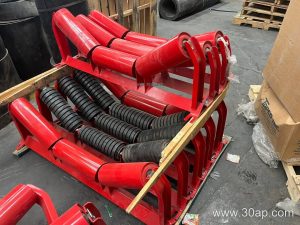
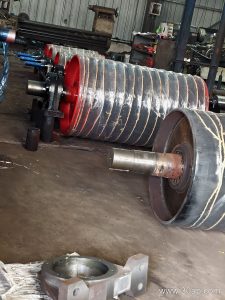
A four-roll idler bracket is a conveyor support component that holds four idler rollers in a troughed arrangement. It differs from the common three-roll set by adding a fourth roll, which can improve belt support and load distribution in demanding conveying conditions. This bracket is often called a four-roll idler frame or four-roller troughing bracket. It is not a drive pulley, tail pulley, or bend pulley, and it should not be confused with those components.
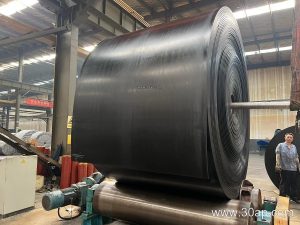
The bracket is typically mounted on the load-carrying side of a conveyor belt, where it supports the belt and the material being transported. By using four rolls instead of three, the belt is guided over a smoother curve, which can reduce stress on the belt edges and help contain bulk materials.
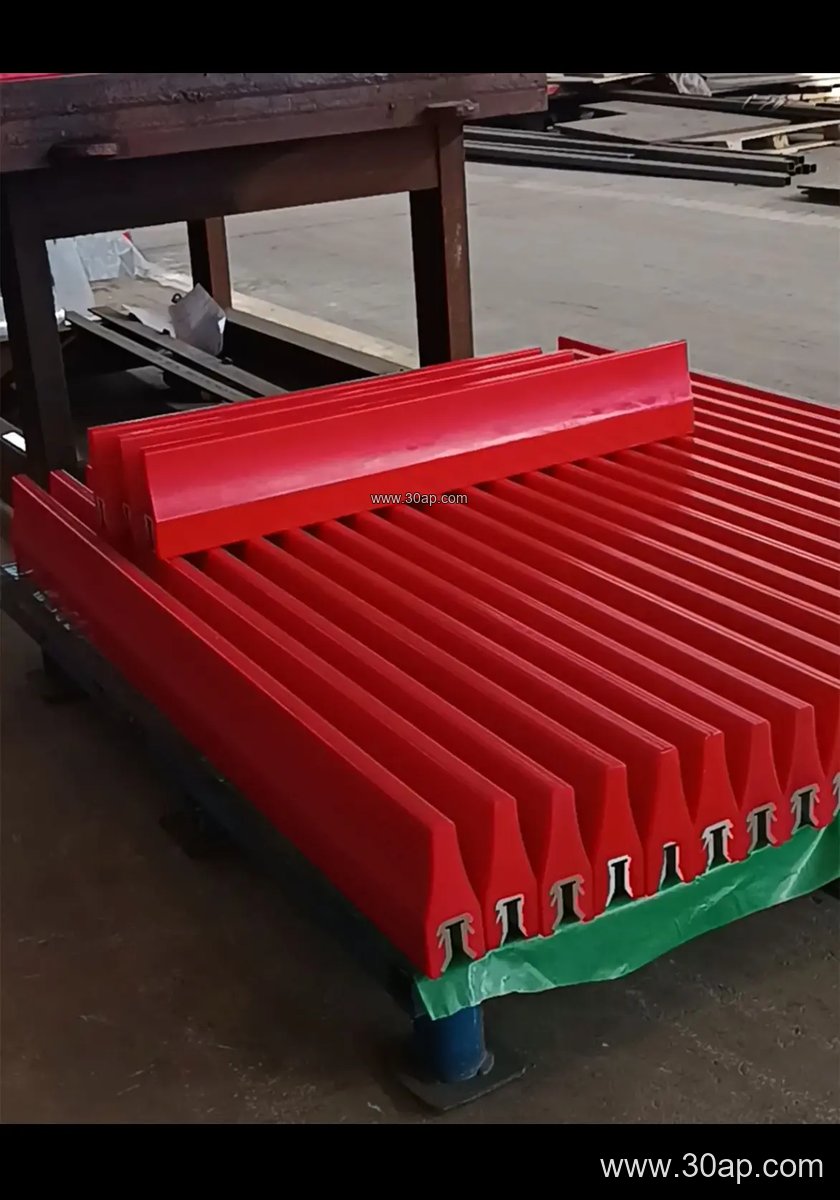
Construction and Design
Four-roll idler brackets are usually fabricated from angle steel, channel steel, or folded steel plate. The frame includes mounting slots or holes for attaching the idler rollers and for fixing the bracket to the conveyor stringer. The roll positions are set to create a specific trough angle, commonly 20, 30, 35, or 45 degrees. Adjustable versions allow the trough angle to be changed within a range to suit different belt widths and material characteristics.
Key dimensions such as mounting hole spacing and crossbeam length are determined by the belt width, trough angle, and roller diameter. They are not fixed universal values. Common belt widths for these brackets include B500, B650, B800, B1000, B1200, B1400, B1600, B1800, B2000, B2200. Roller diameters often used are Ø89, Ø108, Ø133, Ø159, and Ø194. A typical configuration might be B800 with a 35-degree trough and Ø108 rollers, or B1200 with a 45-degree trough and Ø133 rollers. These are examples only; the actual combination should be specified by the conveyor designer.
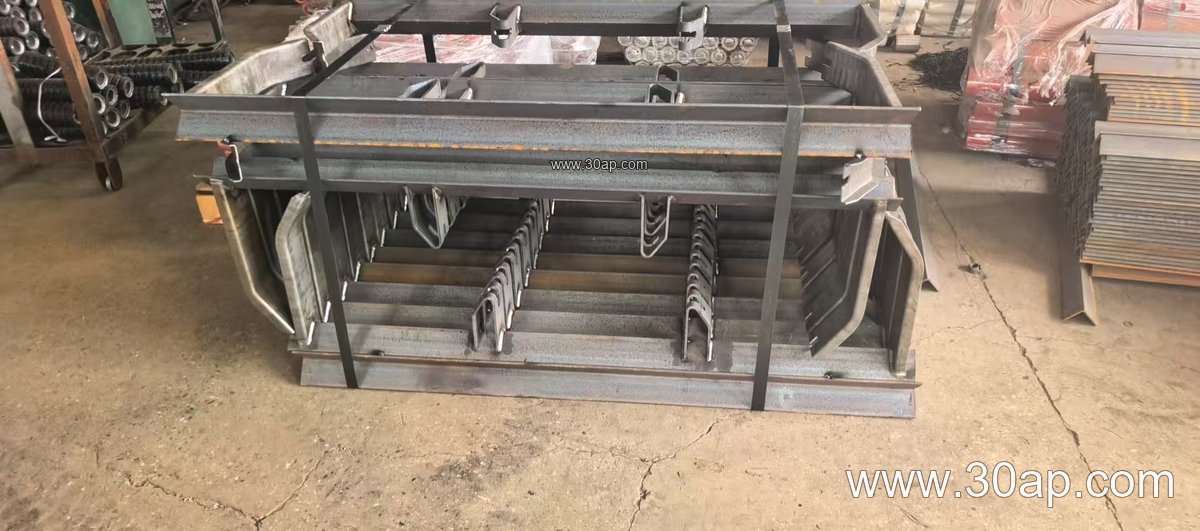
Where It Is Used
Four-roll idler brackets are found in bulk material handling systems across many industries. In a limestone quarry or iron ore mine, they support heavy conveyor belts carrying coarse rock. In a coal washing plant or power plant coal yard, they help maintain belt alignment and contain fine materials. Cement plants use them on clinker and raw meal conveyors, while port facilities rely on them for ship loading and unloading lines. The bracket is also suitable for aggregate conveyors, crusher discharge belts, and tunnel muck removal systems.
Because the four-roll design provides a wider support base, it is often chosen for belts that carry large lumps, for high-tonnage lines, or for installations where belt sag must be minimized. It works together with the conveyor belt and the idler rollers to keep the belt running smoothly.
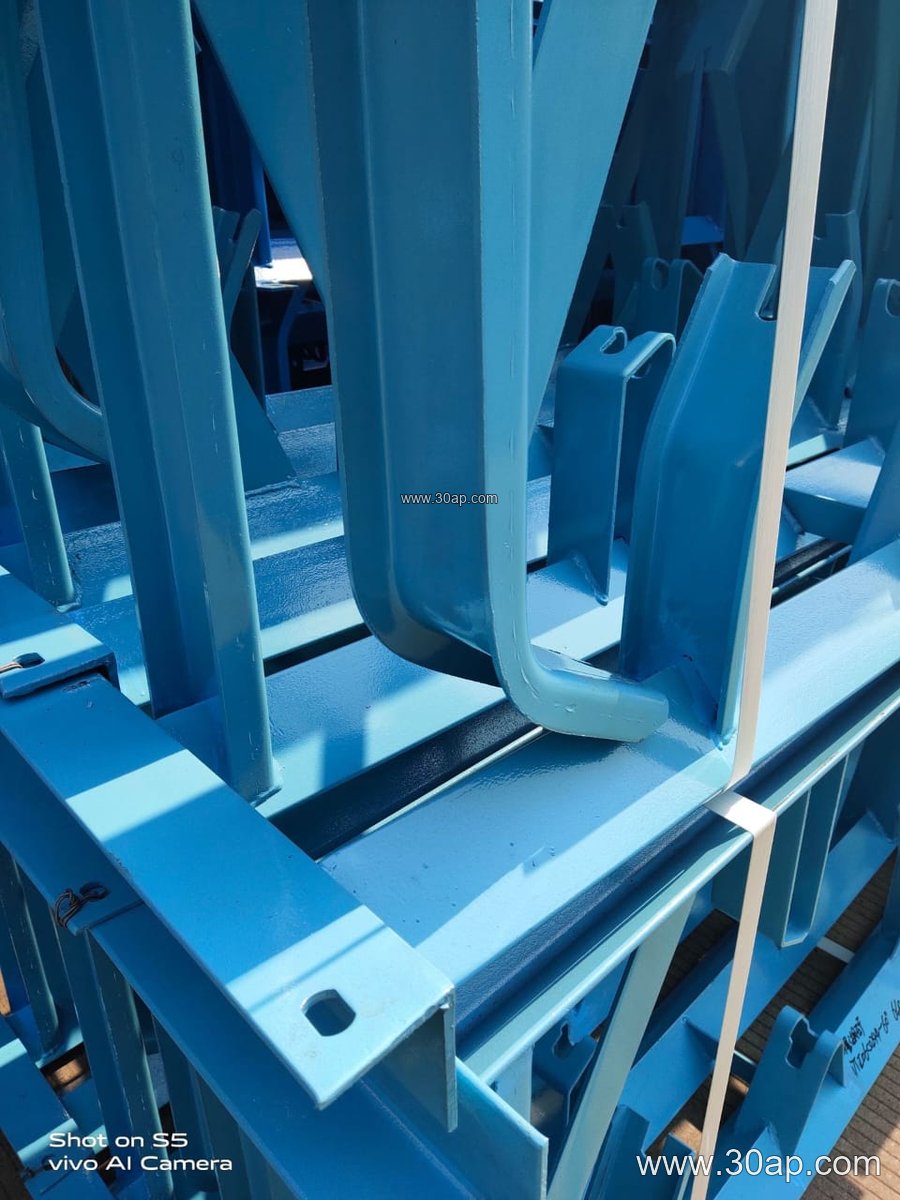
Selection and Maintenance Tips
When selecting a four-roll idler bracket, consider the belt width, the expected load, the material size, and the operating environment. The trough angle should match the belt’s flexibility and the material’s angle of repose. Roller diameter should be chosen based on belt speed and load, not on belt width alone. Adjustable brackets offer flexibility during installation and can compensate for minor misalignment.
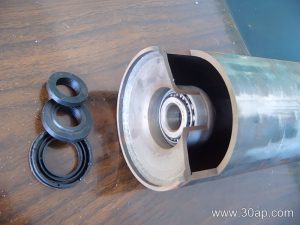
Maintenance involves regular inspection of the bracket for corrosion, deformation, or loose fasteners. Worn idler rollers should be replaced promptly to prevent belt damage. Keeping the bracket clean and properly lubricated (where applicable) extends its service life. Always follow the conveyor manufacturer’s recommendations for mounting and alignment.
For reliable conveyor performance, choose brackets that are correctly sized and matched to your conveyor belt and idler roller specifications. Whether you operate a sand and gravel line, a fertilizer plant, or a grain silo, the right four-roll idler bracket helps keep your belt system running efficiently.