Why the Conveyor Bracket Deserves Your Specification Review
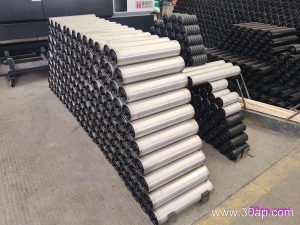
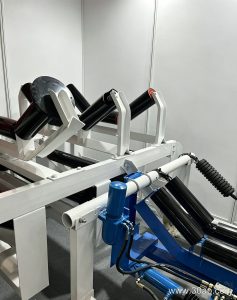
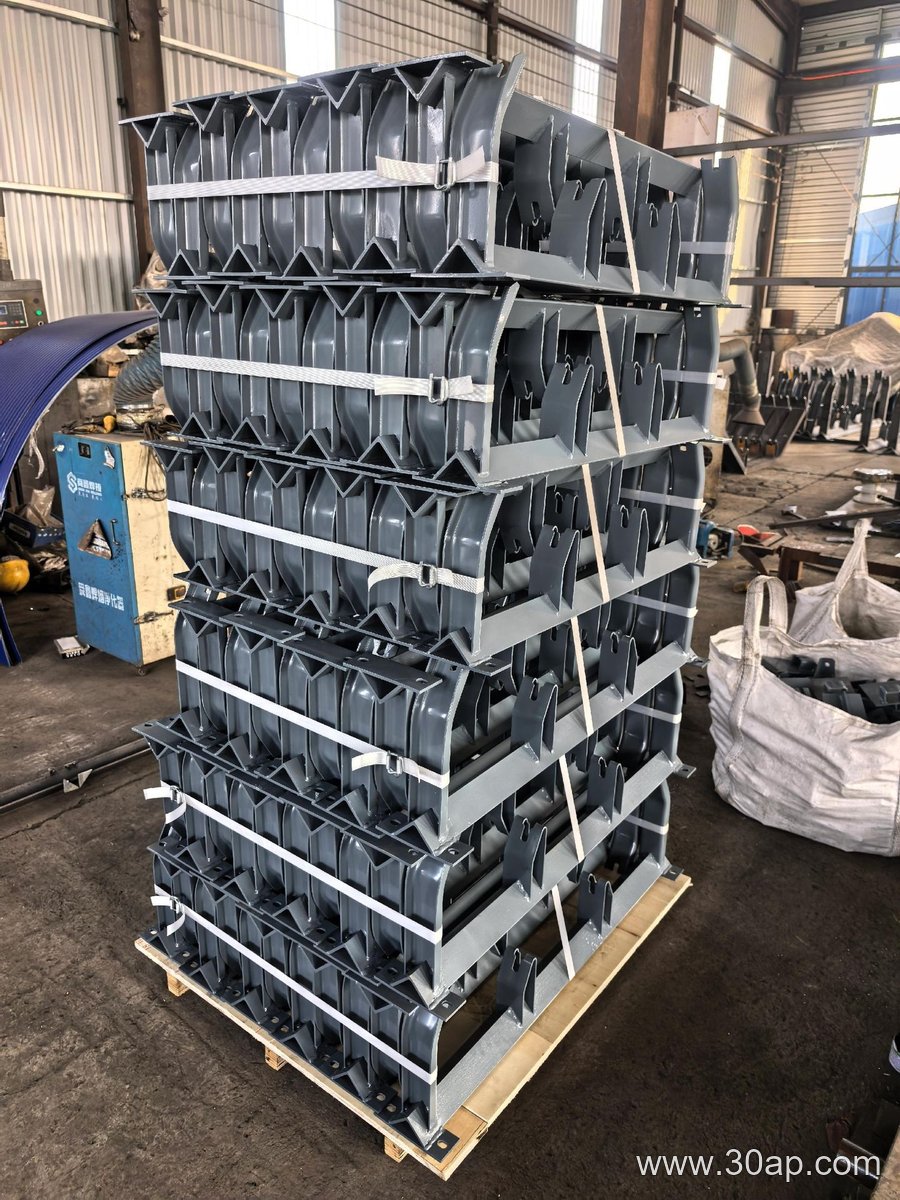
The conveyor bracket is the structural interface between your belt or roller system and its supporting frame. A poorly chosen bracket causes misalignment, vibration, and premature wear of idlers and belts. When evaluating brackets, focus on material grade, bolt pattern compatibility, and load rating—not just price.
Selection Criteria for Industrial Duty
- Check steel thickness (minimum 6 mm for heavy loads) and finish: hot-dip galvanized for outdoor, powder-coated for indoor.
- Verify slot widths for adjustability—needed to maintain belt tracking without re-drilling.
- Match bracket arm length to your idler roll diameter to avoid frame interference.
Purchasing and Installation Advice
Order brackets with pre-drilled holes for your exact frame rail width. Always buy 5% spare units, as bent brackets are common during conveyor realignment. Torque all fasteners to the manufacturer’s spec—overtightening can crack the weld, while loose bolts accelerate wear. For modular conveyors, use quick-release brackets to reduce downtime during cleaning or product changeovers.
Why the Conveyor Belt Remains the Backbone of Material Handling
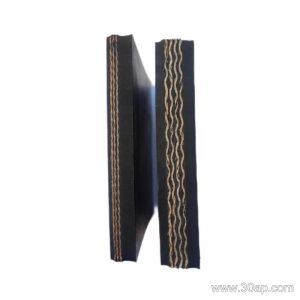
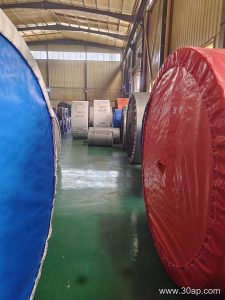
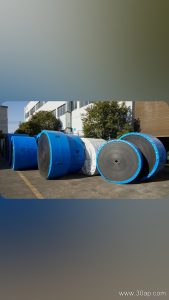
The conveyor belt is the single most cost-effective component in any bulk or unit-load transfer system. Its performance dictates throughput, safety, and energy consumption. Selecting the wrong belt leads to premature wear, spillage, and unplanned downtime.
Key Specifications to Evaluate
Before purchasing, verify these five parameters against your operating environment:
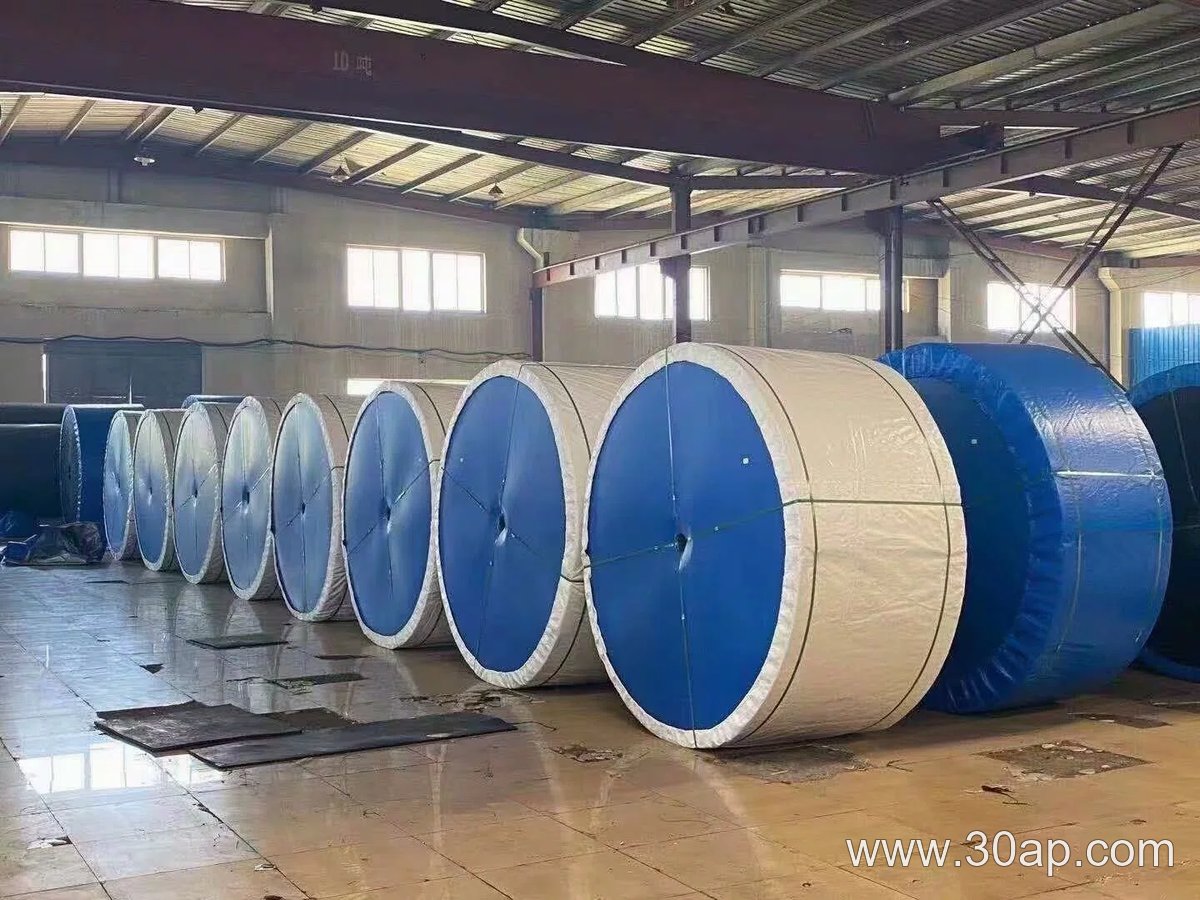
- Cover material: Choose rubber for abrasion, PVC for food, or PU for oil resistance.
- Tensile strength: Match carcass layers (EP, NN, or steel cord) to load weight and troughing angle.
- Operating temperature: Standard belts handle -20°C to 60°C; use heat-resistant compounds above that.
- Belt width and speed: Calculate tonnes per hour using the manufacturer’s cross-sectional formula.
- Fastener type: Decide between vulcanized splices (for high tension) and mechanical fasteners (for quick repairs).
Practical Purchasing Advice
Request a sample strip and perform a flex test. Ask for the belt’s minimum pulley diameter—a smaller pulley than recommended shortens belt life. Also, consider belt tracking: a crowned pulley or training idler reduces edge damage. Finally, always order 5% extra length for splicing allowance and tension adjustments.
Invest in a quality conveyor belt once, but pair it with a regular inspection schedule. A simple visual check for cuts, delamination, and misalignment every 100 operating hours prevents catastrophic failure. Remember, the belt is not a commodity—it is a precision engineered tool that carries your entire production line.
Why the Idler Roller Defines Your Conveyor’s Performance
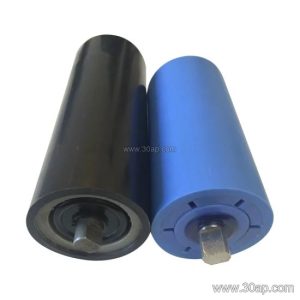
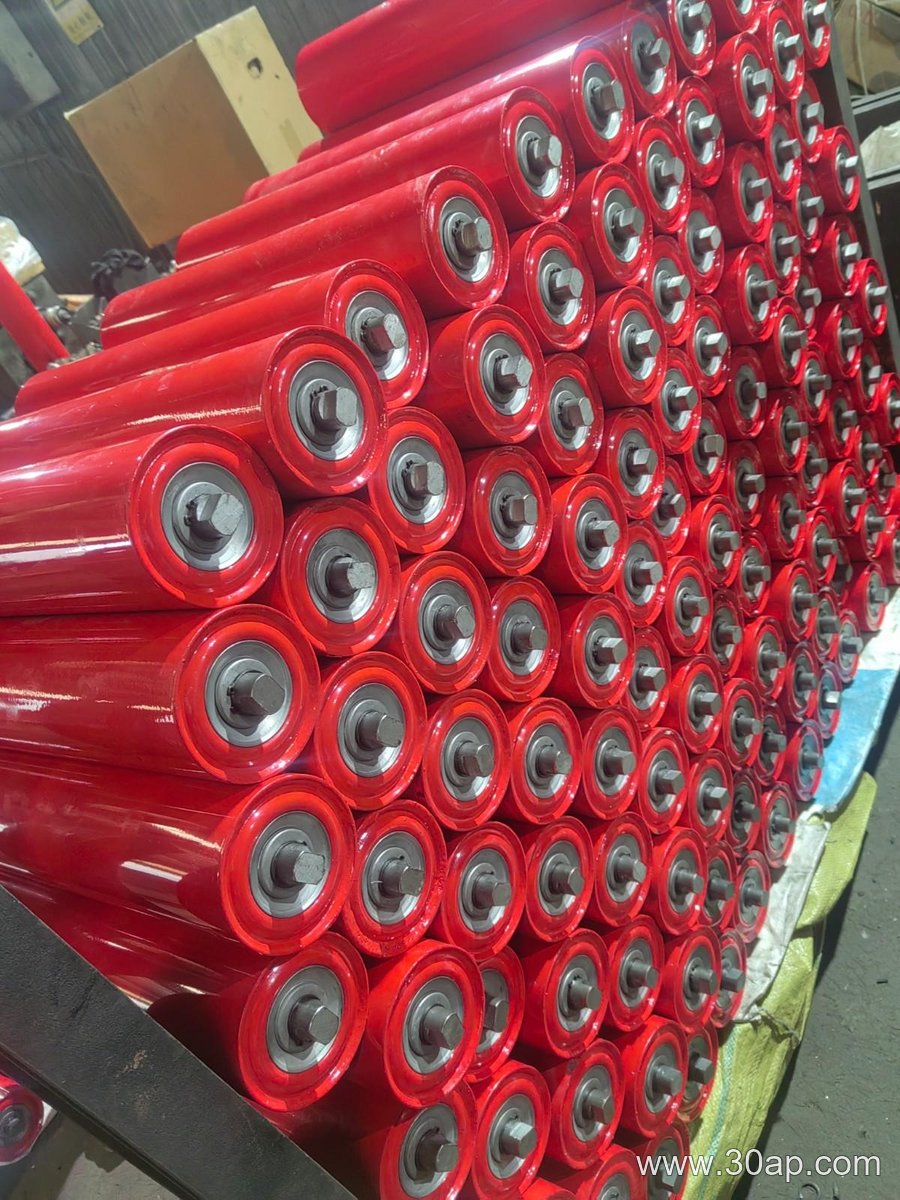
The idler roller is the unsung workhorse of any bulk material handling system. It supports the belt, shapes the load, and reduces friction—yet a poorly selected roller can cause belt misalignment, premature wear, and costly downtime. This article focuses on how to evaluate idler rollers for your specific application.
Key Selection Criteria
- Load rating: Match the roller’s dynamic load capacity to your belt speed and material density. Overloading leads to bearing failure.
- Diameter and shell thickness: Larger diameters reduce belt sag and impact stress, while thicker shells resist abrasion from sharp ores.
- Sealing system: For dusty or wet environments, choose labyrinth or contact seals that keep contaminants out without increasing rolling resistance.
Purchasing Advice
Always verify the roller’s runout (TIR) and balance—excessive vibration shortens belt life. Ask for test reports on the bearing’s L10 life and the shell’s hardness. Compare total cost of ownership, not just price: a quality idler roller can outlast a cheap one by three to five times. Finally, ensure the roller’s shaft ends and mounting brackets match your existing frame dimensions to avoid retrofit surprises.
Why the Conveyor Pulley Demands Your Attention
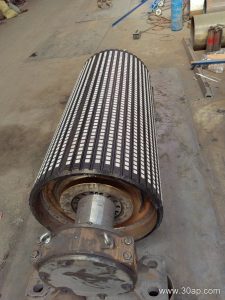
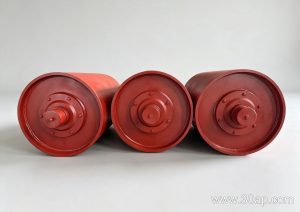
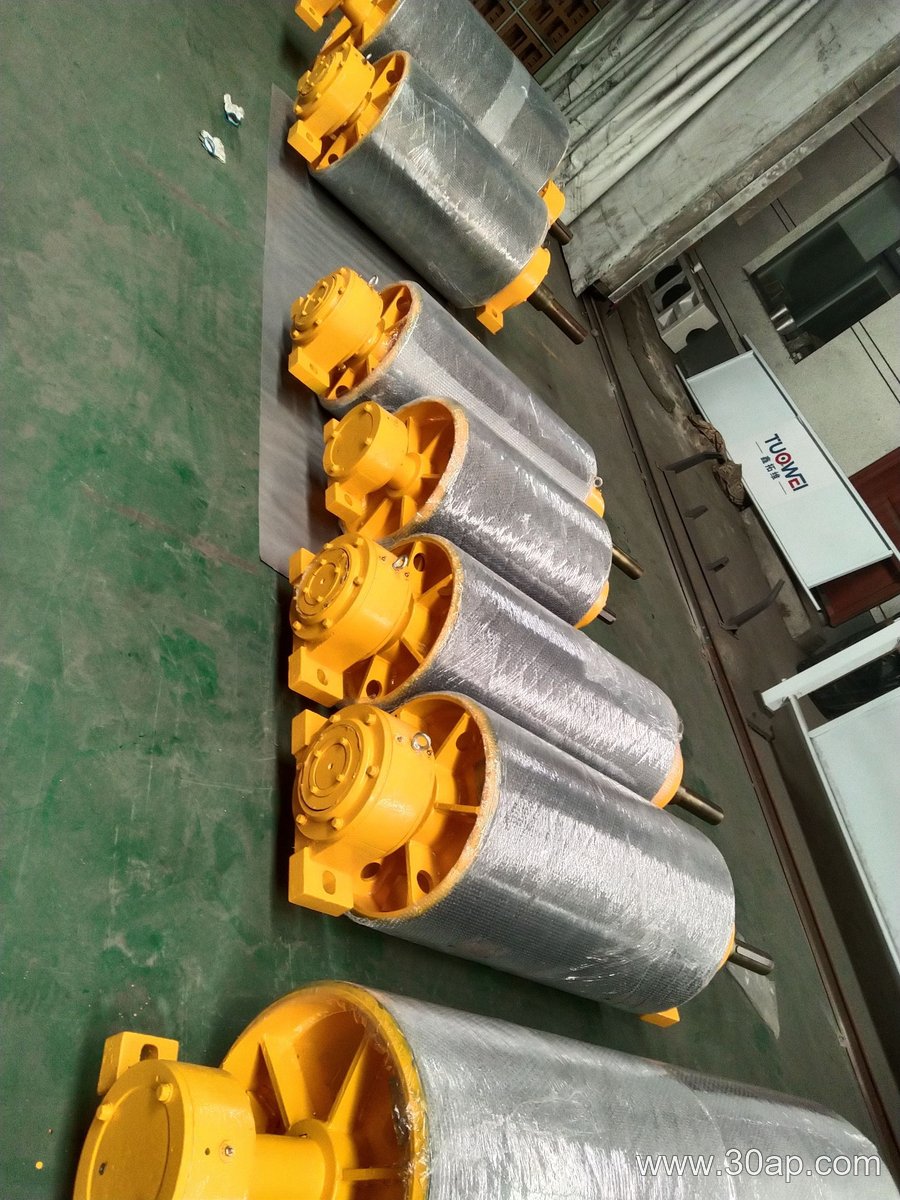
The conveyor pulley is not a passive roller—it is the driving and tensioning heart of any belt system. Choosing the wrong pulley leads to belt slippage, misalignment, and premature wear across the entire line.
Key Types and Their Roles
- Drive pulleys: Transfer torque from the motor to the belt; require lagging for grip.
- Bend pulleys: Change belt direction with minimal wrap angle.
- Take-up pulleys: Maintain tension and compensate for belt stretch.
Material and Construction Factors
Steel pulleys suit heavy loads, while engineered polymer options resist corrosion in food or chemical plants. Always verify shaft diameter and hub design against your load and RPM.
Purchasing Advice
- Match face width to belt width—never narrower.
- Specify crown or flat profile based on belt tracking needs.
- Request dynamic balancing for speeds above 5 m/s.
- Confirm lagging type: rubber for wet conditions, ceramic for high grip.
Invest in a quality conveyor pulley with proper maintenance access—it reduces downtime and extends belt life by 30% or more.