What a Thick Conveyor Belt Is
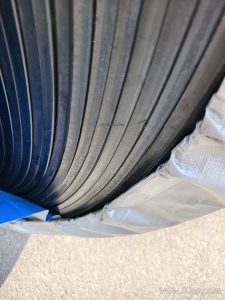
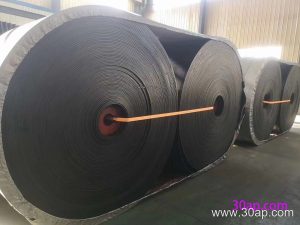
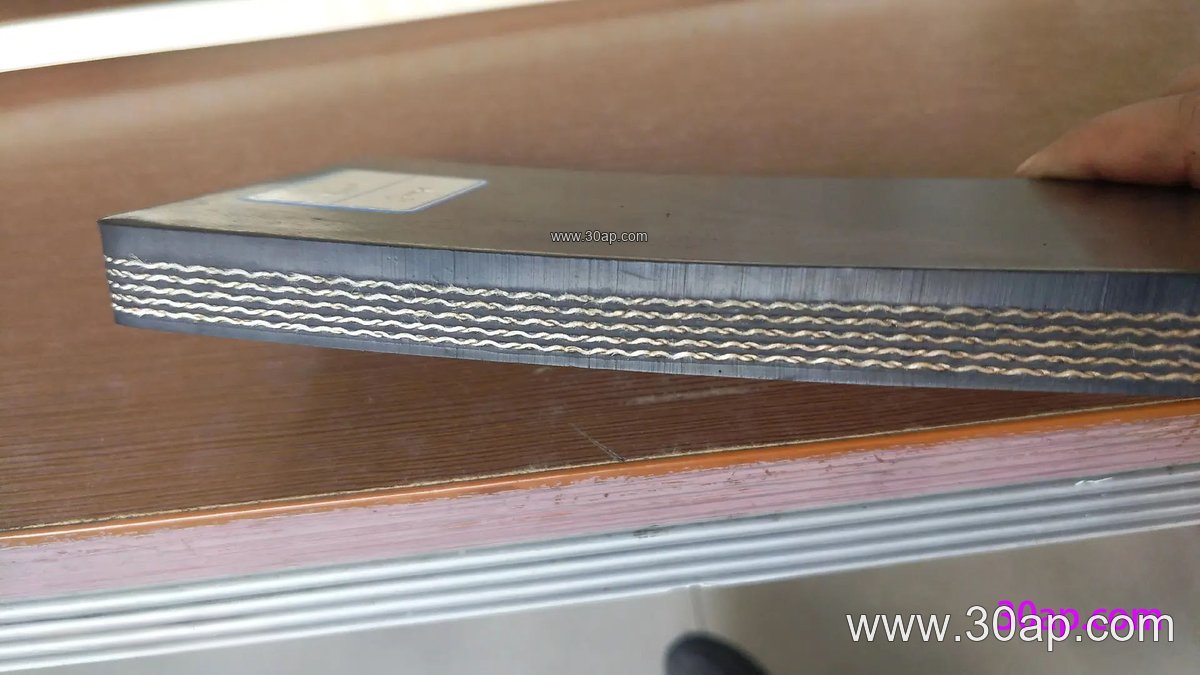
A thick conveyor belt is a heavy-gauge belt built with a substantial carcass and generous rubber covers, designed for conveyors that move abrasive, sharp, hot, or high-load bulk materials. Rather than a single product, the term covers several constructions: a heavy-duty EP conveyor belt with multiple fabric plies, a steel cord conveyor belt with thick covers, or a rubber conveyor belt with reinforced edges for primary crushing circuits. Buyers usually arrive at this specification when standard belts wear through too quickly, track poorly under impact, or cannot carry the required tension.
The extra thickness is not cosmetic. It adds abrasion allowance, improves resistance to cutting and gouging, stabilizes the belt on the troughing idler roller set, and gives the splice more material to work with. In a quarry or cement plant, that difference often decides how long a conveyor runs between stoppages.
How the Belt Is Built
Most thick belts combine three elements: the carcass, the covers, and the edges.
- Carcass: multi-ply fabric (EP or NN), a single heavy ply, or steel cords. Ply count commonly ranges from two to six layers depending on tension demand.
- Top cover: the wearing surface, commonly 4 mm to 8 mm on heavy-duty belts, with 3 mm to 6 mm also seen in lighter thick specifications.
- Bottom cover: usually 1.5 mm to 3 mm, protecting the pulley side and the return run.
- Edges: cut or molded, sometimes protected against edge damage in high-impact transfer points.
Cover compound selection matters as much as gauge. An abrasion resistant conveyor belt suits sharp rock and aggregate, a heat resistant conveyor belt handles clinker or sinter, and a flame retardant conveyor belt is specified for coal handling and other combustible dust environments. Oil resistant and cold resistant grades are available where the duty calls for them.
Typical Duty Points and Industries
Thick belts appear wherever material is coarse, heavy, or dropped from height. Common settings include:
- Primary and secondary crusher discharge in stone crushing and sand making plants
- Iron ore, copper ore, and gold mining conveyor lines
- Coal mining conveyor systems, including underground coal mining conveyor belts where flame resistance is required
- Cement plant clinker and raw meal transport
- Power plant coal yards and ash handling
- Port and ship loading conveyors moving bulk material at high capacity
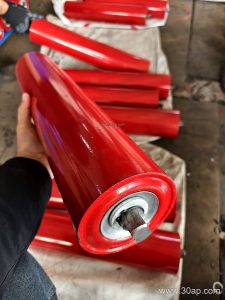
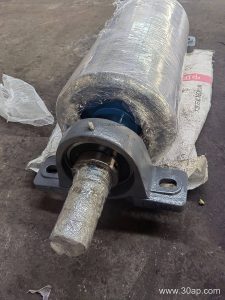
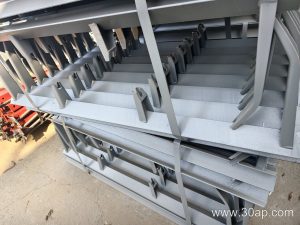
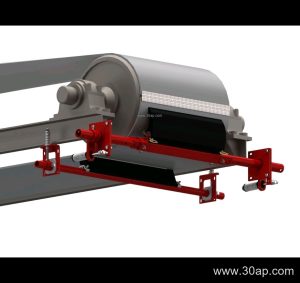
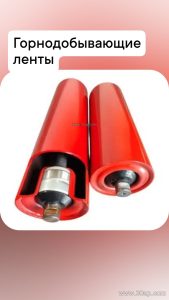
In these circuits the belt works with conveyor pulleys at the drive, tail, and bend positions, troughing and return idler rollers, and sturdy conveyor brackets. Each of those components has its own role; a bend pulley, for example, redirects the belt and is not a substitute for a drive pulley.
Common Specifications at a Glance
The table below shows representative values, not universal ratings. Final construction follows the conveyor design and the supplier’s data sheet.
| Parameter | Typical range |
|---|---|
| Belt type | EP, NN, steel cord, PVG, heat resistant, abrasion resistant, flame retardant |
| Strength grade (EP) | EP200 to EP2000 |
| Belt width | B500 to B2000 mm |
| Cover thickness | 3+1.5, 4+2, 5+2, 6+2, 8+3 mm |
| Carcass plies | 2 to 6 layers, depending on type |
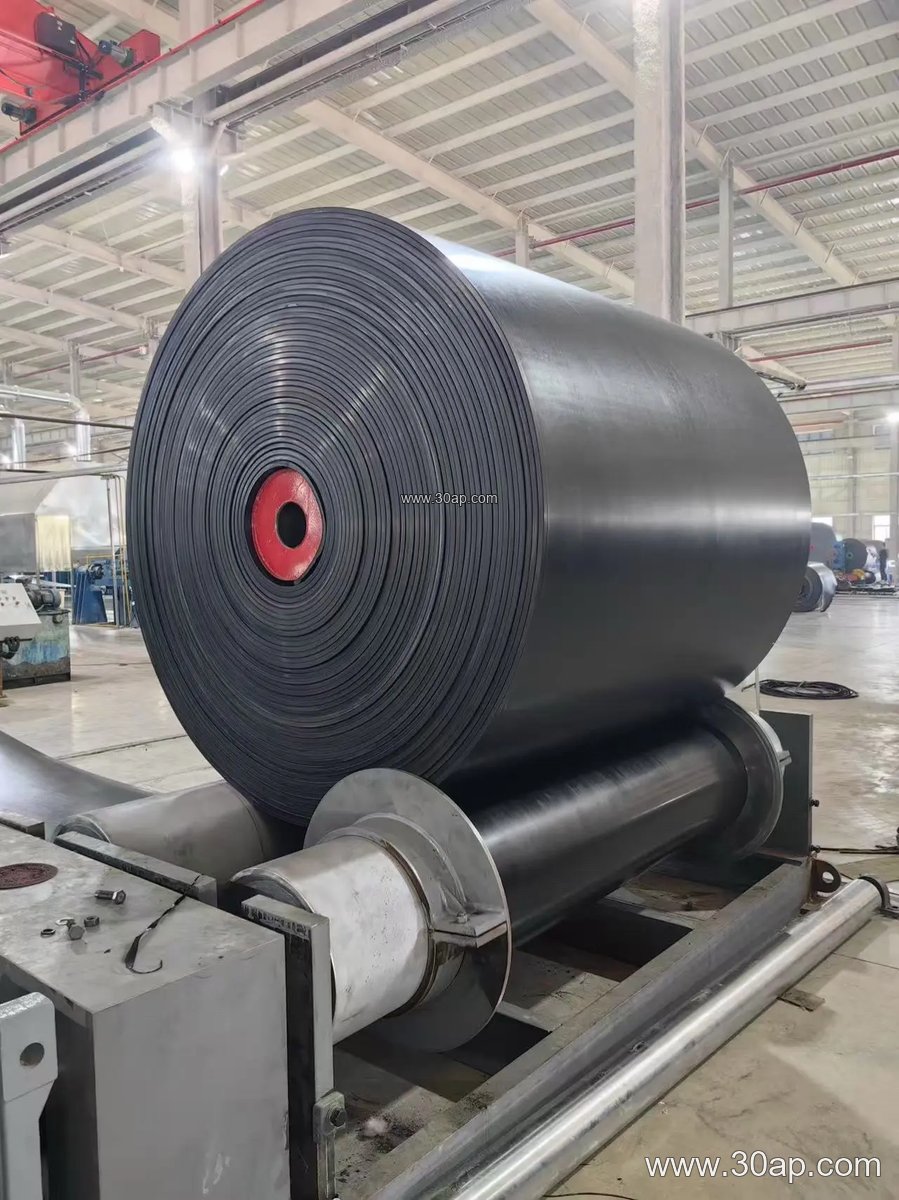
A 1200mm wide conveyor belt with an EP1000 carcass and 6+2 mm covers is a common heavy-duty combination, but it is not the only correct choice. Wider belts up to 2000 mm appear in high-capacity port and mining installations.
What to Check Before Ordering
Start with the actual duty: material size, lump weight, drop height, belt speed, and whether the load is continuous or surge-fed. Then confirm the tension rating needed at the drive pulley, since a thick belt adds mass and affects starting torque and take-up travel.
Ask for the cover compound grade, not just the thickness. A high abrasion resistant conveyor belt and a standard belt of the same gauge behave very differently in a hard rock circuit. For coal or dusty environments, request flame retardant and anti-static properties in writing.
Check pulley diameters against the belt’s minimum bend radius, confirm the troughing idler roller angle suits the material, and verify that the splice method matches the carcass. Steel cord belts generally need a different splice than fabric belts, and thick fabric belts need adequate step length.
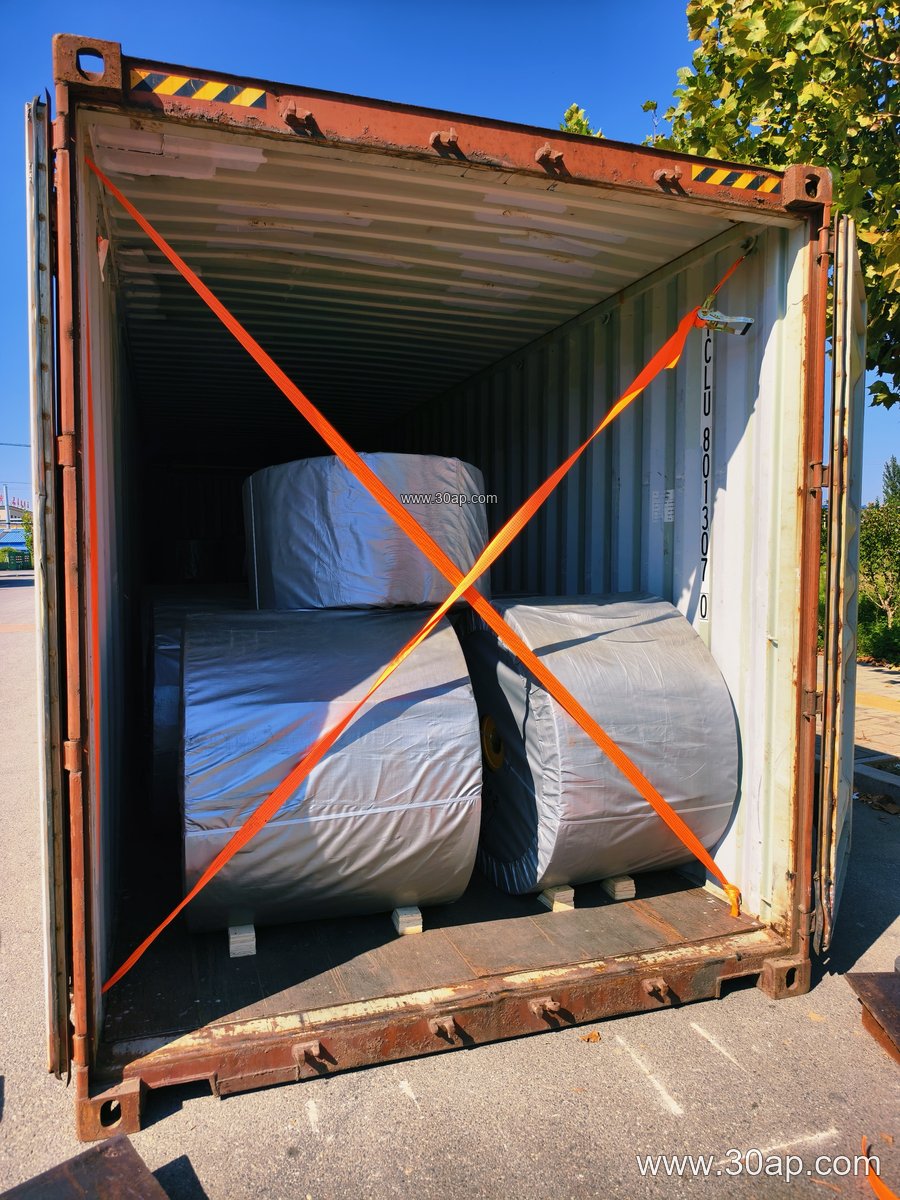
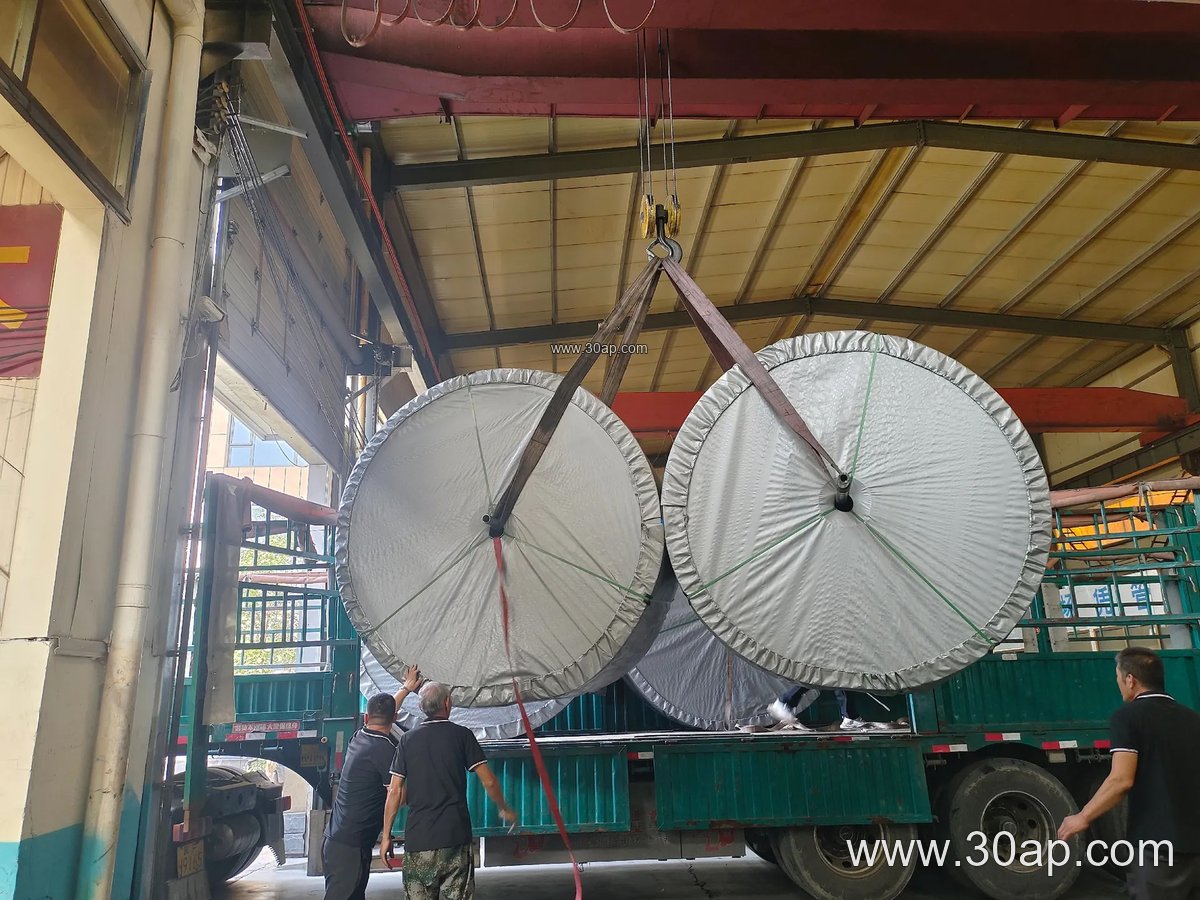
Finally, plan storage and handling. A thick belt is heavy, so lifting points, roll diameter, and installation space deserve attention before delivery. For buyers comparing options across mining, cement, and power applications, matching belt construction to the real operating condition is more valuable than simply choosing the thickest product on the list.