What a Conveyor Support Bracket Does
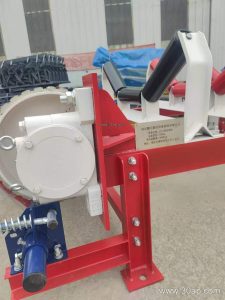
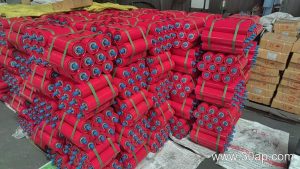
A conveyor support bracket is the structural element that holds the idler roller in position and transfers the load of the belt and material down into the conveyor frame. In practice, the bracket is the interface between the rotating parts and the fixed structure. When a troughing bracket is correctly matched to the belt width, the trough angle and the roller diameter, the belt runs centered, the idlers turn freely, and the frame stays square over years of service. When it is not, the symptoms show up quickly as edge wear, spillage and premature roller failure.
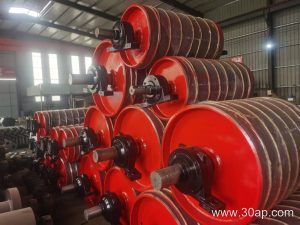
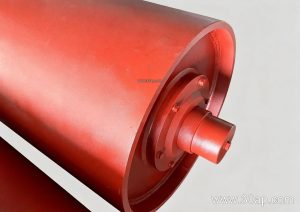
The same part is often called a conveyor idler bracket or a roller support bracket. It is a distinct component from the frame stringer itself, and it should not be confused with a conveyor pulley, which is a separate drive, tail or bend component.
Construction and Common Configurations
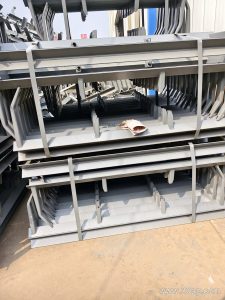
Most brackets are fabricated from angle steel, channel steel or folded steel plate, then drilled or punched for the mounting bolts. Galvanized or painted finishes are common for outdoor installations, while coal preparation plants and underground coal mining conveyor lines often specify coated or stainless options to resist moisture and fine dust.
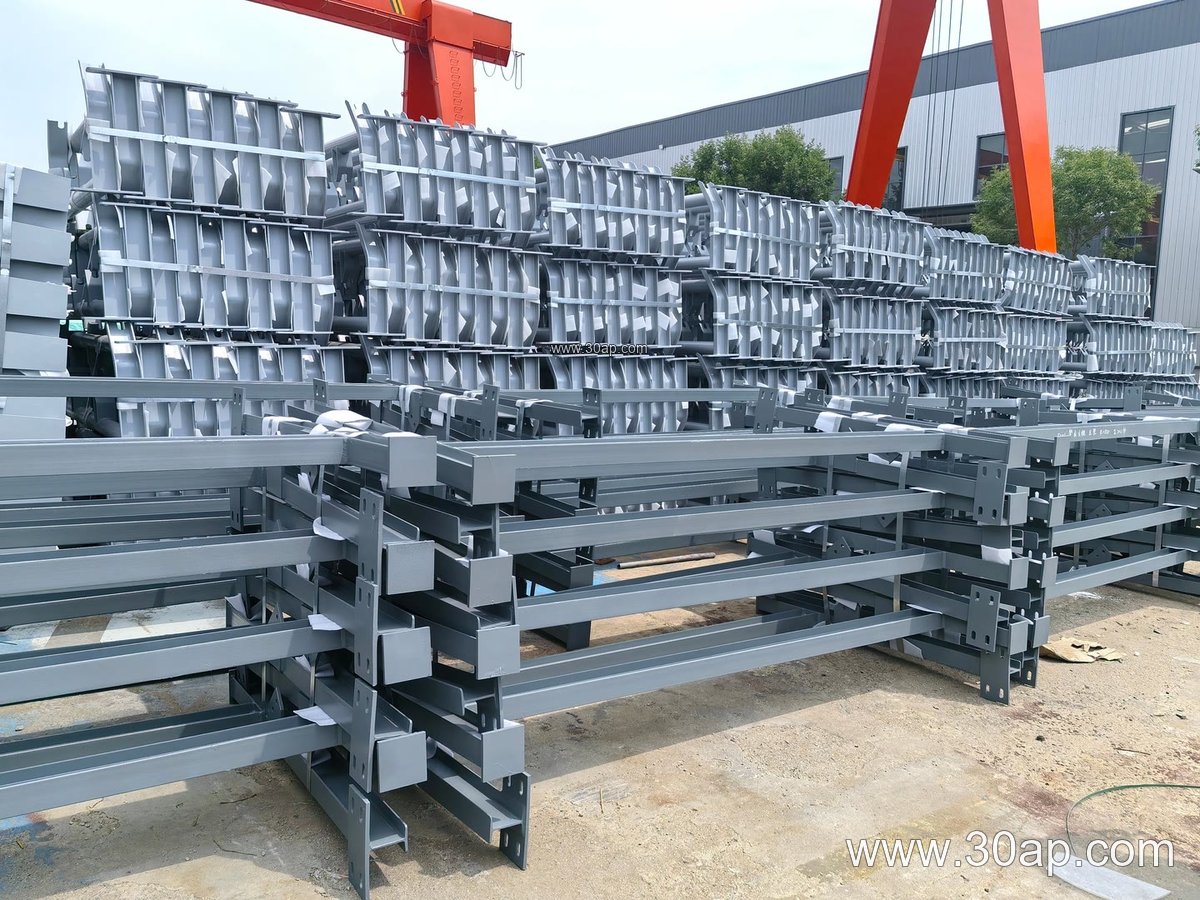
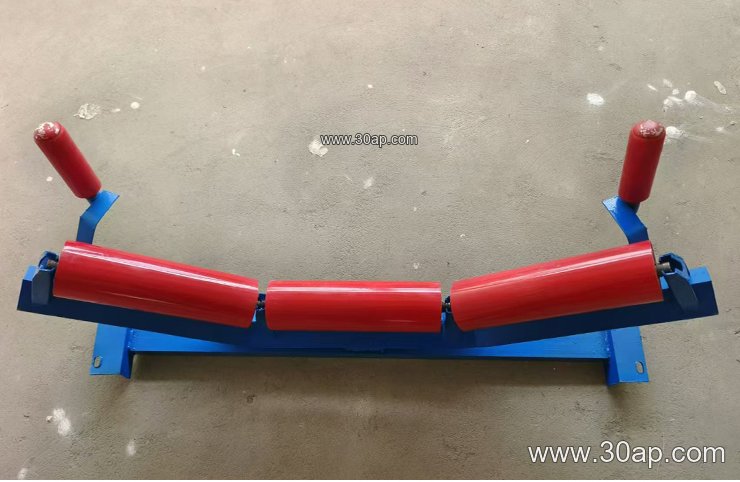
Troughing brackets are the most familiar type. They set the three-roll arrangement at a defined trough angle so the belt forms a stable material channel. Return brackets hold the lower run, and V-shaped return brackets help with belt tracking on long spans. Transition brackets sit near the head and tail, guiding the belt from flat to troughed without over-stressing the edges. Self-aligning and forward-leaning designs are used where belt wander is a known issue.
| Parameter | Common Range |
|---|---|
| Belt width B | B500, B650, B800, B1000, B1200, B1400, B1600, B1800, B2000 |
| Trough angle | 20°, 30°, 35°, 45° (adjustable brackets cover several) |
| Idler diameter | Ø89, Ø108, Ø133, Ø159, Ø194 |
| Material | Angle steel, channel steel, folded plate |
| Mounting hole spacing | Determined by belt width and trough angle |
These values are reference ranges, not fixed pairings. A B800 line might run 35° with Ø108 rollers, while a B1200 heavy-duty section may use 45° and Ø133. Hole spacing and crossbeam length change with the design, so the bracket drawing should always be confirmed against the actual frame.
Where These Brackets Are Used
Bracket selection is driven by the duty and the environment. In a limestone quarry or a sand and gravel line, abrasion is the main concern, and robust three-roll troughing brackets with impact-resistant rollers near the loading point keep the belt stable. In a coal preparation plant or an underground coal mining conveyor, flame retardant and anti-static belt grades are paired with brackets that resist fine coal dust and wash-down water.
In a cement plant, heat resistant and abrasion resistant belt grades carry clinker and raw meal, and the bracket must hold alignment through thermal cycling. Power plant coal handling and port ship loading systems often use wide belts, where troughing brackets with longer crossbeams and larger roller diameters carry higher loads. Similar logic applies around a crusher conveyor, where impact brackets protect both the roller and the belt at the transfer point.
Matching the Bracket to Belt and Roller
Three variables usually decide the bracket: belt width, trough angle and roller diameter. Wider belts need longer brackets and heavier sections. Steeper trough angles improve material containment but raise edge tension, so 45° is not automatically better than 30°. The roller diameter must suit the belt speed and load; a small diameter under a heavy load will fail early regardless of bracket quality.
- Check that the bracket mounting holes match the frame drilling pattern.
- Confirm the trough angle matches the existing idler set.
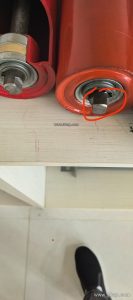
- Verify the roller diameter and bearing series fit the bracket slot.
- Use adjustable brackets where belt tracking needs fine tuning.
- Specify a finish suited to wash-down, humidity or dust.
Adjustable brackets are a practical choice for lines that may change duty or where tracking problems are persistent. Fixed brackets are simpler and cheaper to maintain but leave no room for correction after installation.
Buyer Checklist
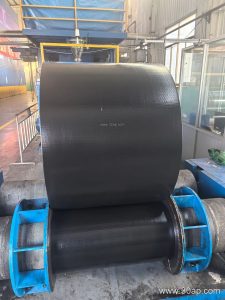
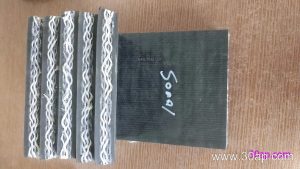
Before ordering, collect the belt width, the required trough angle, the roller diameter, the frame hole spacing and the environment. Ask for the bracket material and finish, and confirm whether the design is fixed or adjustable. For mining and bulk material conveyor lines, state the belt grade in use, such as an EP conveyor belt or a steel cord conveyor belt, because the bracket load assumptions follow the belt and material weight. A well-specified conveyor support bracket is a small cost item that protects the idler roller, the conveyor belt and the conveyor pulley from avoidable wear.