What an Endless Conveyor Belt Is
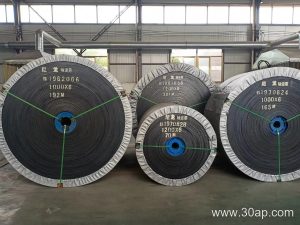
An endless conveyor belt is a belt that has been joined into a continuous loop, either during manufacture (vulcanized endless) or on site with a mechanical fastener or hot splice. This closed-loop design removes the need for a separate take-up to compensate for repeated joint wear, and it keeps the carrying surface uniform for smooth transfer of bulk materials. In mining, coal preparation, cement plants, power stations, and aggregate yards, an endless belt often runs over long distances where reliability matters more than quick replacement.
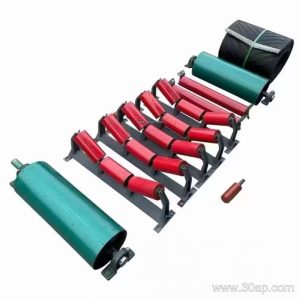
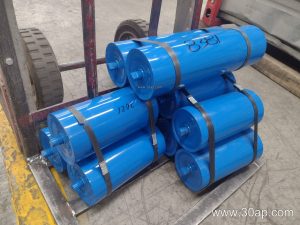
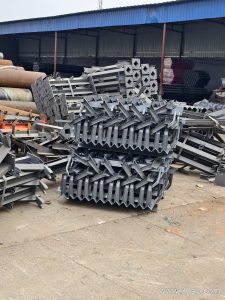
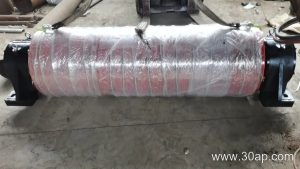
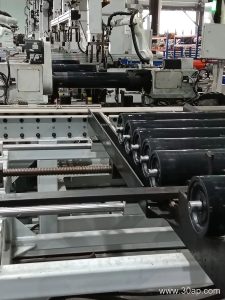
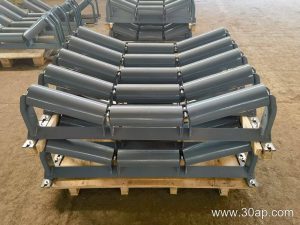
The belt itself is not a standalone item. It works with a conveyor pulley at the drive end, a tail pulley for tension, and bend pulleys to route the loop. Idler rollers support the belt on the carrying and return sides. Conveyor brackets hold the idlers and pulleys in alignment. A properly tensioned endless belt tracks better and reduces edge damage.
Construction and Splice Options
Most endless belts start as a fabric core or steel cord carcass covered with rubber. The carcass provides strength and elongation control; the cover protects against abrasion, heat, oil, or flame. Common carcass types include EP (polyester-nylon), NN (nylon-nylon), and steel cord. Multi-ply fabric cores are also used where impact resistance is needed.
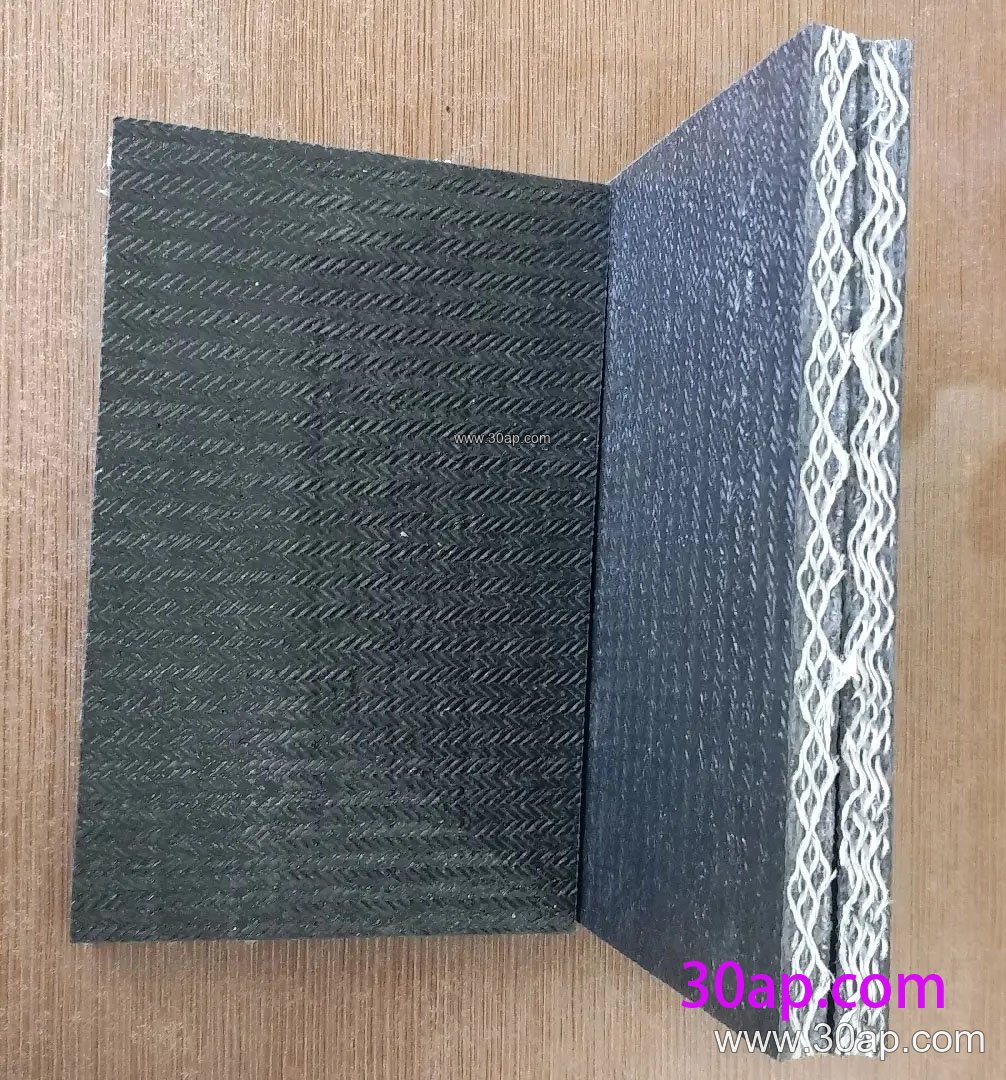
The endless splice can be vulcanized (hot or cold) or mechanical. Vulcanized splices give a smooth surface and are preferred for long runs and high tension. Mechanical fasteners allow faster installation but create a slight bump and may need more maintenance. The splice efficiency depends on the carcass type and the splice method.
Typical Specifications
The table below shows common reference data. Actual values are set by the conveyor design and should be confirmed with the belt manufacturer.
| Parameter | Common range |
|---|---|
| Belt width | B500, B650, B800, B1000, B1200, B1400, B1600, B1800, B2000 |
| Fabric core strength | EP200, EP315, EP400, EP500, EP630, EP800, EP1000, EP1250, EP1600, EP2000 |
| Steel cord strength | ST1000, ST1250, ST1600, ST2000, ST2500, ST3150 |
| Cover thickness | 3+1.5, 4+2, 5+2, 6+2, 8+3 mm |
| Number of plies | 2 to 6 (fabric core) |
For example, an EP1000 belt at 1200 mm width is a typical choice for a primary crusher discharge. A wider 1800 mm belt with EP1250 may suit a high-capacity overland conveyor. Steel cord belts such as ST1600 or ST2000 are used where tension is high and stretch must be low.
Where Endless Belts Are Used
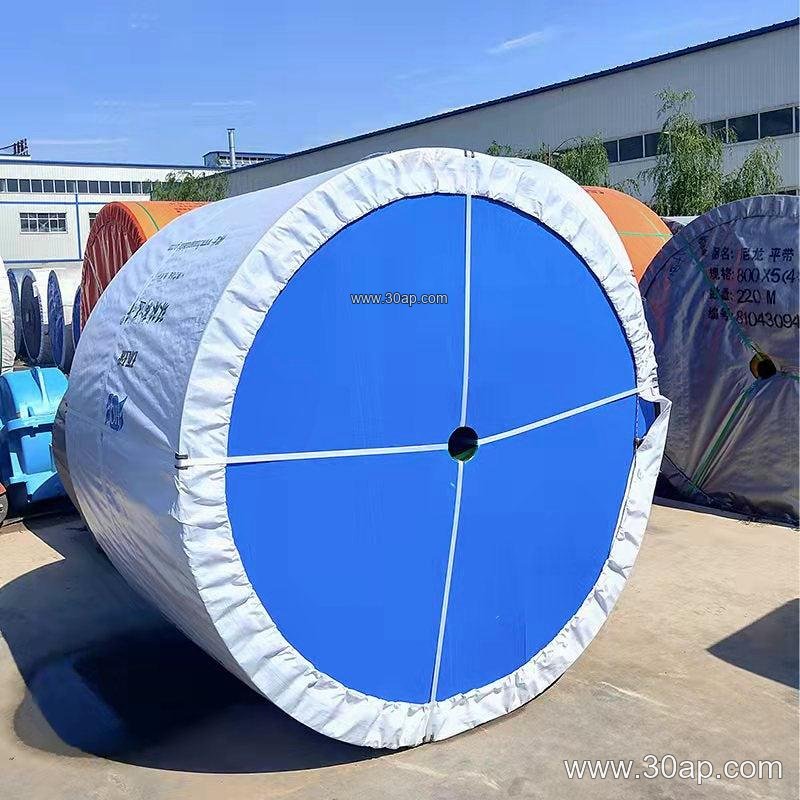
Endless belts appear in many industries. In underground coal mining, flame retardant and anti-static properties are essential; PVG and PVC belts are common there. In cement plants, heat resistant belts handle clinker while abrasion resistant covers manage limestone and additives. Power plants use endless belts for coal and ash handling. Quarries and sand making plants rely on heavy-duty abrasion resistant belts under crushers and screens. Ports and ship loading facilities use wide belts for fast transfer.
Specialty versions include chevron and corrugated sidewall belts for steep inclines, pipe conveyor belts for dust-free transport, and food grade belts for hygienic lines. These are different belt types, not replacements for a standard endless belt, but they share the same closed-loop principle.
Buyer Checklist
- Confirm the belt width, carcass type, and cover thickness against the conveyor design.
- State the material: coal, clinker, iron ore, aggregate, or chemical. This drives the cover compound (abrasion resistant, heat resistant, oil resistant, flame retardant).
- Decide on splice method: vulcanized endless or mechanical. Consider downtime and splice equipment available on site.
- Check pulley diameters. Drive, tail, and bend pulleys have different roles and are not interchangeable. Belt width alone does not fix shaft diameter; the pulley manufacturer and conveyor designer determine that.
- Ask for a tracking plan: idler alignment, pulley crown, and belt training devices.
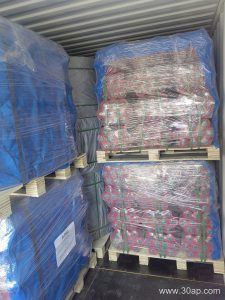
- Review storage and handling. An endless belt should not be kinked or stored in direct sunlight for long periods.
For more information on matching belts with idlers, pulleys, and brackets, visit conveyor belt and conveyor pulley resources. A well-selected endless belt, installed with correct tension and alignment, supports continuous operation in the toughest bulk handling environments.