What a Conveyor Bracket Is and Why Its Price Varies
A conveyor bracket is the structural support that holds idlers in place along a belt conveyor. It is not a single commodity item. The price of a conveyor bracket depends on the bracket type, the belt width it serves, the trough angle, the roll diameter it accepts, the steel section used, and the surface treatment applied. Buyers in a quarry, a cement plant, or a power plant coal yard often compare quotes and find a wide spread, because two brackets with the same name can differ in steel thickness, hole spacing, and welding quality.
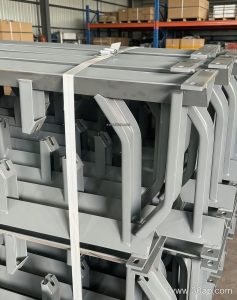
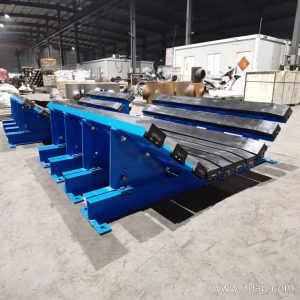
In practice, the bracket is a fabricated steel assembly. Common materials include angle steel, channel steel, and folded steel plate. A carry-side bracket usually forms a trough that supports three idlers, while a return bracket holds a single flat or V-shaped roller. The bracket must resist the weight of the loaded conveyor belt, the material load, and the dynamic forces at transfer points. That is why the steel section and the welding detail matter as much as the nominal model number.
Types That Influence the Quoted Cost
Different bracket types carry different material and labor costs. A simple fixed flat return bracket uses less steel than a heavy-duty impact bracket with reinforced mounting plates. The list below shows common categories and how each tends to affect price:
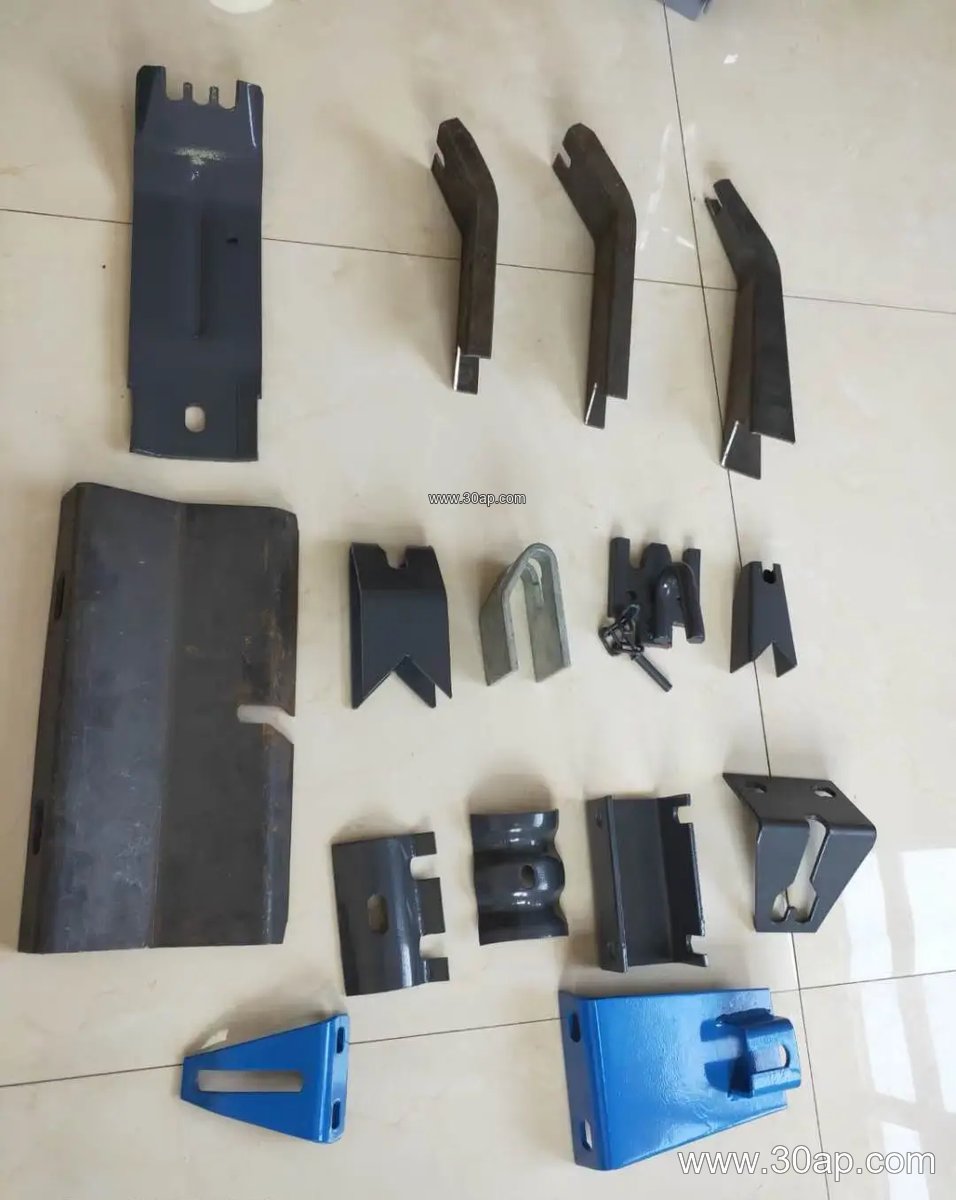
- Trough brackets (carry side): support three idlers at a set trough angle; cost rises with belt width and angle.
- Transition brackets: used near pulleys to ease the belt from flat to troughed; often custom-built.
- Return brackets: flat or V-shaped; generally lower cost than carry brackets.
- Impact brackets: reinforced for loading zones; heavier steel raises the price.
- Self-aligning brackets: include pivot or linkage features, adding machining and assembly cost.
- Adjustable brackets: allow the trough angle to be changed, which adds movable parts and cost.
- Suspended brackets: hang from the conveyor frame, often used in confined structures.
An adjustable bracket is useful where the same conveyor handles materials that behave differently. It can usually be set between common trough angles such as 20, 30, 35, and 45 degrees. A fixed bracket is simpler and cheaper, but it locks the trough angle for the life of the installation. Buyers should decide whether flexibility is worth the extra cost.
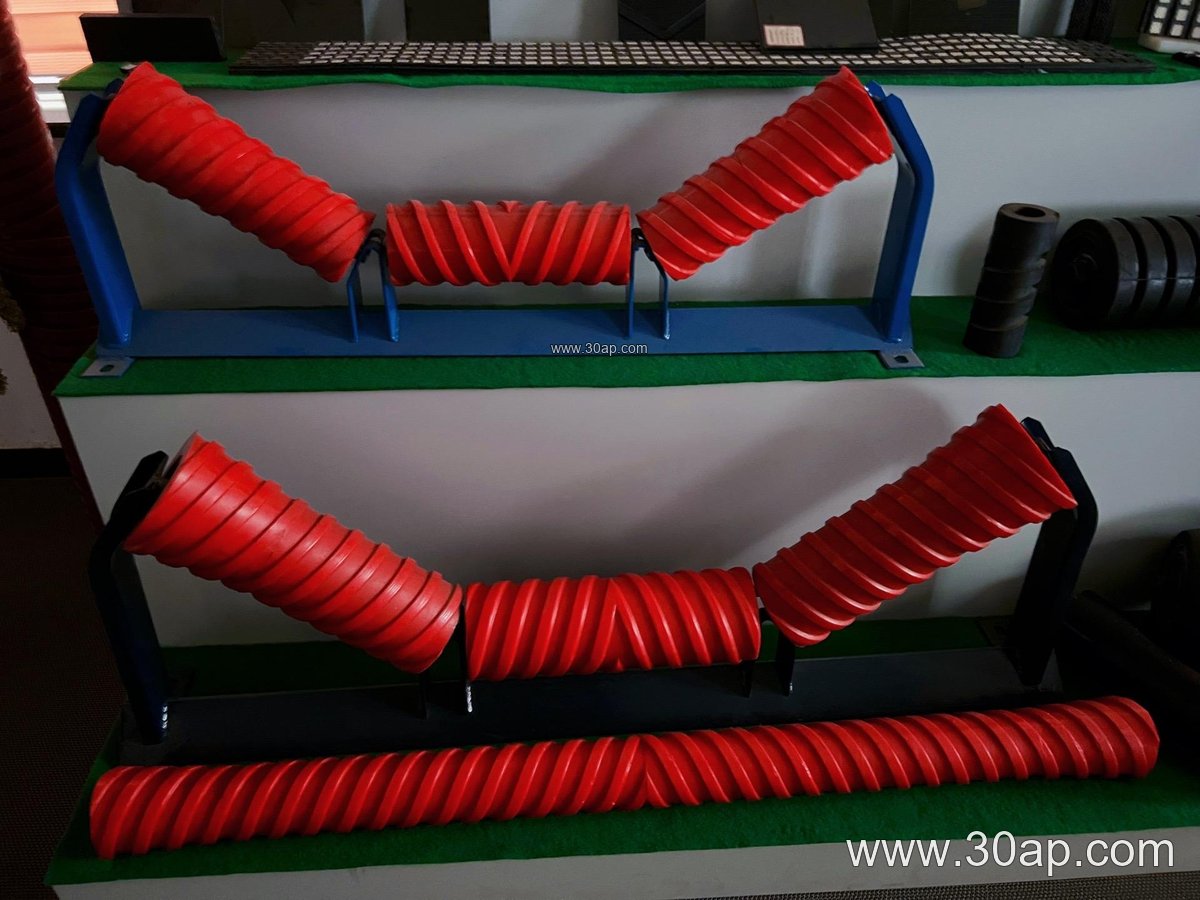
Belt Width, Trough Angle, and Roll Diameter in the Price
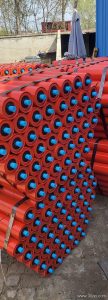
Belt width is one of the strongest price drivers. A bracket for B500 is a small fabrication; a bracket for B2000 or B2200 is a large, heavy weldment that needs thicker steel and longer cross beams. Trough angle also changes geometry: a 45-degree bracket carries the idlers in a deeper trough than a 20-degree bracket, and the mounting positions differ. Roll diameter matters because the bracket must accept the idler shaft and bearing housing. Common roll diameters include Ø89, Ø108, Ø133, Ø159, and Ø194.
There is no fixed rule that one belt width must use one trough angle or one roll diameter. A B800 conveyor might run 30 degrees with Ø108 idlers in one plant and 35 degrees with Ø133 idlers in another, depending on capacity, material, and design. Installation hole spacing and cross beam length vary with belt width and trough angle, so these dimensions should be confirmed from the drawing rather than assumed. Reference combinations such as B650, 30 degrees, Ø89 or B1200, 45 degrees, Ø133 are examples of how the three parameters relate, not universal specifications.
Where Brackets Work and What They Must Endure
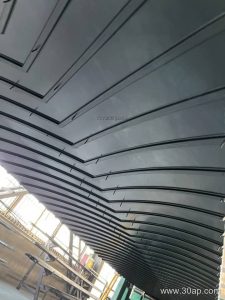
In a limestone quarry, brackets along the main haulage conveyor face dust, grit, and occasional spillage. In a coal-fired power plant, the coal handling system may require flame retardant conveyor belt and anti-static properties, and the brackets must be positioned to keep the belt tracking correctly. In a cement plant, high temperatures near the kiln discharge can call for heat resistant conveyor belt, while the brackets themselves must tolerate thermal expansion and abrasive clinker dust.
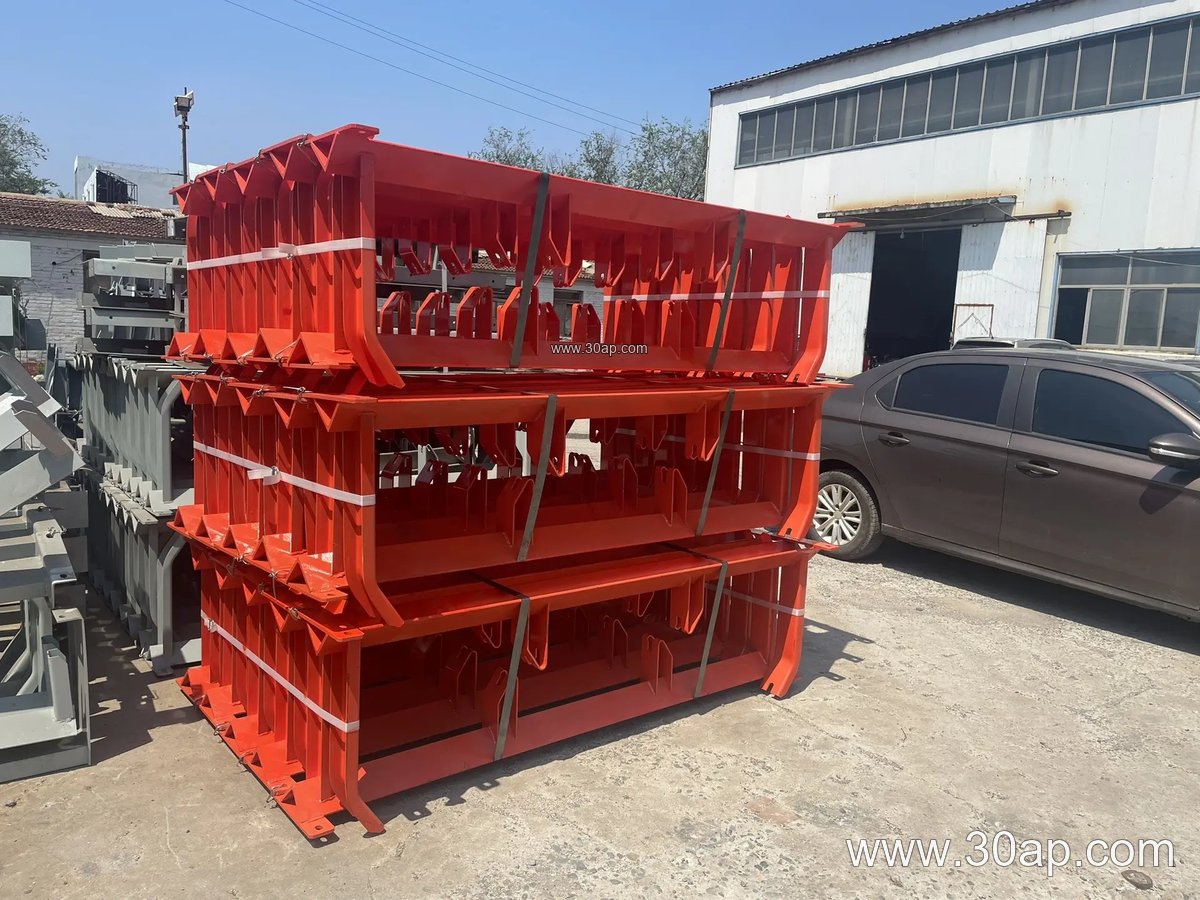
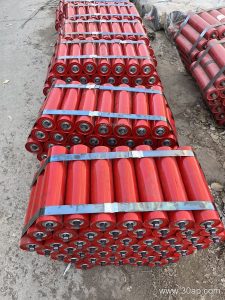
Brackets also work alongside conveyor pulleys. A drive pulley, a tail pulley, and a bend pulley each perform a distinct function, and the brackets near them must be placed to suit the belt path. A transition bracket near a pulley is not the same as a standard carry bracket, and replacing one with the other can cause belt misalignment. The same care applies to idler roller selection: the bracket and the roller must match in shaft size and mounting style.
Buyer Checklist Before Accepting a Price
A low conveyor bracket price can hide thin steel, poor hole alignment, or missing reinforcement. Buyers should ask for the steel section size, the plate thickness, the welding standard, and the surface treatment. Galvanizing or painting adds cost but extends service life in wet or corrosive environments. For heavy-duty mining conveyor belt systems, the bracket should be rated for the load and impact of the application, not chosen by price alone.
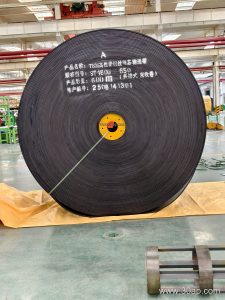
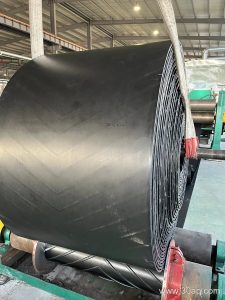
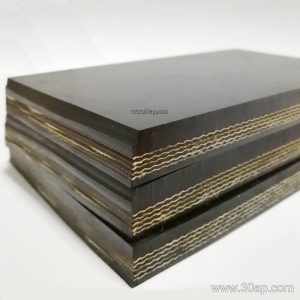
It also helps to confirm the full assembly context. A steel cord conveyor belt or a multi-ply fabric core conveyor belt may impose different tension and tracking behavior, and the bracket layout should follow the conveyor design. Requesting a drawing with belt width, trough angle, roll diameter, and hole spacing before ordering keeps the quotation comparable and avoids later modification costs.