What a Belt Conveyor Impact Idler Does at the Load Point
A belt conveyor impact idler is a special idler roller mounted directly beneath the loading point of a conveyor system. Its job is to absorb the energy of falling material before that energy reaches the belt carcass. In a quarry, a crusher discharge, or a cement plant transfer tower, rock and clinker can drop several meters onto a moving conveyor belt. Without cushioning, the impact would crush the belt cover, fatigue the fabric or steel cord, and shorten service life. The impact idler is the first line of defense at that critical zone.
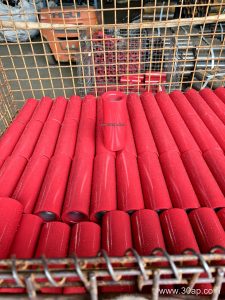
The same component is also called a buffer idler or shock-absorbing idler. All three names describe the same product. It is not a troughing idler used along the carrying run, nor is it a return idler under the empty strand. It sits in a dedicated impact station, usually a short frame of several idlers spaced closely together, right where the chute delivers material.
How the Impact Idler Is Built
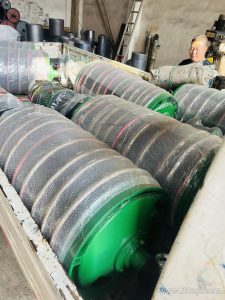
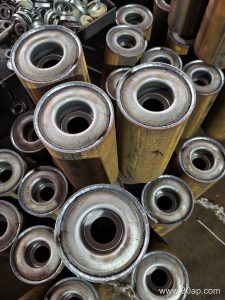
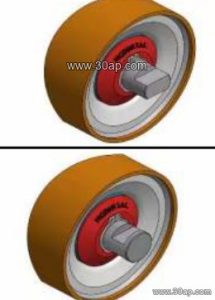
A standard steel idler roller has a rigid shell. The impact version replaces or covers that shell with a resilient layer, most commonly a thick rubber ring. The rubber rings are stacked along the shaft, separated by steel discs, and compressed so they stay firmly in place. This construction allows each ring to deflect independently, spreading the shock across a wider area instead of concentrating it at one point.
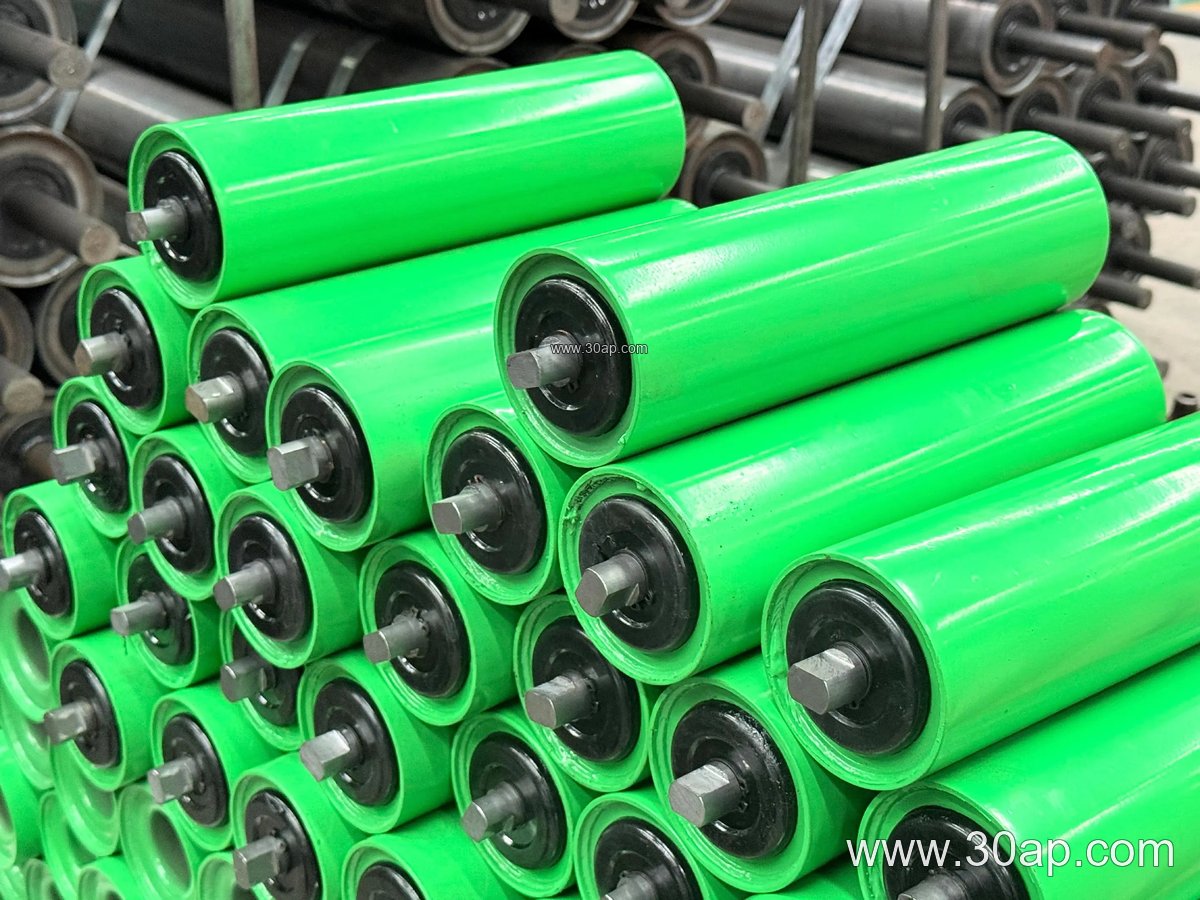
Some designs use a rubber-covered roller with a continuous sleeve rather than separate rings. Both approaches aim at the same result: elastic deformation under load and quick recovery between impacts. The shaft, bearings, and end seals follow the same principles as other idlers, but the bearing housing is often protected more heavily because the load zone is dusty and wet.
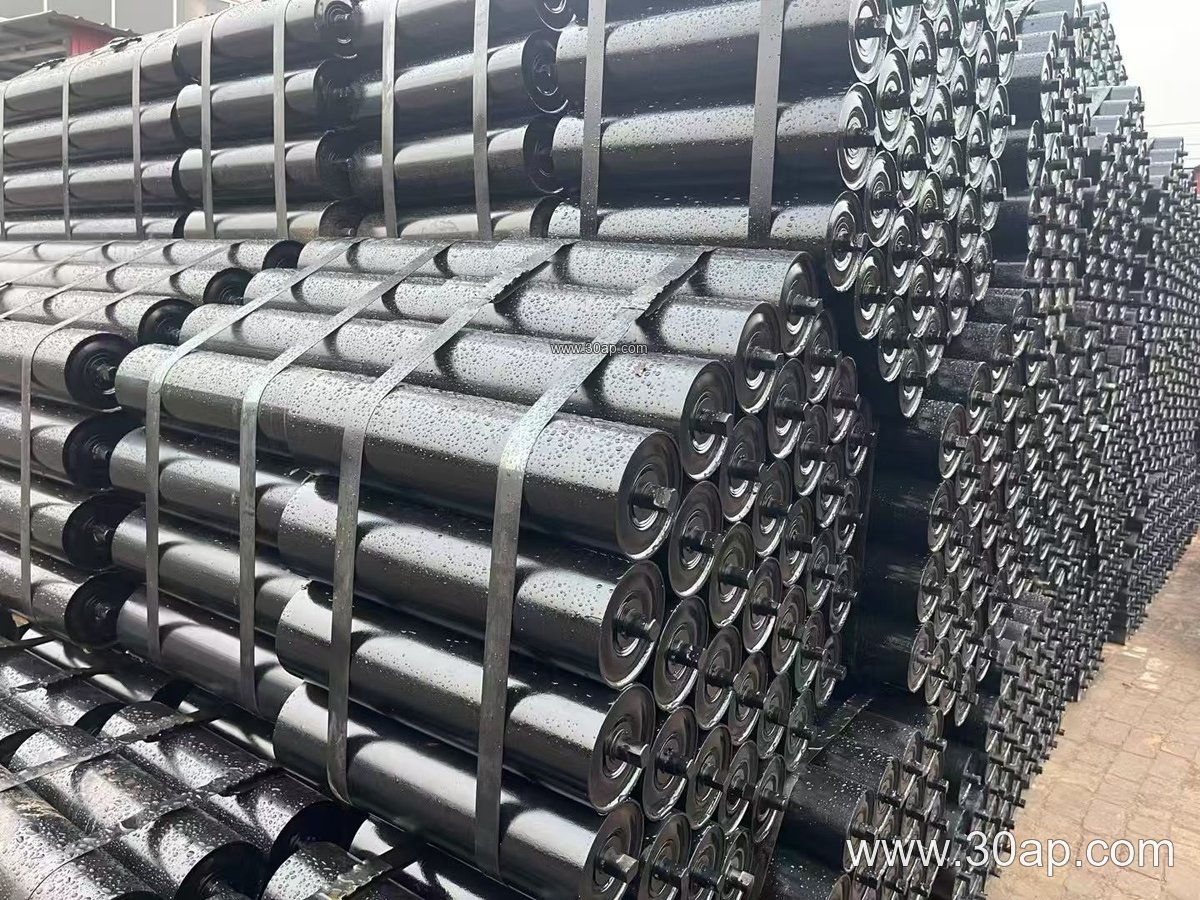
- Rubber ring buffer idler: stacked rings, good for coarse rock and ore
- Rubber-sleeved impact roller: continuous cover, smoother surface for mixed material
- Common roller diameters: Ø89, Ø102, Ø108, Ø127, Ø133, Ø159, Ø178, Ø194, Ø219
- Common bearing sizes: 6204, 6205, 6305, 6306, 6308, 6310
Bearing selection is matched to the shaft and load, not to belt width alone. A larger roller diameter does not automatically require one specific bearing, and a given bearing can serve more than one roller size depending on the design.
Where Impact Idlers Are Used
The obvious home of the buffer idler is any transfer point with a significant drop height. In an iron ore or copper ore handling circuit, the discharge from a primary crusher onto the collecting conveyor is a classic location. In a coal mining conveyor or a power plant coal yard, impact stations protect the belt where coal drops from the stacker or the chute. Sand and gravel plants use them under screens and crusher outlets, where stone is sharp and heavy.
These idlers also appear at the head of a belt feeder, below a hopper, and at the junction between two conveyors. In each case the goal is the same: keep the conveyor belt running without cover damage or splice failure caused by repeated shock. A well-protected load zone also reduces spillage, because a belt that sits stable on its idlers tracks better through the chute.
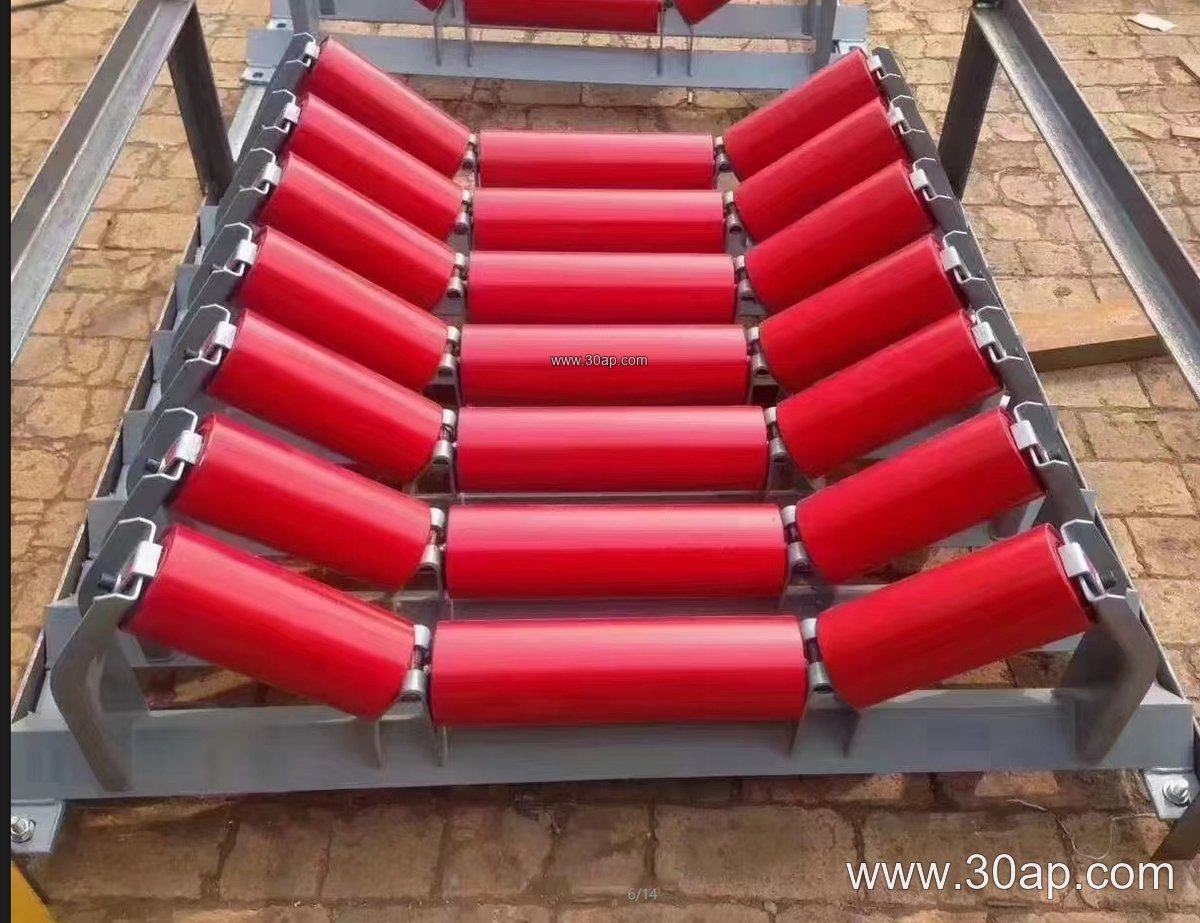
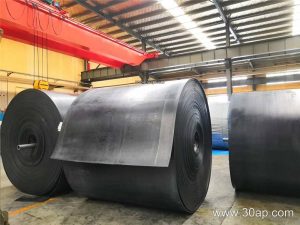
For heavy-duty mining conveyor belts and high abrasion resistant conveyor belt grades, the impact idler is a natural companion. It works alongside the troughing idlers, return idlers, and conveyor pulleys that make up the rest of the line, but its role is unique to the load point.
Matching the Impact Station to the Conveyor
Buyers should think about the impact idler as part of a station, not a single part. The station usually contains three to five idlers set at the same trough angle as the carrying idlers, often 20, 30, 35, or 45 degrees. The roller length depends on belt width, trough angle, and frame design. Typical three-roll troughing examples include about 200 mm roll length for B500, 315 mm for B800, 465 mm for B1200, and 600 mm for B1600. These are common references, not fixed rules, and the side rolls and center roll can differ.
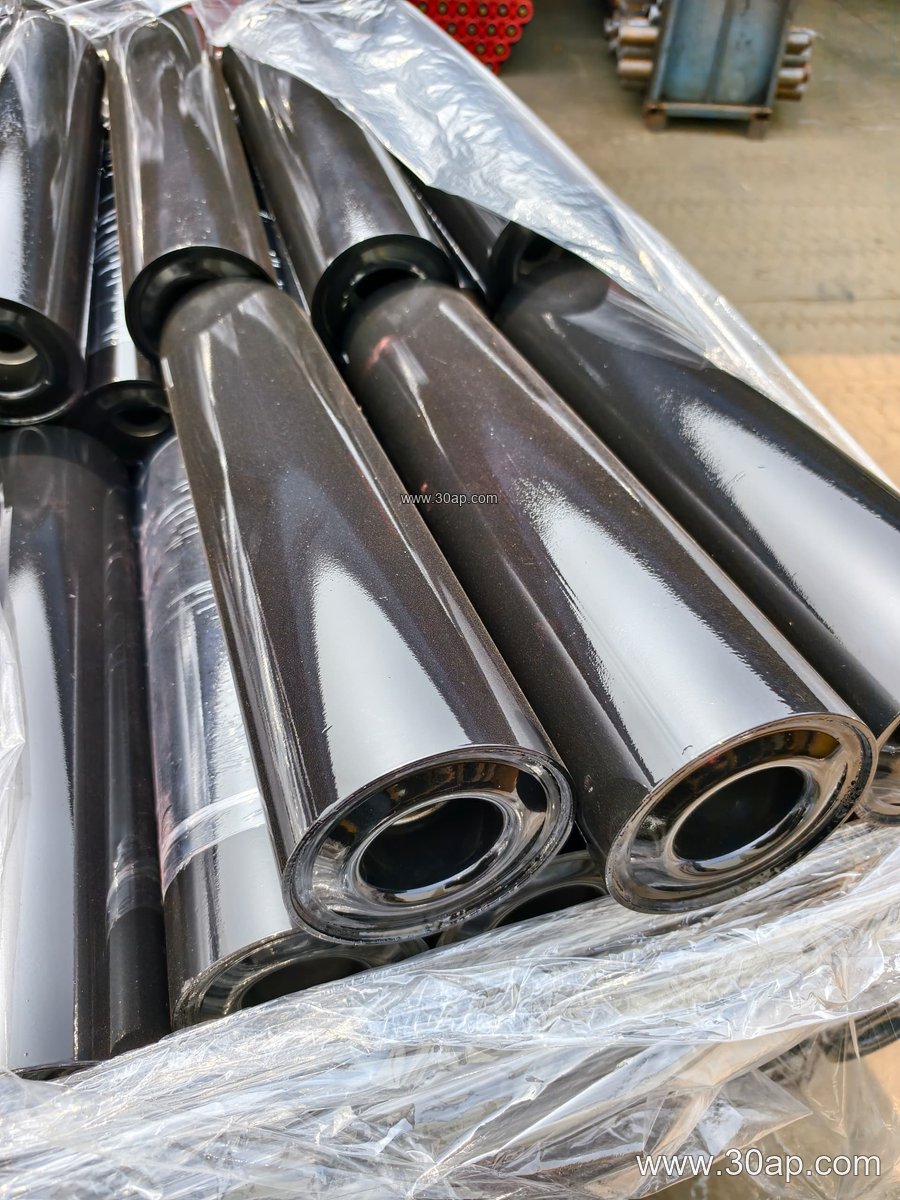
Belt width itself does not dictate one pulley diameter or one shaft size. A 1200mm wide conveyor belt can run with different pulley and idler combinations depending on tension, speed, and material. The impact idler should be specified from the actual load conditions: lump size, drop height, throughput, and belt speed.
| Parameter | Common reference | Note |
|---|---|---|
| Roller diameter | Ø89 to Ø219 | Selected by load and frame |
| Roll length | 200 to 750 mm | Follows belt width and trough form |
| Trough angle | 20, 30, 35, 45 degrees | Match carrying idlers |
| Bearing | 6204 to 6310 | Design dependent |
| Surface | Rubber ring or rubber sleeve | Shock absorption |
Also confirm the conveyor bracket and frame dimensions. The impact station must fit the existing stringer spacing, and the chute must be positioned so material lands on the center of the belt, not on one edge. A misaligned chute will wear out even a well-built buffer idler quickly.
Maintenance and Buying Tips
Inspect rubber rings for cracking, flattening, or missing segments. Worn rings lose their cushioning and transfer shock to the belt. Check that the idlers rotate freely and that seals are intact, because dust ingress is the main cause of bearing failure at load zones. Keep the impact station clean and verify that the belt is not resting on the frame.
When ordering, state the belt width, trough angle, roller diameter, roll length, and bearing type, and describe the material and drop height. Ask for the rubber hardness and ring thickness if shock absorption is critical. A supplier who understands the difference between a buffer idler and a standard carrying idler will help you avoid a costly mismatch. For related components such as conveyor belt, idler roller, and conveyor pulley, coordinate the whole load zone rather than replacing one part in isolation.