What a Wear-Resistant Idler Does
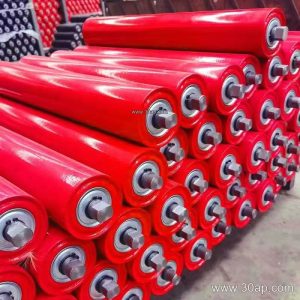
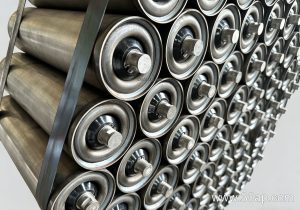
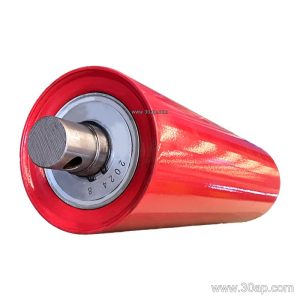
A wear-resistant idler is a carrying or return roller built to survive the abrasive side of bulk handling. In a quarry, a coal prep plant, or a cement kiln feed line, the belt is not the only part that wears. The idler roller shell, bearing housing, and seal area take a constant beating from grit, fines, and impact. This roller is designed so that the outer surface and the end faces resist that attack for longer service intervals.
The keyword points to a specific component in the conveyor frame, not to a drive pulley or a tail pulley. A conveyor pulley at the head or tail does a different job, and the two are not interchangeable. The wear-resistant idler stays under the belt or on the return strand, supporting the conveyor belt and keeping its profile stable.
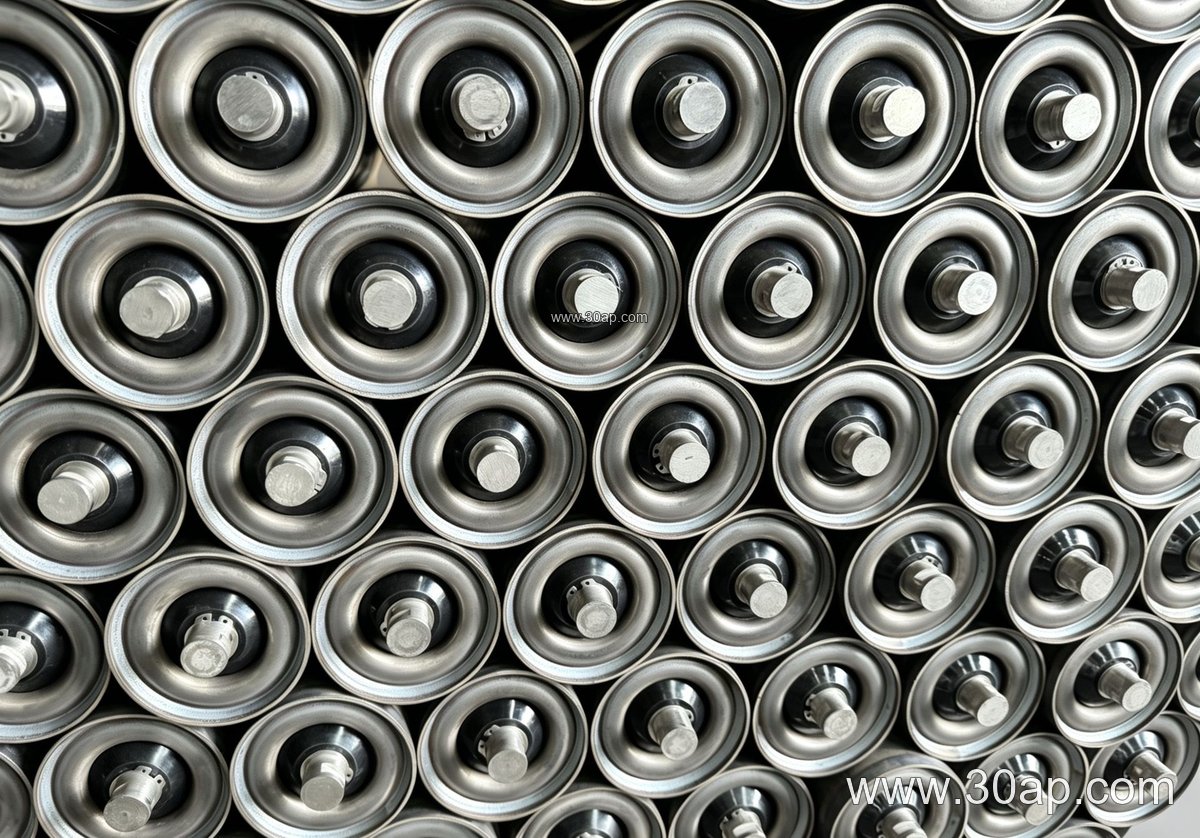
Construction Details That Matter
Most versions use a steel tube shell with a protective surface. Common roller surfaces include nylon, ceramic, and rubber rings, and each has a place. Ceramic covers suit fine, sharp material that acts like sandpaper. Rubber rings absorb impact at transfer points and reduce belt marking. A nylon sleeve gives a smooth, low-friction face where sticky material is a concern.
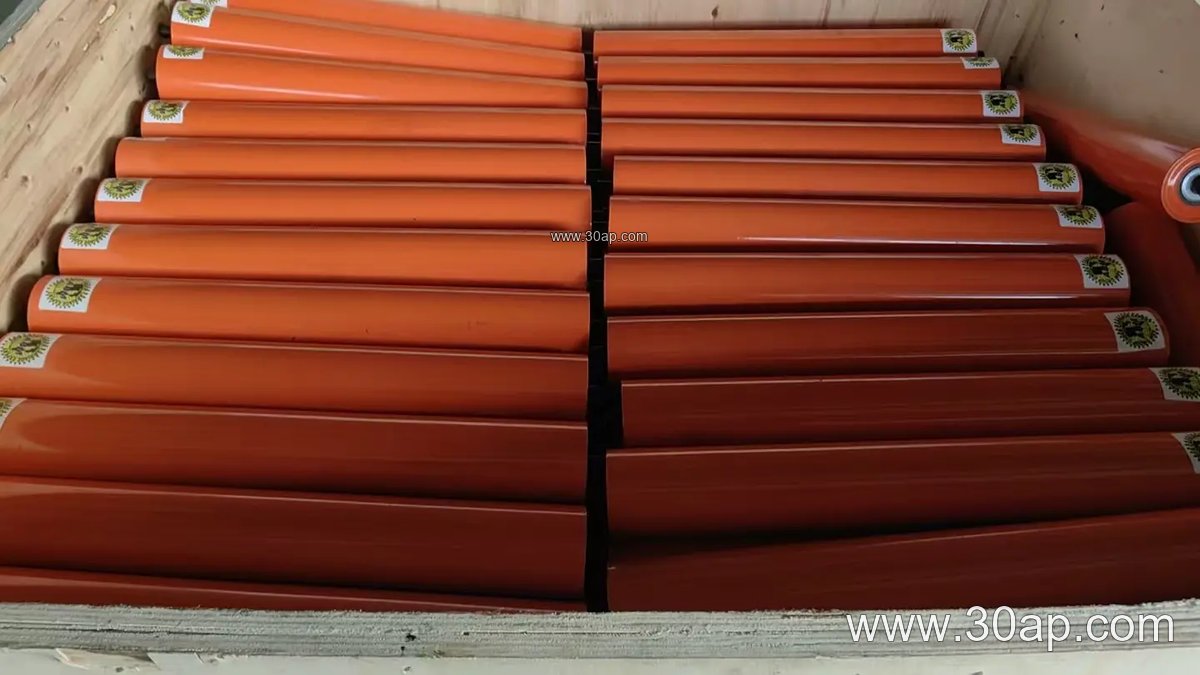
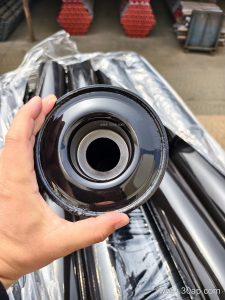
Bearing selection follows load and speed, not a single fixed rule. Typical bearing numbers in this family include 6204, 6205, 6305, 6306, 6308, and 6310. The seal is often the deciding factor in dusty service, because fine dust that reaches the bearing shortens life quickly. A labyrinth seal or a multi-stage lip seal is common on wear-resistant designs.
Where It Fits on the Conveyor
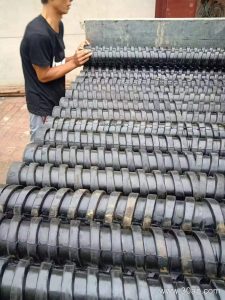
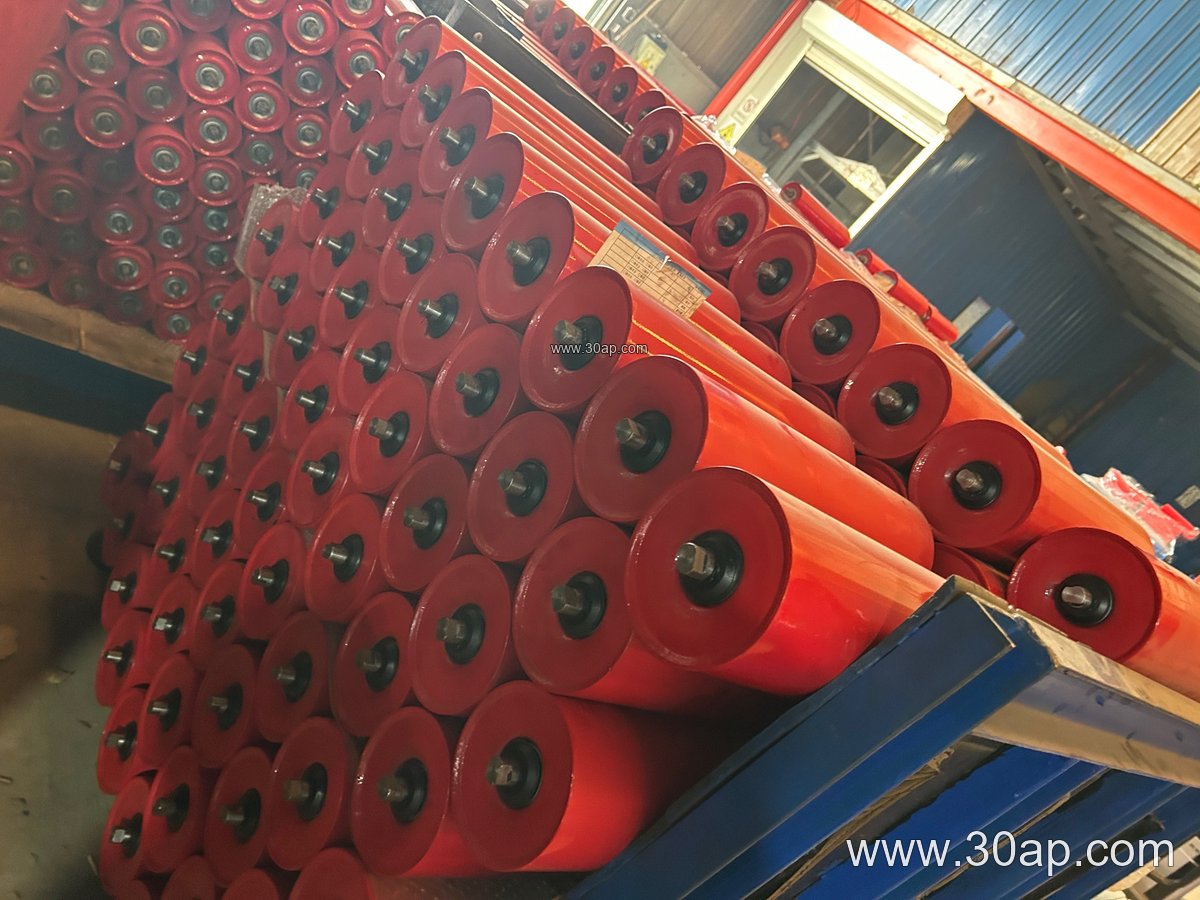
These rollers appear in several positions. Troughing idlers on the carrying side form the trough that holds material, and a wear-resistant version is often used in the first meters after a crusher discharge. Impact idlers with rubber rings sit under the loading point. On the return strand, a flat return idler or a V-return idler keeps the belt clean and tracked. Self-aligning types are chosen where the belt tends to wander, but they are a separate function from wear resistance.
Matching the roller to the belt width is a layout decision. A 650mm conveyor belt and a 1200mm conveyor belt need different roll lengths and frame spacing. The table below shows common reference values, not fixed pairings.
| Belt width | Common roll length (three-roll trough, middle roll) | Typical trough angle |
|---|---|---|
| B500 | about 200 mm | 20° to 35° |
| B650 | about 250 mm | 20° to 35° |
| B800 | about 315 mm | 30° to 35° |
| B1000 | about 380 mm | 30° to 35° |
| B1200 | about 465 mm | 30° to 45° |
| B1400 | about 530 mm | 30° to 45° |
| B1600 | about 600 mm | 35° to 45° |
| B1800 | about 670 mm | 35° to 45° |
| B2000 | about 750 mm | 35° to 45° |
Roller diameters in common use run from Ø63 and Ø76 for light duty up to Ø159, Ø178, Ø194, and Ø219 for heavy sections. A larger diameter lowers rotation speed and can help in high-load areas, but the frame and bearing must match.
Industries and Belt Pairings
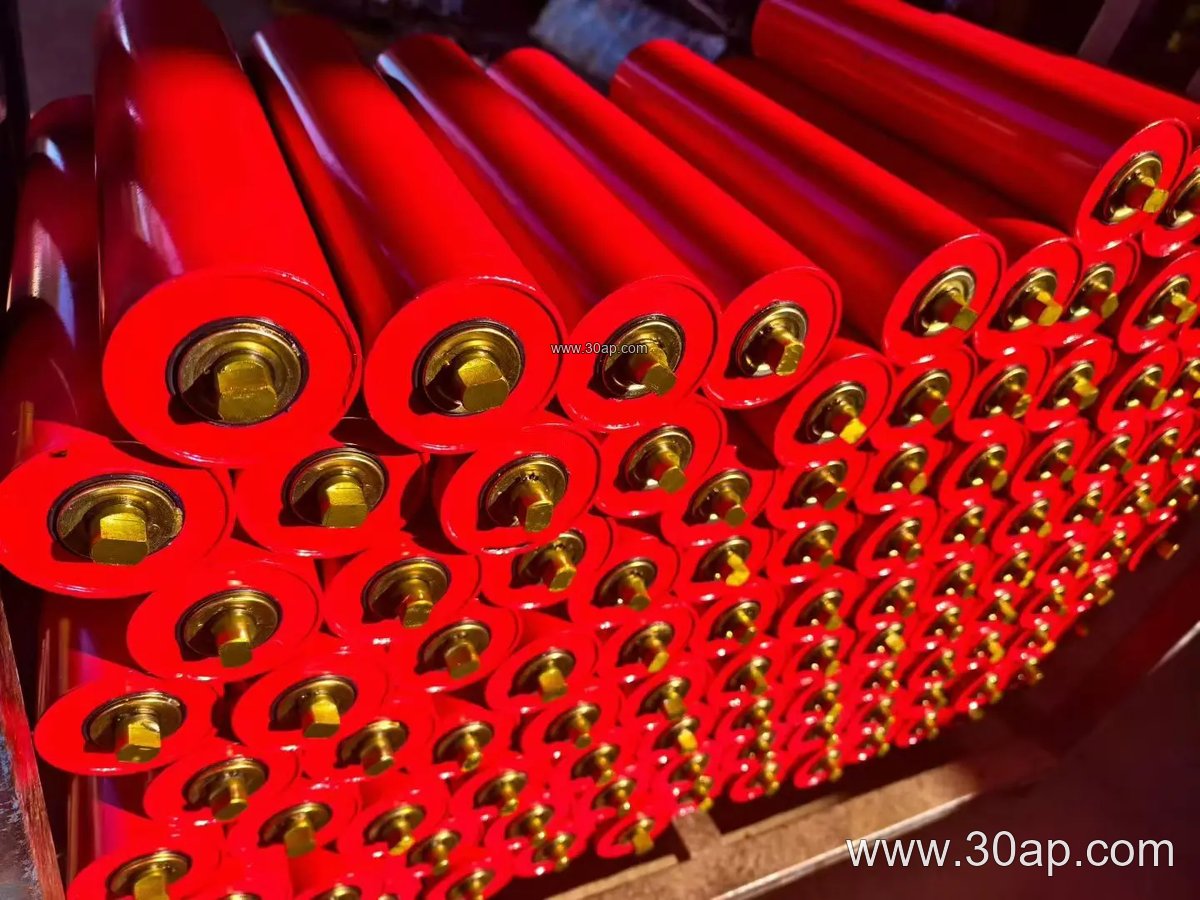
In a limestone quarry or an iron ore terminal, abrasive dust is the main enemy. A wear-resistant idler under an abrasion resistant conveyor belt or a heavy-duty mining conveyor belt is a sensible pairing. In a coal mining conveyor system, flame retardant conveyor belt grades are required for safety, and the roller should be selected for the same dusty, sometimes wet environment. A steel cord conveyor belt or an EP conveyor belt both run on these rollers, and the choice of roller surface should follow the material, not the belt brand.
Power plant coal handling and cement plant clinker lines also use them. Where material is hot, a heat resistant conveyor belt may be on the same frame, but the idler itself is chosen for mechanical wear and bearing protection.
Buyer Checklist
- Confirm the belt width and the trough angle before ordering roll length.
- State the material: sharp aggregate, fine powder, wet slurry, or hot clinker.
- Choose the roller surface for the wear mode, not for appearance.
- Check the seal design for the dust level on site.
- Match the bearing to the calculated load and speed.
- Keep the conveyor bracket and frame dimensions consistent with the roller ends.
A wear-resistant idler is a small part of the conveyor, but it decides how often maintenance crews stop the line. For more on conveyor belt, idler roller, and conveyor pulley selection, visit our product pages and compare options by duty, not by one universal size.