What a Coal Mine Belt Conveyor Pulley Does
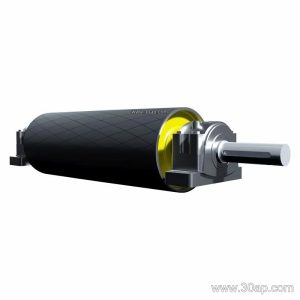
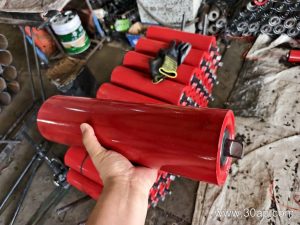
In a coal mine, the belt conveyor is the lifeline that moves raw coal from the face to the surface. At the heart of that system is the coal mine belt conveyor pulley — the cylindrical component that drives, tensions, or redirects the conveyor belt. Unlike a simple idler roller, which supports the belt along its carry and return sides, a pulley transmits power or changes belt direction. The main drive pulley, often called the head pulley, grips the belt and pulls it forward. Tail pulleys at the loading end, bend pulleys for redirection, and take-up pulleys for tensioning all belong to the same family, but they are not interchangeable in function or design.
Construction and Key Components
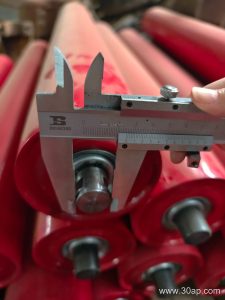
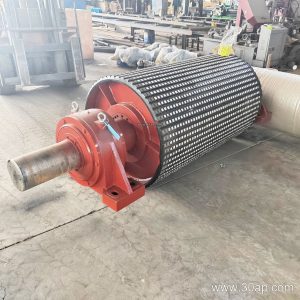
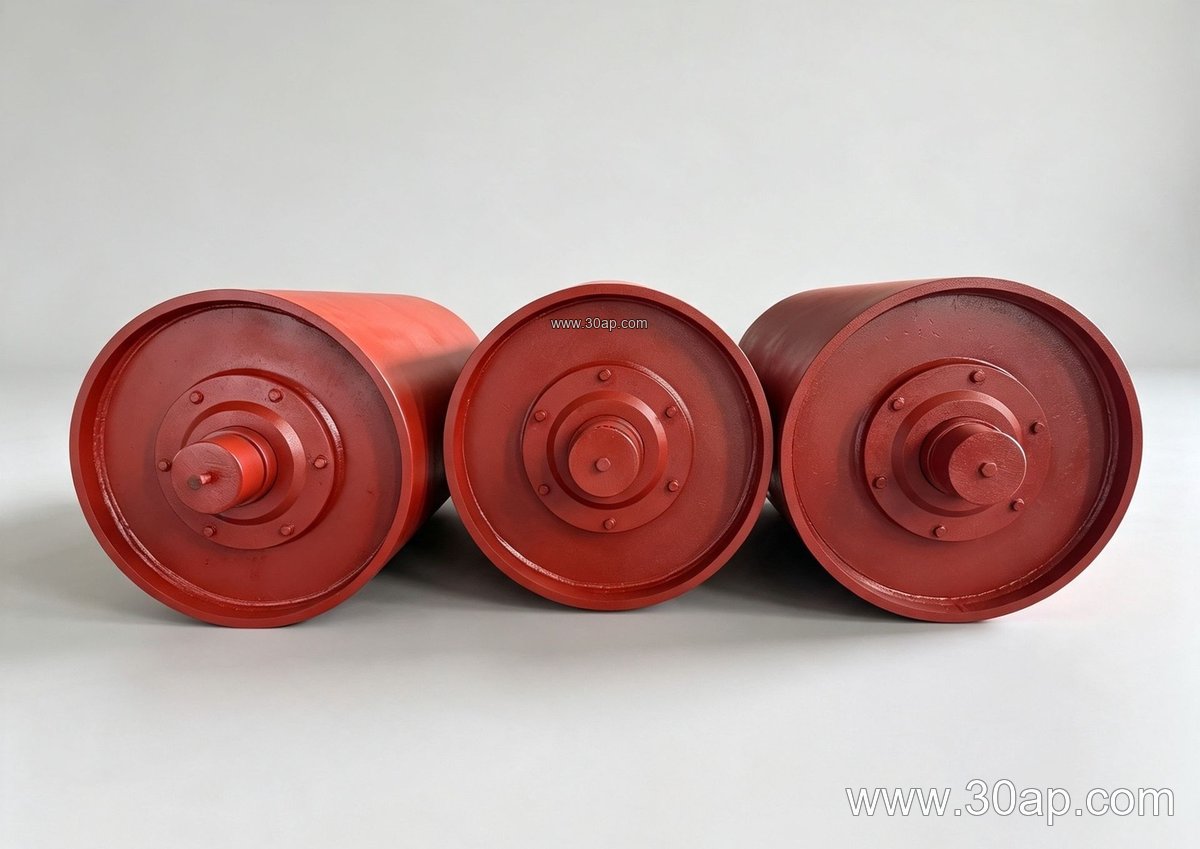
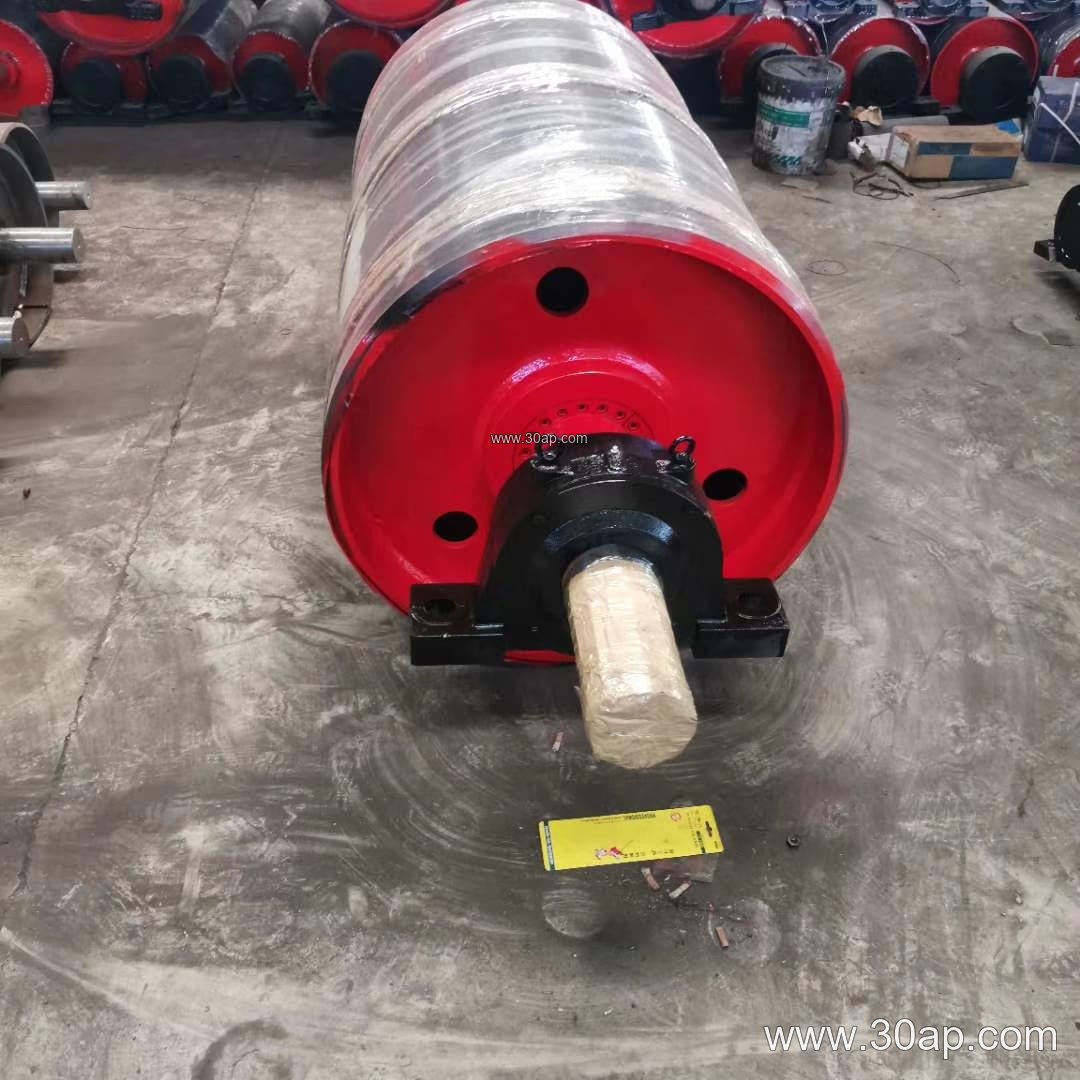
A typical coal mine belt conveyor pulley is built around a steel drum shell, welded to end discs and a shaft. The shaft transfers torque from the gearbox or motor. Shell thickness and shaft diameter are determined by the calculated torque and radial loads, not by belt width alone. Common shaft diameters include Ø50, Ø60, Ø80, Ø100, Ø120, Ø140, Ø160, Ø180, and Ø200 mm, while shell diameters often range from Ø200 to Ø1800 mm depending on the application. The pulley surface may be plain, lagged with rubber, or covered with ceramic tiles. Lagging improves grip and protects the shell from abrasion, especially when handling abrasive coal or rock.
Surface Options for Coal Handling
- Plain surface – suitable for non-drive positions where slip is not a concern.
- Rubber lagging – cold-bonded or hot-vulcanized, with thicknesses of 8, 10, 12, 15, or 20 mm. Diamond or herringbone patterns increase friction and shed water.
- Ceramic lagging – provides high abrasion resistance for drive pulleys in harsh conditions.
These surface forms are not limited to one pulley type; a bend pulley may also be lagged if belt tracking requires it. What matters is matching the lagging to the duty.
Where It Fits in the Coal Mine
Coal mines use belt conveyors for both underground and surface transport. In an underground coal mining conveyor, flame retardant and anti-static properties are critical for the belt, and the pulleys must be designed for confined spaces and dusty atmospheres. On the surface, coal preparation plants and power plant coal yards rely on heavy-duty pulleys to handle high tonnage. The same pulley technology appears in cement plants, quarries, and port bulk terminals, but the coal mine environment adds specific demands: resistance to coal dust, moisture, and occasional impact from large lumps.
Matching Pulley to Belt and System
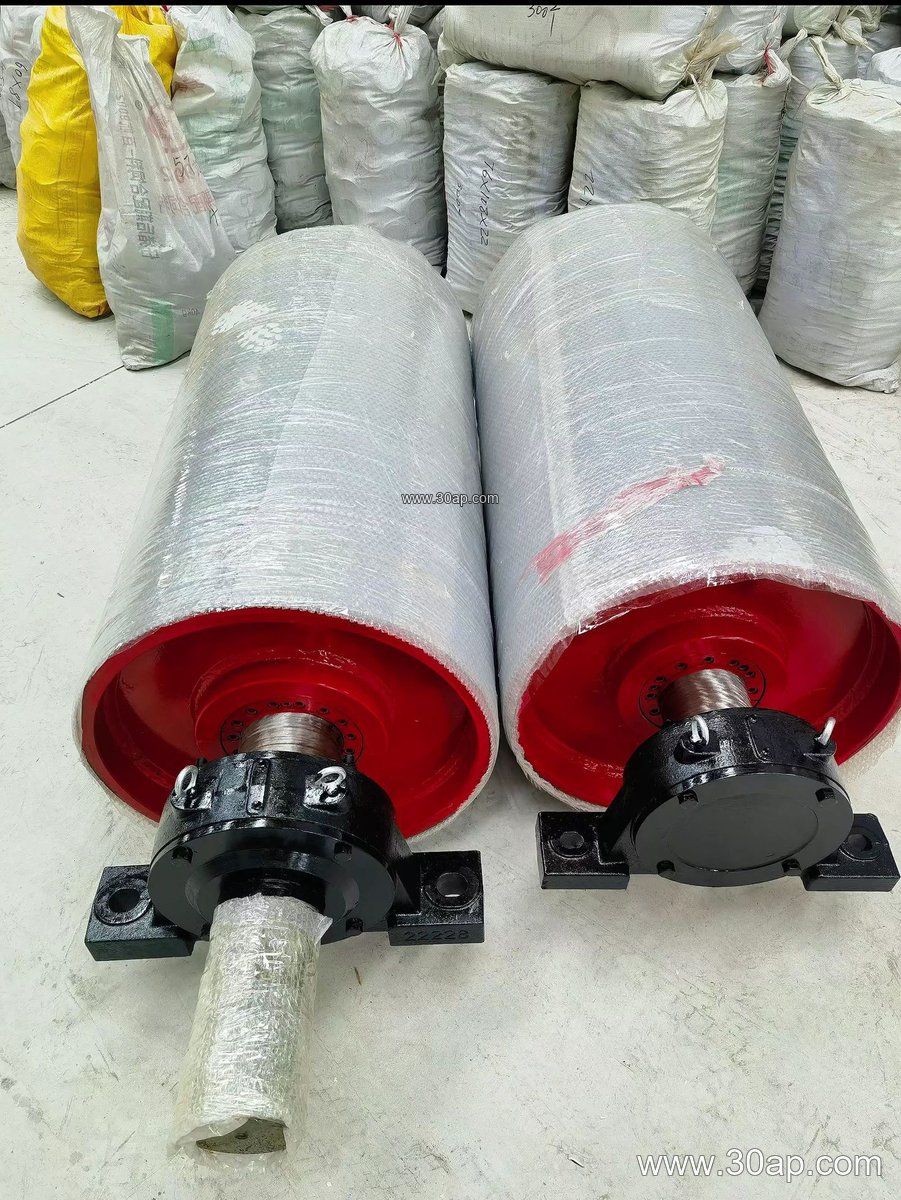
Selecting a coal mine belt conveyor pulley starts with the belt width and the required tension. A wider belt generally needs a wider pulley face; for example, a B1200 belt often pairs with a pulley face around 1400 mm, and a B800 belt with roughly 950 mm. However, the diameter and shaft size depend on the actual torque and load. A drive pulley for a 1200 mm wide belt might use a Ø1000 mm shell, while a tail pulley on the same belt could be Ø800 mm. There is no fixed rule that one belt width matches only one pulley diameter. The conveyor bracket and take-up arrangement also influence shaft length and bearing selection.
Typical Reference Combinations
The following table shows common reference combinations, but final dimensions must be confirmed by engineering calculation.
| Belt Width (mm) | Pulley Face Width (approx. mm) | Common Shell Diameter (mm) | Common Shaft Diameter (mm) |
|---|---|---|---|
| B650 | 750 | Ø400 – Ø630 | Ø80 – Ø120 |
| B800 | 950 | Ø500 – Ø800 | Ø100 – Ø140 |
| B1000 | 1150 | Ø630 – Ø1000 | Ø120 – Ø160 |
| B1200 | 1400 | Ø800 – Ø1250 | Ø140 – Ø180 |
| B1400 | 1600 | Ø1000 – Ø1400 | Ø160 – Ø200 |
These ranges are indicative only. A coal mine may use a B1200 × Ø1000 drive pulley with a 15 mm rubber lagging, while a smaller B800 × Ø500 bend pulley might have a plain surface. The key is to calculate the required torque and check the shaft strength.
Buyer Checklist
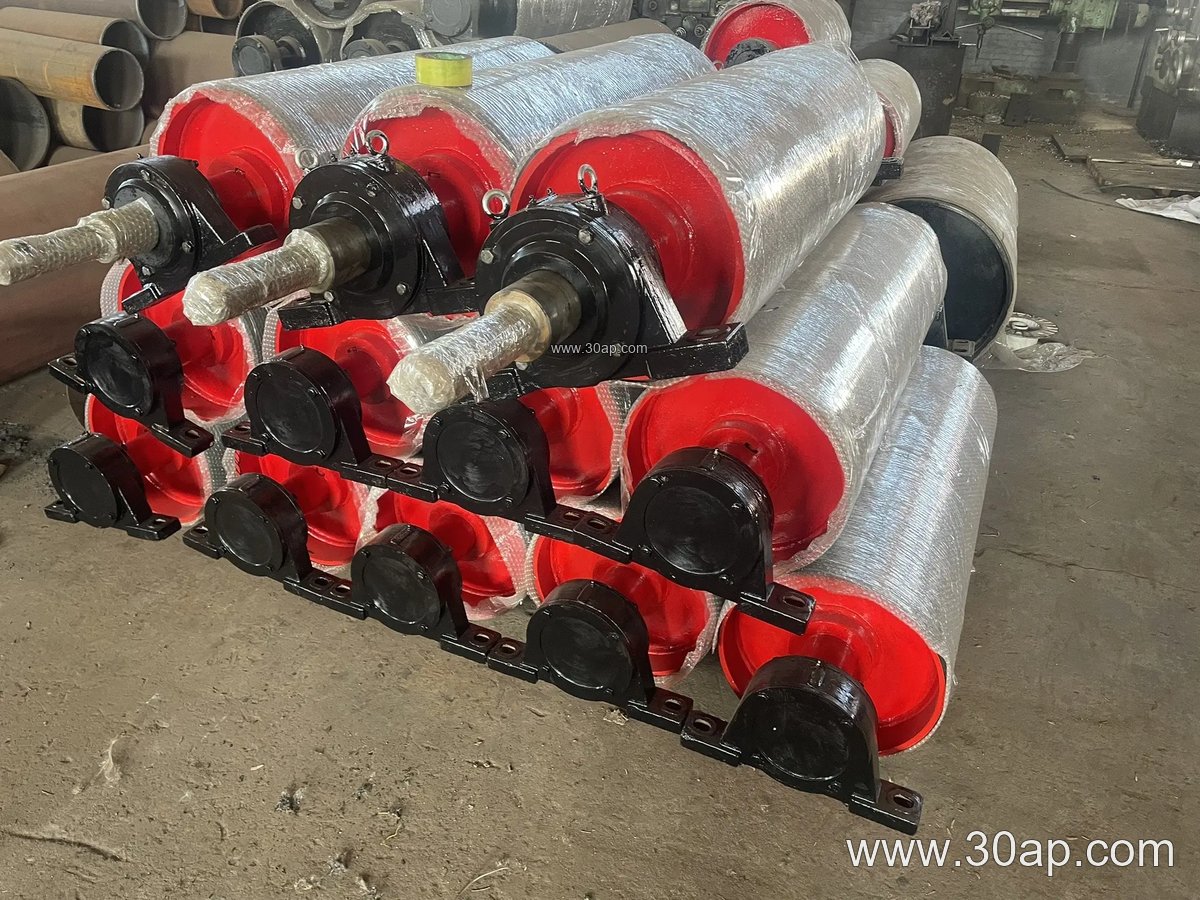
- Confirm the pulley type: drive, tail, bend, take-up, or snub. Each has a different role and cannot be substituted casually.
- Specify belt width and required face width, allowing for belt tracking.
- Provide the calculated torque and radial load so the manufacturer can size the shaft and bearings.
- Choose lagging according to the environment: rubber for general grip, ceramic for high abrasion, and flame retardant grades for underground coal mining.
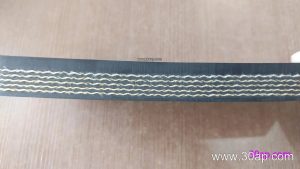
- Check compatibility with the conveyor belt — especially for flame retardant and anti-static requirements in underground coal mining conveyor systems.
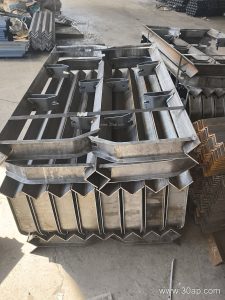
- Consider maintenance access: bearing housings, lubrication points, and the conveyor bracket design should allow safe inspection.
For more information on related components such as conveyor pulleys, idler rollers, and conveyor brackets, or to discuss belt options like flame retardant conveyor belt and abrasion resistant conveyor belt, please visit our product pages.
Maintenance and Longevity
Even a well-built coal mine belt conveyor pulley needs attention. Regular inspection of lagging wear, shaft alignment, and bearing condition prevents unplanned stoppages. In coal mines, fugitive coal dust can penetrate seals, so proper bearing protection is essential. When lagging wears thin, re-lagging is often more economical than replacing the entire pulley. Keep a spare drive pulley on hand for critical conveyors, and follow the manufacturer’s torque and tension recommendations during installation.