Understanding the 1500mm Conveyor Belt
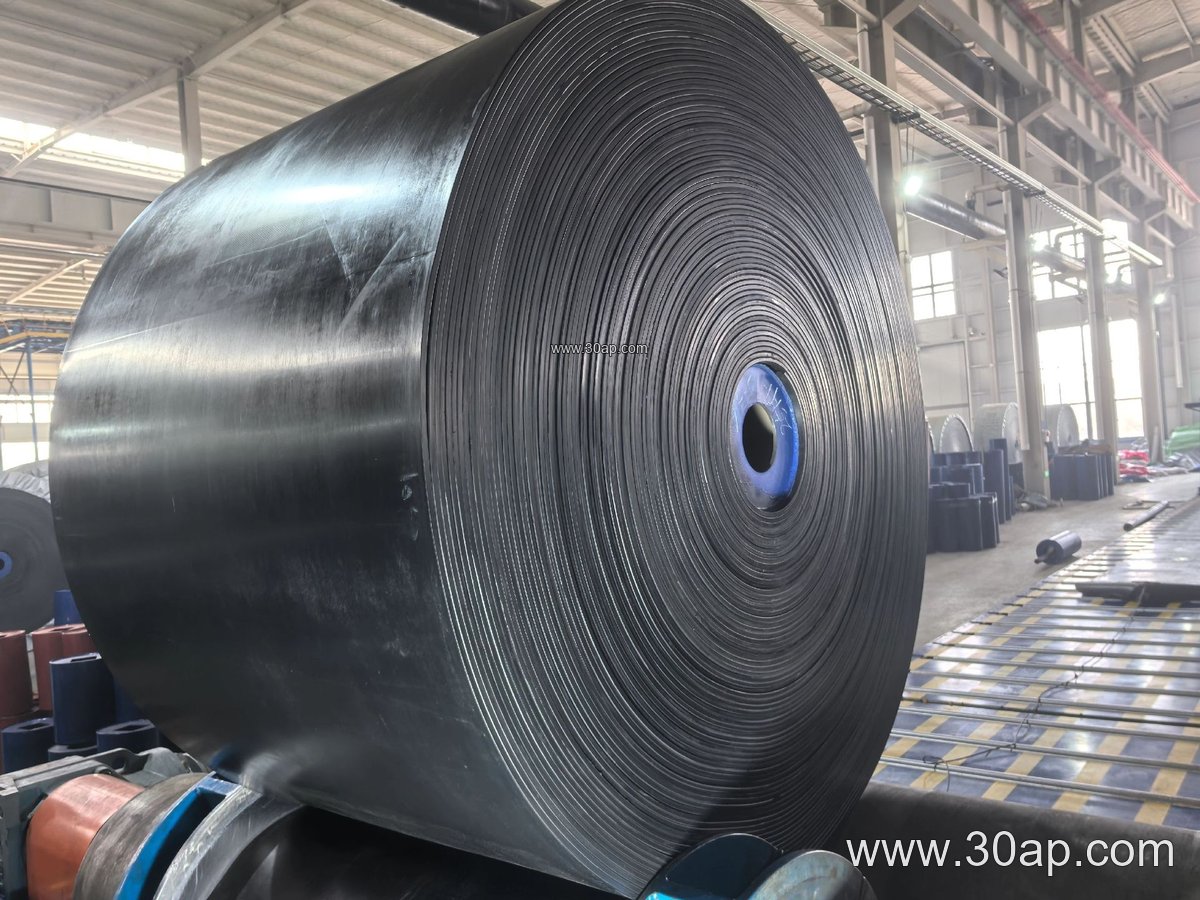
A 1500mm conveyor belt is a wide-profile belting solution designed for high-volume material transport in industries such as mining, coal processing, cement production, power generation, and aggregate handling. With a belt width of 1500 millimeters, this size falls into the category of wide conveyor belts, offering a large carrying capacity that reduces the number of transfer points and improves overall system efficiency. Whether you are moving crushed stone in a quarry, coal in an underground mine, or clinker in a cement plant, a 1500mm wide conveyor belt can be a practical choice for main haulage lines.
Construction and Available Types
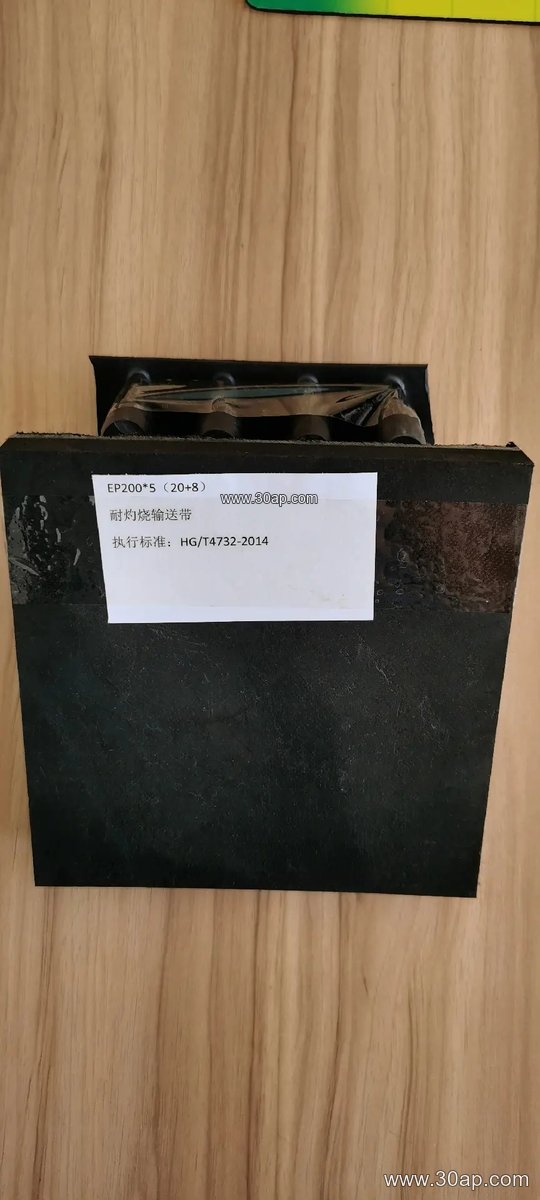
The construction of a 1500mm conveyor belt depends on the intended application. Common carcass options include fabric core designs such as EP (polyester-nylon) and NN (nylon-nylon), as well as steel cord reinforcement for extremely demanding duties. For general bulk material handling, an EP conveyor belt is widely used due to its low elongation and good impact resistance. In coal mining and underground operations, flame retardant and anti-static properties are often required, making PVG or PVC conveyor belts suitable for such environments. For abrasive materials like iron ore or copper ore, an abrasion resistant conveyor belt with a robust cover compound helps extend service life. Heat resistant conveyor belts are available for handling cement clinker or sintered materials, while oil resistant grades serve recycling and processing plants. Specialty profiles such as chevron conveyor belts or corrugated sidewall belts can be specified when steep inclines or material containment are needed, but these are separate designs from the standard flat 1500mm belt.
Key Specifications and Reference Data
When specifying a 1500mm conveyor belt, engineers consider belt width, carcass type, number of plies, cover thickness, and tensile strength. The table below lists common reference values; actual selections should be confirmed with the manufacturer based on load, speed, and pulley diameters.
| Parameter | Common Options / Reference Range |
|---|---|
| Belt width | 1500 mm (B1500) |
| Carcass type | EP, NN, steel cord |
| Fabric plies | 2 to 6 layers |
| Cover thickness (top + bottom) | 4+2 mm, 5+2 mm, 6+2 mm, 8+3 mm |
| Tensile strength (EP) | EP200 to EP2000 |
| Steel cord grades | ST1000 to ST3150 (for reference) |
| Special properties | Flame retardant, heat resistant, oil resistant, abrasion resistant, cold resistant |
These values are indicative and vary between manufacturers. The number of plies and cover thickness should be matched to the material lump size, drop height, and operating tension. For instance, a 1500mm conveyor belt handling large lumps in a primary crusher discharge may require a thicker cover and impact-resistant carcass, while a coal mining conveyor belt may prioritize flame retardancy and anti-static performance.
Applications Across Industries
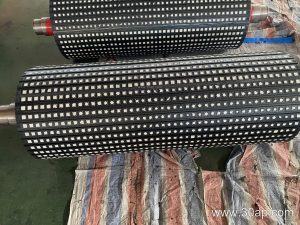
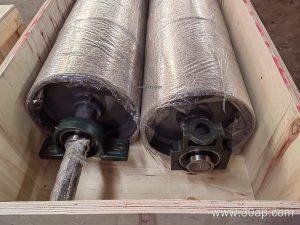
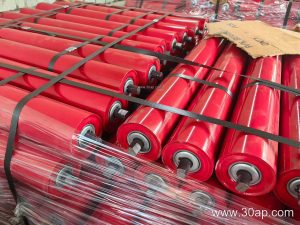
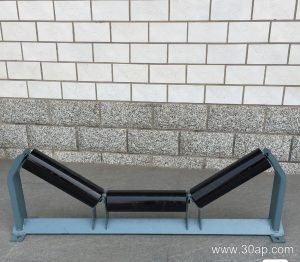
In the mining sector, 1500mm conveyor belts are frequently found in underground coal mining and open-pit operations, transporting ore and waste rock. Aggregate plants and sand making plants use them to move crushed stone between screening stations. Cement plants rely on heat resistant belts for clinker and raw meal. Power plants use them for coal delivery from stockyard to boiler. Ports and ship loading facilities benefit from the high throughput of a 1500mm wide belt. The belt works in harmony with conveyor pulleys, idler rollers, and conveyor brackets to form a reliable conveying system. Selecting the right belt width ensures that the belt tracks properly on the pulleys and that the idlers support the load without excessive sag.
Buyer Checklist for a 1500mm Conveyor Belt
- Confirm the actual belt width and whether B1500 is the nominal size.
- Match the carcass type (EP, NN, steel cord) to the required tensile strength and elongation.
- Specify cover thickness and grade based on material abrasiveness, temperature, and oil content.
- Check compatibility with existing conveyor pulleys and idler rollers, especially pulley face width and diameter—there is no fixed rule tying one belt width to one pulley diameter.
- For underground coal mining, request flame retardant and anti-static properties as needed.
- Consider environmental factors such as cold resistance for outdoor winter operation or heat resistance for high-temperature materials.
- Review splicing method and whether an endless conveyor belt is preferred for reduced downtime.
Working with a knowledgeable supplier helps ensure that the 1500mm conveyor belt fits the conveyor structure, including brackets and pulleys, and delivers reliable service in your specific industry.